

Banks, Alt Funders Continue to Compete for Small Business
February 13, 2018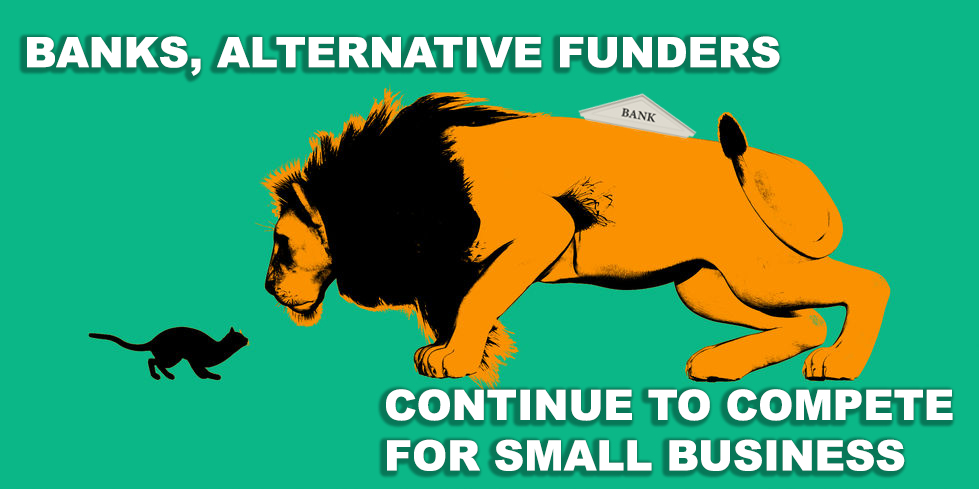
The alternative small-business finance industry owes its very existence to banks’ reluctance to lend money to mom-and-pop shopkeepers, tradespeople and restauranteurs, but bankers’ tight fists may be loosening. Small-business owners are reporting better results when they apply for bank loans.
In fact, small entrepreneurs succeeded in landing bank loans 37 percent of the time in the fourth quarter of 2017, up from 29 percent a year earlier, according to the 1,341 merchants surveyed for the most recent quarterly Private Capital Access Index report provided by Dun & Bradstreet and Pepperdine University’s Graziadio School of Business and Management.
“That’s a big change. It’s outside the margin of error and outside normal statistical variation,” Craig R. Everett, assistant professor of finance at Pepperdine and director of the Graziadio and Dun & Bradstreet Private Capital Markets Project, tells deBanked. He’s comparing the shift to patterns established in the nearly six years the quarterly index has pegged small-business trends.
 But the effects of bankers’ increased willingness to lend to small businesses may prove a bit muted in the alternative funding industry. That’s partly because Pepperdine and Dun & Bradstreet define small businesses as having up to $5 million in annual revenue. Alt funders often deal with much smaller enterprises that could still fail to capture the attention of bank loan officers, says Noah Grayson, managing director of South End Capital in Encino, Calif. “If you’re making $5 million in gross revenue, that’s a pretty robust business,” he says of his clients.
Then there are the borrowers whose companies seem small in that they employ just a few people but might rake in $5 million on a single contract – like contractors who specialize in heavy construction equipment or have a presence in the aviation business – but aren’t profitable enough to qualify for bank loans, says Gene Ayzenberg, CEO of PledgeCap, a company with offices on Long Island and in Manhattan that specializes in business and personal loans secured by collateral.
Besides, lots of alternative lenders don’t regard gross revenue as the measure of a business. “I would look at what kind of resources and infrastructure the business has to define what is small and medium-sized,” says David Obstfeld, CEO of New York-based SOS Capital. Many alt lenders cite the importance of net over gross.
The size of prospective borrowers aside, banks are probably lending to small merchants more often these days because small businesses are becoming more profitable in today’s relatively healthy business climate and thus stand a better chance of qualifying for credit, Everett says. The recent reduction in corporate taxes will also improve profits and make small businesses more credit-worthy, he says.
The change in bank lending volume seems tied to those financial gains and doesn’t appear to be linked to any shift in policy among bankers, Everett notes. But new policies at the Small Business Administration could prompt the banking community to view small-business loans more favorably, according to Grayson. The SBA is increasing the percentage it guarantees for some loans and reducing the amount required for a down payment on some loans, he notes. That could make life more difficult for some alternative lenders because most of the small-business loans made by major banks, like Wells Fargo and Chase, are SBA loans, he says. The SBA did not provide details regarding the changes by press time.
 Regardless of what’s making banks loosen their grip on the purse strings, merchants are feeling more optimistic – or at least less gloomy – about obtaining bank loans in the near term, the study by Pepperdine and Dunn & Bradstreet indicates. In the fourth quarter of last year, 55 percent of small-business owners predicted difficulty in raising financing in the next six months, down from 61 percent a year earlier, the survey shows.
“That’s an improvement, but I still think it’s an alarmingly high number,” Ayzenberg says of those findings. “Before they even start worrying about how their operations are going and how good their product is, one in two businesses is already worrying that their bank is not going to be able to fulfill their needs. They shouldn’t have to have those fears.”
So, banks are becoming a bit more likely to loan to small businesses but still aren’t throwing open the flood gates to create a flood of funding. That’s true of banks that qualify as large and those classified as small.
American banks tend to be either small community institutions or huge national concerns that are swallowing up the remaining mid-sized regional banks, observers agree. Between 80 and 90 banks control assets of $10 billion or more and thus qualify as large, while thousands of small banks have more limited resources, says David O’Connell, an Aite Group senior analyst.
Large and small banks exhibit about the same degree of ambivalence toward small-business loans. Banks can mitigate the downside of the loans because they have funds to hire staffs and buy technology to analyze risk, O’Connell says. Executives at small banks can avoid potential problems with small-business loans because they’re often dealing with prospective borrowers who were their high school or college classmates, he notes.
Whether banks are large or small, they have their reasons to deny loans to small businesses. Perhaps foremost among the rationales for denying loans to small businesses is the cost of underwriting, says O’Connell. Banks simply can’t make enough money on the loans to pay the cost of processing them, he says, adding that, “It’s a long-standing problem.” For example, a bank can make a profit by loaning $2 million at prime plus 2 percent, but can’t cover the underwriting costs of an $80,000 loan that also earns prime plus 2 percent. The underwriting costs would be the same in both cases, he notes.
Banks became even more ambivalent about loaning to small businesses after the Great Recession struck in 2008, O-Connell continues. They didn’t want to repeat the mistakes of the freewheeling period that preceded the economic catastrophe. About the same time, private equity and hedge funds began madding more capital available to alternative lenders, he says. Meanwhile, technology and alternative data sets helped the alternative industry understand risk and reduce underwriting costs, he maintains.
Banks also find it more expensive to loan to small businesses these days because the Dodd-Frank Act has increased compliance costs, Everett points out. “Red tape and reserve requirements for the banks have all increased under Dodd-Frank, so making loans to small businesses is less cost-effective than it was before.” Banks now need upwards of $1 billion in assets under management to remain viable, and they feel compelled to expand their staffs to follow all the new rules for lending, he says.
What’s more, bankers still exercise extreme caution when it comes to extending credit to small businesses because stores or restaurants often fail and then the business or the owner defaults on the loan, Everett says. That’s why banks often require business-loan applicants to demonstrate two years of profitability to qualify for credit, he notes. Higher interest that can mitigate that risk, but state usury laws often capping rates at 36 percent or less, Everett notes. New York, for example, limits banks to 16 percent, he says.
State usury laws don’t apply to factoring or merchant cash advances, and that enables alternative funders to charge more for the use of funds, Everett says. “If it’s not called a loan and what the customer is paying is not called interest, then it’s not subject to state usury laws,” he says.
Obstfeld puts it this way: “In would be great to be in a business where nobody defaults. The rates we charge at SOS Capital are necessary to cover our losses and be profitable at the same time.”
The high cost of obtaining funds in the alternative market could eventually prompt the federal government to intervene with regulation but that probably won’t happen anytime soon, Everett predicts. O’Connell agrees, noting that in the current political climate the government has little appetite for new restrictions on a major source of capital for thousands of small businesses.
Because alternative funders have greater flexibility than banks in how much they can charge for access to credit, banks have sometimes formed referral relationships with alt funders to hand off small-business borrowers. “That looks good on paper and makes great headlines, but it’s harder to do in real life,” O’Connell maintains, because the bank loses control of the customer experience. If the alt funder doesn’t manage customers’ expectations effectively, the bank might have to take the blame – at least in some consumers’ minds, he contends. He’s surveyed bankers and found them feeling “really mixed” about such partnerships.
 The impact of such partnerships hasn’t been as great as some anticipated. “We were quite nervous when we heard that JPMorgan would be using OnDeck’s platform,” recalls Obstfeld. “However, it’s been quite some time that they’ve been doing that and it hasn’t seemed to make a dent – at all – in alternative lending.”
But alternative funders can provide borrowers with advantages that banks can’t match. Some alternative lenders can approve a client’s application in a few hours and wire funds to the recipient the same day, Grayson says. Steve Hauptman, chief operating officer at SOS Capital, notes that banks can require weeks or even months to respond to an application.
 That’s why SOS Capital customers sometimes obtains funding from the company as a bridge to keep operating while they’re waiting for an SBA bank loan or to take advantage of an opportunity that requires a quick response, Obstfeld says.
The advantages of the alternative funding industry don’t end there. SBA bank loans require more paperwork than is needed for a merchant cash advance, which can slow the process even further as the client assembles the documentation, Obstfeld notes.
In addition, banks can simply seem slow to respond to the needs of the market. “Banks are banks – they’re never going to be able to do the things we can do,” says Obstfeld. “If one product becomes an issue, we can pivot and create new product tomorrow. It takes banks years to get approval for something new.”
Then there are cards. Besides an increase in banks’ willingness to lend to small businesses, merchants are finding it easier to obtain business credit cards, the index provided by Pepperdine and Dun & Bradstreet finds. In the fourth quarter of last year, 65 percent of survey respondents applied successfully for cards, compared with 51 percent in the corresponding period a year earlier.
 Easier access to credit cards might not make merchants less likely to apply for loans, Everett says. “Usually, credit cards are a backup plan,” he notes. “They’re the poor man’s line of credit. It’s a very high interest rate.” Most businesses would prefer to open a line of credit from a bank with a lower interest rate. Many cardholders use cards only for travel expenses or to ease short-term cash-flow issues, he says.
Finding the right credit card poses a challenge, even for those who are adept at online searches, says Grayson of South End Capital. In addition, many business credit cards carry a low spending limit. A business might qualify for a $5,000 credit limit on the card but could receive a $50,000 loan, he adds. “A card generally doesn’t fill their needs,” he declares.
Others have a slightly different view of business cards. “Once you get approved, it’s easy money,” Obstfeld says of business credit cards. However, cards can’t finance some of the actions that cash from merchant cash advances can cover, such as buying out a partner or opening a second location, he notes.
Moreover, the fact that competitors exist – whether they’re banks, card issuers or other alternative lenders – doesn’t necessarily threaten existing alt funders, according to Hauptman. Remember that banks and alternative lenders aren’t offering the same products, he says. Those products, such as bank loans, factoring and merchant cash advances, each have advantages and disadvantages, which prompt merchants to pursue the vehicles that are right for them, he says.
Having banks and nonbanks in the mix can even prove complementary, too. Pumping more funds into the small-business economy from any source can result in a healthier environment that offers more opportunities for all, Ayzenberg says.
The real danger resides not so much from direct competition but rather from failing to keep pace with the alternative lending industry’s introduction of new products, falling behind in the quest to speed up the decision-making process granting funding or neglecting to obtain technology that eases the application process, Grayson says.
In one recent development, some alternative lenders aren’t reviewing credit histories, he notes. Instead they look just at deposits and can extend credit based just on that, Grayson notes. That’s somewhat like a merchant cash advance, but it’s offered at single-digit rates and on favorable terms, he says. “A lot of lenders are making it very simple for borrowers to get money now,” he continues, concluding that alt funding firms that can’t afford to make such improvements probably can’t remain in business.
Though some players will inevitably disappear, the alternative small-business funding industry in general seems likely to survive so long as banks remain reticent about lending to small businesses – the situation that gave rise to the alternative industry in the first place.
Yalber Obtains $20 Million Credit Facility
February 13, 2018
Small business financing company Yalber has announced the closing of a $20 million credit facility from an institutional credit fund focused on specialty finance and related investments.
Yalber CEO Amir Landsman told deBanked that the money was raised primarily in response to increased demand for capital. The company will use the new credit facility to satisfy customer demand for funding and to continue building out its technology platform.
“This is part of the bigger picture of really looking ahead to the future – to advance technology, marketing and customer service,” Landsman said. “For us, this is just the beginning.”
Yalber was founded in 2007, and until now, it has been self-funded.
The New York-based company derives 90 percent of its leads internally with an in-house sales and marketing team.
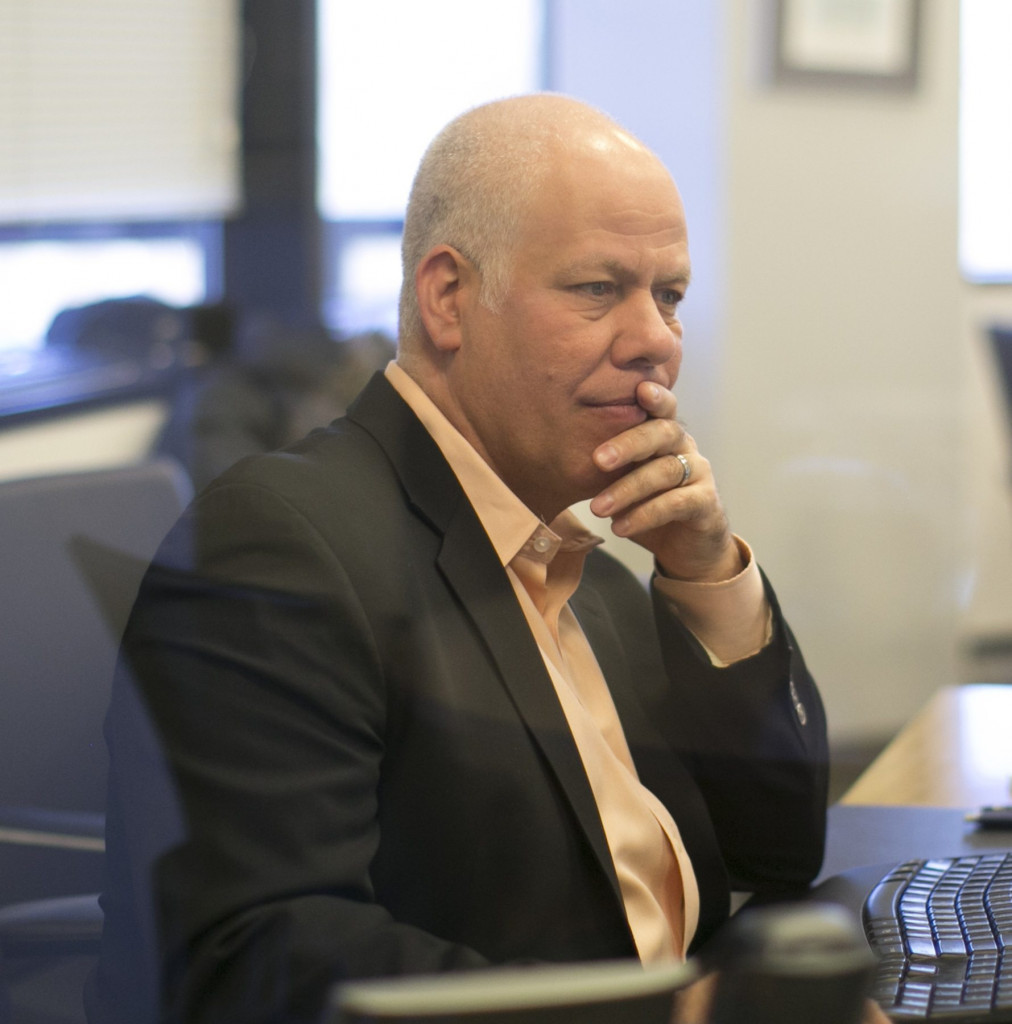
“We still work with some ISOs,” Landsman said. “We consider the ISO channel as an important one, but we are quite picky.”
Yalber offers small businesses up to $500,000 and so far it has provided more than 5,000 businesses with over $300 million in working capital.
From its original office in New Jersey, which since moved to New York, Yarber now has offices in Dallas, Los Angeles, San Francisco and London. Most of the company’s 30 employees are based in New York.
With an emphasis on making the application process simpler and faster, and all online, what is the value in having multiple offices?
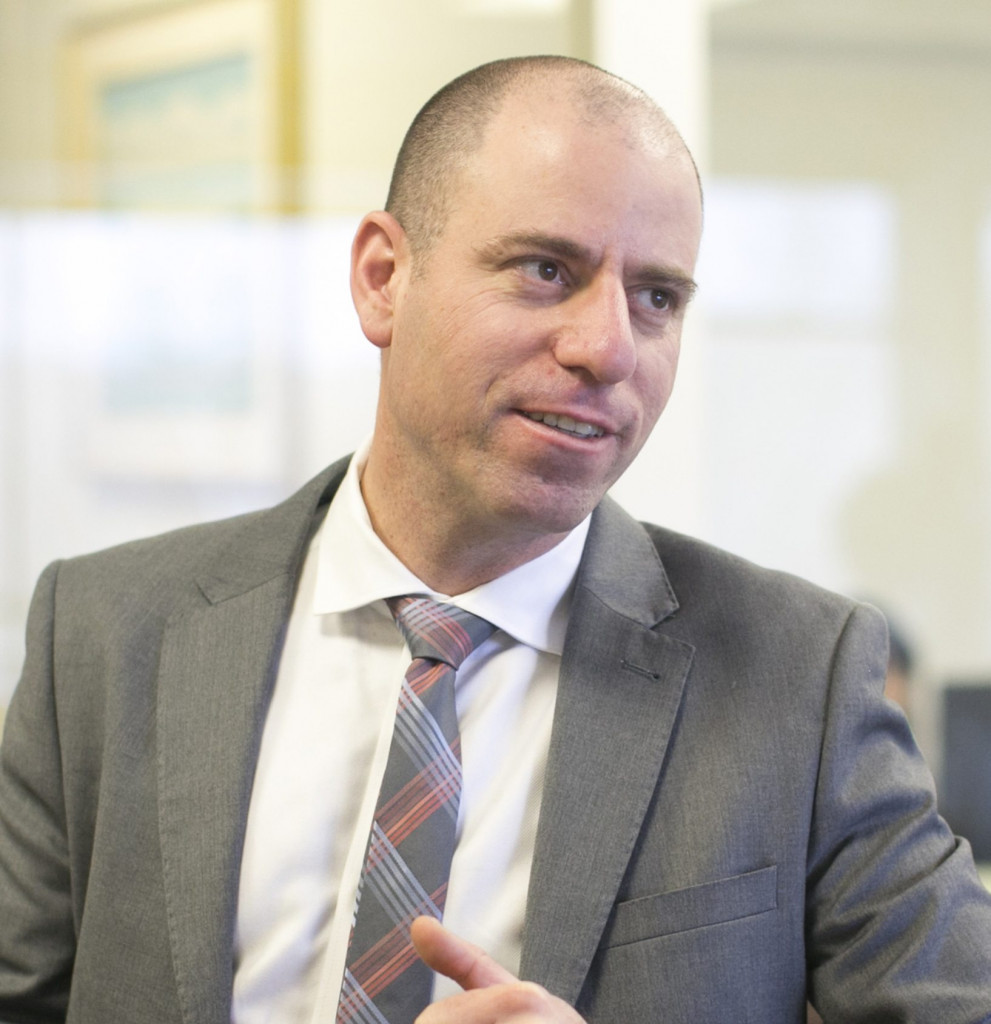
Landsman told deBanked that by better understanding local business environments, they can make better credit decisions. And having a local office also gives merchants more comfort, knowing that they can speak to someone familiar with their area.
In the decade since Yalber started in the MCA business, CTO Nir Goshen noted how much the industry has grown.
“When I started with Google AdWords [in 2007], when I searched ‘Merchant Cash Advance,’ Google said ‘too little traffic.’ Today, it’s one of the most expensive ad words. The only one I can think of that’s more expensive is ‘insurance.’”
Yalber’s $20 million financing was raised by Brean Capital.
deBanked Connect – Miami (Recap)
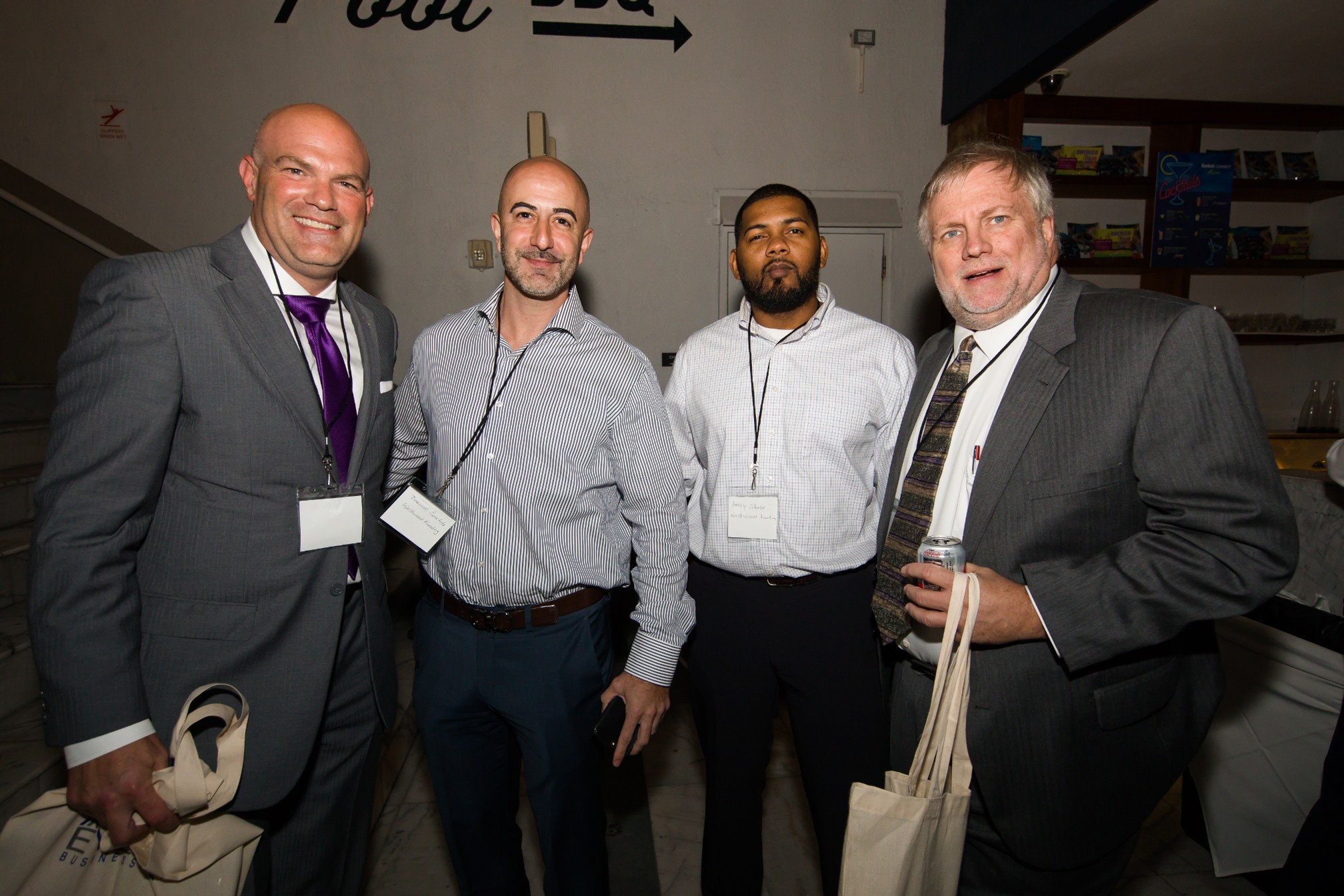
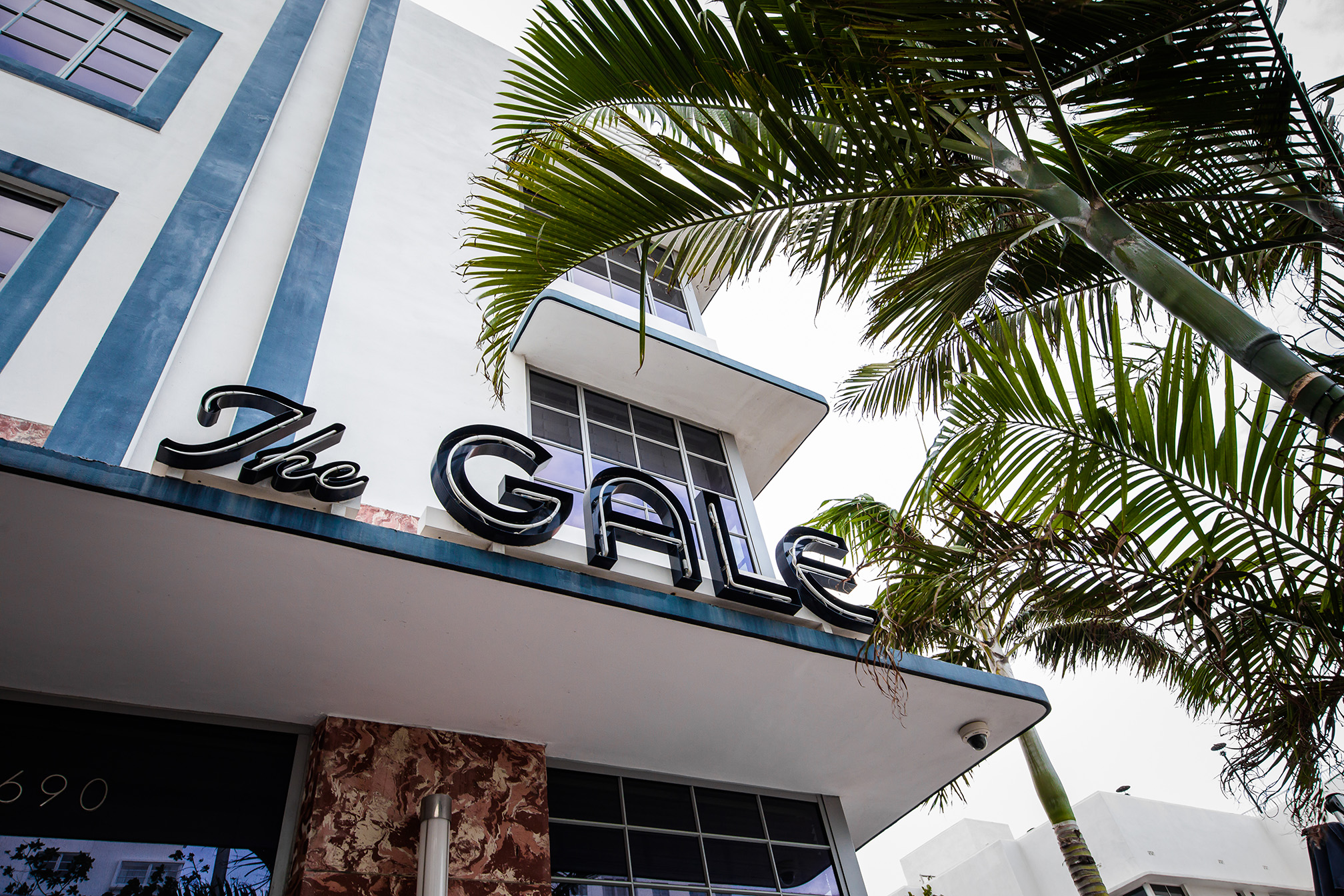
January 30, 2018Thank you to everyone who attended our cocktail networking event in South Beach last week. It was a great opportunity for funders, lenders, brokers and others in the industry to connect with each other (many for the first time ever). Thank you again to Everest Business Funding, National Funding, Knight Capital Funding, NISO, Grand Capital Funding, and Venture Credit Solutions for sponsoring.
Below is a sample of our photos from the evening. If you attach any of your own on social media, please use #debankedconnect so that we can find them.




























































READY FOR AN EVEN BIGGER & MORE COMPREHENSIVE DEBANKED INDUSTRY EVENT?
BROKER FAIR IS COMING MAY 14, 2018
TO BROOKLYN, NY

JOIN FUNDERS, LENDERS AND BROKERS FOR THE INAUGURAL CONFERENCE
LEARN MORE HERE
CHECK OUT THE BIG NAMES SPONSORING BROKER FAIR 2018
BFS Capital’s Marrache on Canadian Small Business Landscape
January 28, 2018
It’s been about five months since Michael Marrache took the reins as CEO of BFS Capital. He spoke with us then about the company’s algorithmic solutions, ISO relationships and product pipeline. He recently took some time to talk with deBanked about the key themes in the Canadian market in 2018 – from minimum wage, to the impact of US tax reform on the Canadian economy, to ISO opportunities — and BFS Capital’s role there.
deBanked: When did BFS Capital begin operating in Canada?
Marrache: BFS Capital funded its first loan in Canada in 2012. Traditionally, we have approached Canada’s market via our partner channel, both US and Canada based. We plan on increasing that effort in 2018.
deBanked: Is Canada a market that BFS Capital recognizes as growing?
Marrache: Canada is a growing market for BFS Capital, though our non-US markets, including Canada and the UK, currently represent less than 20% of our global $300 million in financings. We see significant upside in both Canada and the UK in the next 12 months.
deBanked: What are the themes as you see them for Canadian small businesses and BFS Capital in 2018?
Marrache: There might be more insecurity among Canadian small businesses this year. The 2018 minimum wage increase to $14 an hour in Ontario, expected to rise again in 2019, for example, might cause some small businesses to have to cut hours or reduce staff to make up for the expense. They may have to raise their prices, which could impact demand.
Additionally, recent policy and legislative changes in the US could also impact Canada. For example, tax reform in the US, specifically a reduction in the US corporate rate, will put the US on par with Canada in terms of tax rates and similar burdens. At the same time, US regulations are being reduced while Canada’s appear to be increasing. All of this is part of the current US government’s initiative to drive domestic business growth and we are not sure how it will affect Canada’s economy, business confidence and consumer spending.
The Canadian dollar is also forecast to remain weak and might continue to fall for a while longer. With US tax reform potentially boosting the economy here, the US Fed is likely to raise interest rates, which might reduce demand for the Canadian dollar. The CAN$ could further slide if Bank of Canada cuts rates again. [Scotiabank]
At the core, however, Canada has 1.1 million small businesses. Not a small number. There were more than 350,000 small businesses created in Canada in 2016 and 42% of job creation in the country in the past decade stemmed from firms with fewer than 100 employees (CIBC Capital Markets). These businesses need working capital for a variety of needs related to their everyday business and, importantly for where we fit in, it has traditionally been difficult for small businesses to obtain financing from banks.
BFS Capital financing has come into the mainstream because it’s more accessible than a bank loan, less expensive than equity, and less risky than bootstrapping. Our financing solutions also require less commitment than taking on a partner or getting venture capital. Moreover, the few big banks in the market have tended to shy away from small businesses, so we have seen an opportunity with our ISO partner-base and directly, for our lending solutions.
Today small businesses in Canada can get the money in their account in just a day or two and there are a variety of products with different rates and payment options. As the market in Canada gets more competitive the rates will continue to go down.
deBanked: The last time I spoke with you, you talked about automated solutions, transparency tied to ISOs and company culture. Are these at the forefront of the Canadian business as well? Explain.
Marrache: Yes. These initiatives are embedded in the company strategy at the top. We believe speed is required but not sufficient; the company must lead with a culture of service and transparency. We are also investing in data science to improve risk profiling and process efficiencies for every partnership and every financing, including in Canada. These initiatives have been instrumental to our strengthened partnerships in the US and we expect these to benefit our Canadian partners as well.
deBanked: Can you provide any illustration of the number of Canadian merchants on the BFS Capital platform or the amount in loans or MCAs you’ve deployed in the country?
Marrache: Although at a more modest volume than our business in the US, since entering the Canadian market in 2012, BFS Capital has achieved originations growth of approximately 100 percent on a compounded annual growth basis.
Sorodo’s Co-Founder: Alternative Financing Options ‘Unknown’ Amongst the U.K.’s Small Business Community
January 25, 2018Are small businesses across the pond aware of their alternative financing options? Manchester’s Sorodo Limited, a merchant cash advance company, feels that the word has far from spread.
“We still have some way to go, as the product is still fairly unknown to the wider business community,” co-founder Rich Wilcock said via release earlier this month while discussing merchant cash advance alongside other non-traditional avenues. “We spoke to a lot of business owners in 2012 and 2013, and they were understandably frustrated by their situation. Many who were declined for traditional forms of finance by their banks didn’t look any further, which is why it’s so important we get the message out about alternative funding options, such as peer-to-peer lending, cash advances, crowdfunding, unsecured borrowing and so on.”
Wilcock labeled awareness of the merchant cash advance option and other alternatives at the dawn of 2018 as “disappointingly low.”
Typical Sorodo Limited customers include owners of hotels, restaurants, cafes, pubs, clubs, bars, independent shops (including e-commerce stores), convenience stores, beauty salons and garages.
“In 2014, the average independent retailer was struggling to stay open, let alone turn a profit,” said Wilcock. “Many shops, hotels, restaurants and leisure outlets closed down, but we knew this product had the ability to not only keep businesses trading but also to help them grow.”
After promoting the lending alternative and seeing growth in Sorodo’s business, Wilcock believes that there is still significant amount of campaigning left to do. Thus, Sorodo Limited is expanding it’s offerings with a new platform called Capalona.
The newcomer is designed to help U.K. business owners find alternative solutions besides merchant cash advance that may serve their individual needs better.
“The term ‘alternative business finance’ covers a variety of new funding models that allow businesses to access funds that are not readily offered by traditional lenders,” said Wilcock. “These include products such as asset-based lending, invoice finance, venture capital, pension-led funding and many more.”
Capalona, which is currently up and running, is also based in Manchester.
Jersey City is Quietly Becoming a Fintech Hub
January 11, 2018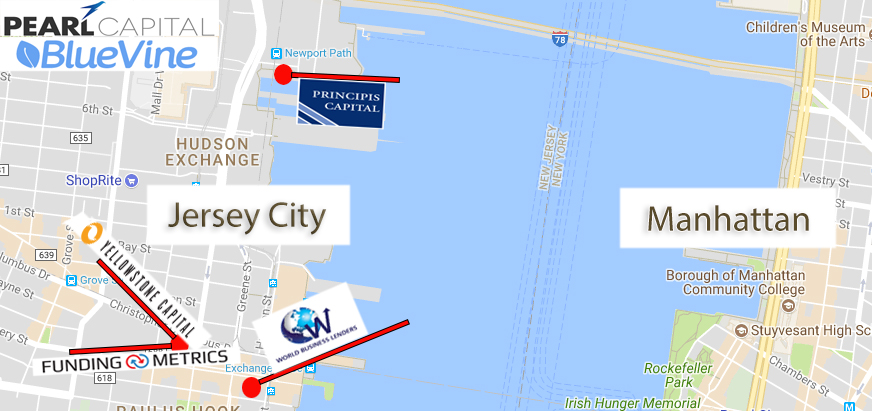 Jersey City is luring yet another innovative small business finance company to their community. This time it’s NYC-based Pearl Capital. According to NJ state records, Pearl was approved on January 9th for a total of $5.6 million over 10 years to relocate under the Grow NJ tax program to boost jobs in the area.
Other finance companies that have relocated to Jersey City, thanks to Grow NJ, are Yellowstone Capital, World Business Lenders, and Principis Capital. But that’s not all, companies like BlueVine and Funding Metrics have also set up operational centers there.
We do not yet know what address Pearl intends to move to.
What’s Lending Got to do With Cryptocurrency?
January 10, 2018 Facebook and Snapchat might be the last things that employees are being distracted by these days. Instead it’s Coinbase and Blockfolio, two cryptocurrency apps, that are quickly stealing the attention of young finance professionals. And the interest in Bitcoin, Ethereum and alt coins is causing some in the industry to wonder if the phenomenon can somehow be connected to online lending and merchant cash advance.
A meetup hosted by partners of Central Diligence Group (CDG) on Tuesday night in NYC, for example, was geared towards cryptocurrency enthusiasts. CDG is a merchant cash advance and business lending consulting firm. Those that attended, talked candidly about Ripple, Bitcoin, Ethereum, and the hot topic of Initial Coin Offerings (ICOs). And it did seem all connected. Companies successfully raised more than $3 billion through ICOs in 2017, for example, some of them online lending companies.
 ETHLend and SALT, blockchain-based p2p lenders, each raised $16.2 million and $48.5 million respectively through ICOs. What’s more, their crypto market caps currently stand at $325 million and $754 million respectively. The latter is nearly twice as valuable as online lender OnDeck. The founder of Ripple, meanwhile, briefly became one of the richest men in the entire world.
Whether these valuations are overdone is besides the point. A smart phone is all that’s required to get in on the action and trade thousands of cryptocurrencies online, many of which move up and down by astronomical percentages over the course of a day. Becoming a millionaire overnight by hitting on the right one is a dream sought after by many. And young people, especially millennials, are become unconsciously comfortable transacting in non-government-backed currencies through technology that completely shuts out banks.
And that may be the shift in all of this to pay attention to. It isn’t that a local restaurant is going to collateralize their Bitcoin to get a loan and outcompete an MCA company, but that a portion of the monetary system eventually starts to sidestep banks.
Trying to collect on that judgment? Good luck tracing the money in cryptos.
Need to freeze funds? You can’t freeze someone’s Bitcoins if they’ve got them stored on their own hardware.
Evaluating a business’s bank statements? The transactions can only be verified on a blockchain.
You might not believe me, but it’s incredibly likely that you’ve encountered a client that has defaulted on an MCA or loan whose stash of money has been obscured in cryptos all the while their bank statements appear to show insolvency.
It’s also likely that you’ve encountered a client that has used the proceeds of their MCA or loan to buy a crypto. Maybe not the whole amount, but with some of it. One study, for example, revealed that 18% of people have purchased Bitcoin using credit. Bloomberg reported that the phrase “buy bitcoin with credit card,” just recently spiked to an all-time high.
People are even taking out mortgages to buy Bitcoin, according to CNBC.
If you think cryptocurrency is an industry completely independent of your business, consider that the market cap of cryptocurrencies is currently valued at more than $700 billion. That’s nearly twice the market cap of Goldman Sachs and JPMorgan, COMBINED. The #3 cryptocurrency by market cap, Ripple, is being pitched almost entirely to traditional financial institutions.
Bet all you want on the prediction that this bubble will burst. Maybe it will. But the underlying technology, transacting without banks in non-government backed currencies that may be difficult to trace and recover, is a genie that’s not returning to its bottle anytime soon.
In the meantime, now might be a good time to poll your employees or colleagues about their knowledge or use of cryptocurrency. You may be surprised by what you find, especially among the younger crowd.
——–
Disclaimer: I currently hold a material amount of Ether, the currency of the Ethereum blockchain.
In 2018, Sell More and Make More Money
January 4, 2018Did you hear about the MCA sales rep that made a $160,000 commission this week on a single deal? It was a monster deal, the largest ever approved by the company that funded it. Numbers like that are proof that facilitating commercial finance deals is still red hot.
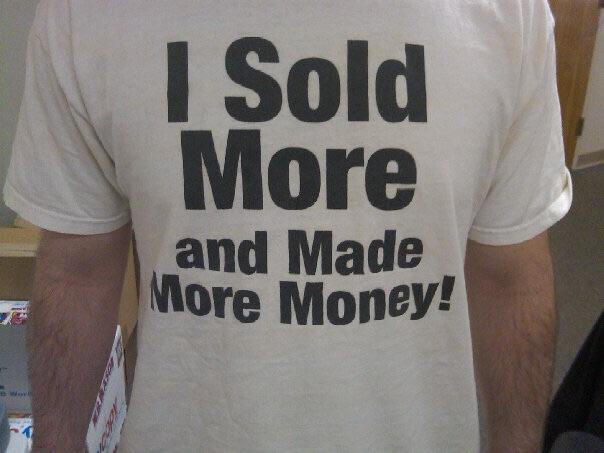
That’s me in that photo above, wearing that shirt back in 2009 when the industry was not even a fraction of the size it is today. Hat tip to the friend who found this. I used to joke about putting on your funding pants but perhaps in 2018 it’s time to put on a selling shirt too.
In 2018, will you sell more and make more money?
If you want to operate at the top of your game, I highly suggest you register to attend Broker Fair 2018. With 24 major sponsors already signed on, Broker Fair will be the place to learn, get inspired, and connect with the right people to do even more business.
May the next big commission check belong to you.