
Articles by deBanked Staff

Trump Attacks Bitcoin and Cryptocurrencies
July 11, 2019
President Trump revealed his stance on cryptocurrencies over twitter on Thursday, and he’s no advocate.
“I am not a fan of Bitcoin and other Cryptocurrencies, which are not money, and whose value is highly volatile and based on thin air. Unregulated Crypto Assets can facilitate unlawful behavior, including drug trade and other illegal activity. Similarly, Facebook Libra’s “virtual currency” will have little standing or dependability. If Facebook and other companies want to become a bank, they must seek a new Banking Charter and become subject to all Banking Regulations, just like other Banks, both National and International. We have only one real currency in the USA, and it is stronger than ever, both dependable and reliable. It is by far the most dominant currency anywhere in the World, and it will always stay that way. It is called the United States Dollar!”
I am not a fan of Bitcoin and other Cryptocurrencies, which are not money, and whose value is highly volatile and based on thin air. Unregulated Crypto Assets can facilitate unlawful behavior, including drug trade and other illegal activity….
— Donald J. Trump (@realDonaldTrump) July 12, 2019
….Similarly, Facebook Libra’s “virtual currency” will have little standing or dependability. If Facebook and other companies want to become a bank, they must seek a new Banking Charter and become subject to all Banking Regulations, just like other Banks, both National…
— Donald J. Trump (@realDonaldTrump) July 12, 2019
…and International. We have only one real currency in the USA, and it is stronger than ever, both dependable and reliable. It is by far the most dominant currency anywhere in the World, and it will always stay that way. It is called the United States Dollar!
— Donald J. Trump (@realDonaldTrump) July 12, 2019
New York Attorney General Turns Up The Heat On Tether, Bitfinex
July 9, 2019 Bitcoin is back over $12,500 but a growing chorus within the crypto faithful are pointing to a potential catastrophic event that could change the crypto markets forever.
It’s the potential implosion of Tether, a company spotlighted in a recent deBanked magazine story for its uncanny ability to create digital dollars out of thin air, and a new forceful response from the New York Attorney General’s Office over Tether’s attempt to weasel its way out of being investigated.
Specifically, Tether has raised several challenges to the OAG’s and New York Supreme Court’s jurisdiction, most recently through a motion to dismiss a formal investigation. The OAG, who believes the tactics are only being used to stall, wrote in papers submitted on Monday that “the delays must stop, and Respondents must produce the information they were originally directed to produce.”
The AG calls out Tether on its claims that its digital dollars (USDT) are fully backed 1:1 by real US dollars on deposit in a bank account, when in fact they are not. Additionally, they believe Tether is attempting to circumvent a court ordered injunction and is further bending securities laws in part by purportedly selling $1 billion of a new digital token to anonymous investors to cover losses that are already under investigation.
“This is an ongoing law enforcement investigation. The OAG is entitled to pursue it, without further impediment or delay,” they state in court papers, stressing yet again that Tether should no longer be allowed to delay the process.
Tether meanwhile, reportedly created another $100 million of USDT the same day the papers were filed. Should those funds be used to buy Bitcoin, Bitcoin’s value might continue to surge… in the short run.
Merchant Advance Capital Rebrands to Merchant Growth
July 3, 2019 Merchant Advance Capital, which trumpets itself as Canada’s fastest and most transparent small business financier, is rebranding as Merchant Growth.
The company has offices in Vancouver, BC and Toronto, ON and was founded in 2009.
“I founded our company out of my apartment 10 years ago,” David Gens is quoted as saying in a company announcement. Gens is the company’s president & CEO. “Back then our mission was simply to provide credit to small businesses, and we did that by providing one product, called a ‘merchant advance’. Today, we offer a comprehensive suite of financing solutions delivered with unparalleled convenience. In doing so, our mission has expanded to allowing business owners to achieve unconstrained growth, while reducing the administrative stress of running a business. As we’ve transformed our focus from one credit product to this far-reaching mission, we felt the need for our name to reflect this. We are Merchant Growth.”
Gens has been an oft-quoted source in deBanked over the years. His company closed on a $30 million debt facility last year with Comvest Credit Partners.
Gens is also speaking at deBanked CONNECT Toronto on July 25, 2019. You can register to attend at www.debankedcanada.com.
Canadian Lenders Association to Host Open Banking Summit on July 10th
June 27, 2019The Canadian Lenders Association will be hosting its Open Banking Summit on July 10th at Dentons Toronto. It begins at 8am and ends at 11am. This is the third in their event series, and will tackle topics in Open Banking and Big Data in Canada. They will discuss how the industry can best work toward an open data economy in Canada. Join the amazing panel of industry leaders.
The total cost to attend is CA$79.08. You can register here.


WATCH CAPITOL HILL HEARING LIVE: Crushed by Confessions of Judgement: The Small Business Story
June 26, 2019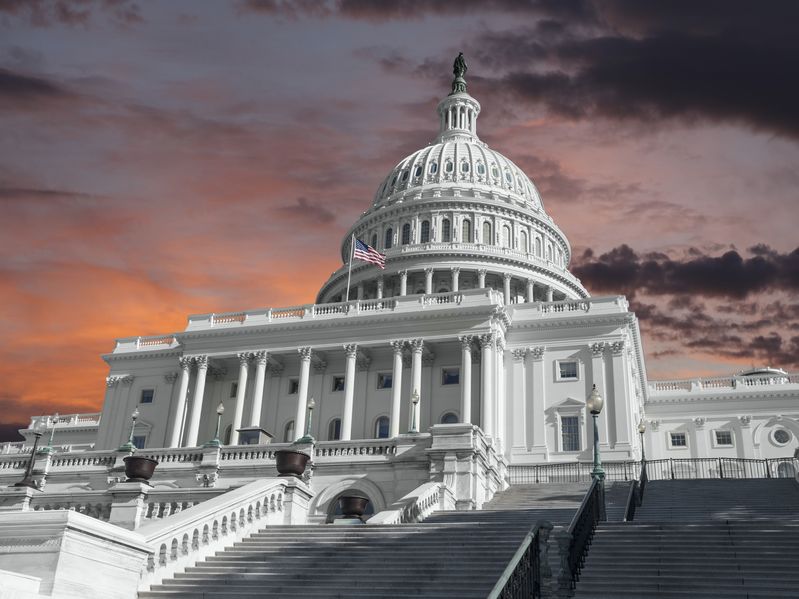 The House Committee on Small Business will meet for a hearing titled, “Crushed by Confessions of Judgement: The Small Business Story” today at 11:30am. This hearing is intended to bolster support for The Small Business Lending Fairness Act, a bill to outlaw COJs in small business loans and merchant cash advances nationwide. (Read more about this initiative here)
The hearing will be live streamed here when it commences.
The witnesses scheduled to testify include:
Mr. Hosea Harvey
Law Professor and Consumer Finance Law Expert
Philadelphia, PA
Mr. Jerry Bush
Former Owner of JB Plumbing & Heating of Virginia, Inc.
Roanoke, VA
Mr. Shane Heskin
Partner, White and Williams, LLP.
Philadelphia, PA
Mr. Benjamin R. Picker
Shareholder, McCausland Keen + Buckman
Devon, PA
As New Regulations Sweep The Industry, Find Out Where The Next Big Opportunities Are
June 25, 2019
Connect with peers, learn from the pros, and find out what the future holds!
SEC Secures Judgment Against Direct Lending Investments
June 20, 2019Without admitting or denying the allegations of the complaint, Direct Lending Investments, a defunct online lending hedge fund, consented to judgment by the SEC on Tuesday. They will be required to pay a disgorgement of ill-gotten gains, prejudgment interest, and a civil penalty that has yet to be determined.
Did You Watch the NY Assembly and Senate Vote LIVE?
June 19, 2019With Governor Cuomo’s signature, this law immediately prohibits the filing of COJs against non-New York State residents.
#NYSenate Bill S6395, sponsored by Senator @bradhoylman, passed 61-1 (unofficial). Relates to judgment by confession:https://t.co/ybRXsLfwUk
— New York Senate (@NYSenate) June 19, 2019