events
deBanked Chief Editor to Speak at IFA Fintech Class in Las Vegas
October 25, 2017deBanked President and Chief Editor Sean Murray will be speaking at an International Factoring Association (IFA) event on Thursday, October 26th at Planet Hollywood in Las Vegas. The event is a two-day class for factors on how to successfully compete against the world of fintech. This is the second year that the class has been offered.
The IFA was founded in 1999 to assist the commercial factoring community. Information on the event can be found on the IFA’s website.
Broker Fair 2018 – The Inaugural Conference for Merchant Cash Advance and Business Loan Brokers
October 5, 2017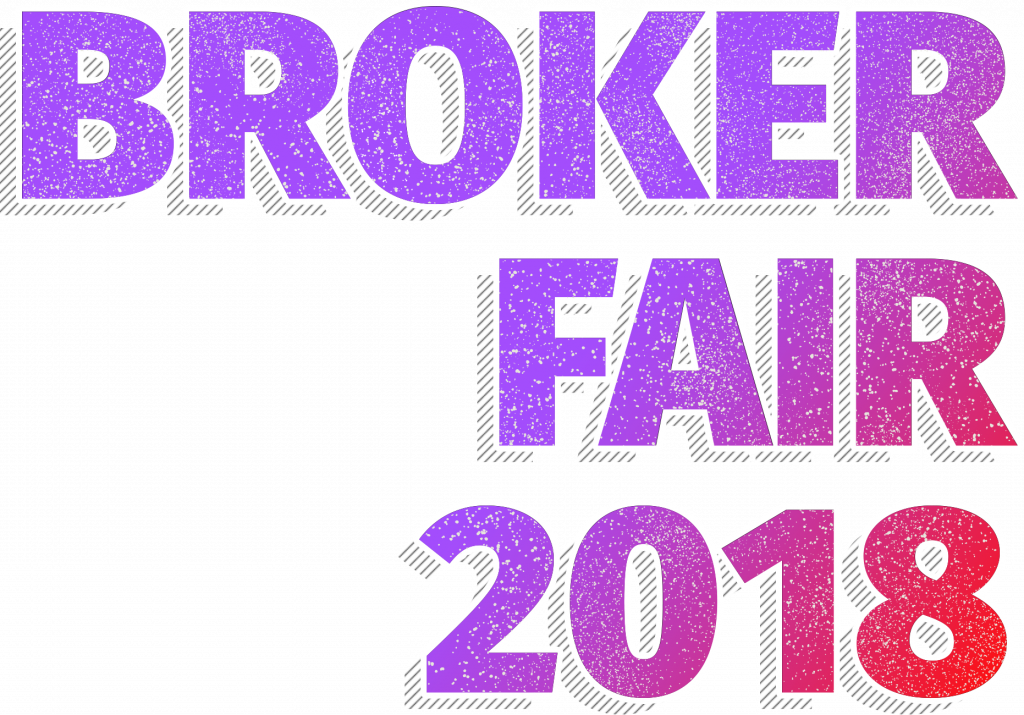 New York, NY – Foinse, LLC, in collaboration with deBanked, is excited to announce Broker Fair 2018, the inaugural conference for merchant cash advance (MCA) and business loan brokers. Broker Fair 2018 is being held at The William Vale in Brooklyn on May 14, 2018. It will be the largest gathering of MCA and business loan brokers in the country.
This exclusive one-day event in New York City’s most vibrant and creative corner will offer brokers, lenders, funders, and service providers opportunities to learn, connect, and grow their businesses.
Broker Fair founder and deBanked Chief Editor Sean Murray, said “Online business lenders, MCA providers, and independent brokers employ thousands of salespeople to connect business owners with sources of capital. There are numerous products, tools, and resources out there now but the landscape remains fractured. Through Broker Fair, I want to empower the salespeople, empower the brokers. They’re the ones on the frontlines with America’s small business owners. I’ve been covering this space for seven years and was actually an MCA broker myself prior to that. I know the industry. A lot of folks and companies want to be successful but I know that they also want to have a positive impact on their customers and the industry they’re a part of. I want to facilitate that and more at Broker Fair.”
The three central tenets of the conference will be education, inspiration, and opportunities.
Registration is already open at http://brokerfair.org/pages/register/
To become a sponsor or inquire about the benefits of sponsorship, contact info@brokerfair.org or call 917-722-0808. Event sponsors can be viewed at: https://brokerfair.org/sponsors/
About Foinse, LLC
Foinse, LLC is an events company and the owner of Broker Fair 2018. For more information, visit: https://brokerfair.org/
About deBanked
deBanked® is a registered trademark of Raharney Capital, LLC and is the name of a print and online publication that has covered alternative finance including merchant cash advance and online business lending since 2010. deBanked is a presenting partner of Broker Fair 2018. For more information, visit: https://debanked.com/
deBanked to Attend FundKite ISO Event at Met Life Stadium Nov. 2nd
September 29, 2017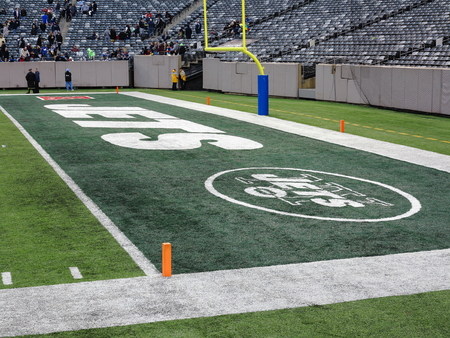 It’s unlikely the New York Jets will be dreaming of the Super Bowl come November 2nd when they play the Buffalo Bills, but MCA company FundKite is hosting a VIP event for select ISOs/brokers at Met Life Stadium in East Rutherford, NJ that day.
According to FundKite, sales reps that hit certain funding targets will be invited to join the actual football players on the field for the pre-game warmup. The company is also offering attendees 50-yard line seats and complimentary food and beverages.
The catch is that reps have to fund more than $150,000 or $300,000 with FundKite before October 26th. Reps outside the Tri-State area will be flown in, courtesy of the company.
deBanked’s Sean Murray will be in attendance.
For more information, contact FundKite at isorelations@fundkite.com
SOS Capital Offers Super Bowl Tickets As Part of Charity-Driven Football Contest
September 10, 2017 Think you’re good at NFL predictions? SOS Capital is offering anyone the chance to win Super Bowl tickets in their football eliminator contest. The entry fee is a $100 donation to the JJ Watt Foundation to support Hurricane Harvey flood relief in Houston, TX.
Pool Details:
- $100 Donation Entry Fee
- Winner Receives 2 Super Bowl Tickets- Courtesy of SOS Capital
- 100% of proceeds will be donated to JJ Watts Charity
- Unlimited Entries Allowed
- Kicks Off Week 2 of the NFL Season
- Deadline to enter is Thursday Sept 14th 2pm
Contact SOS Capital for details on how to join and donate. Call 212-235-5455 or email Charity@soscapital.com
I have already made my donation to the JJ Watt Foundation and joined. I hope to see many others of you in the contest!

deBanked Golf Outing 2017 Photos
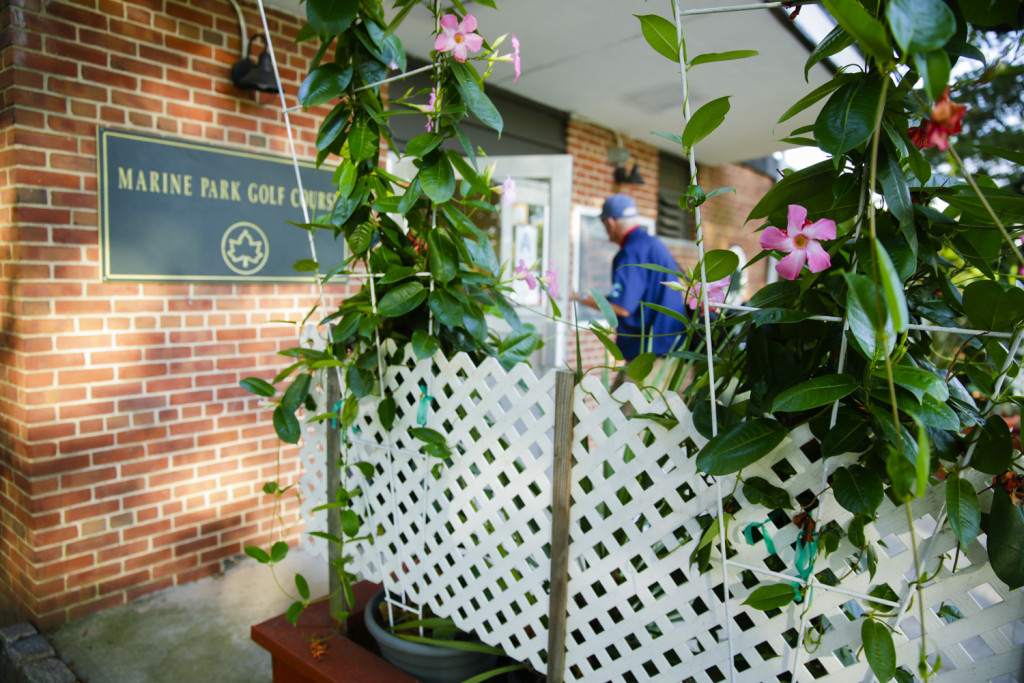
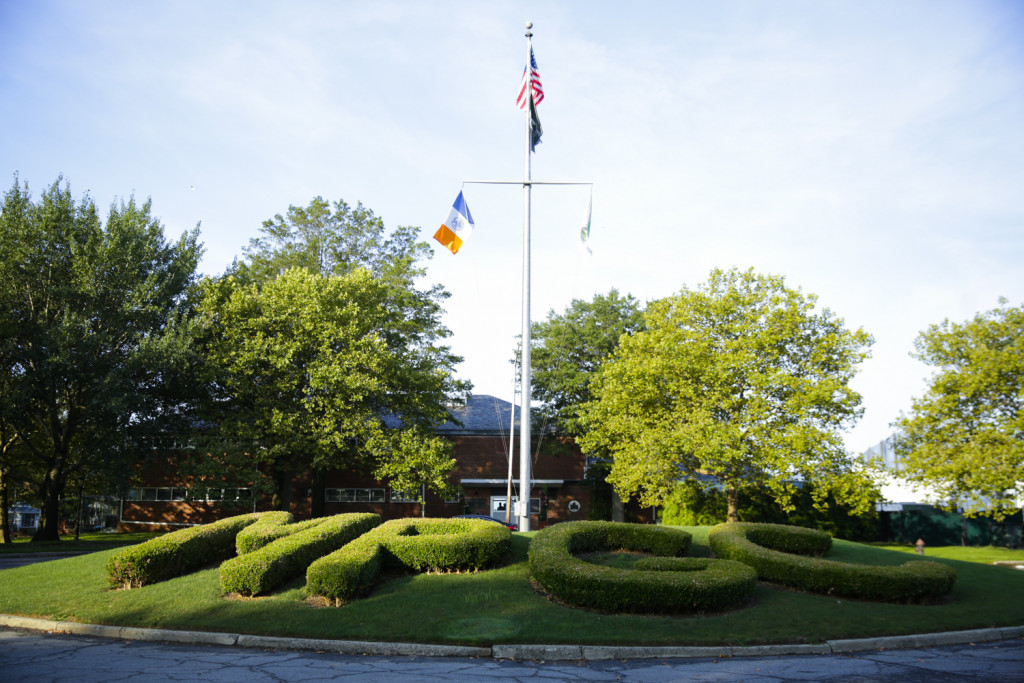
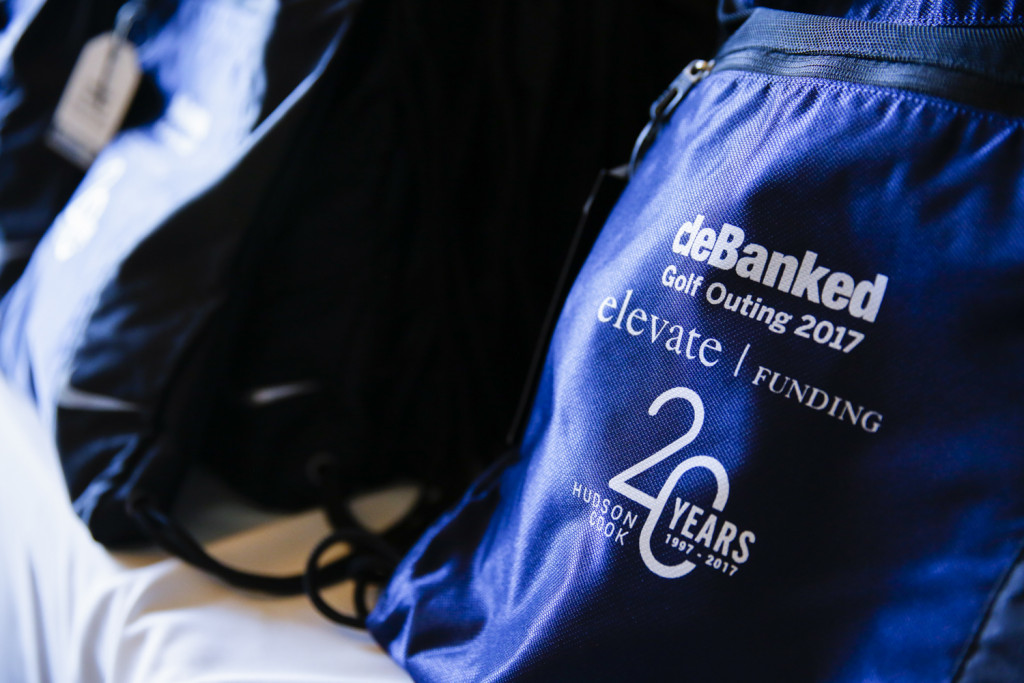
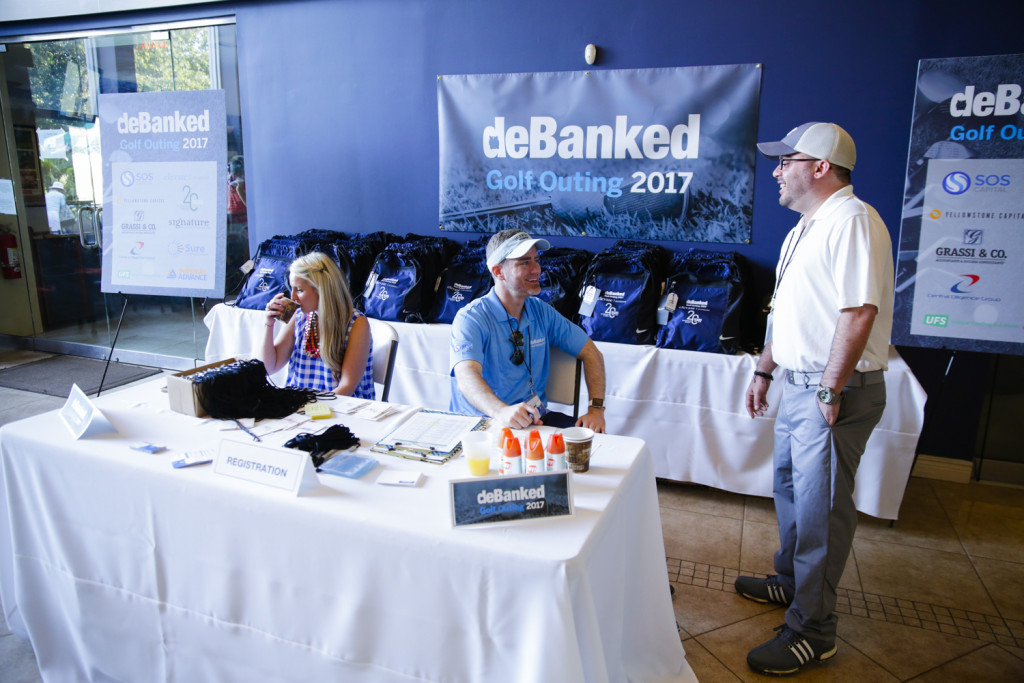
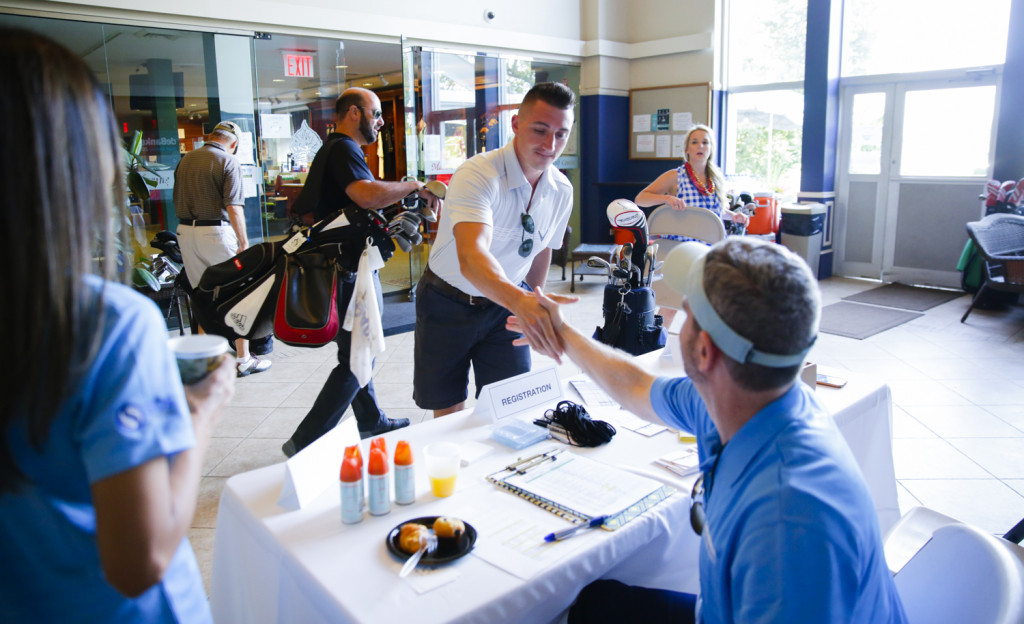
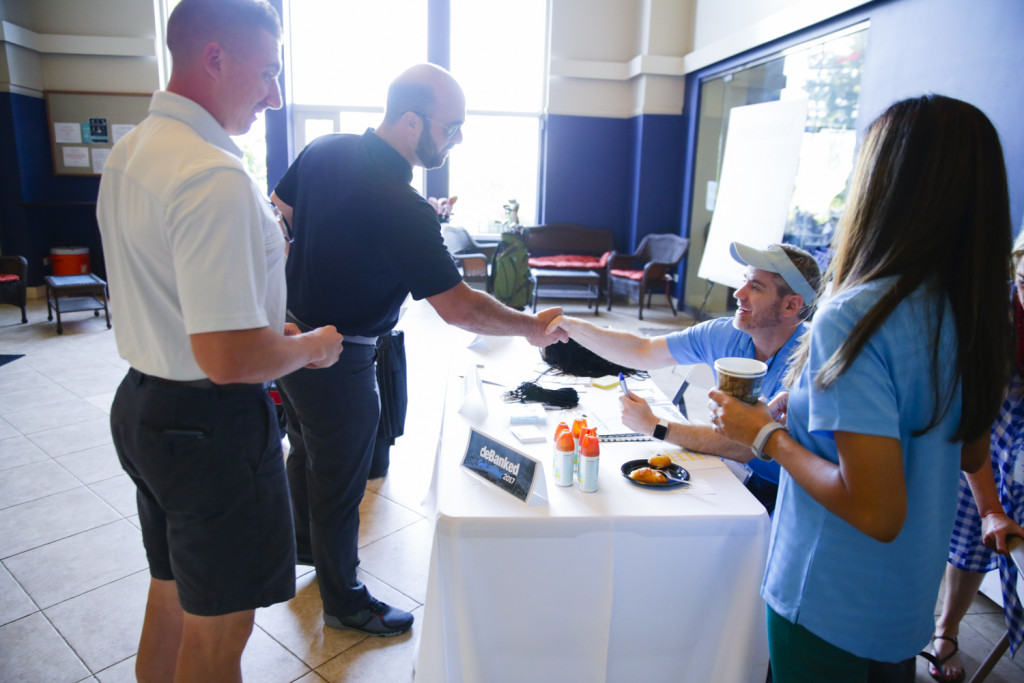
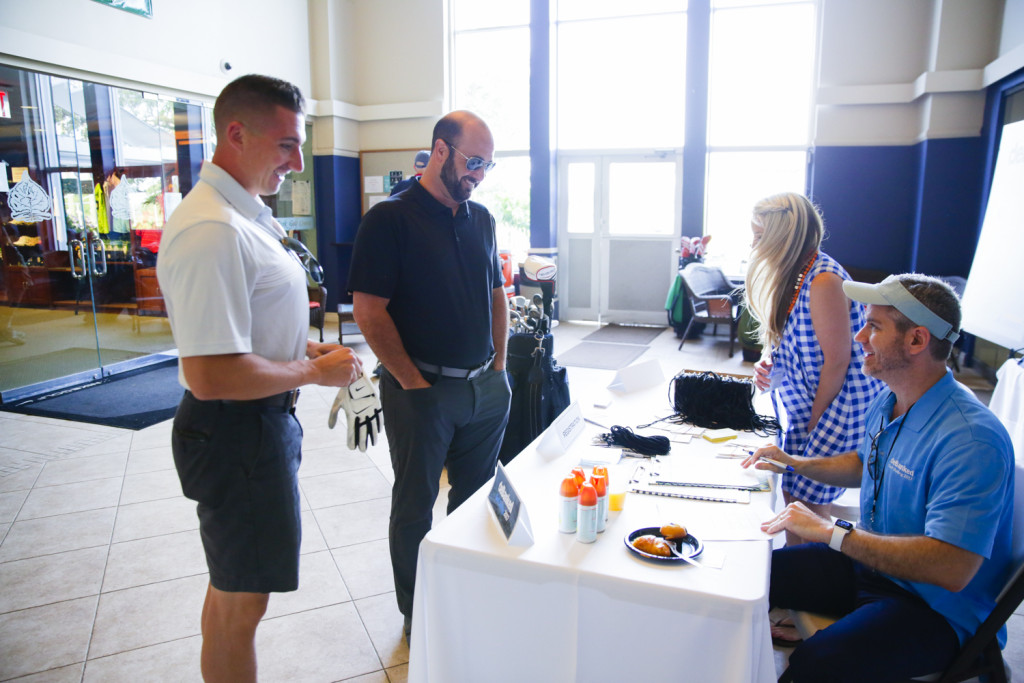
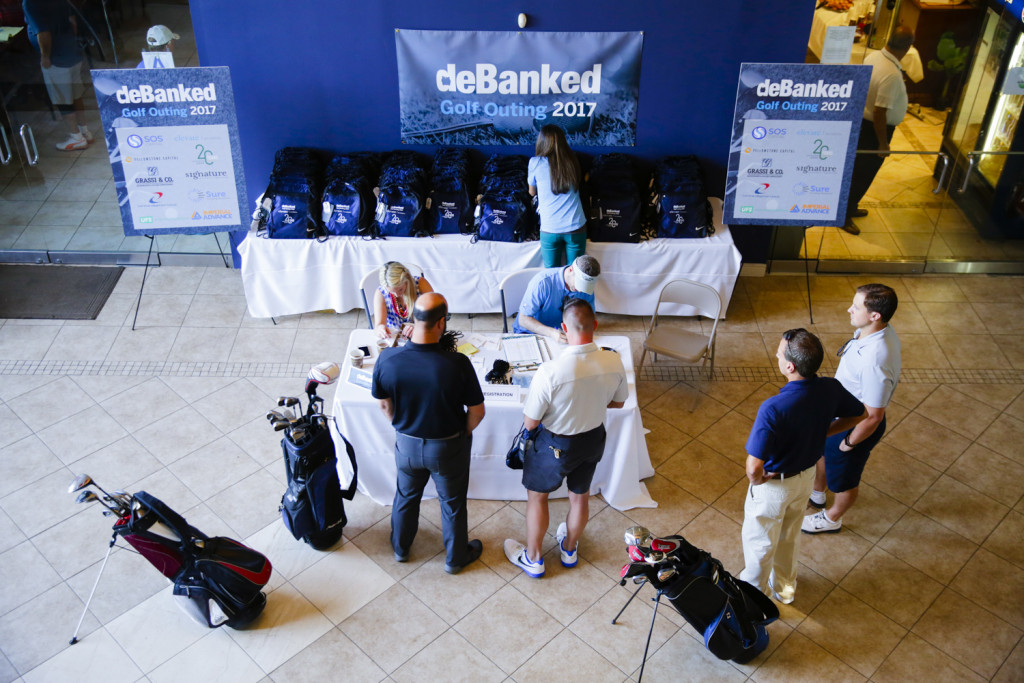
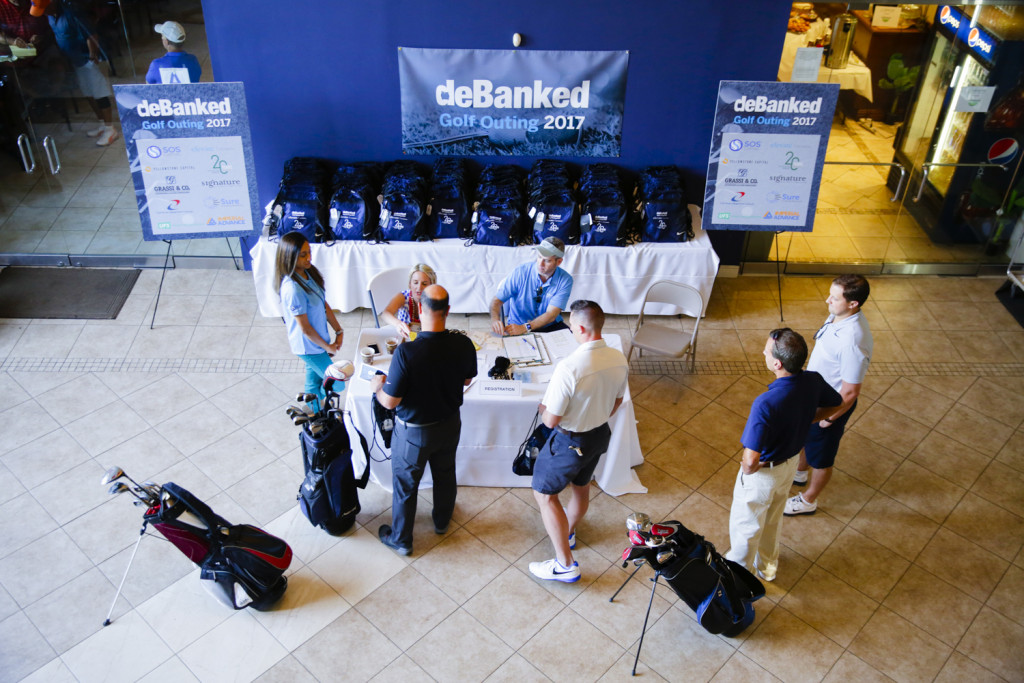
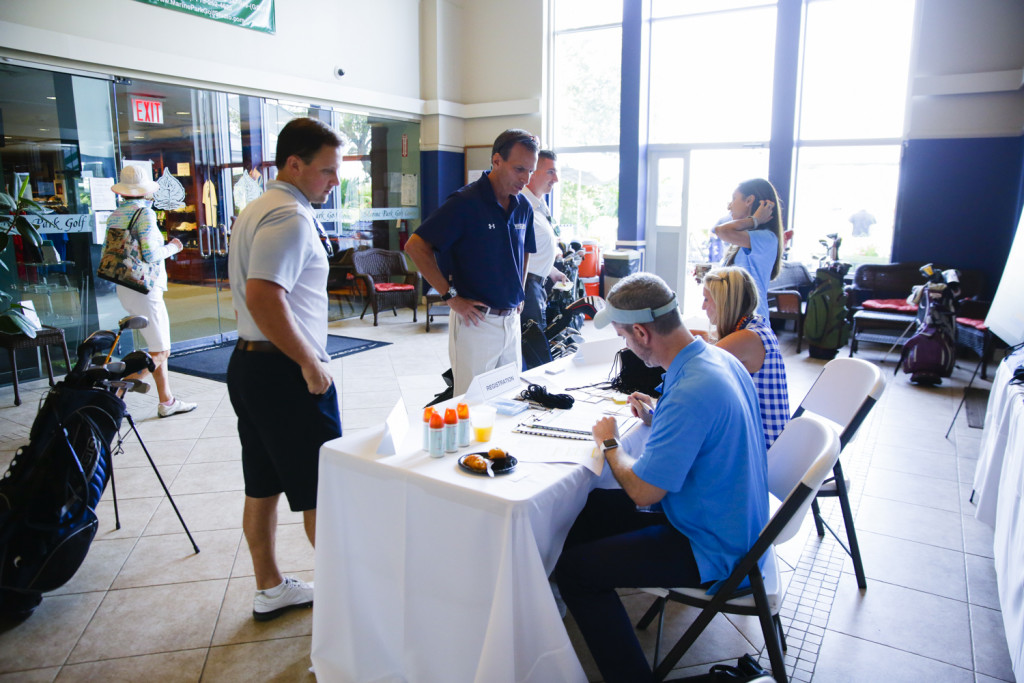
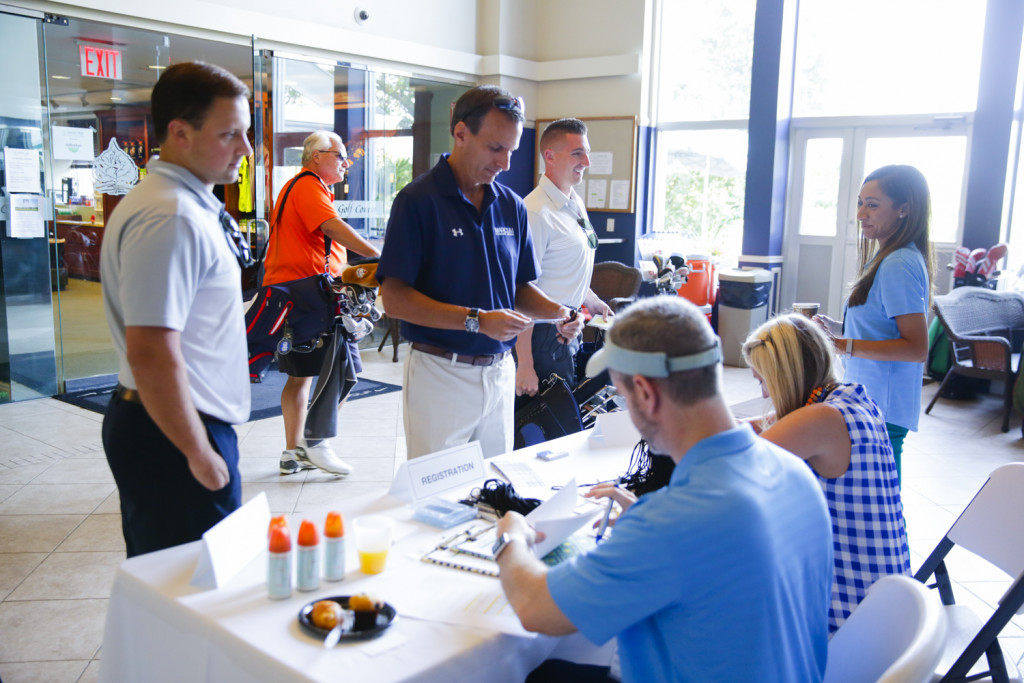
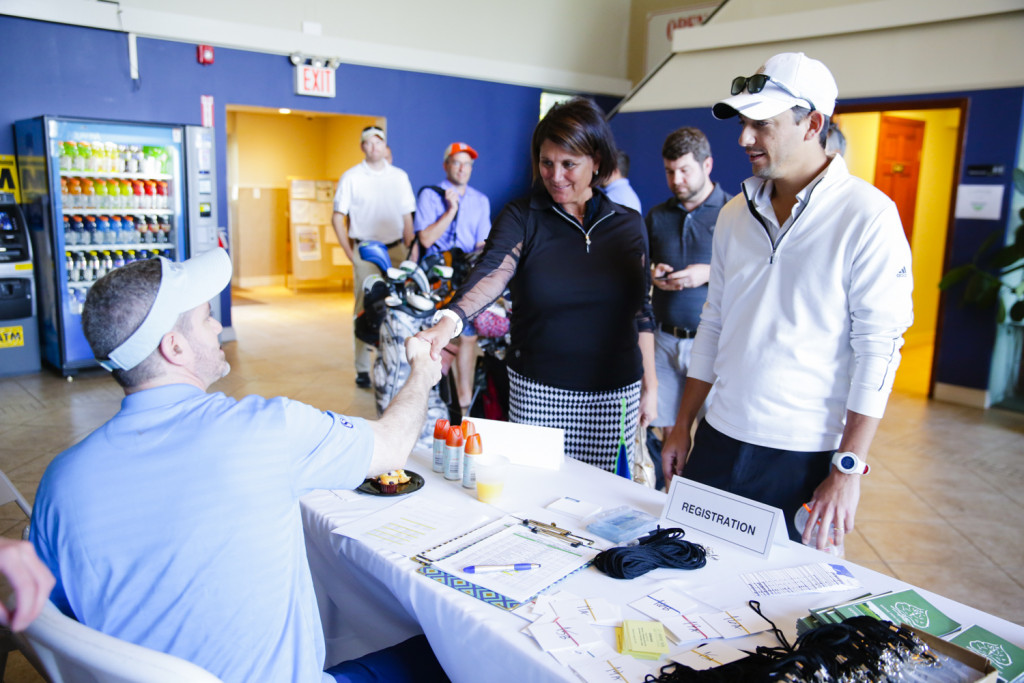
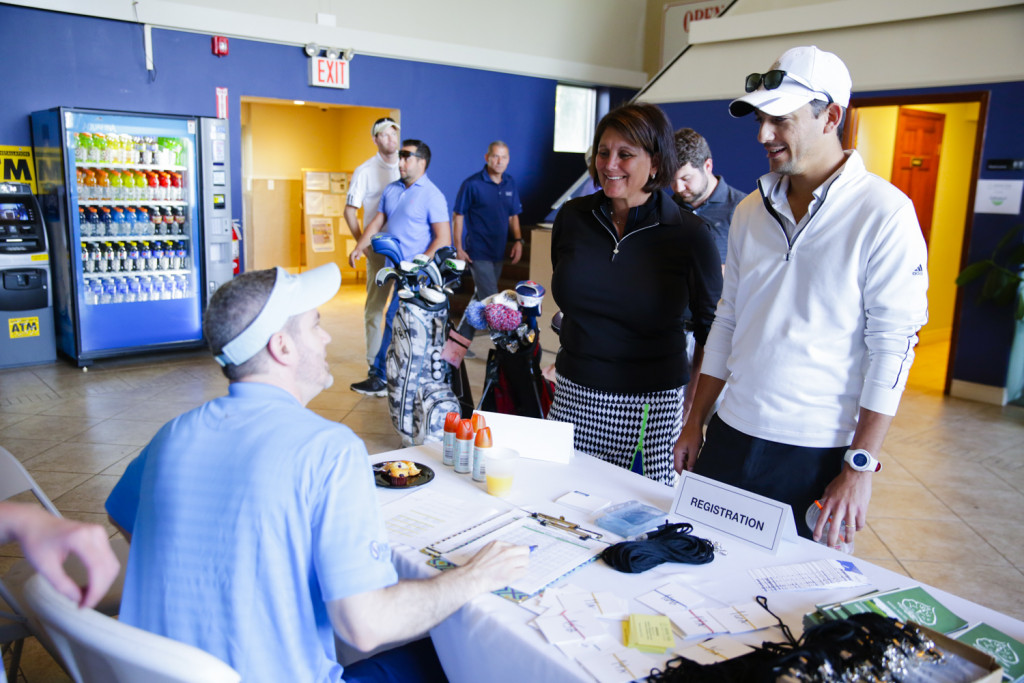
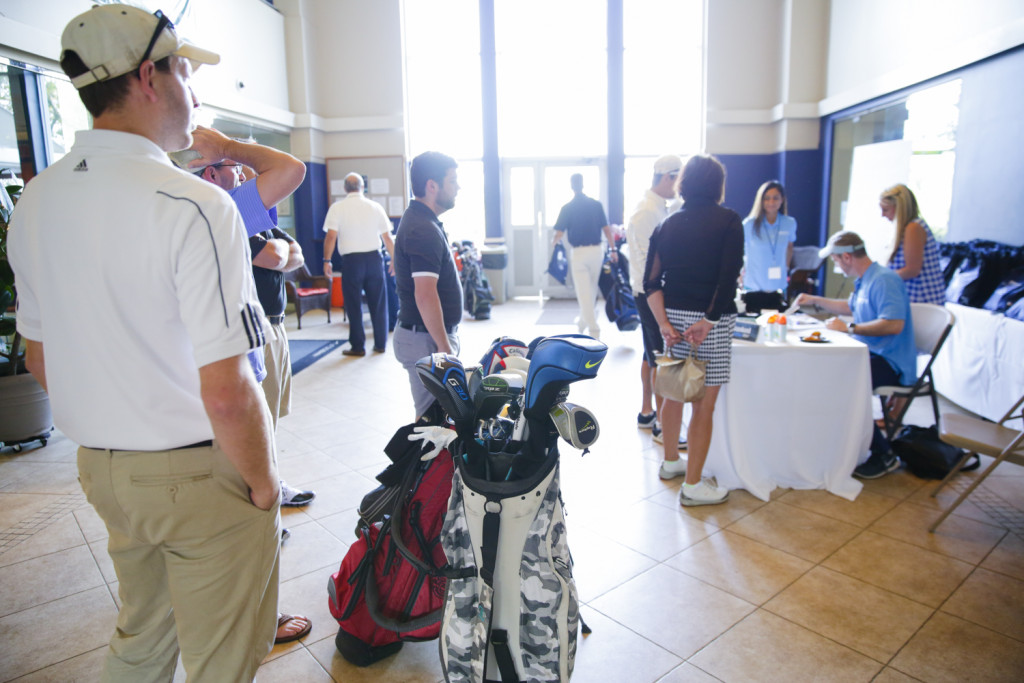
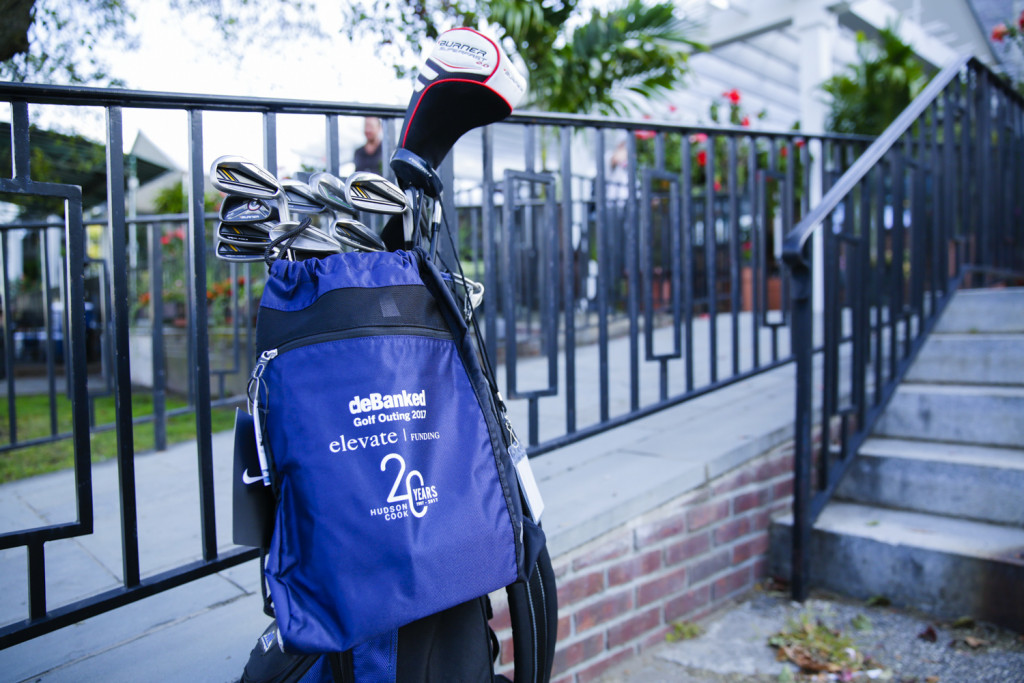
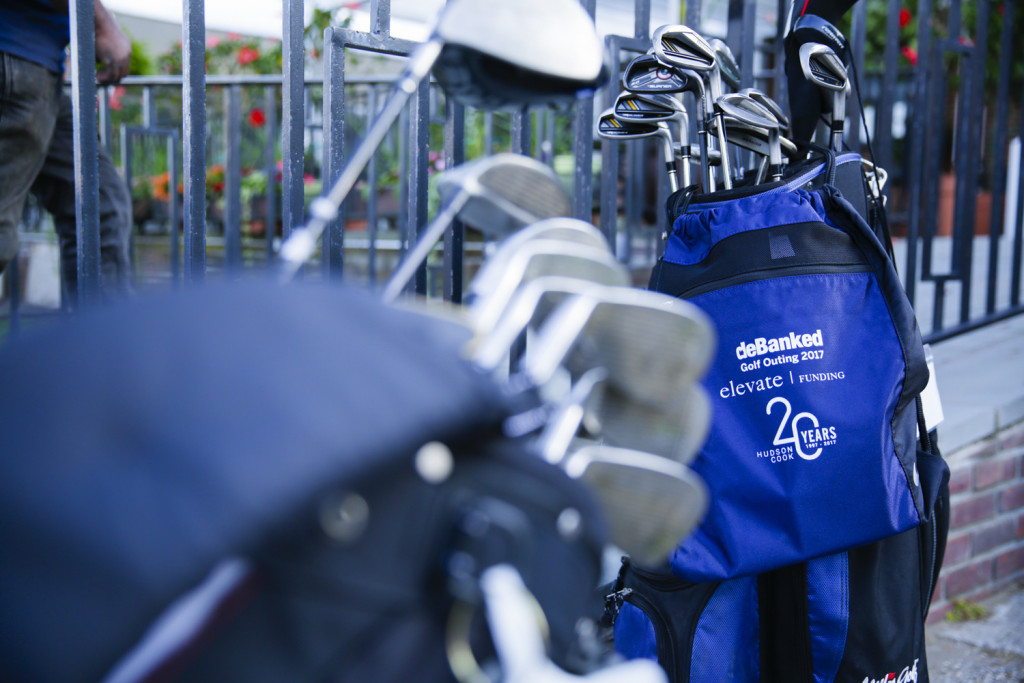
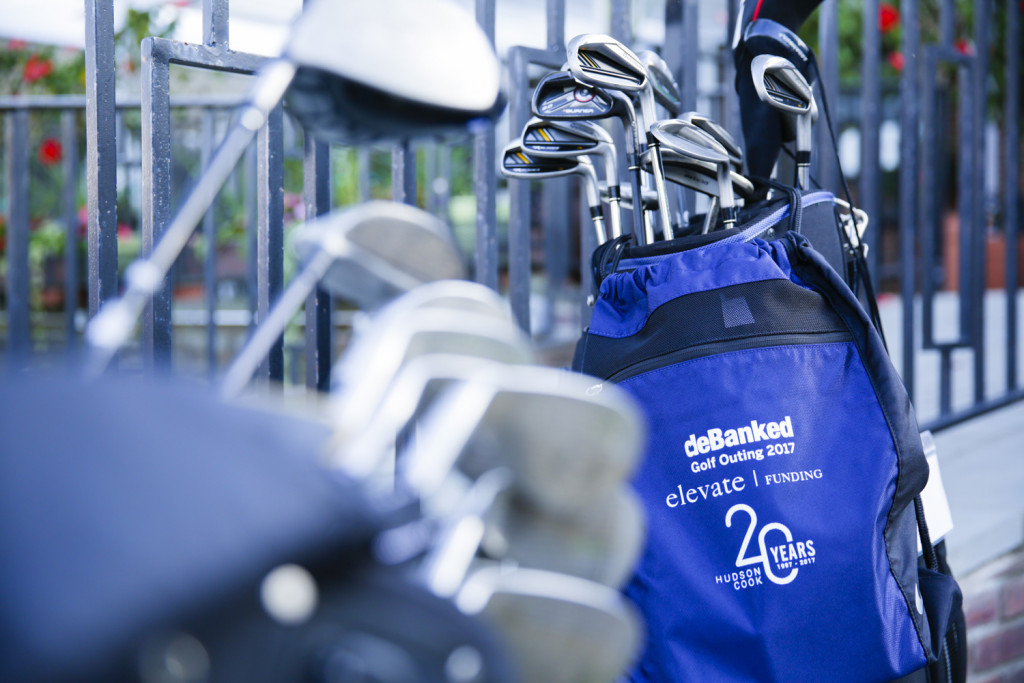
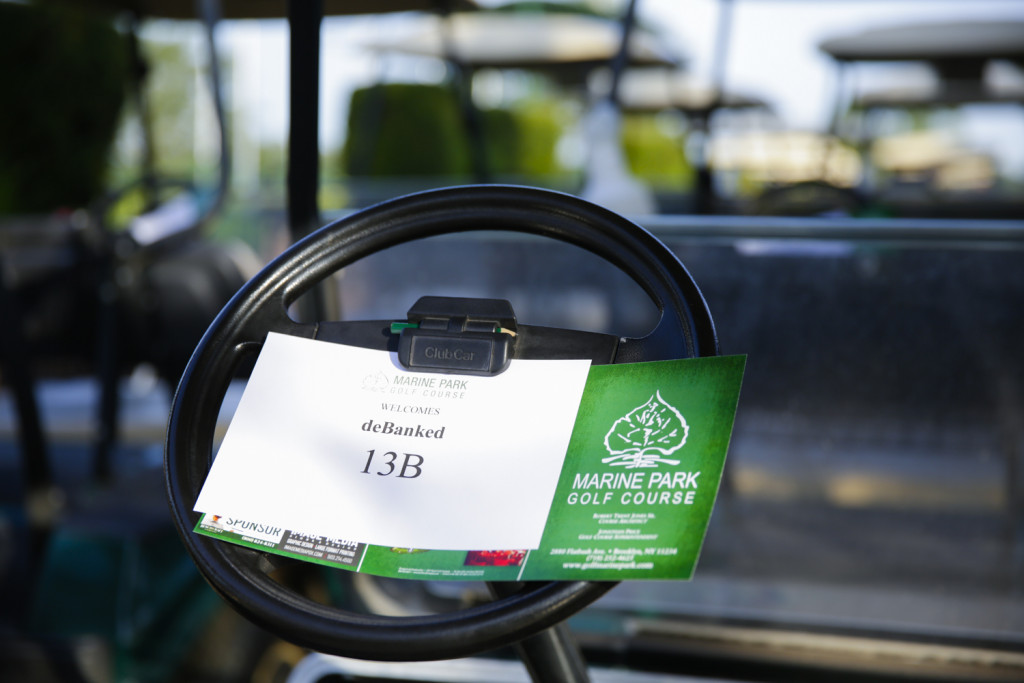
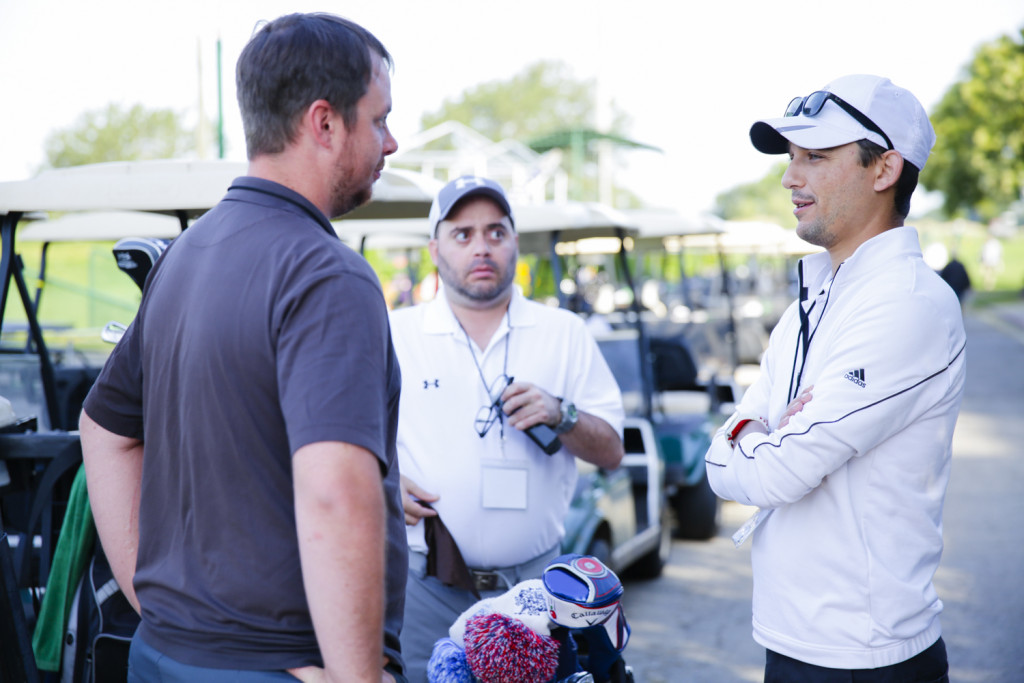
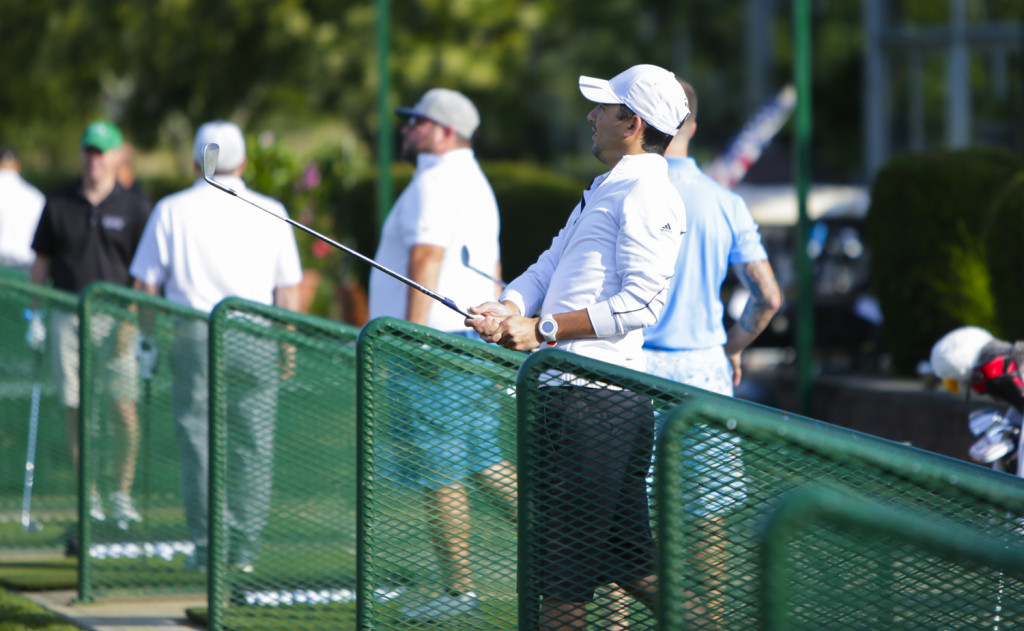
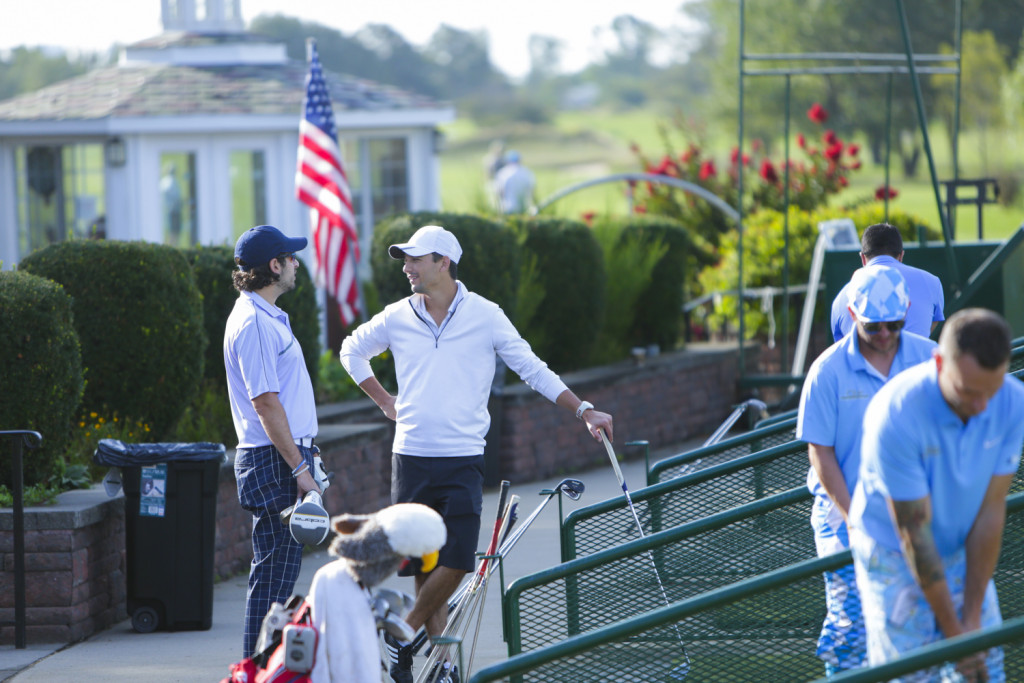
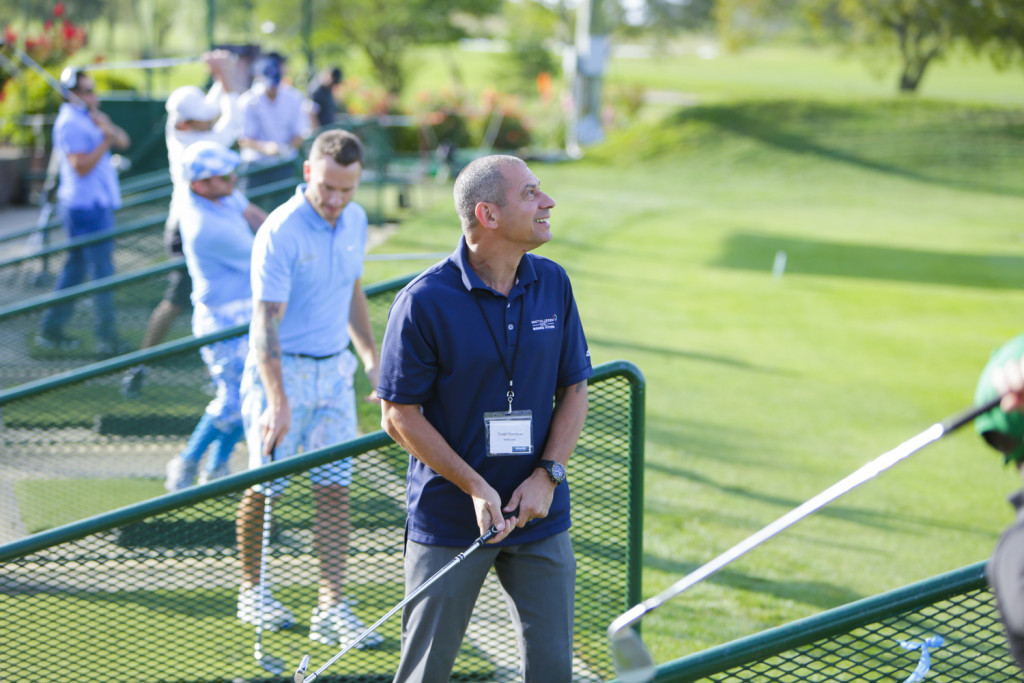
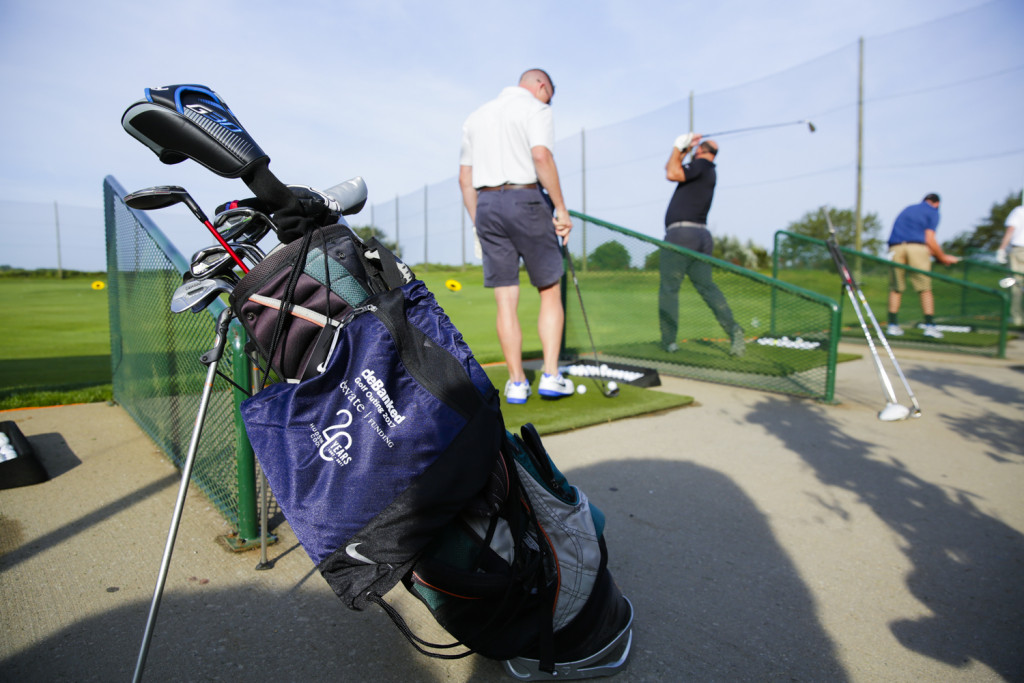
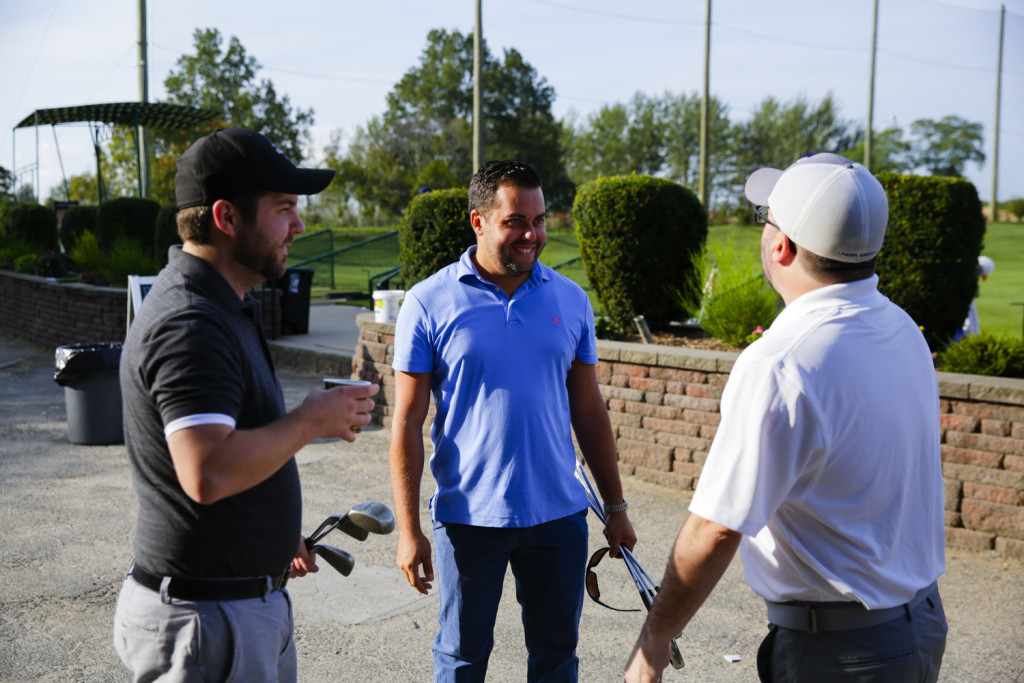
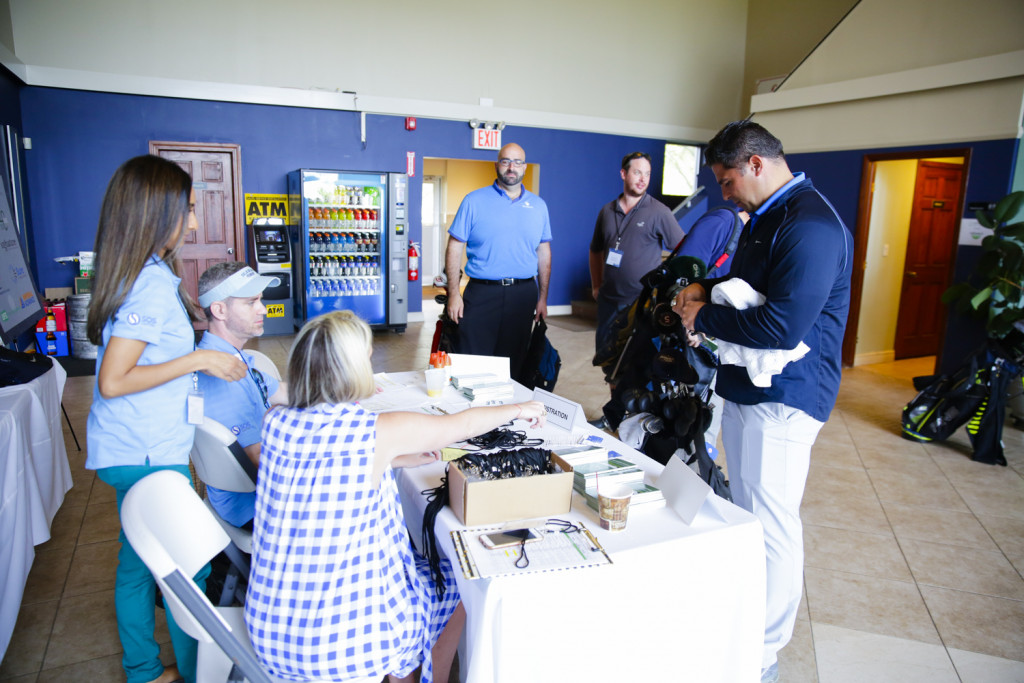
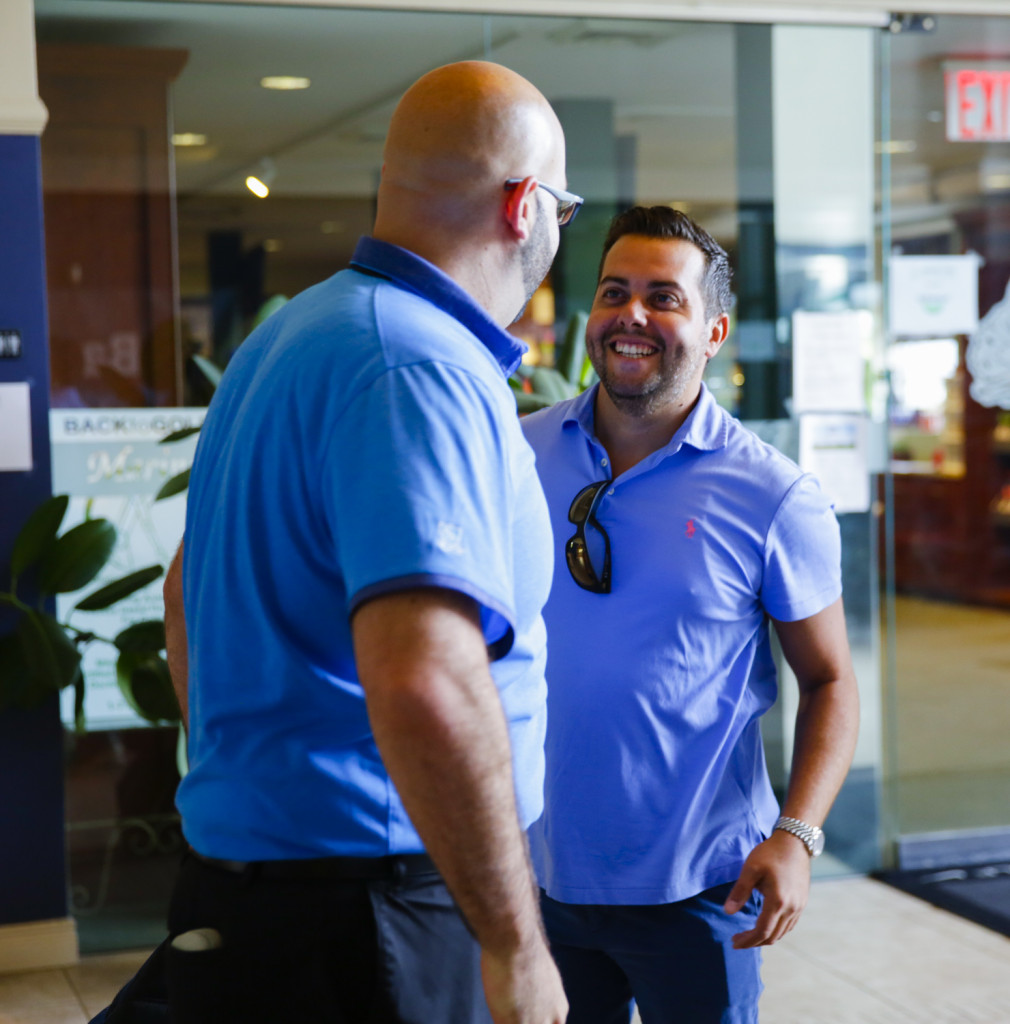
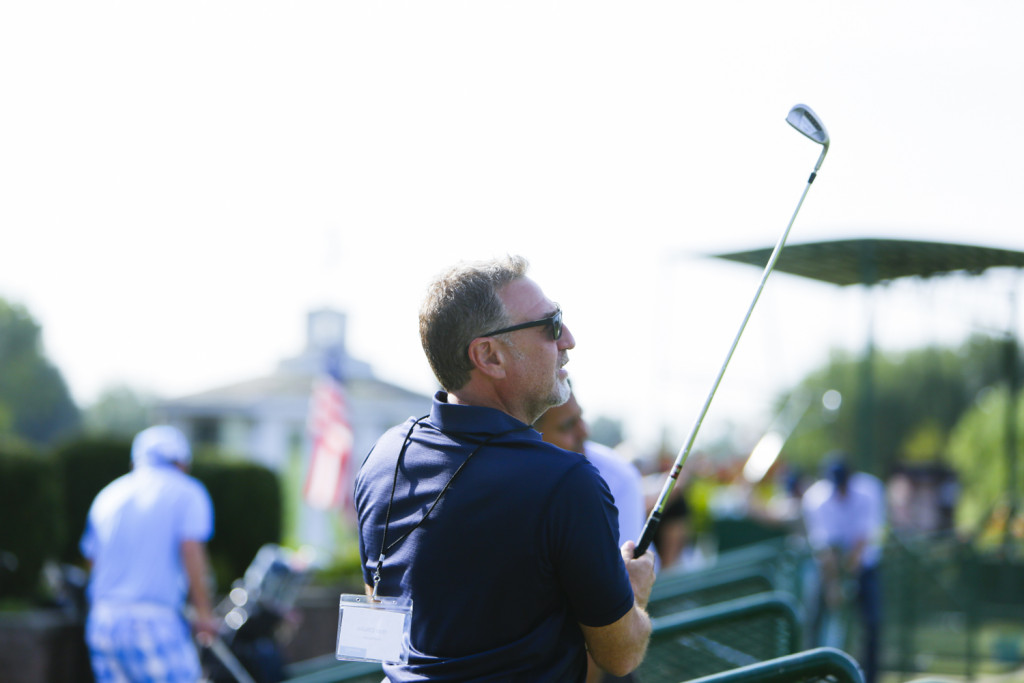
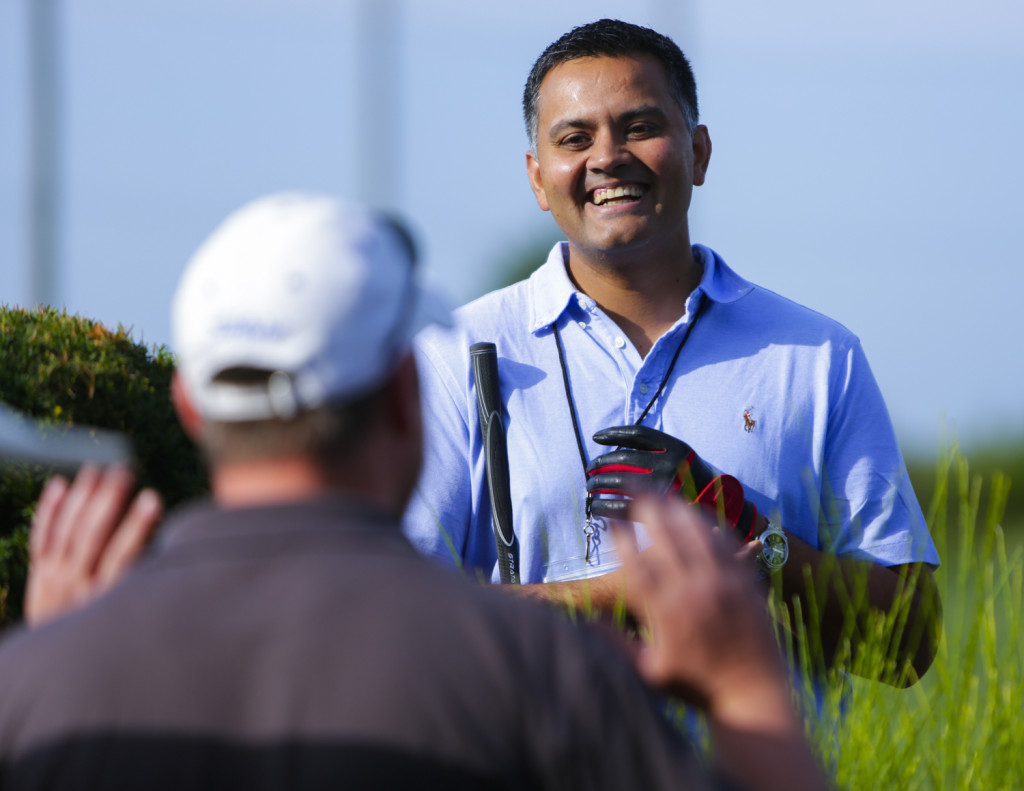
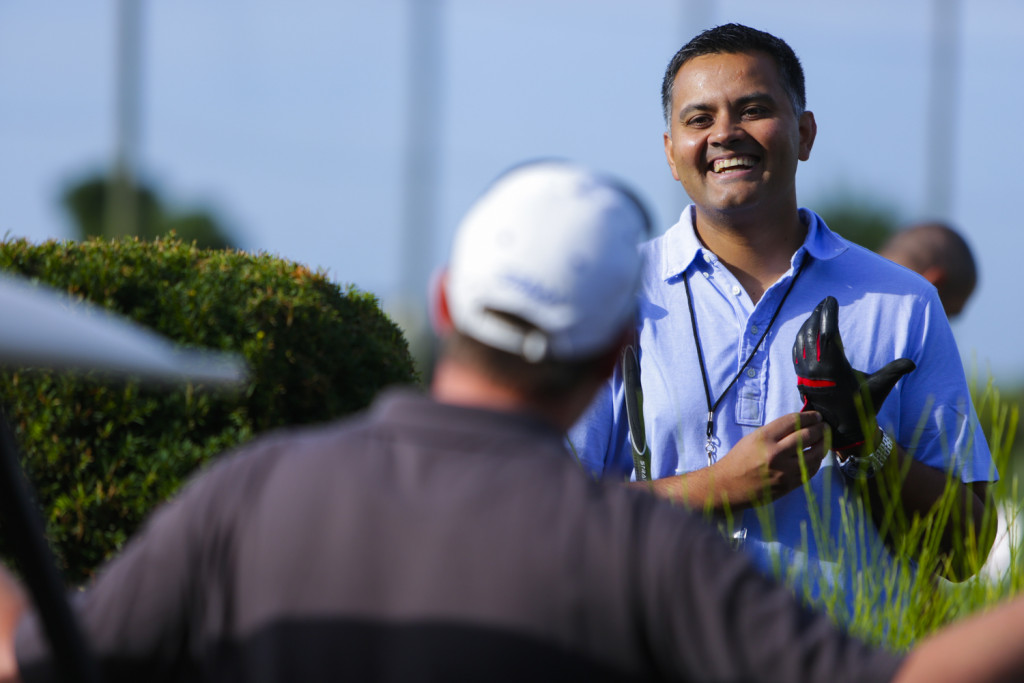
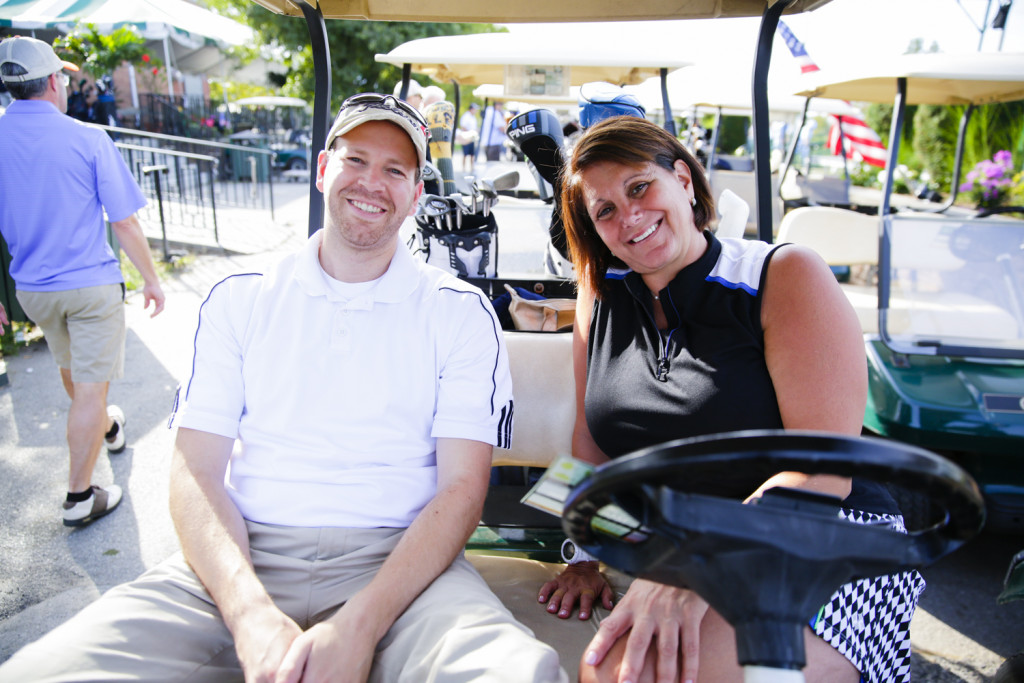
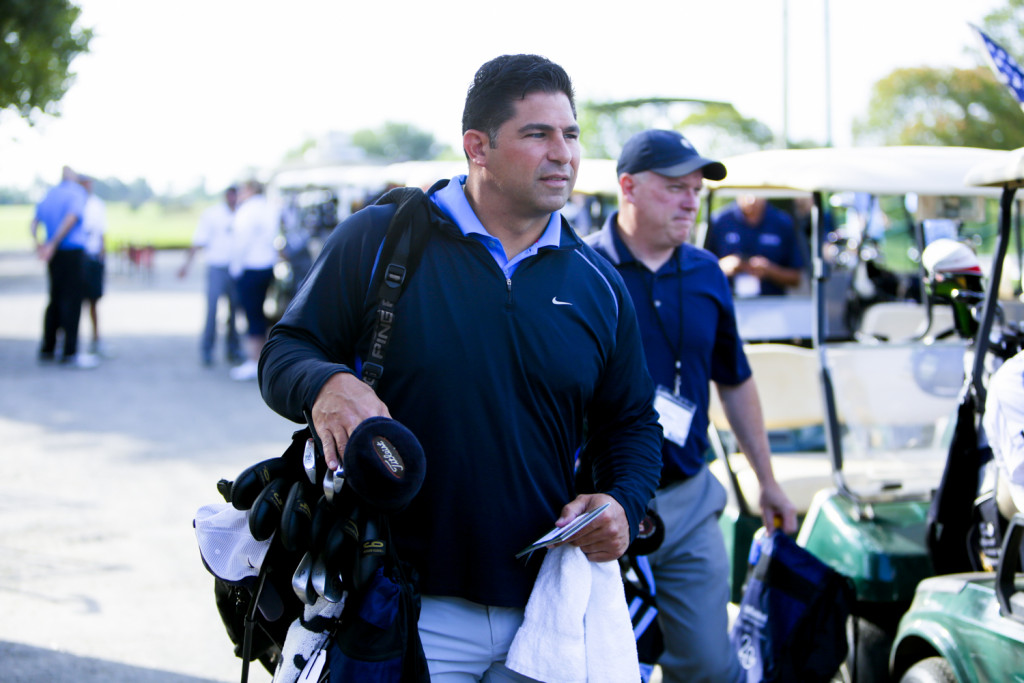
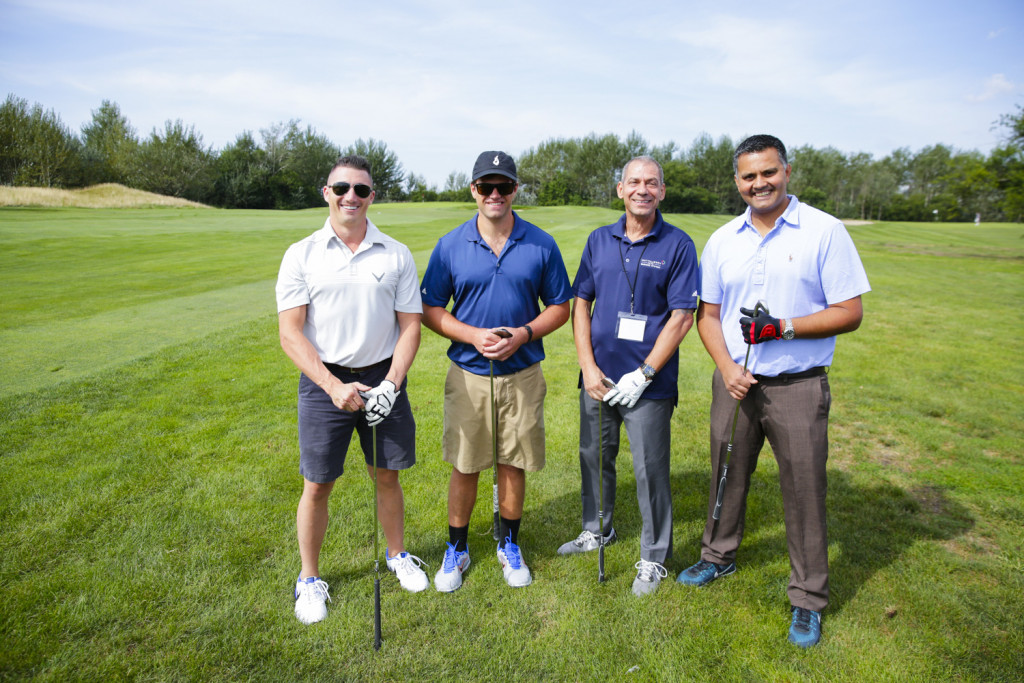
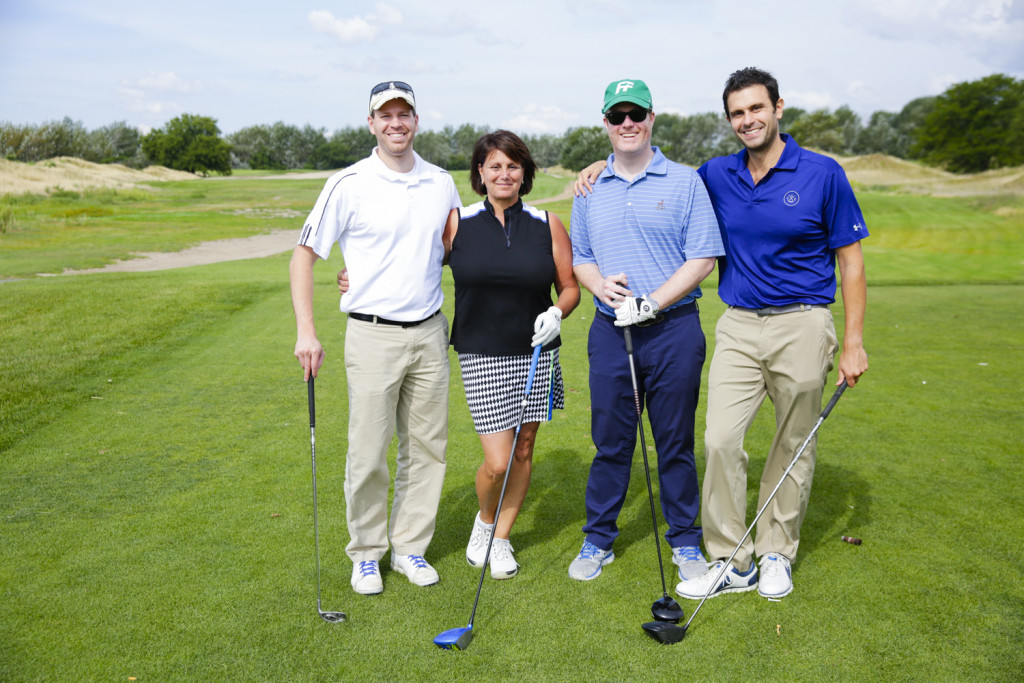
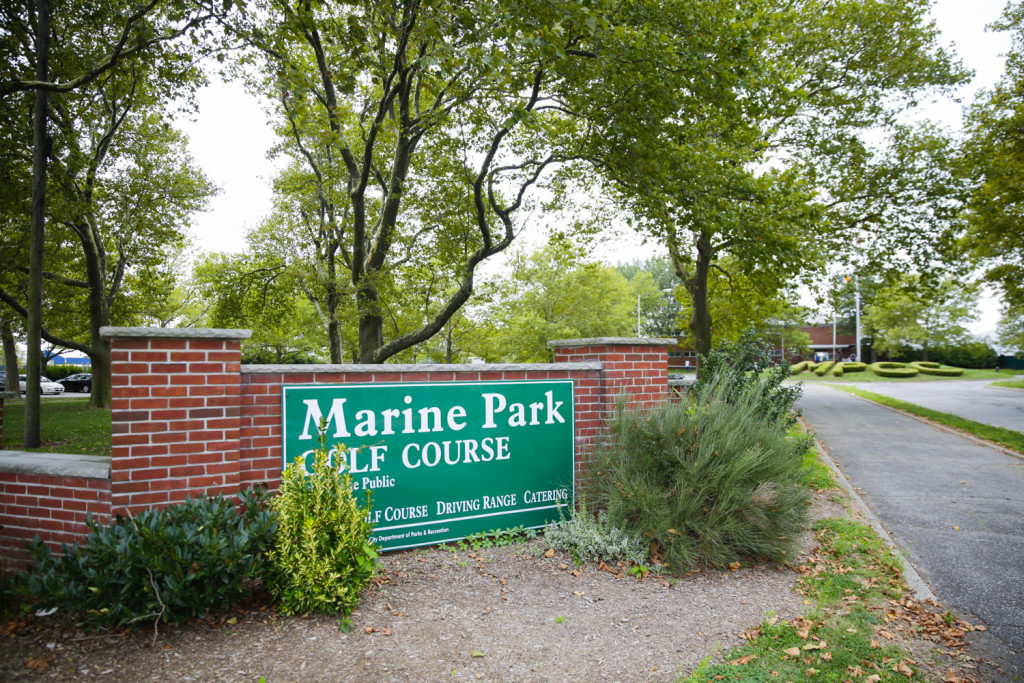
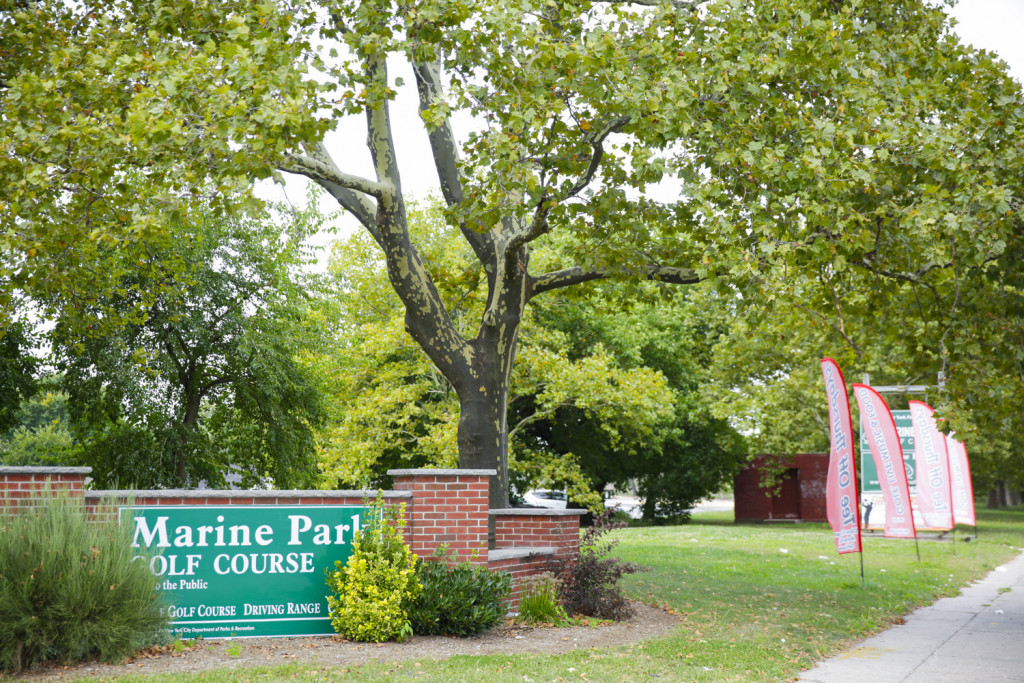
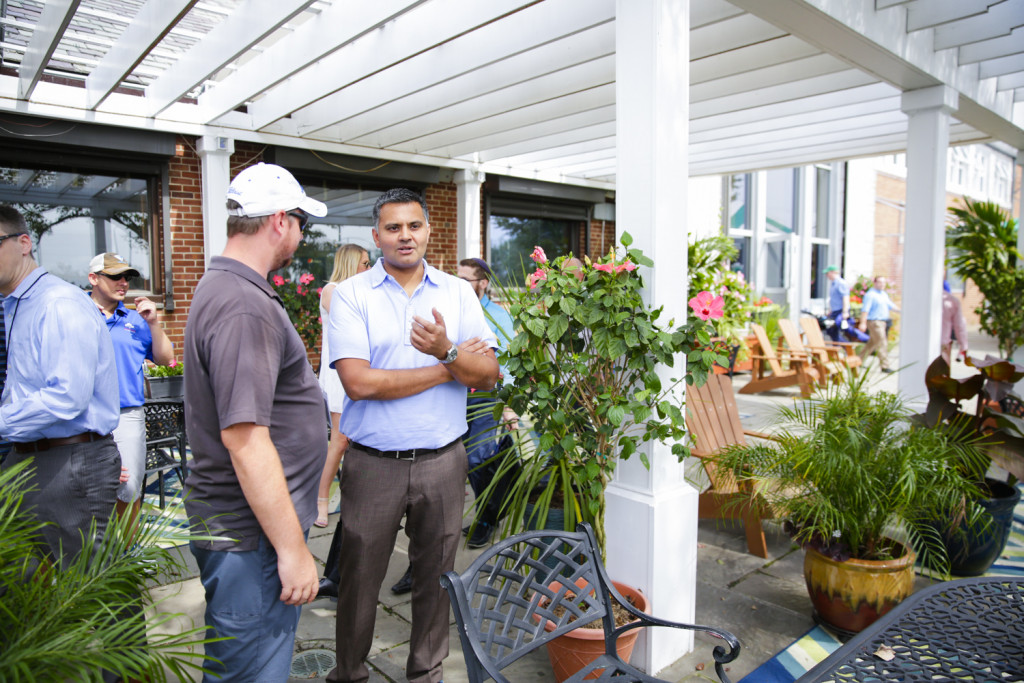
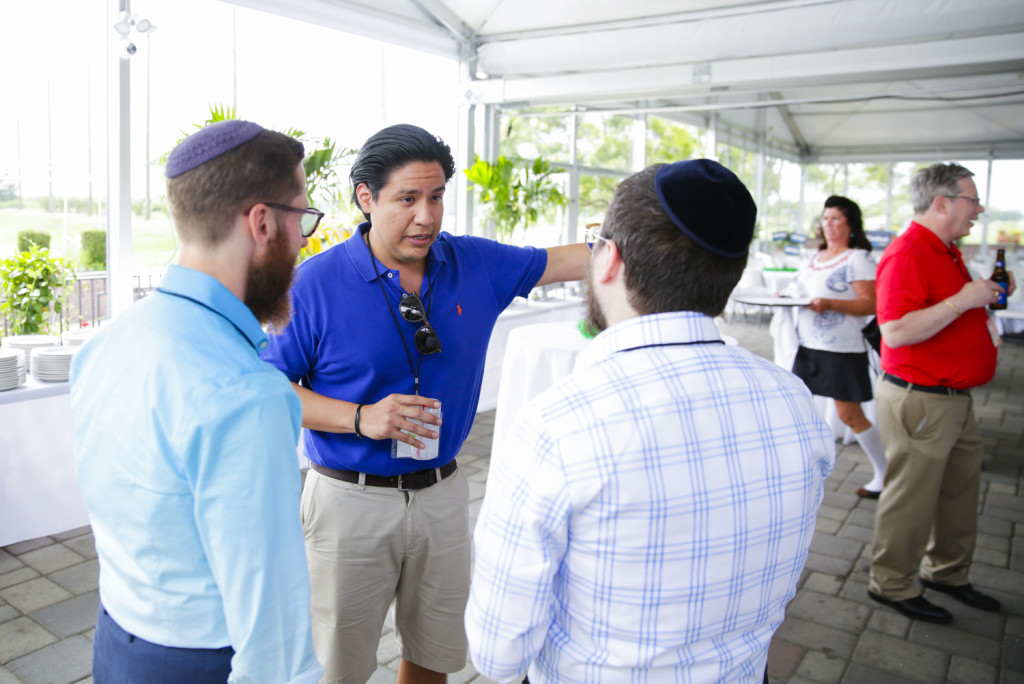
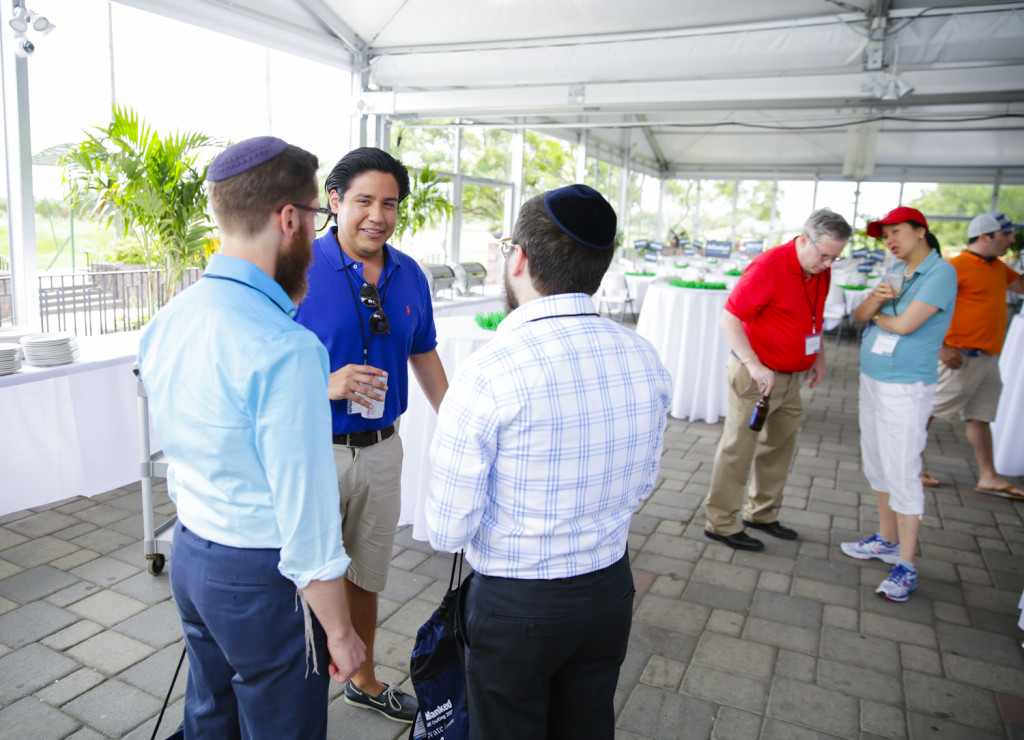
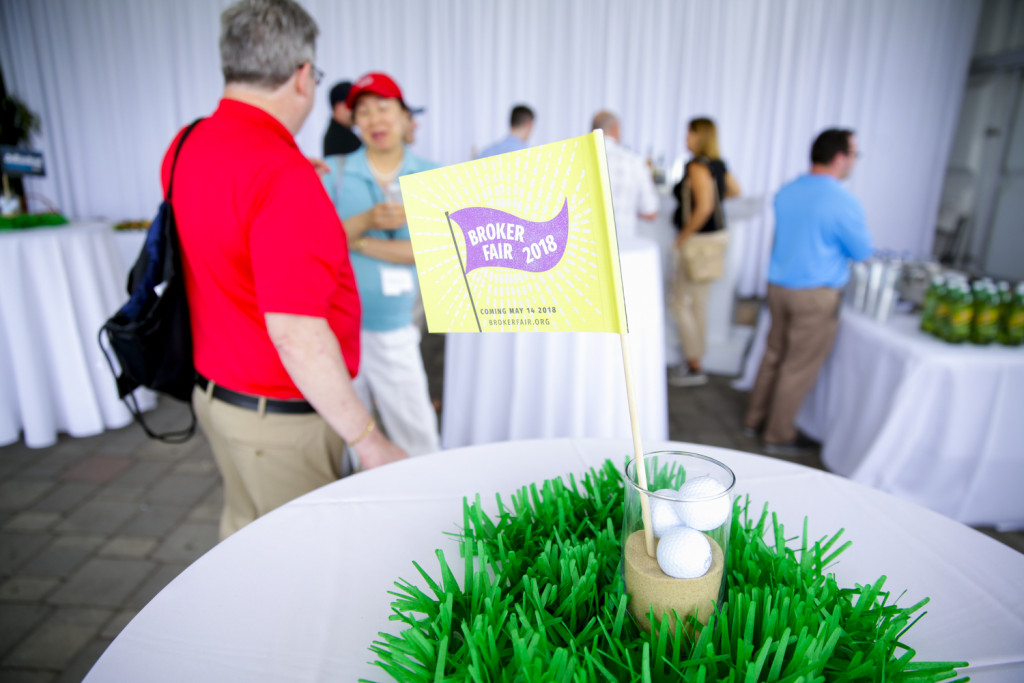
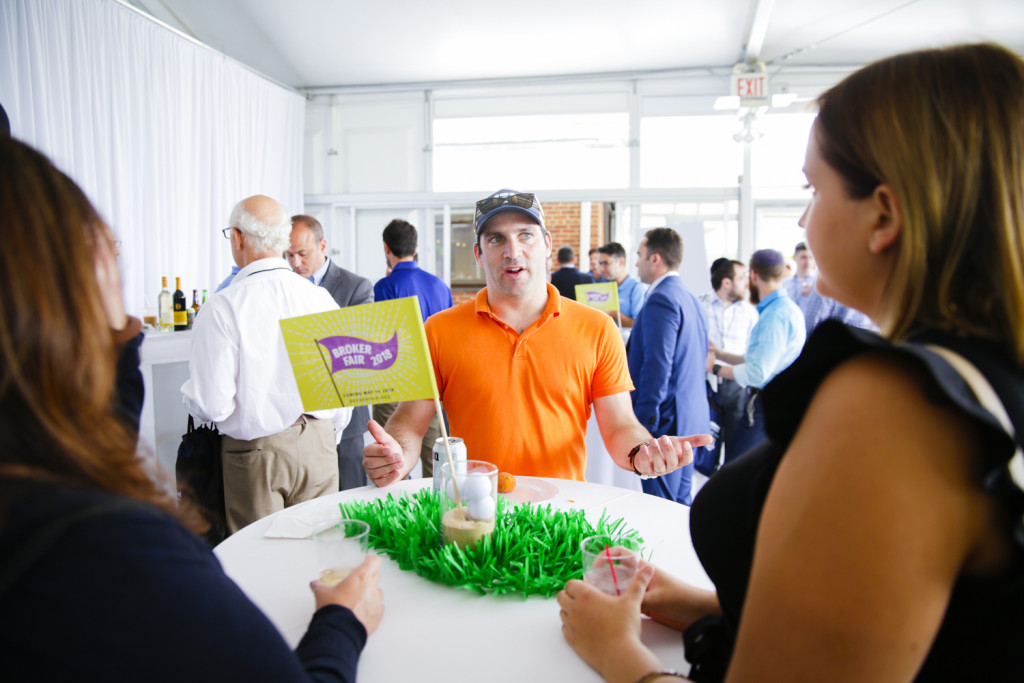
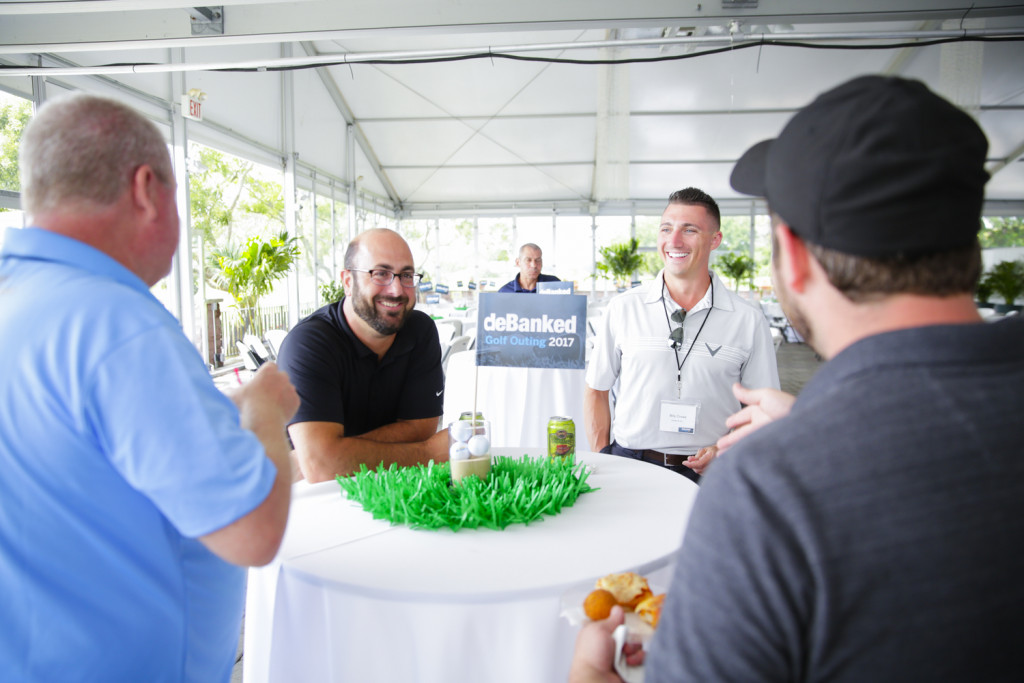
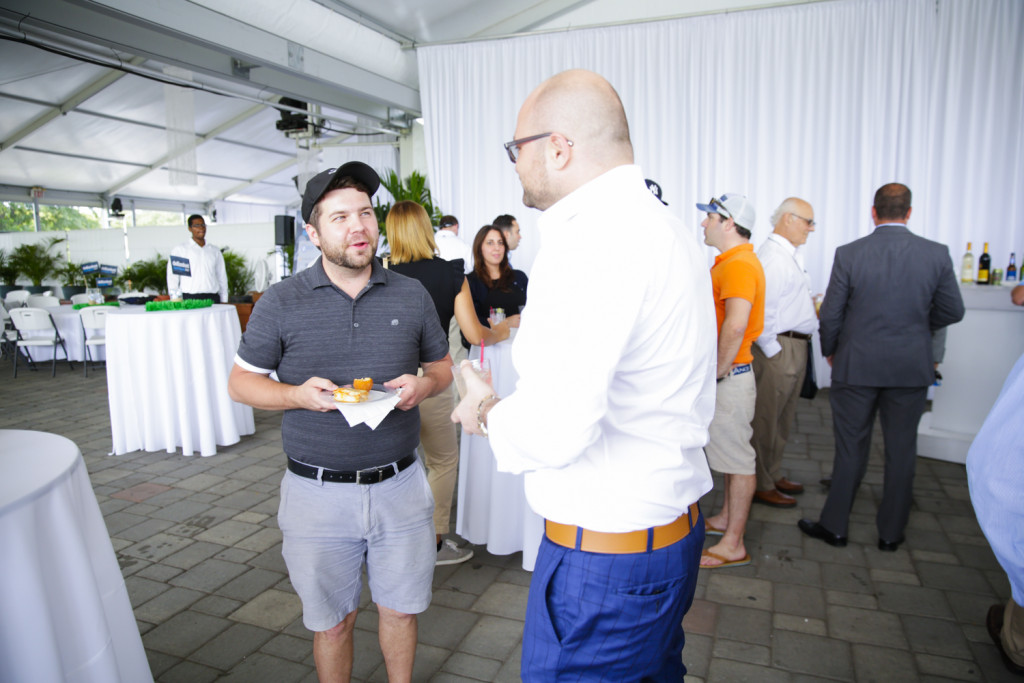
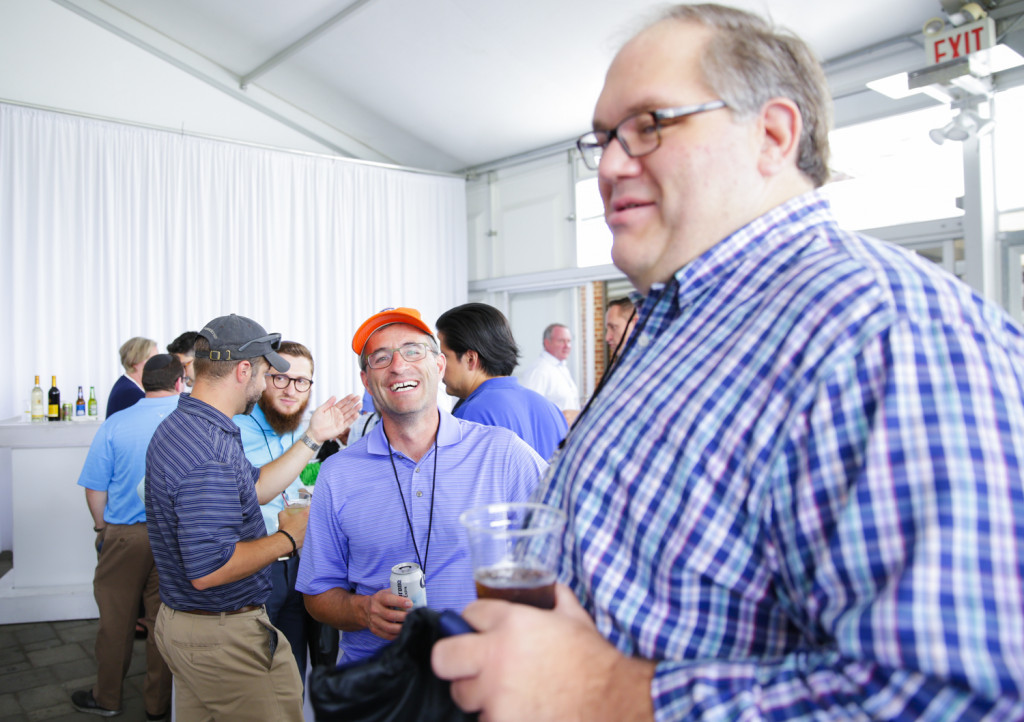
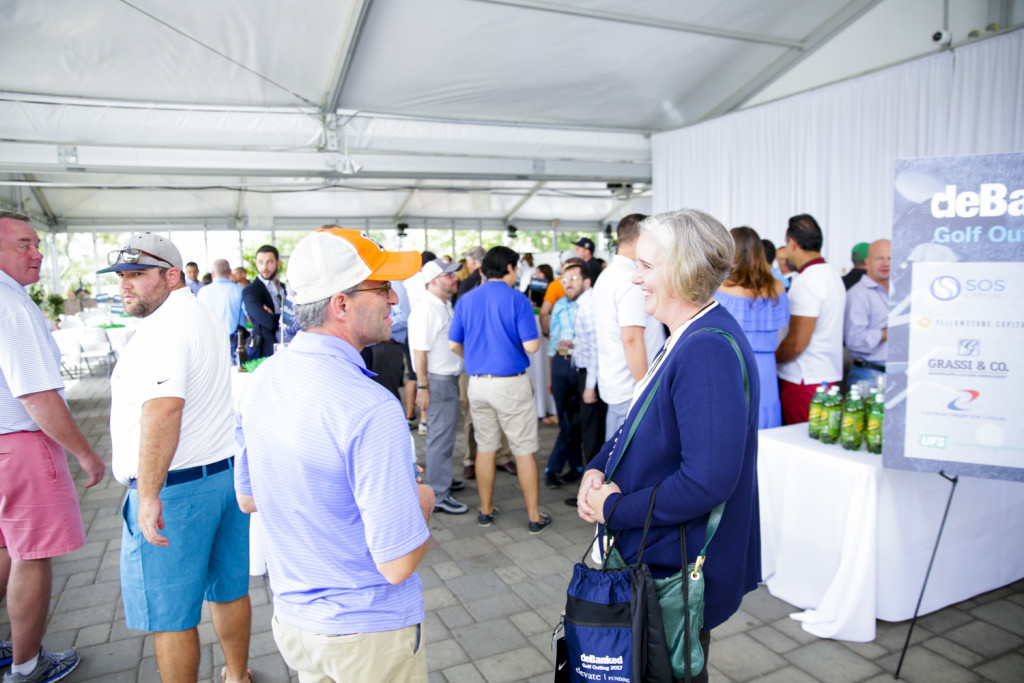
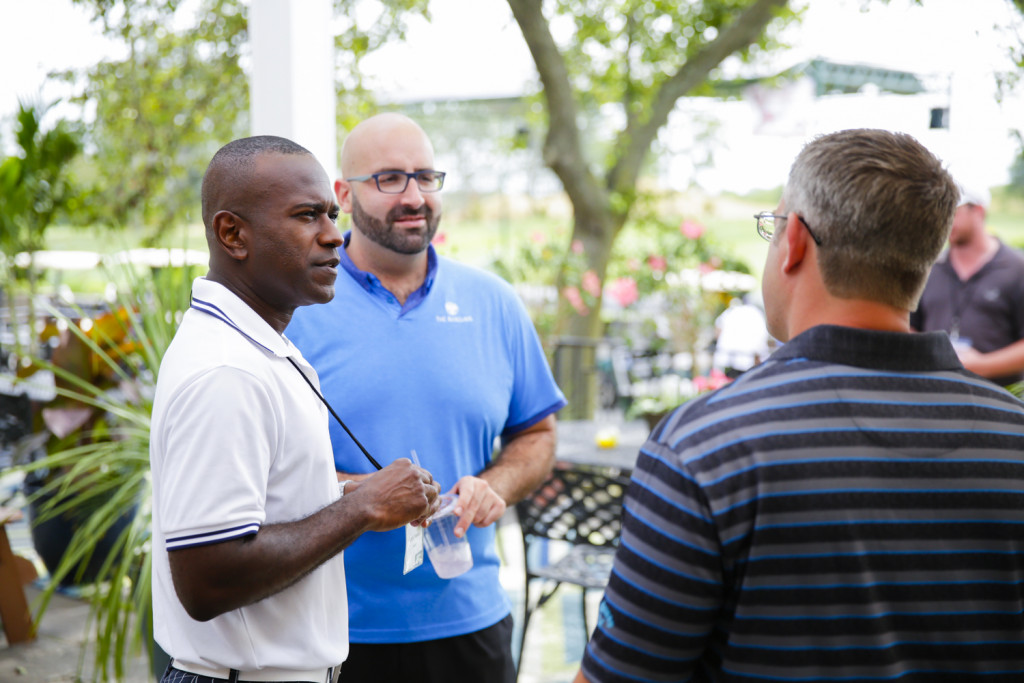
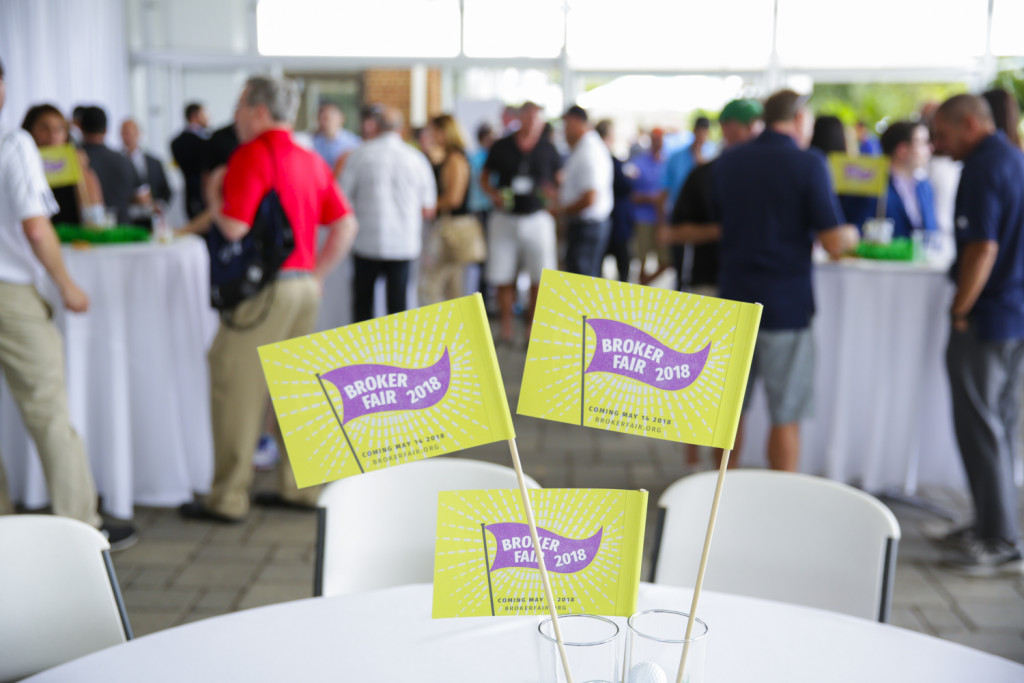
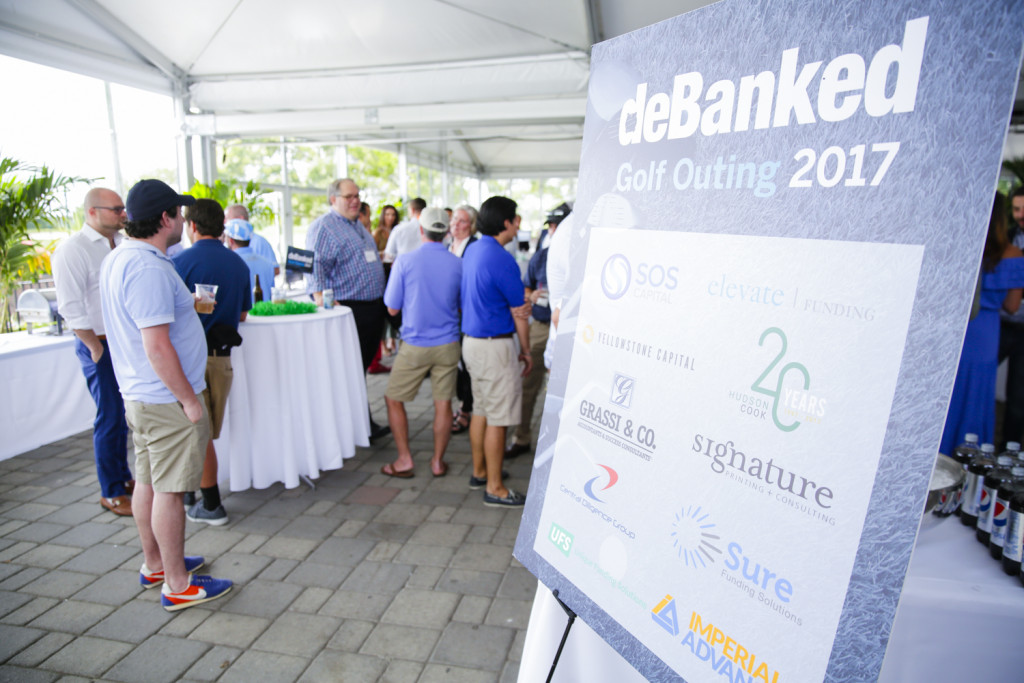
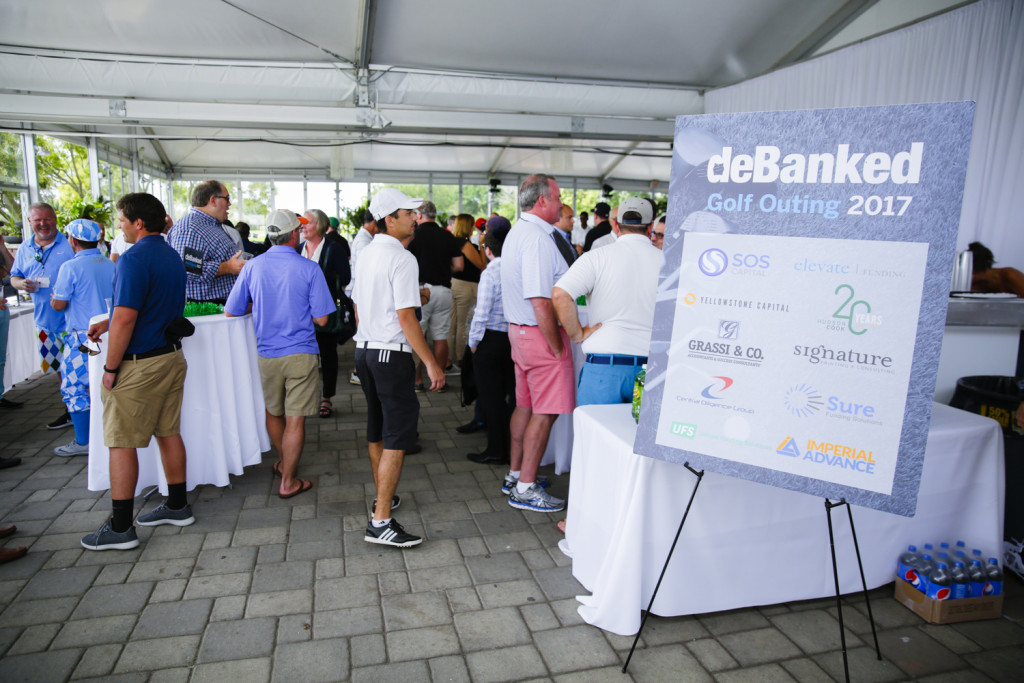
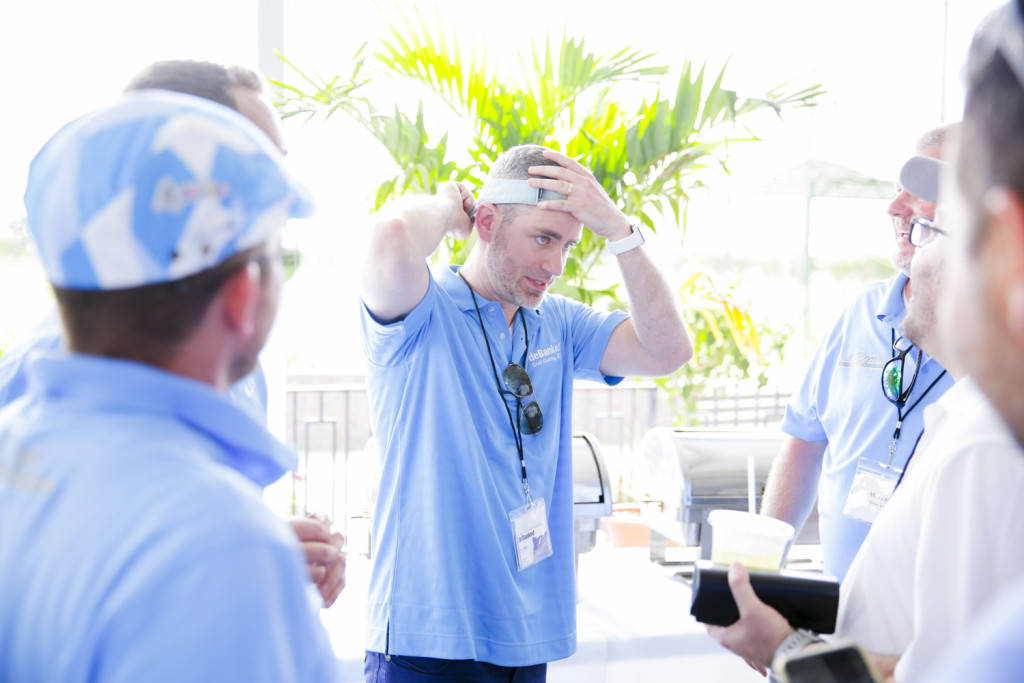
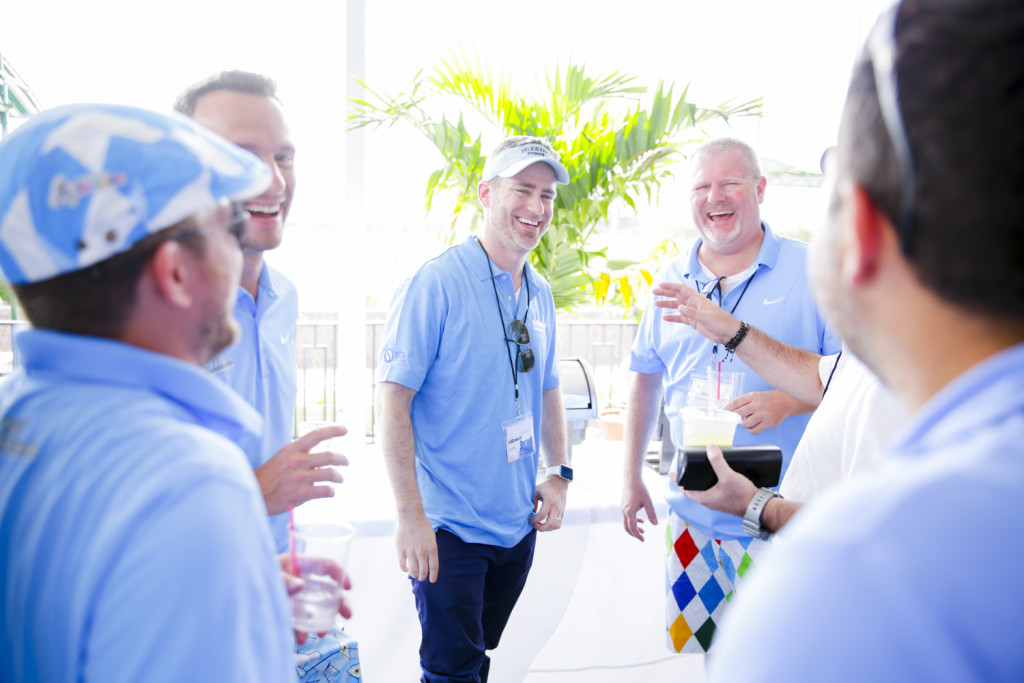
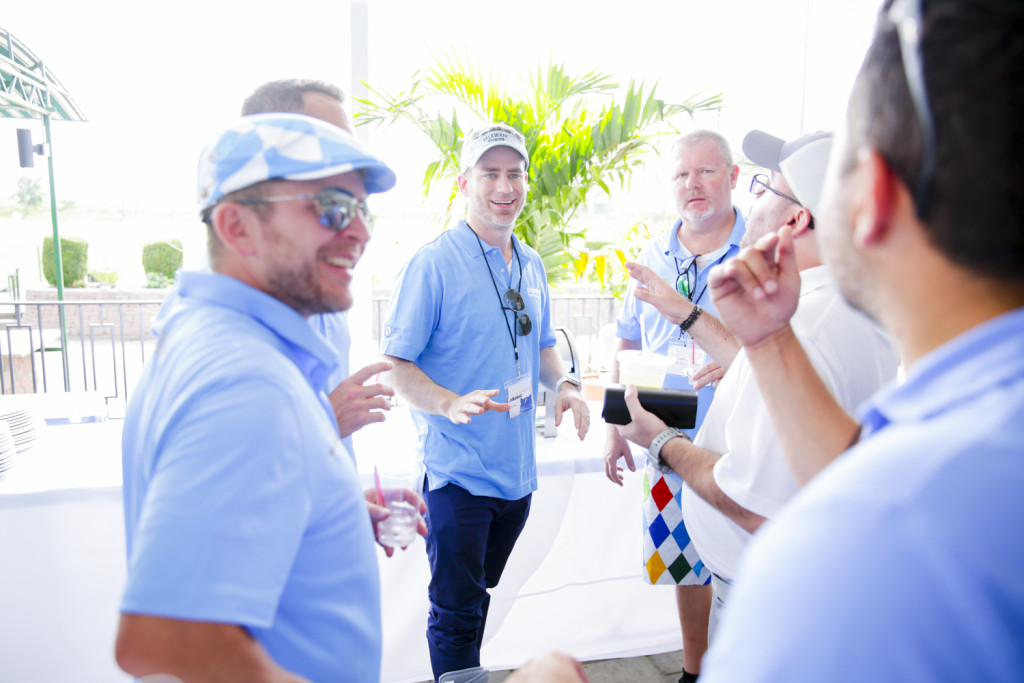
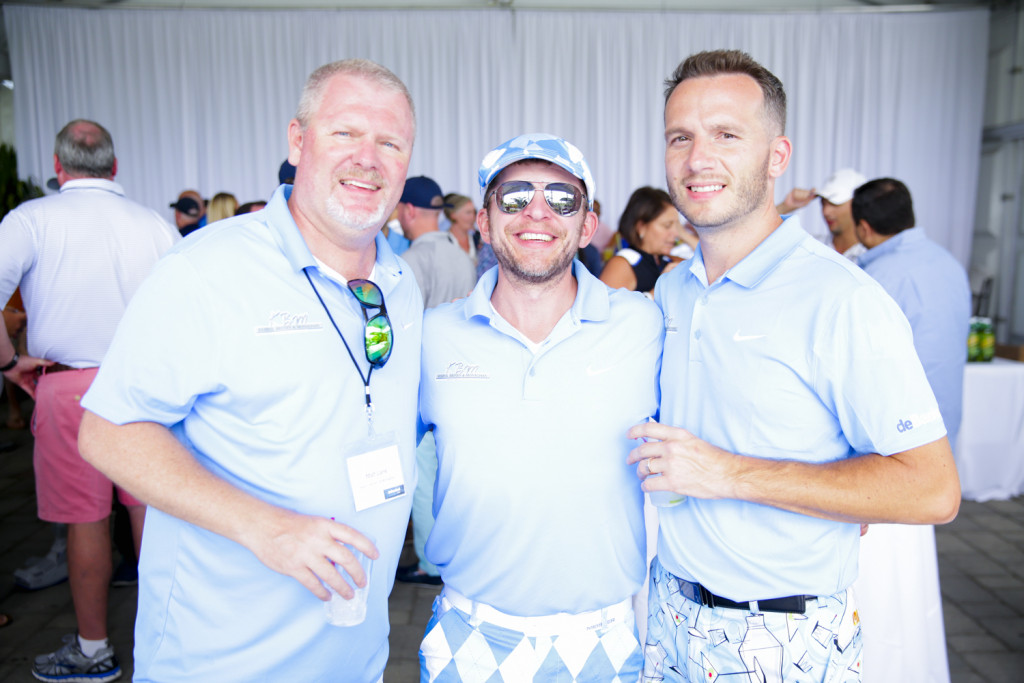
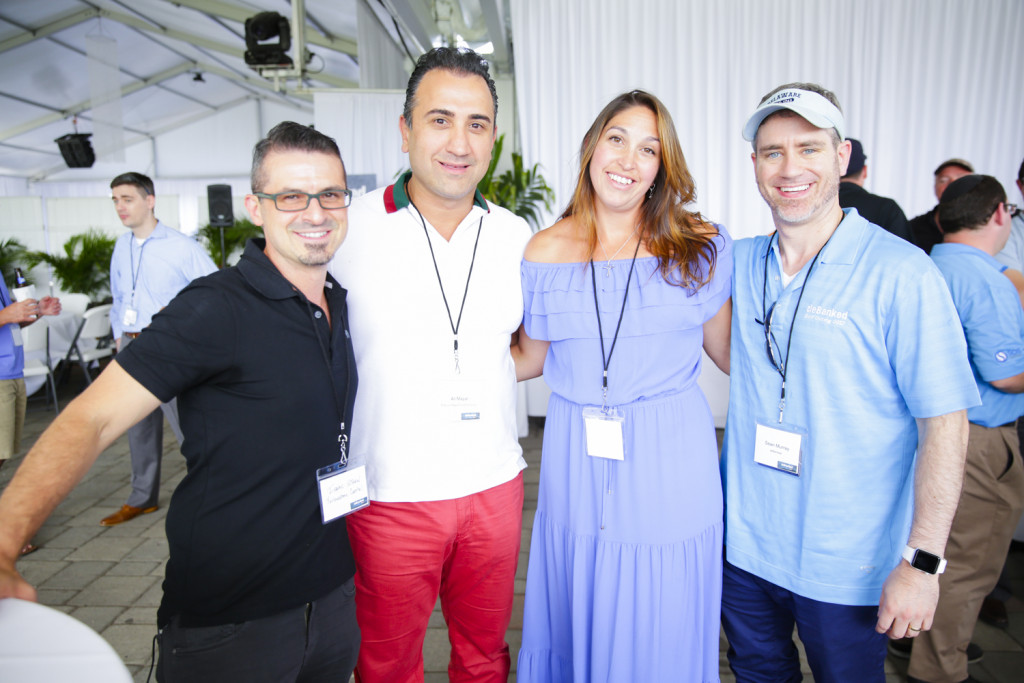
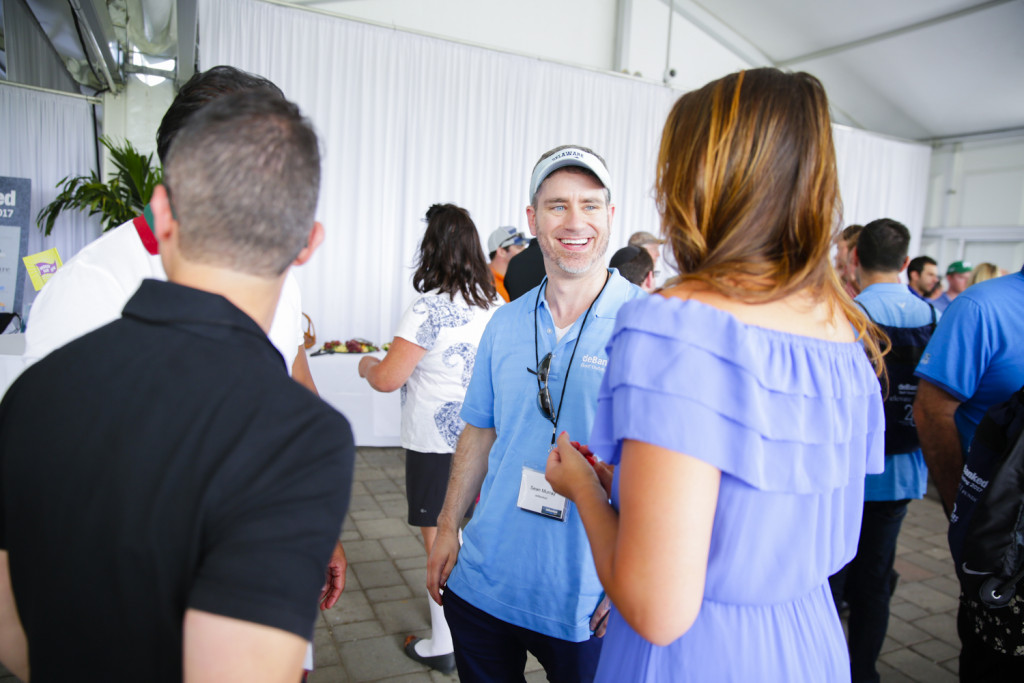
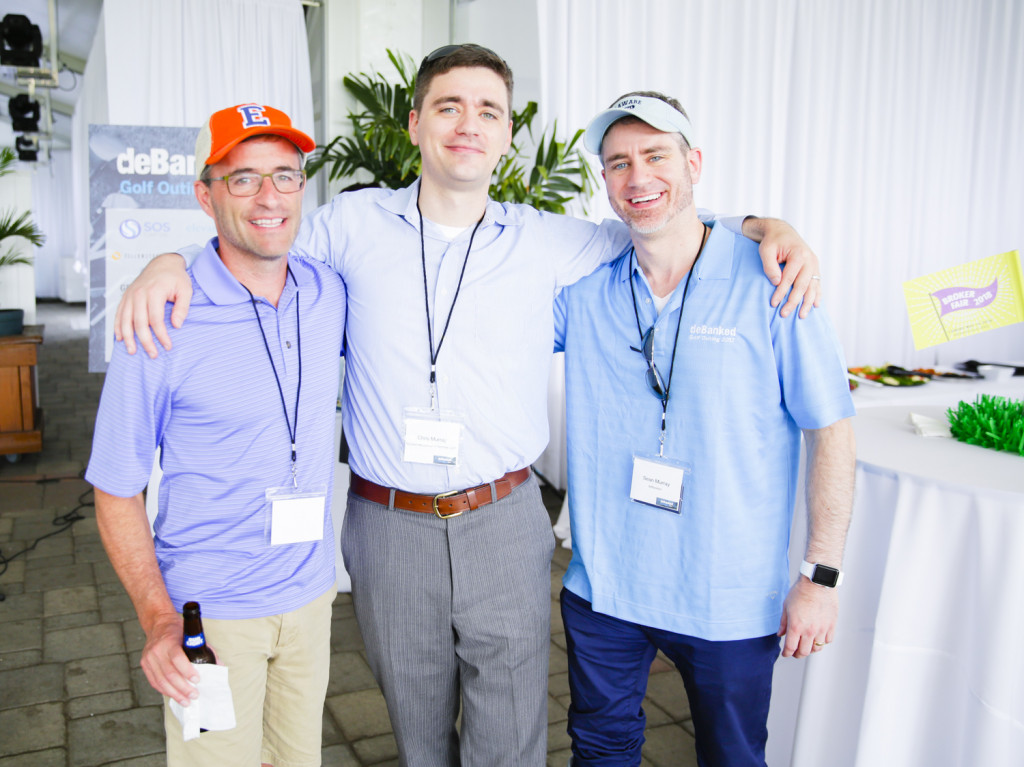
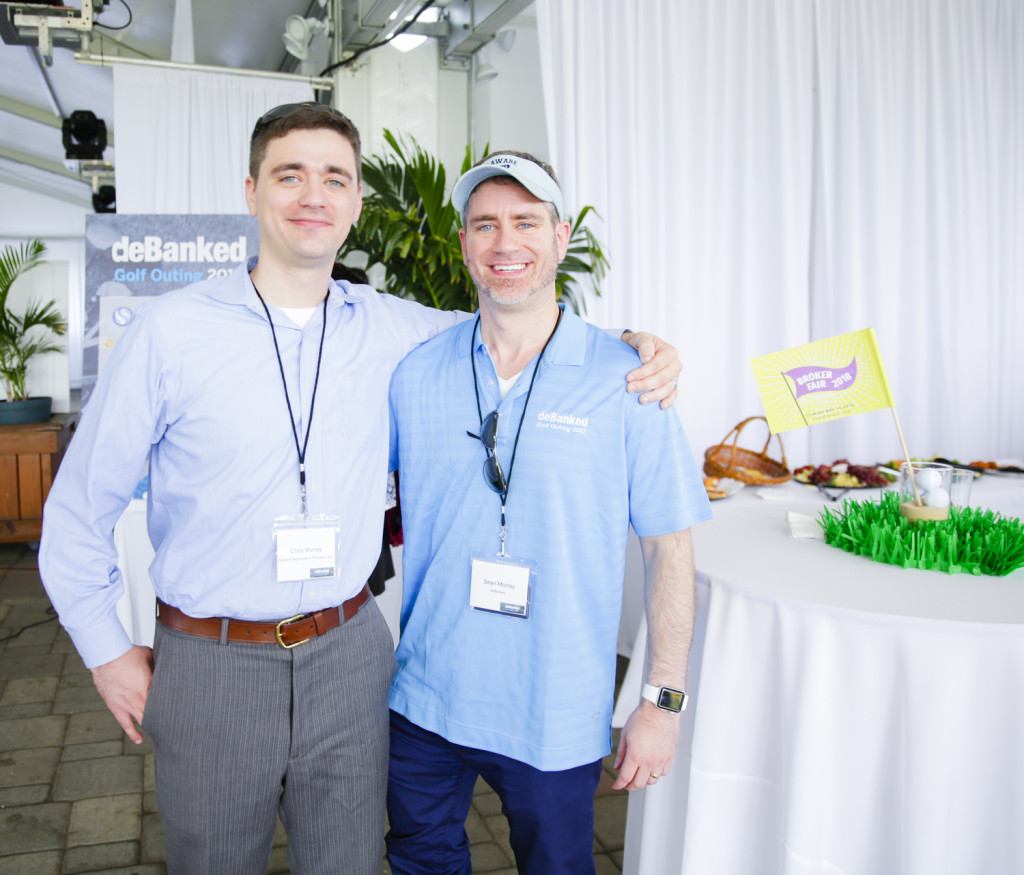
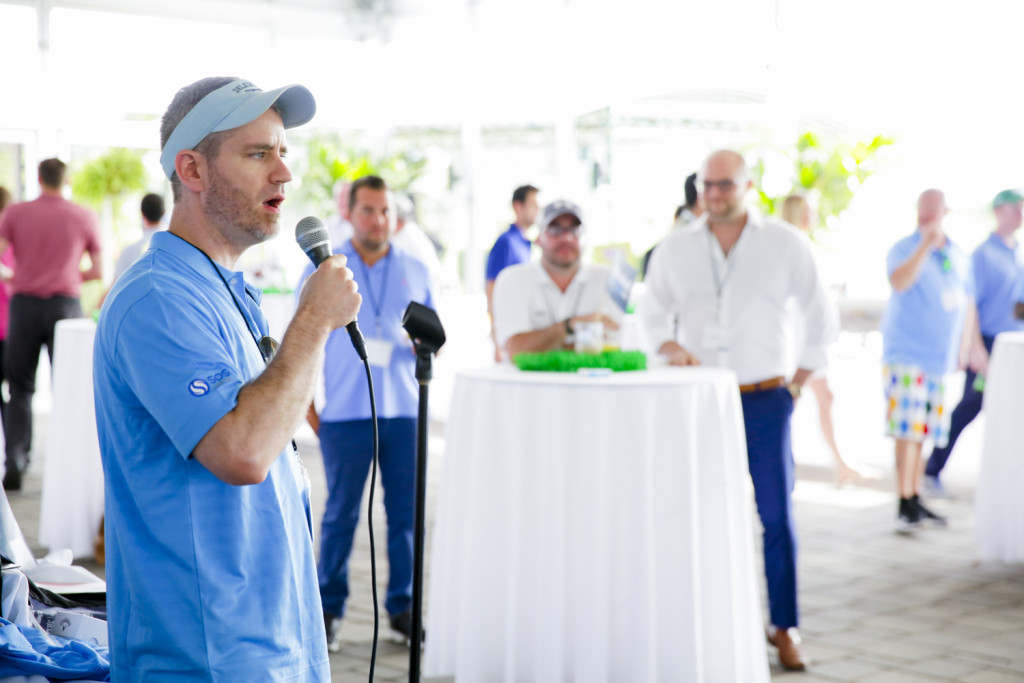
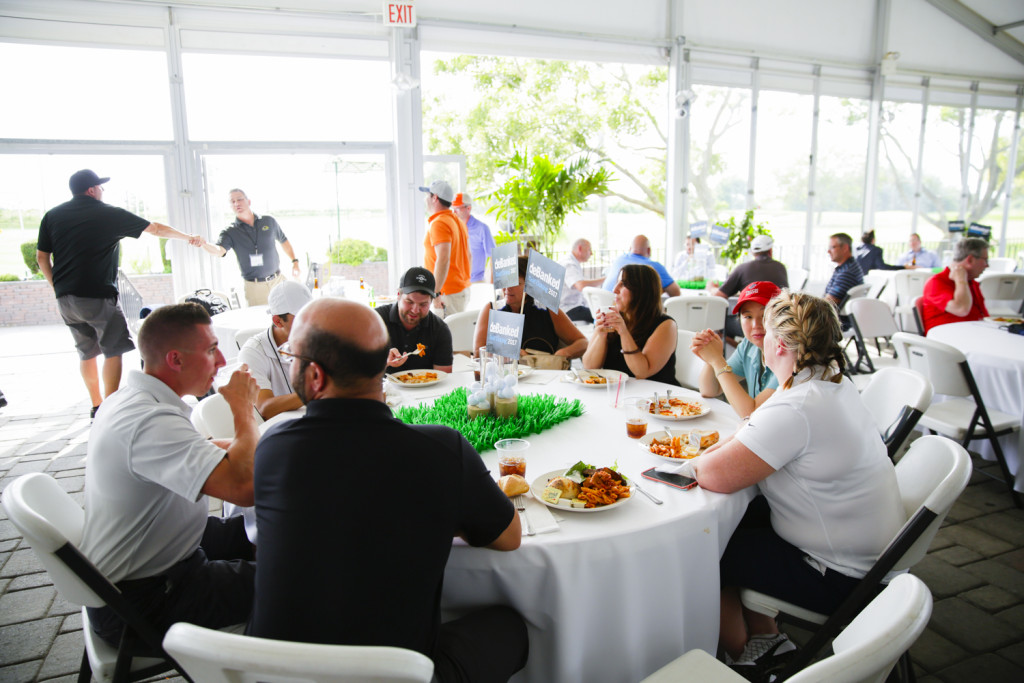
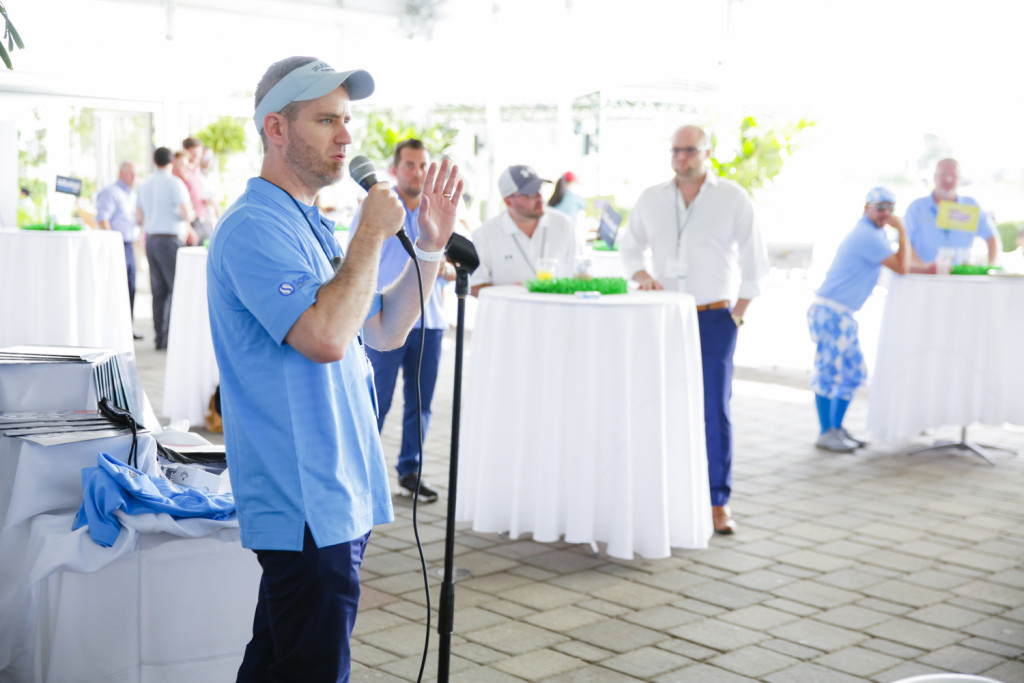
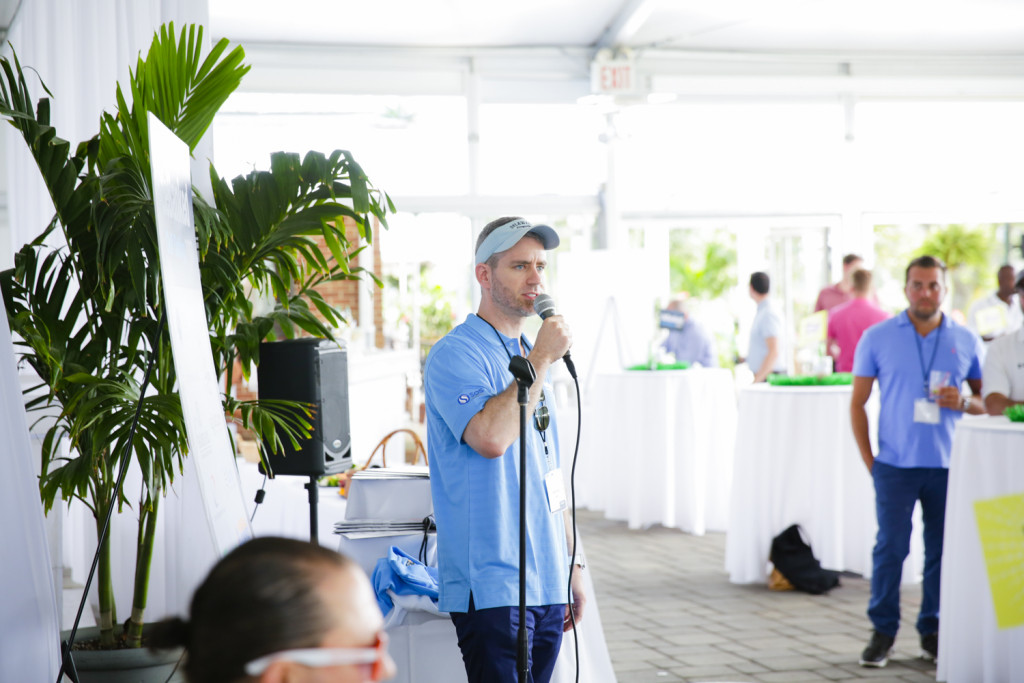
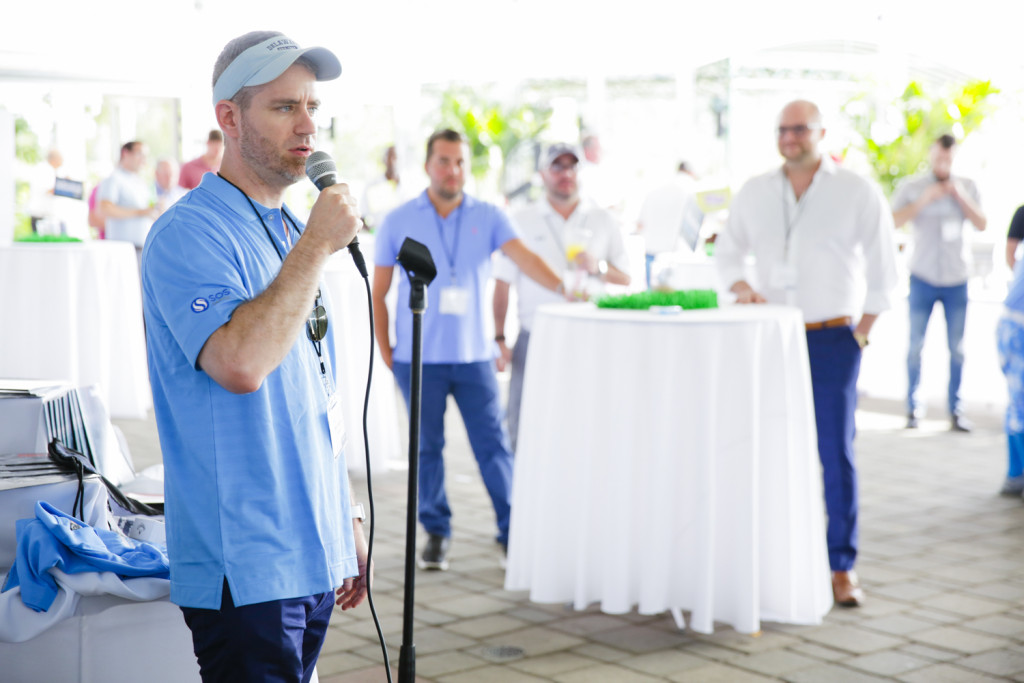
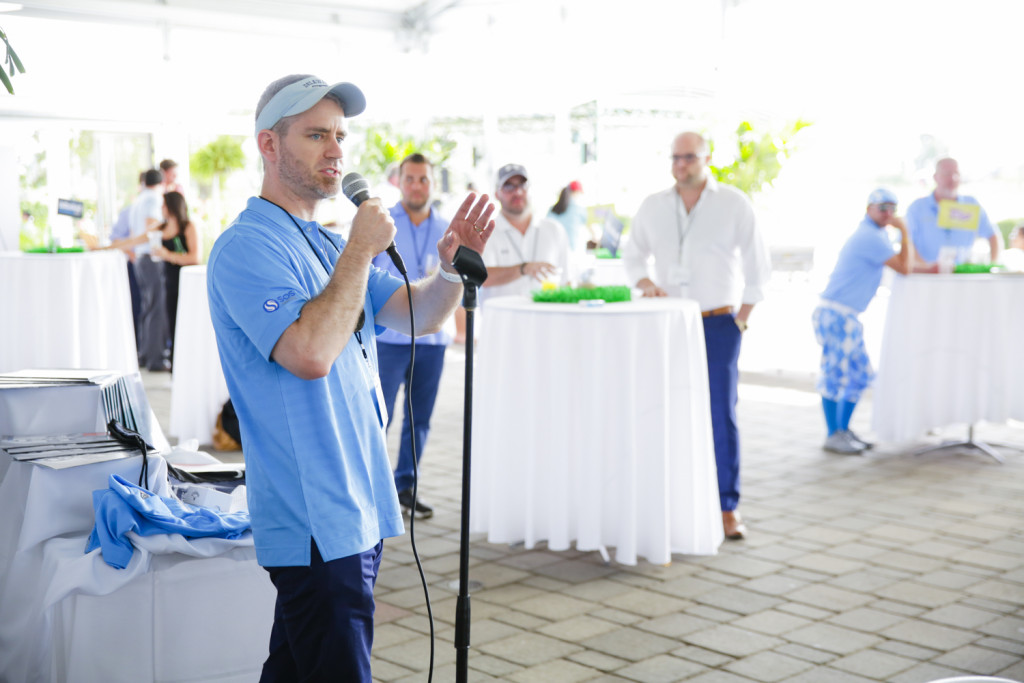
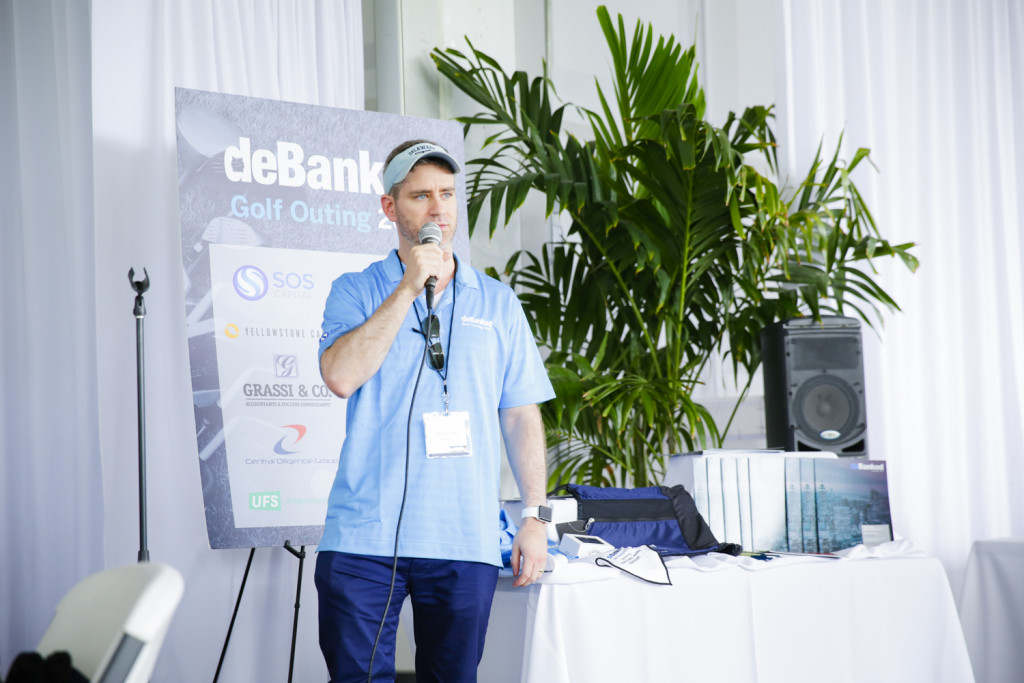
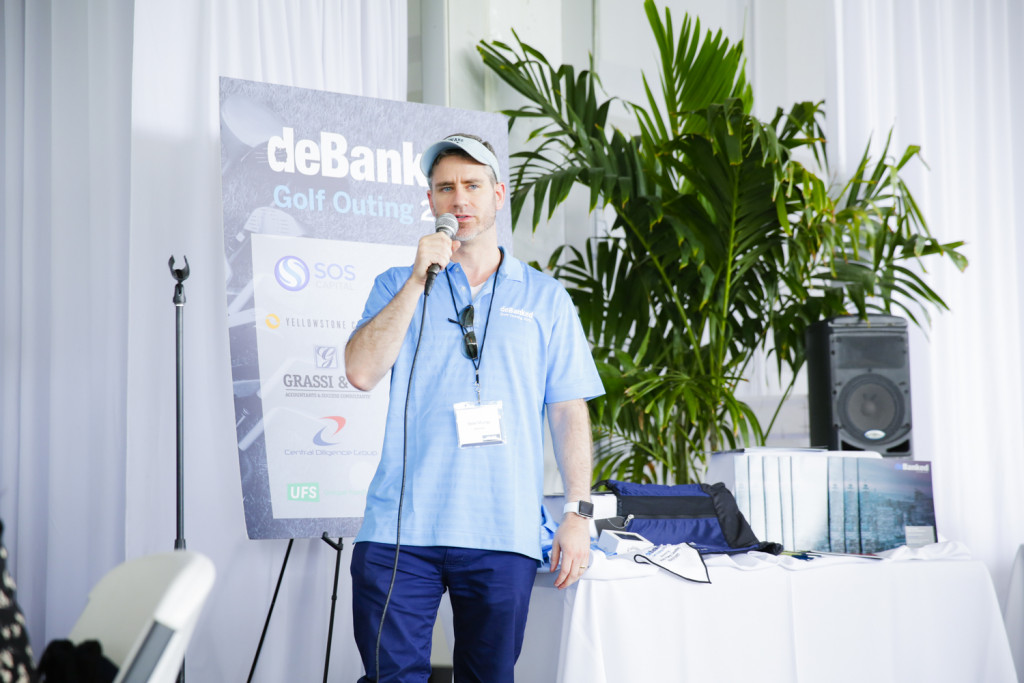
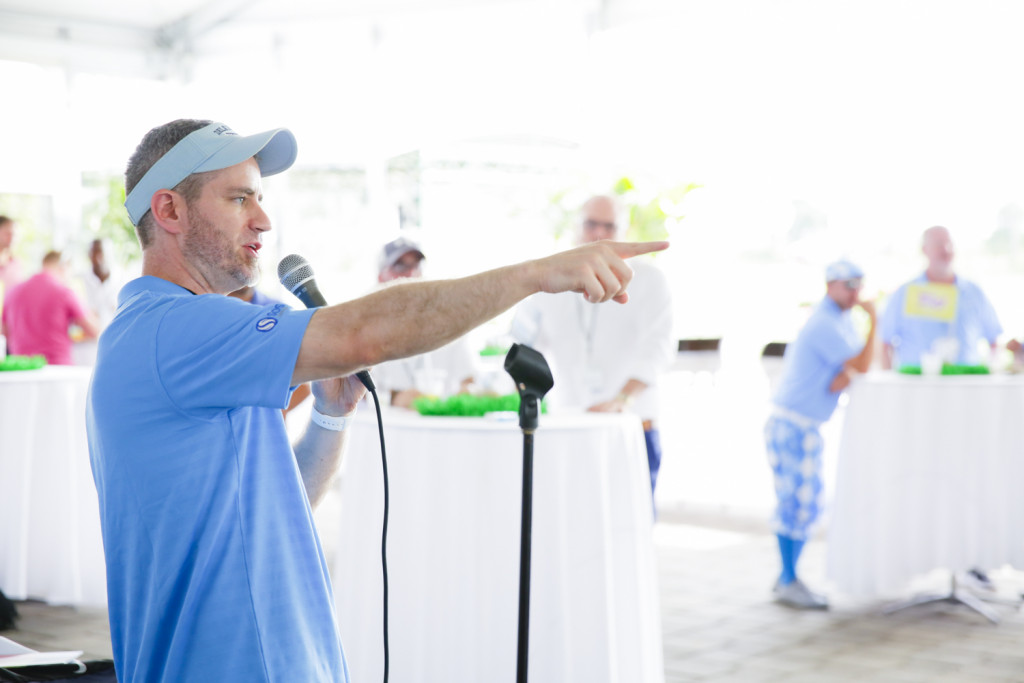
August 29, 2017Thanks to Marine Park Golf Course in Brooklyn, NY for having us! And thanks to all who came and sponsored!


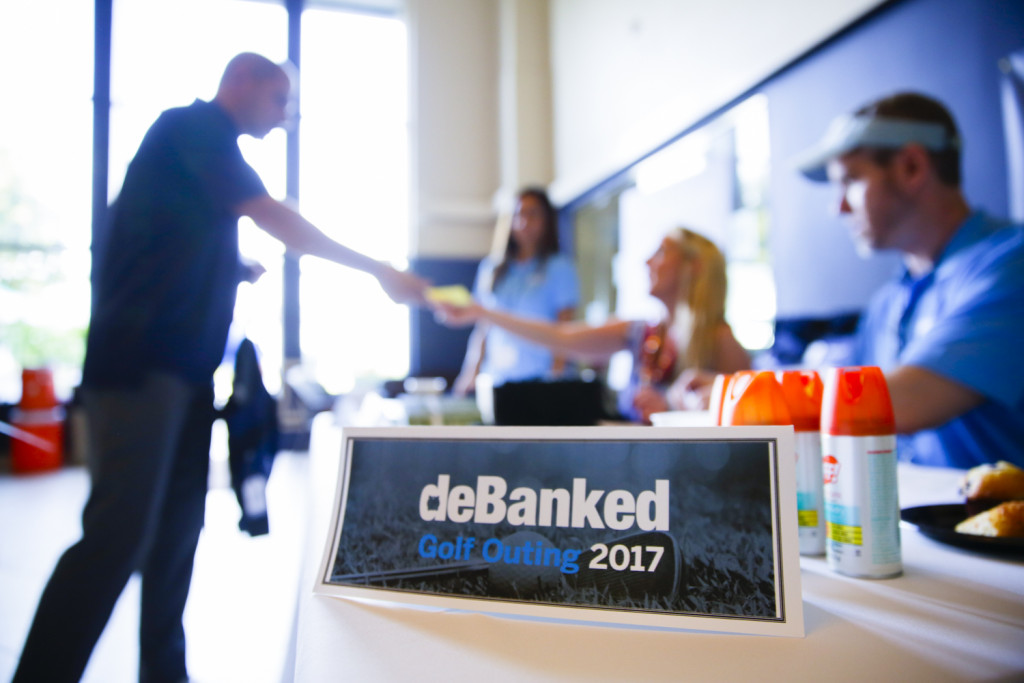
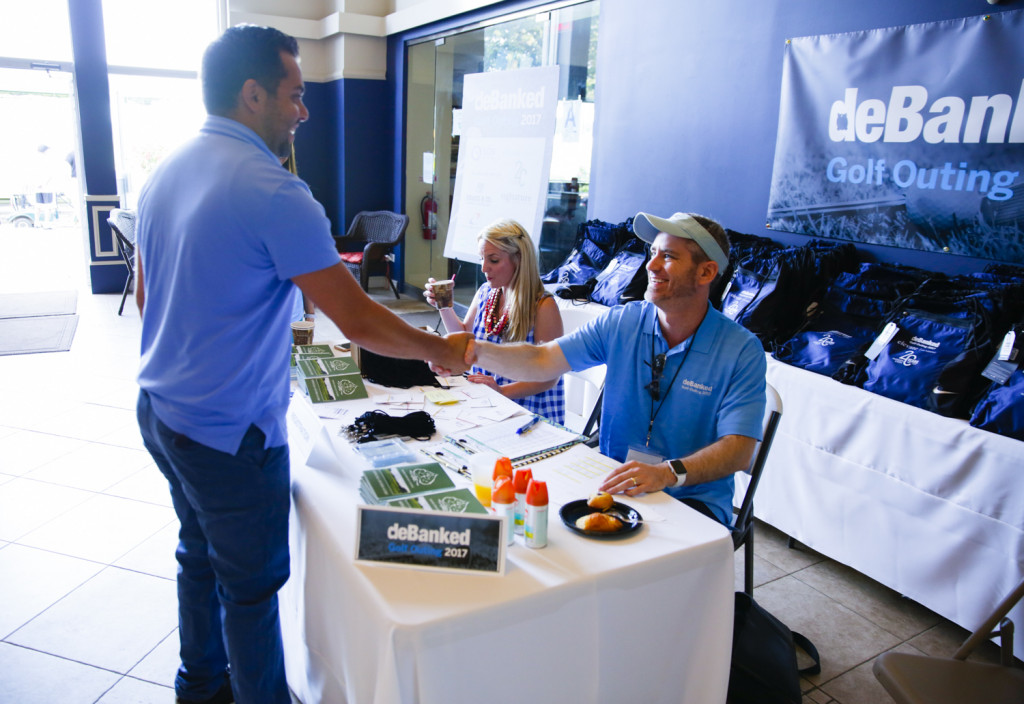
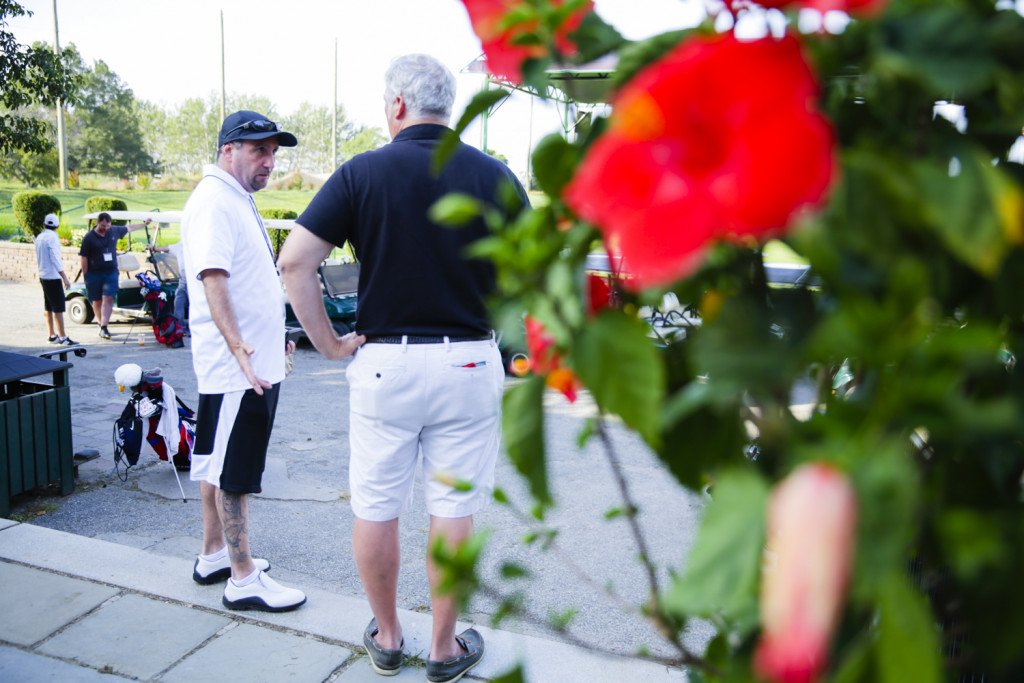
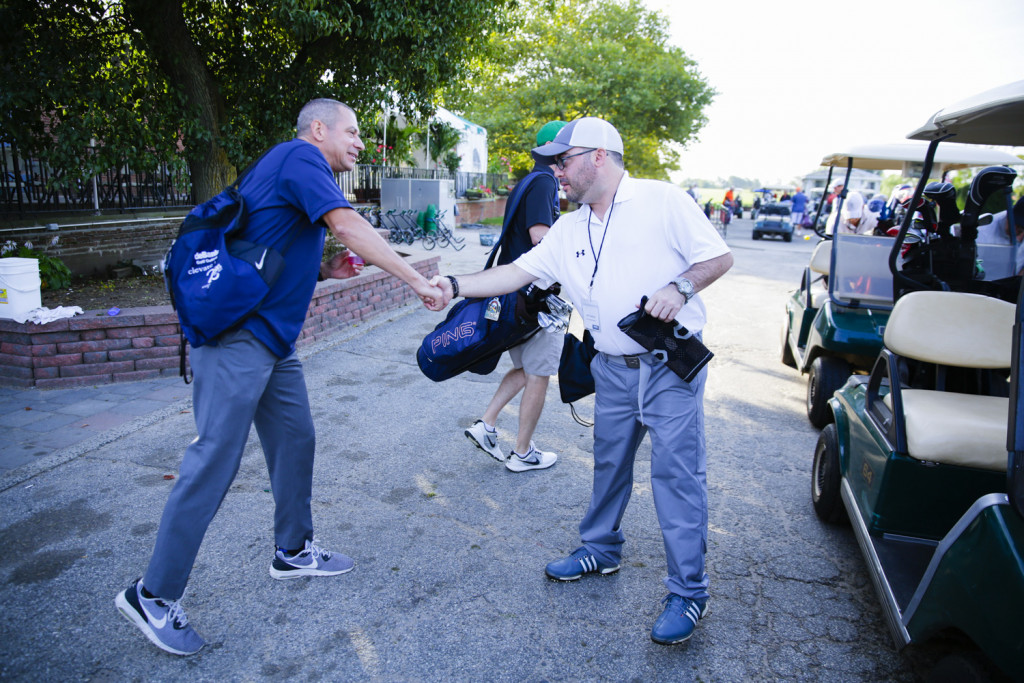
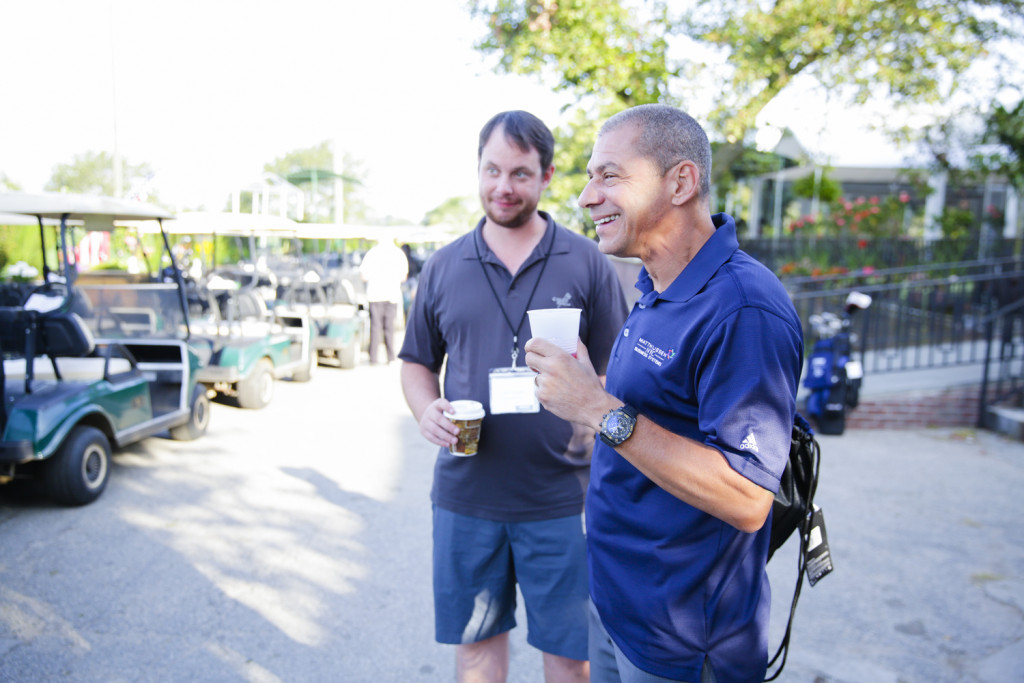
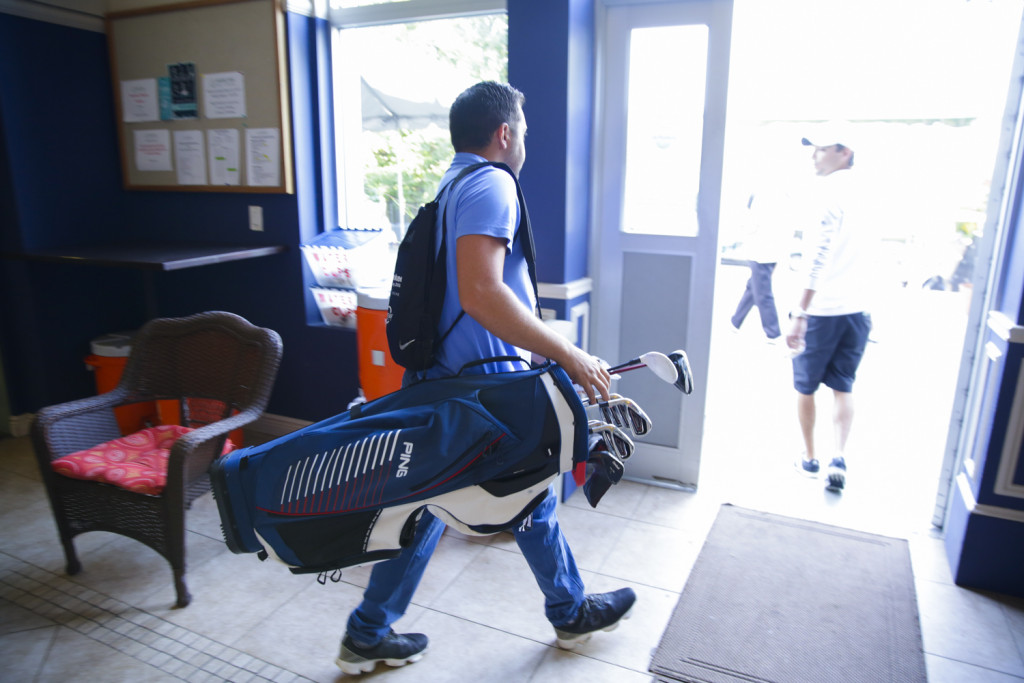

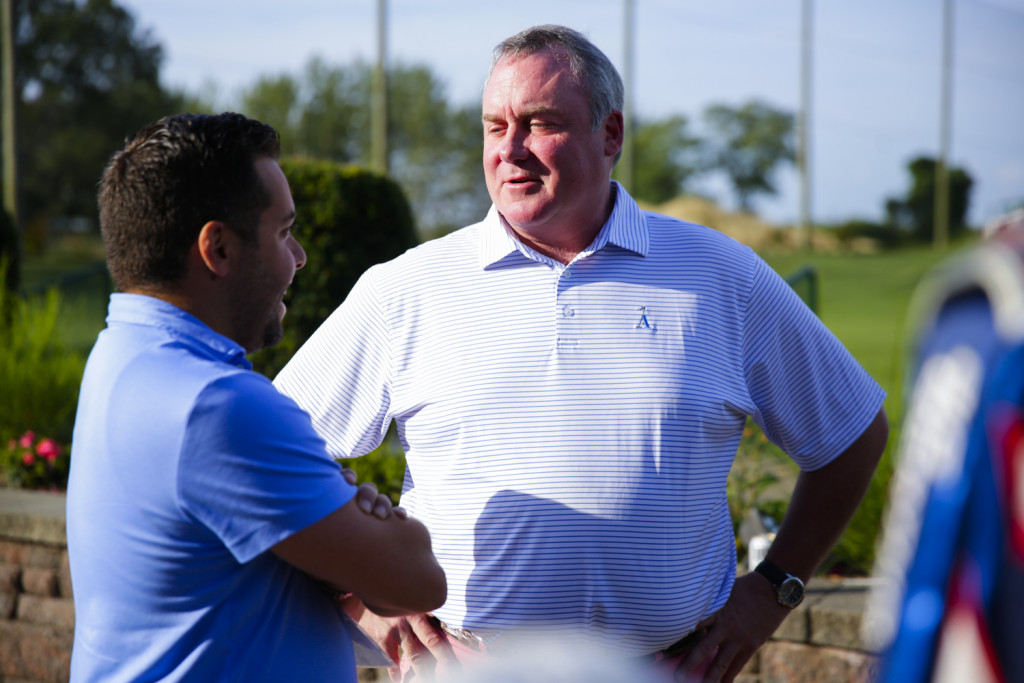




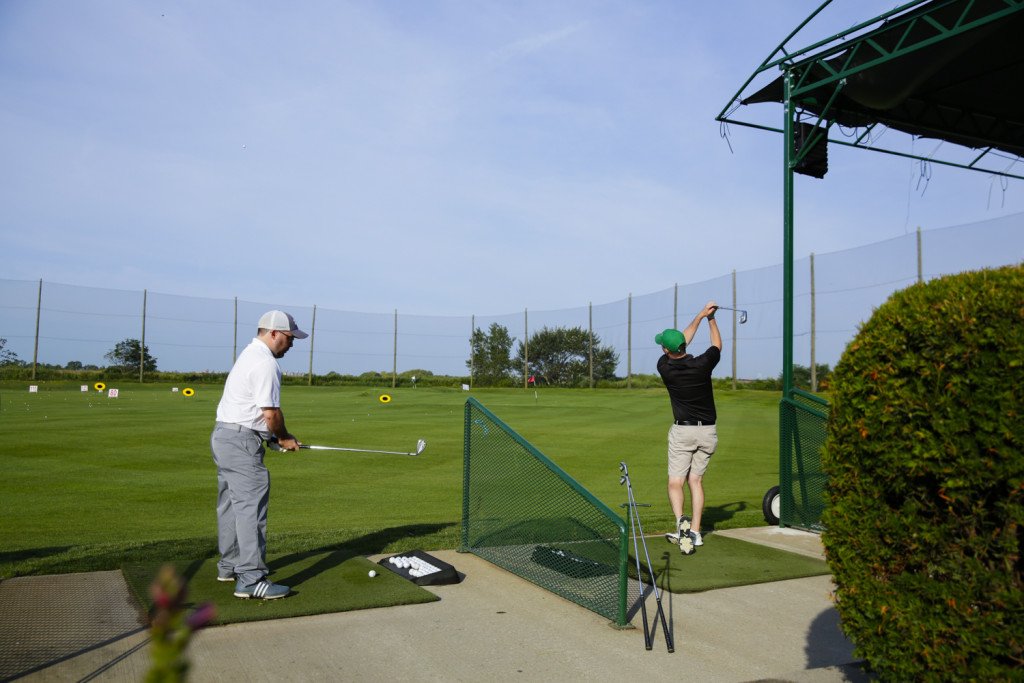















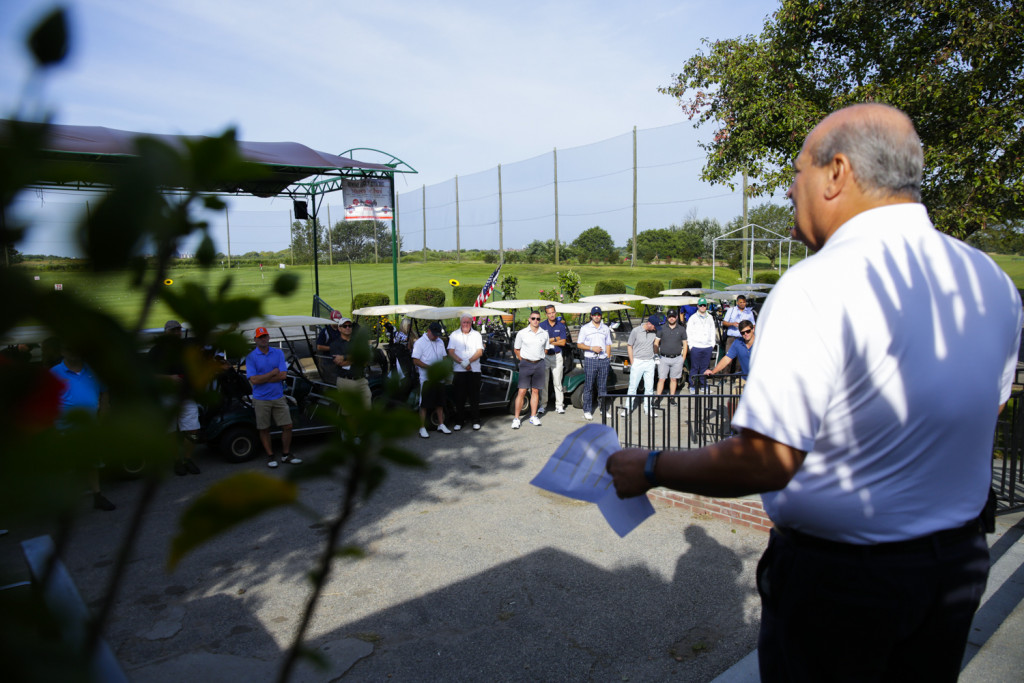
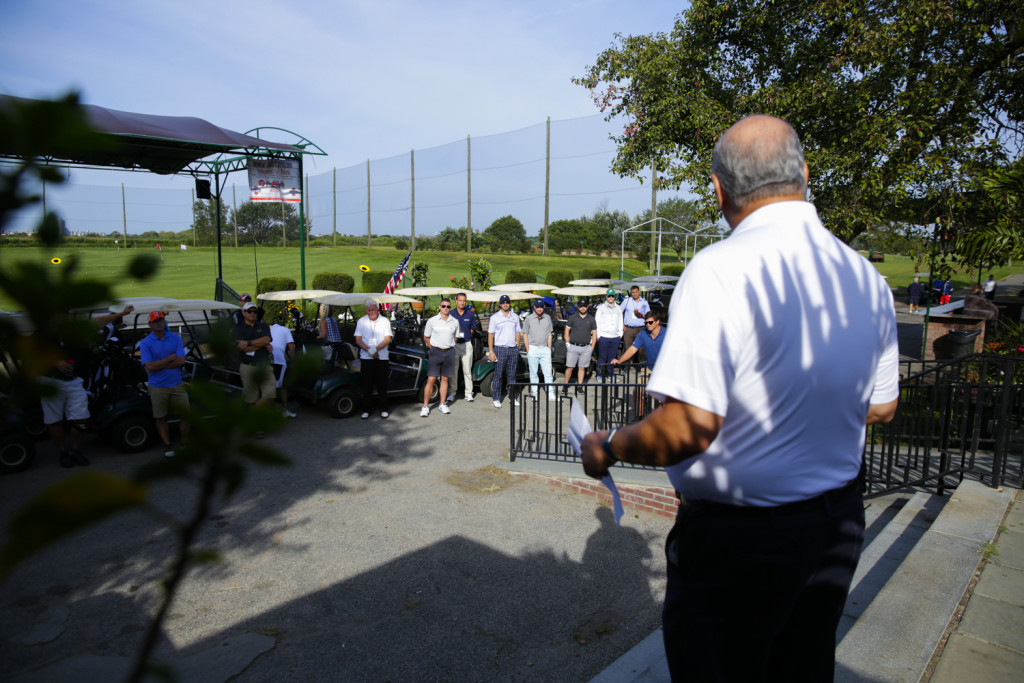
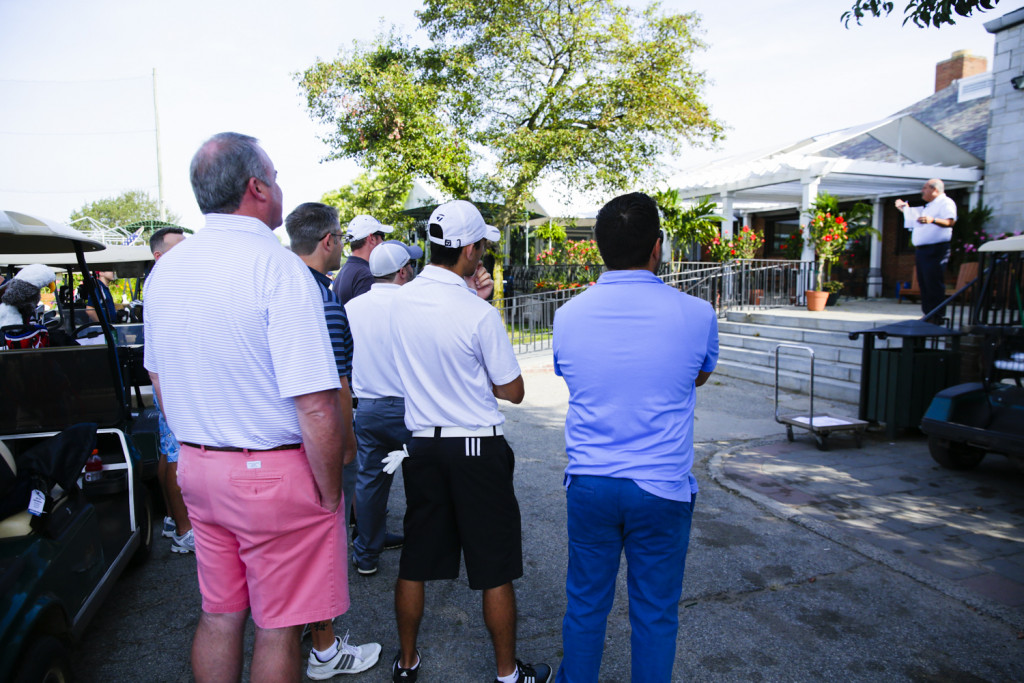
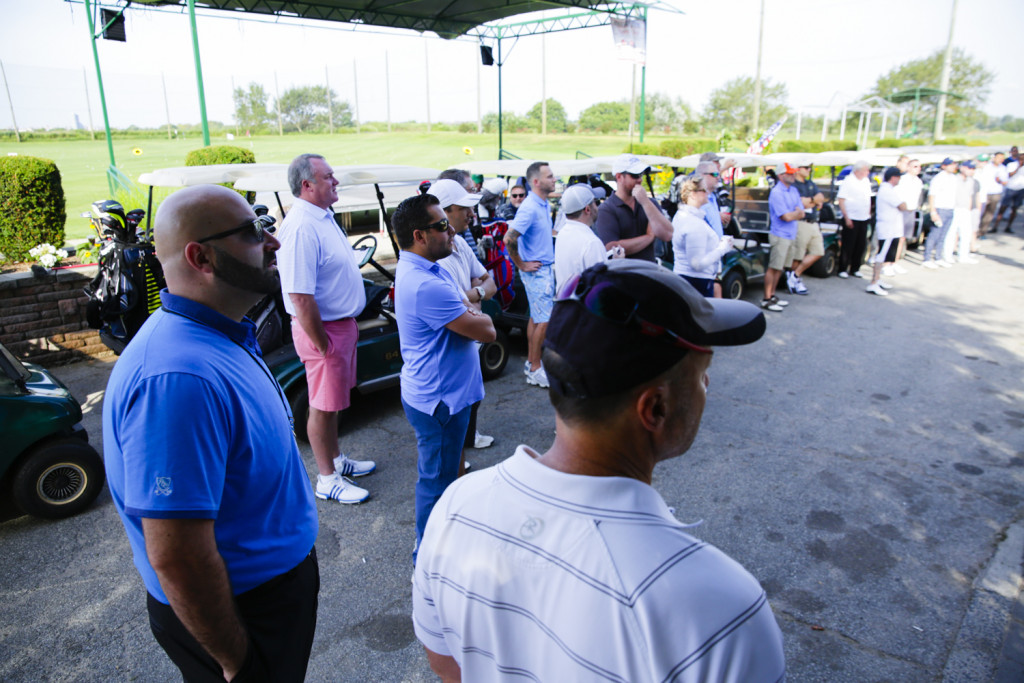
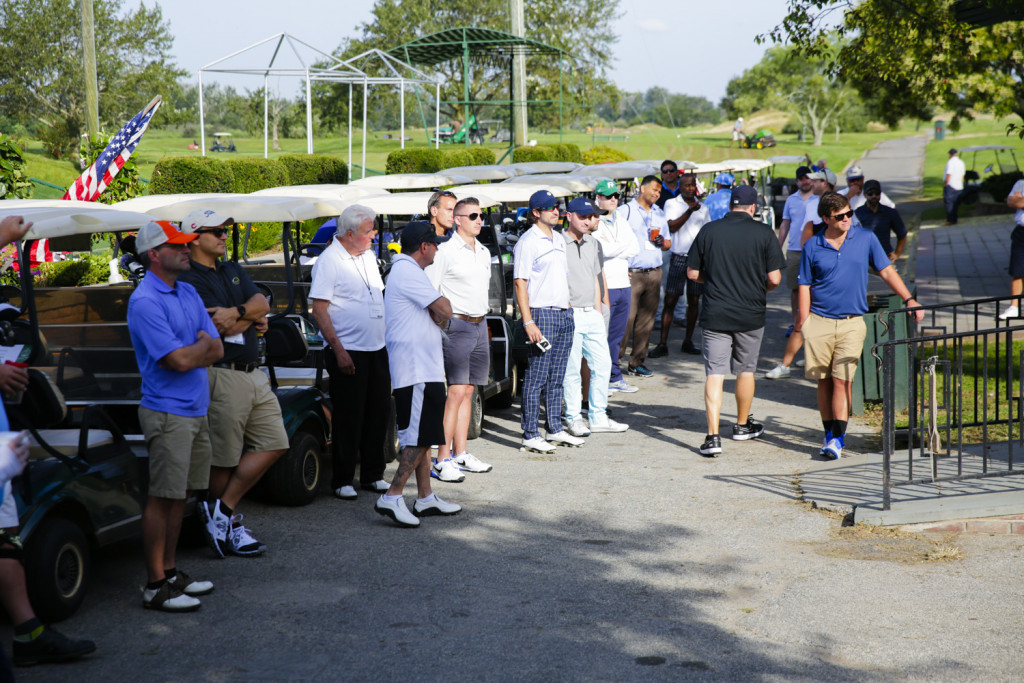
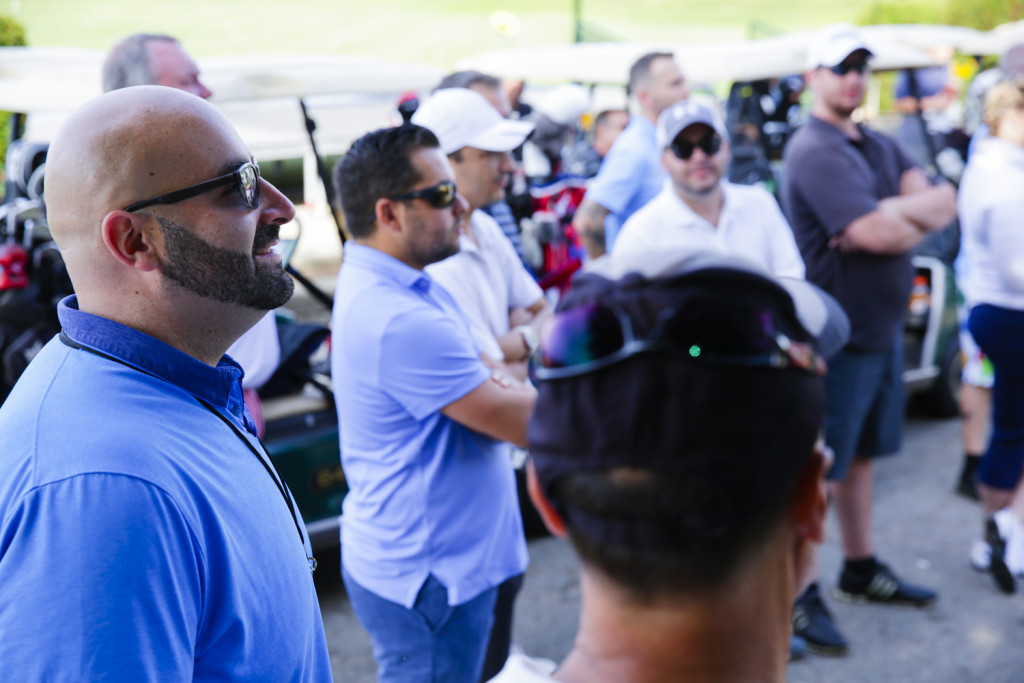








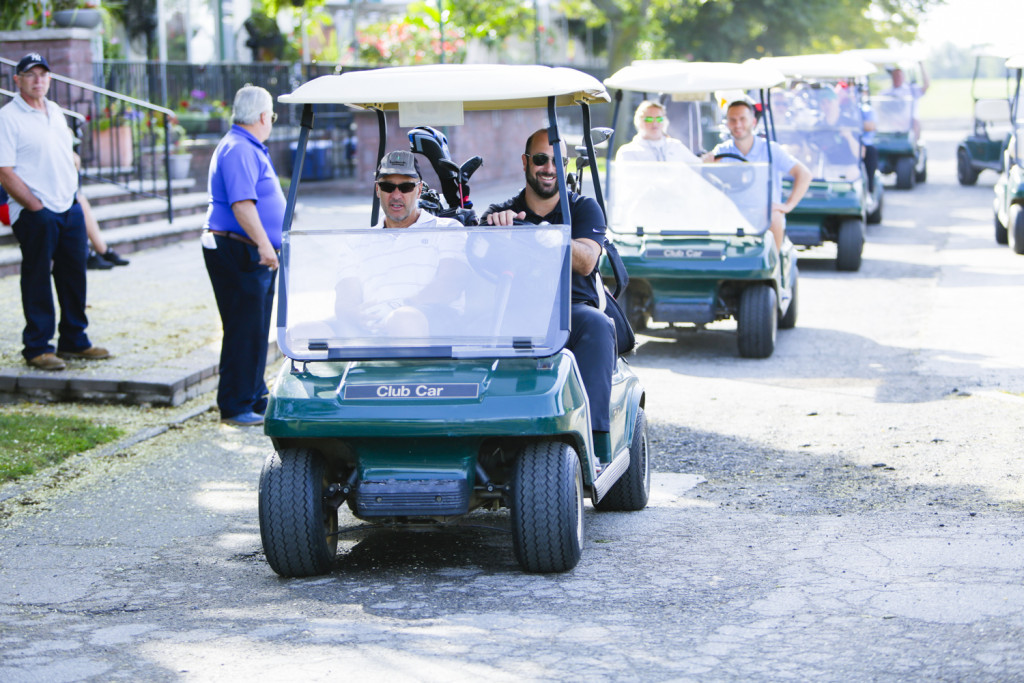
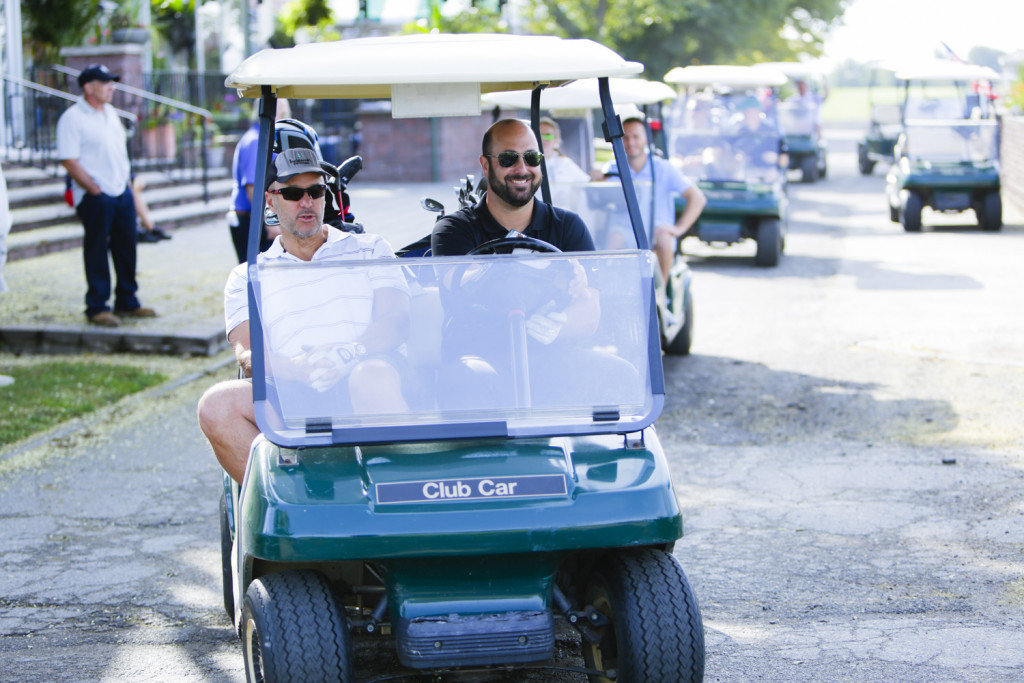

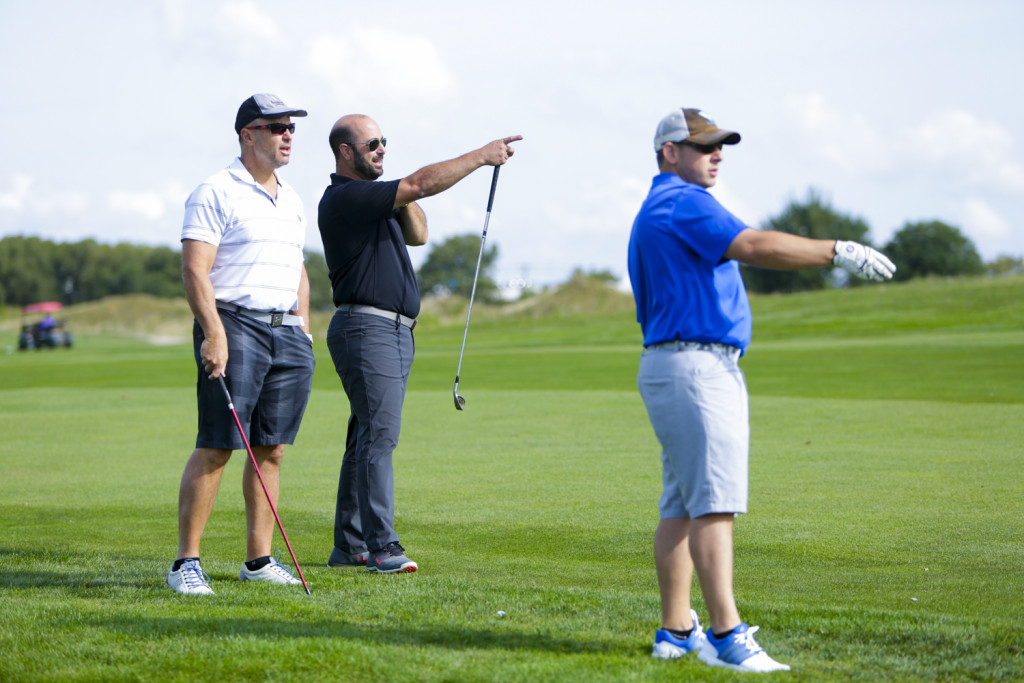

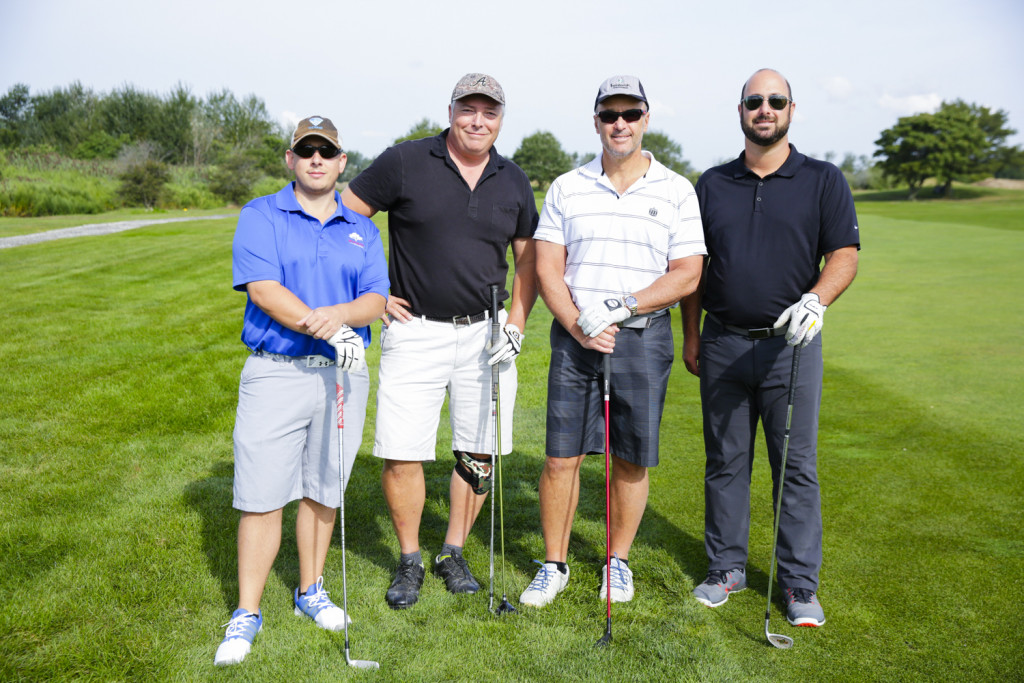








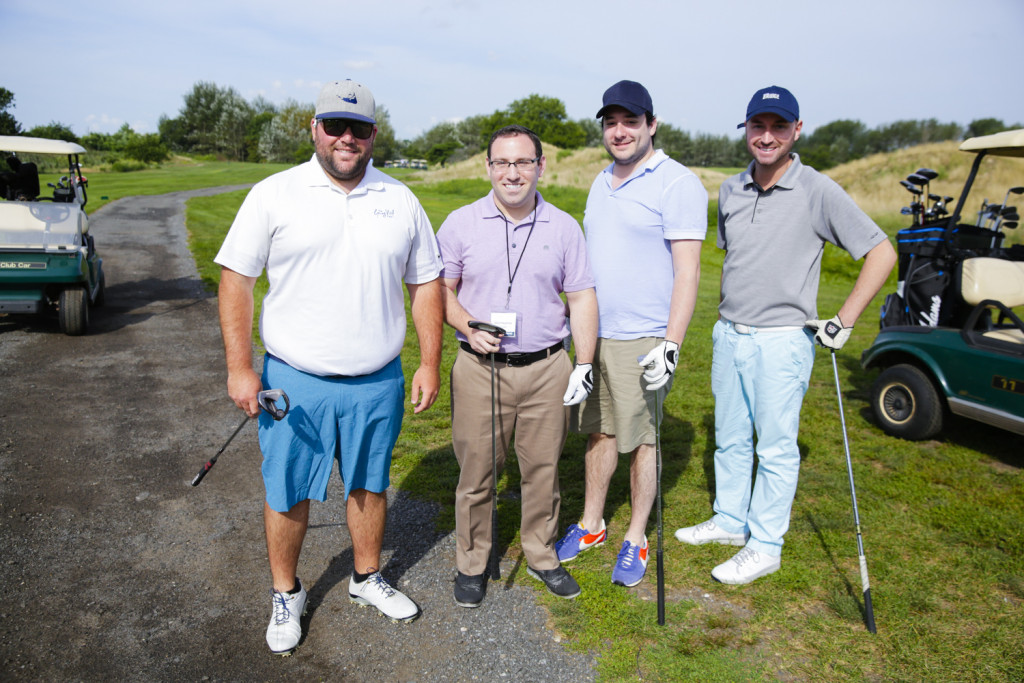






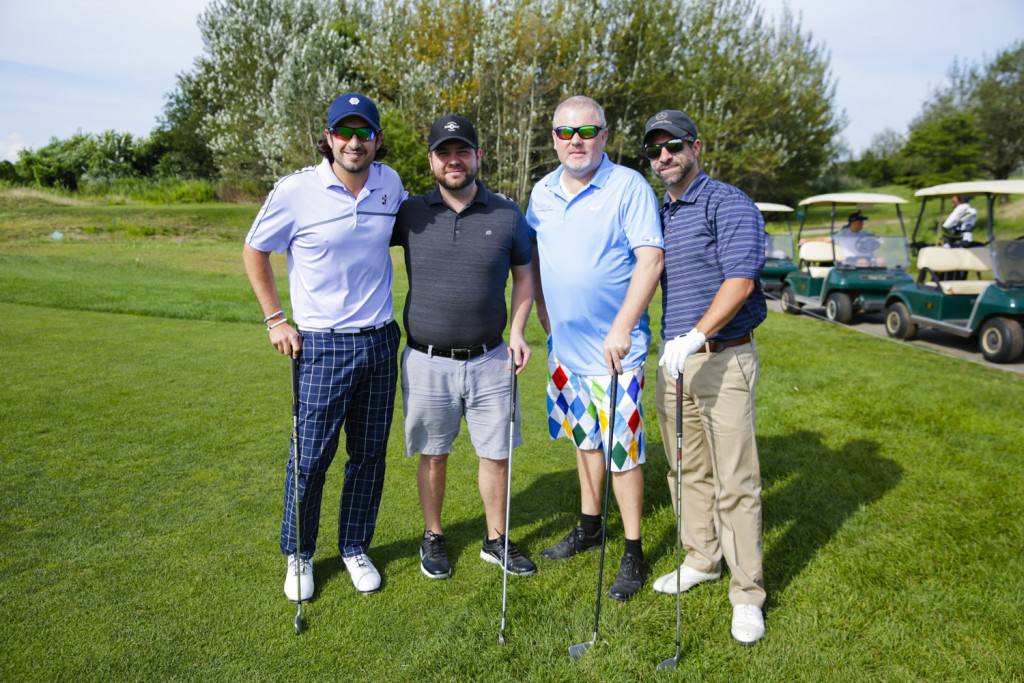



































































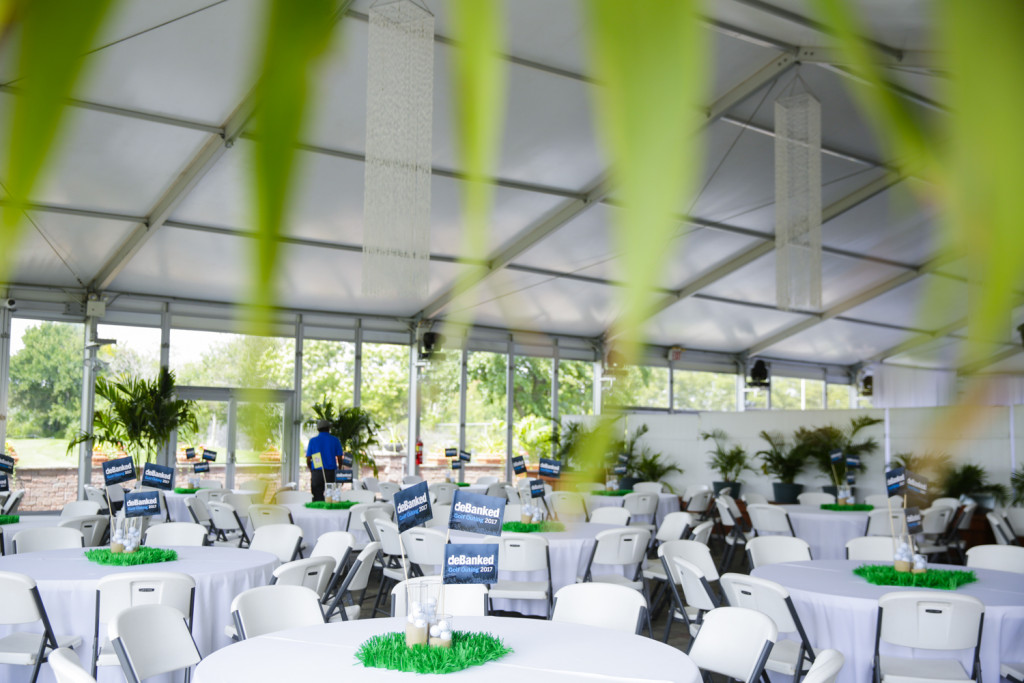
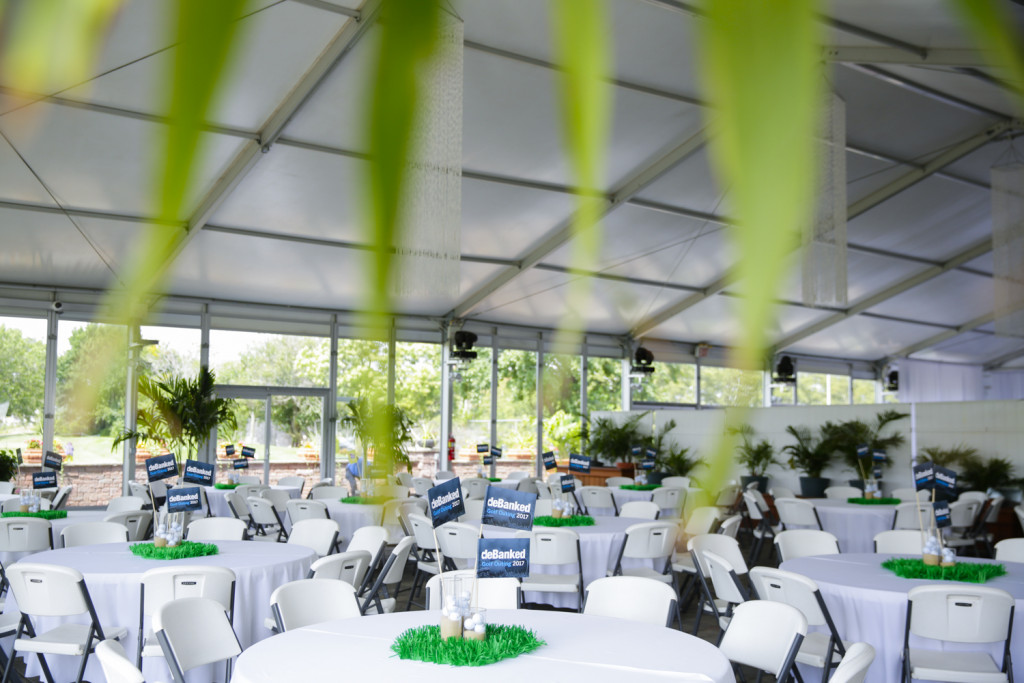
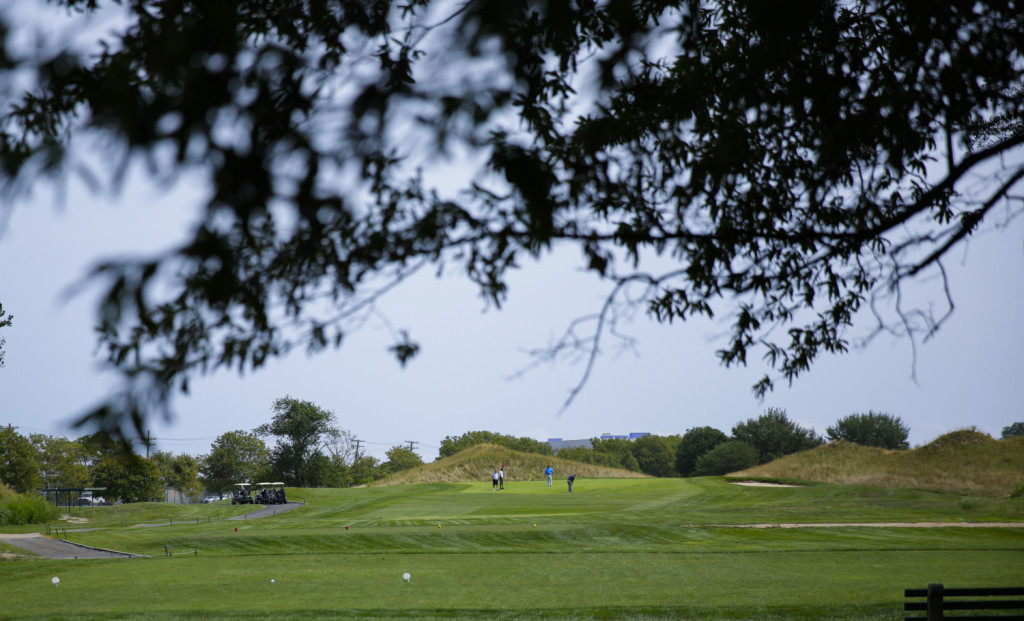




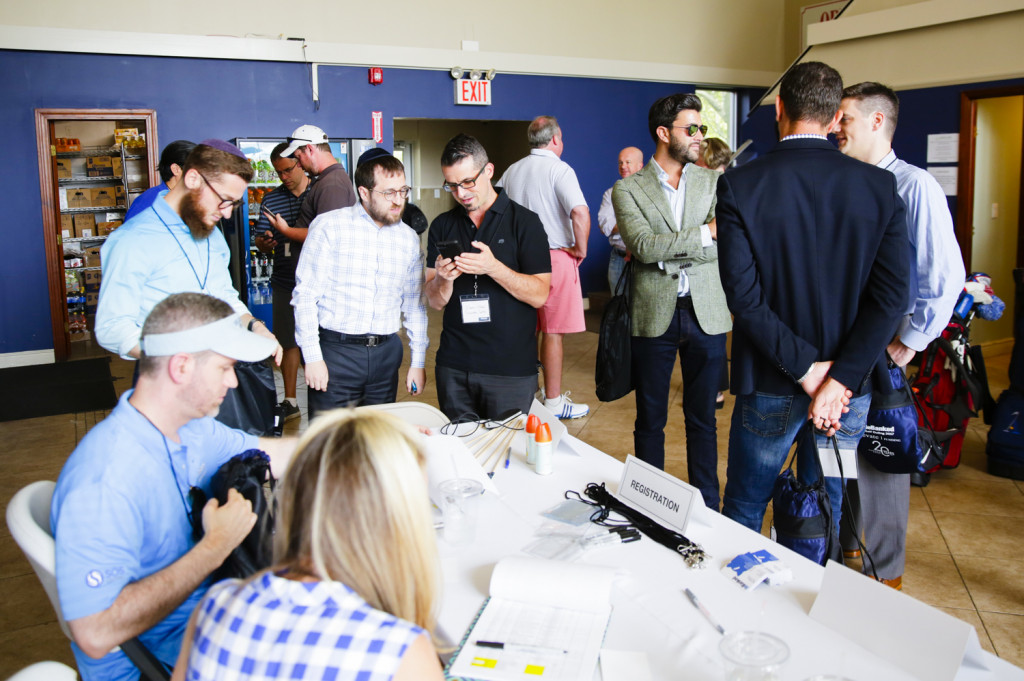
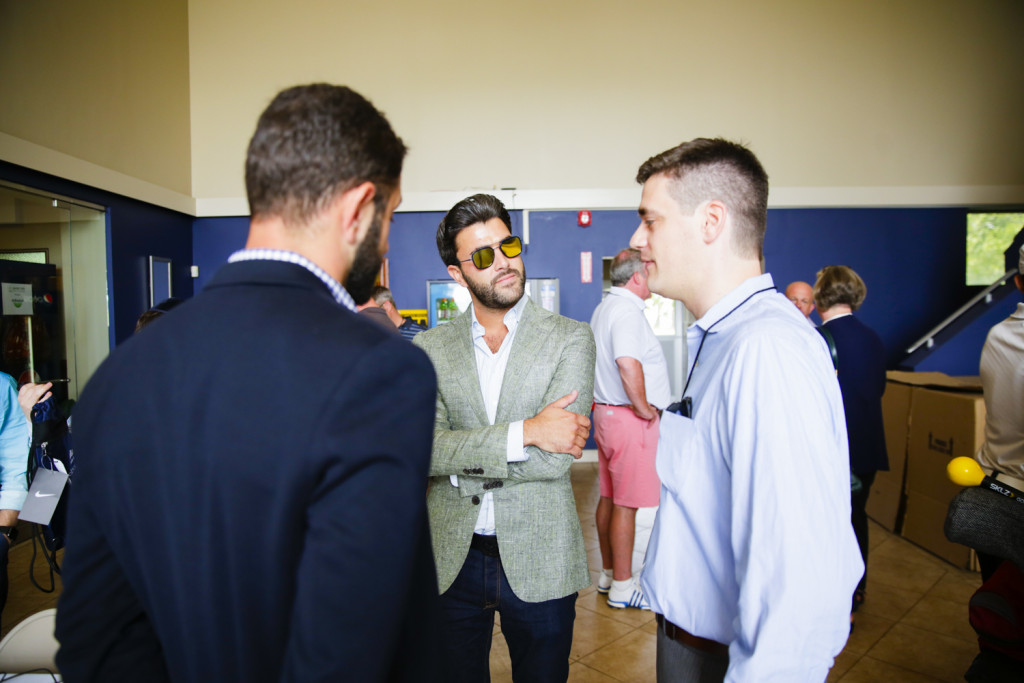
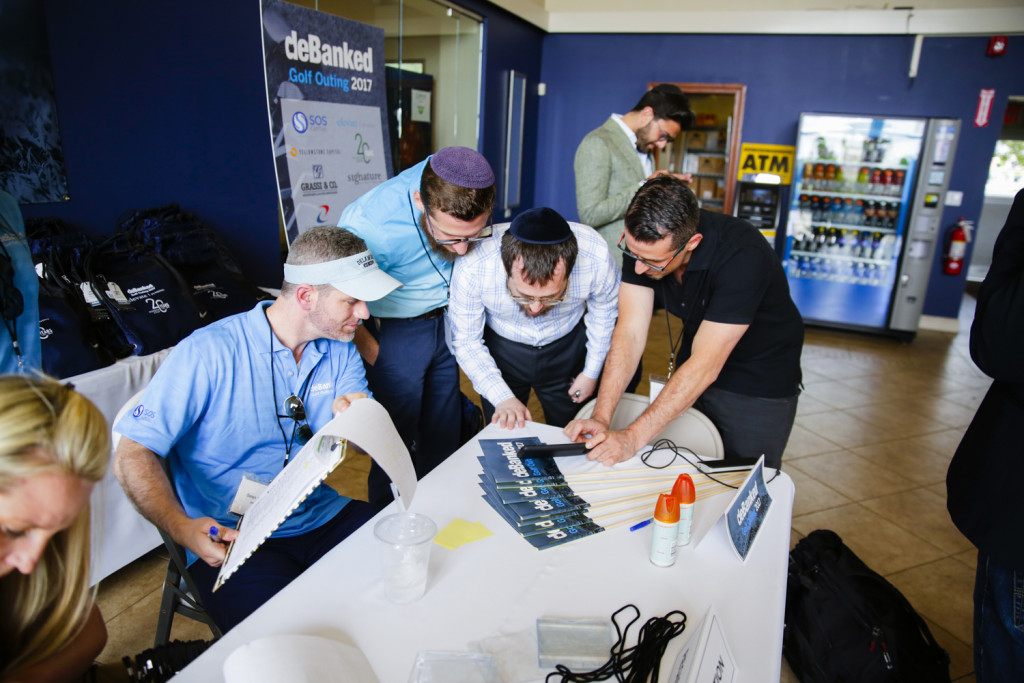
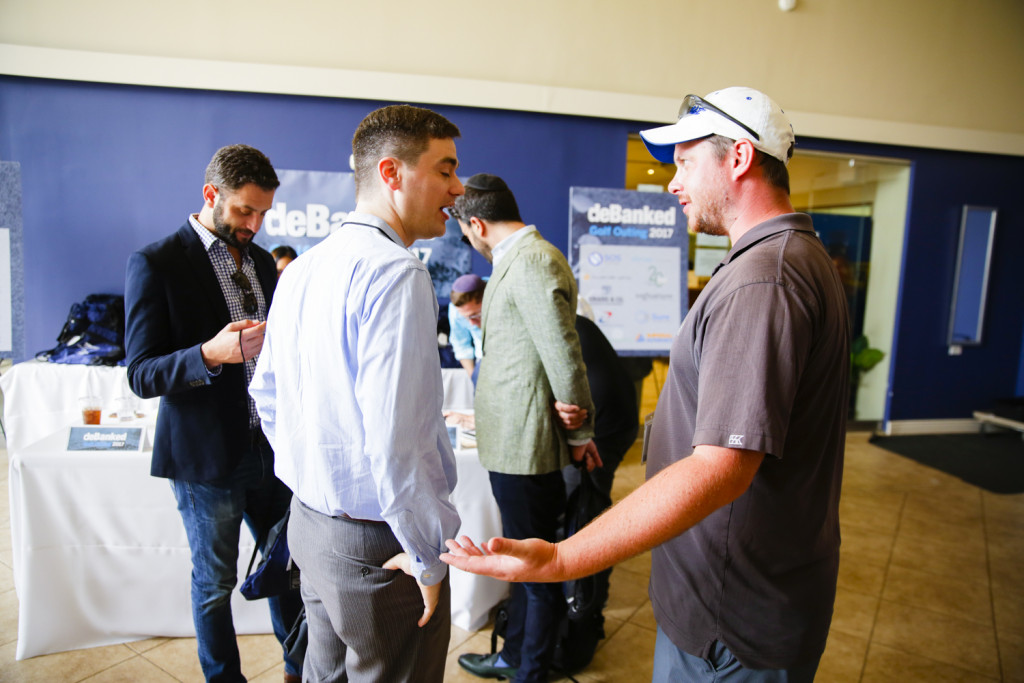
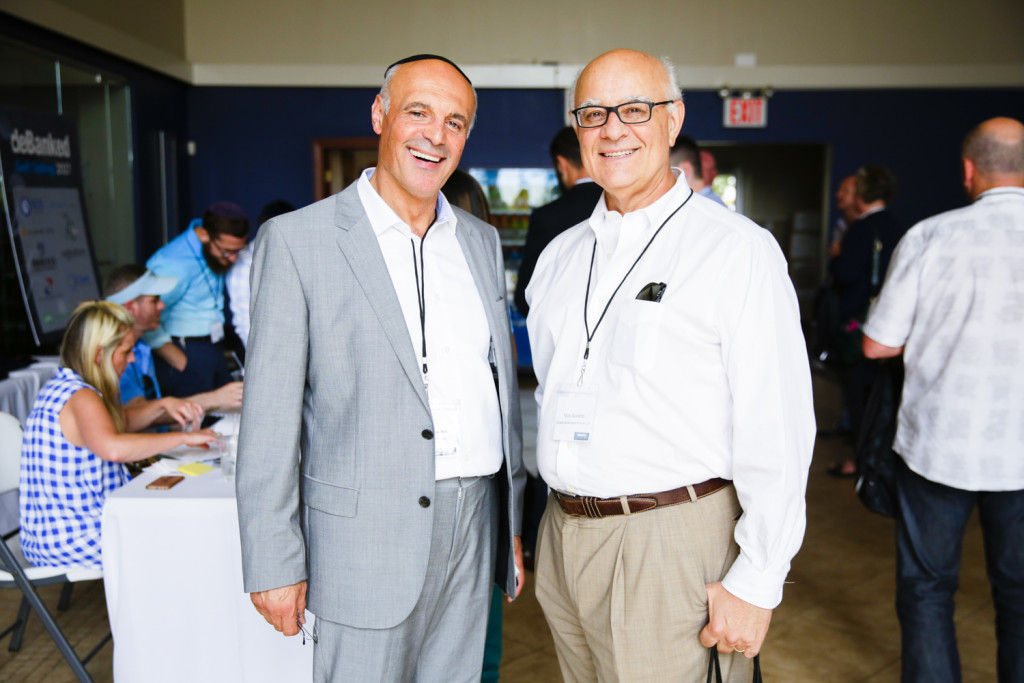
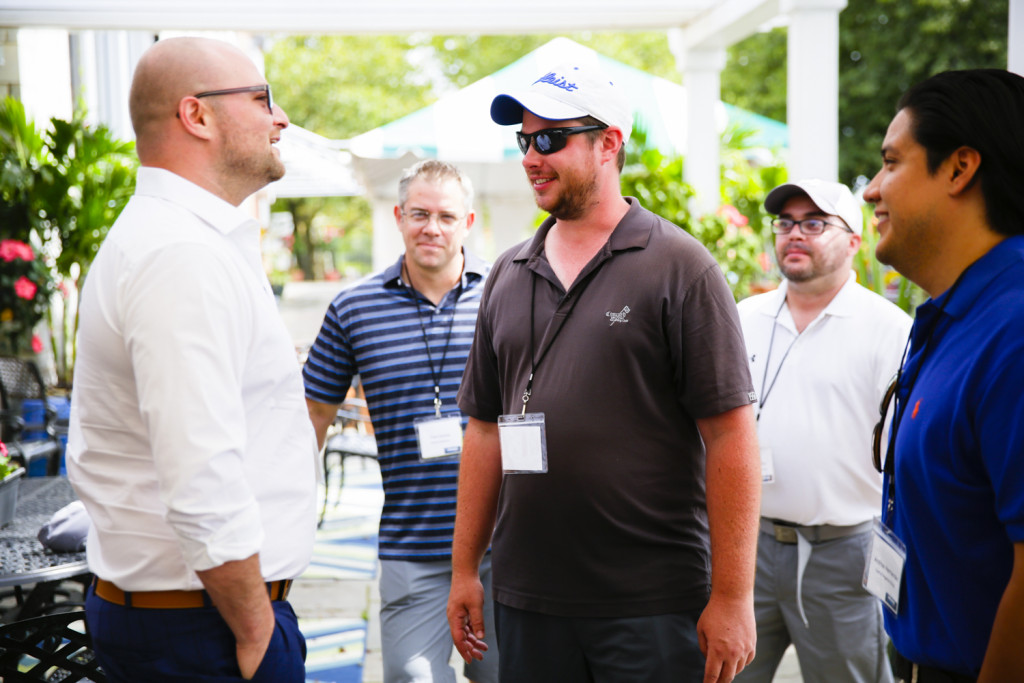
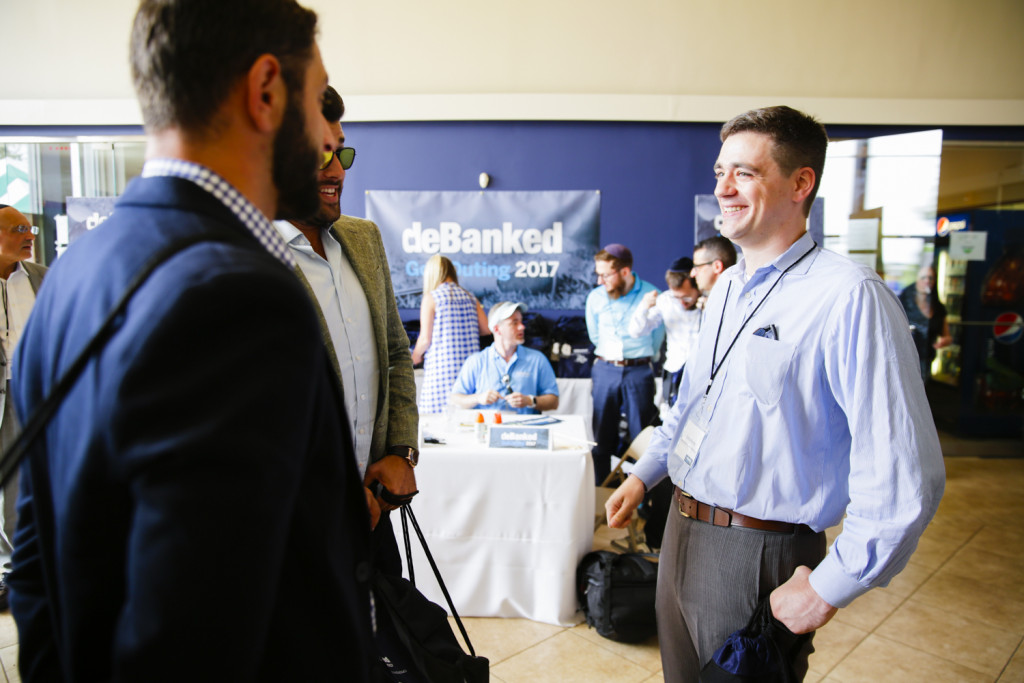
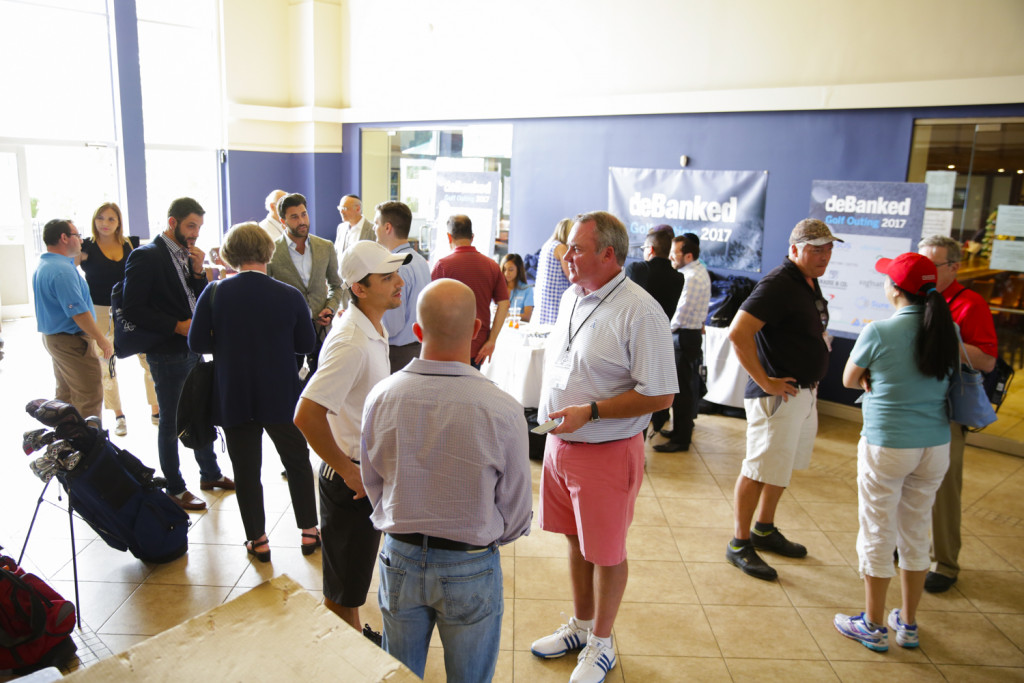
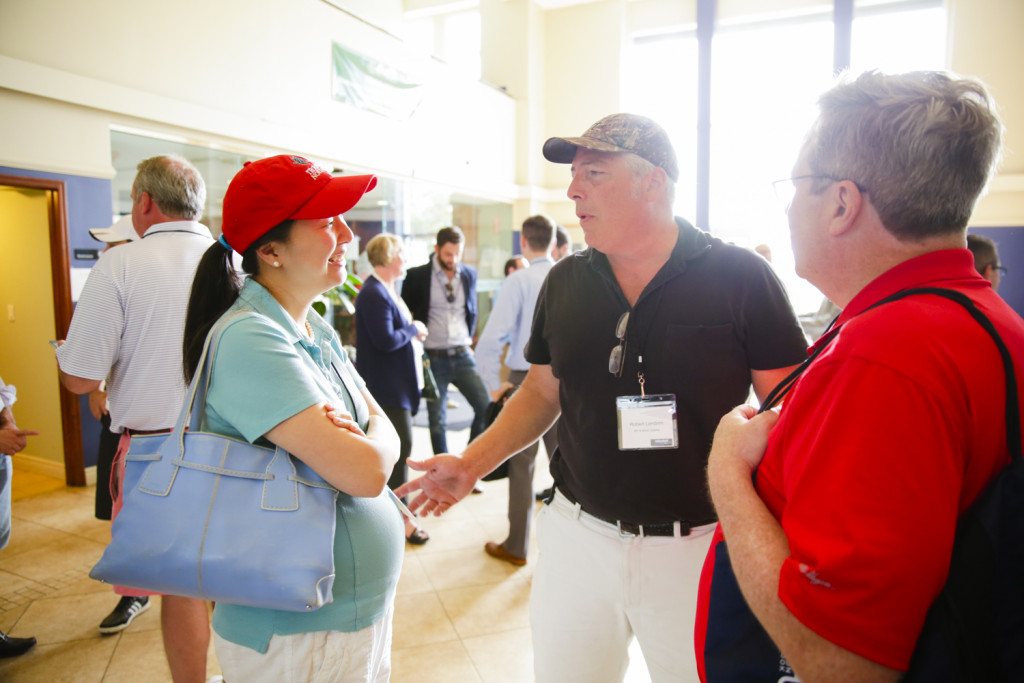
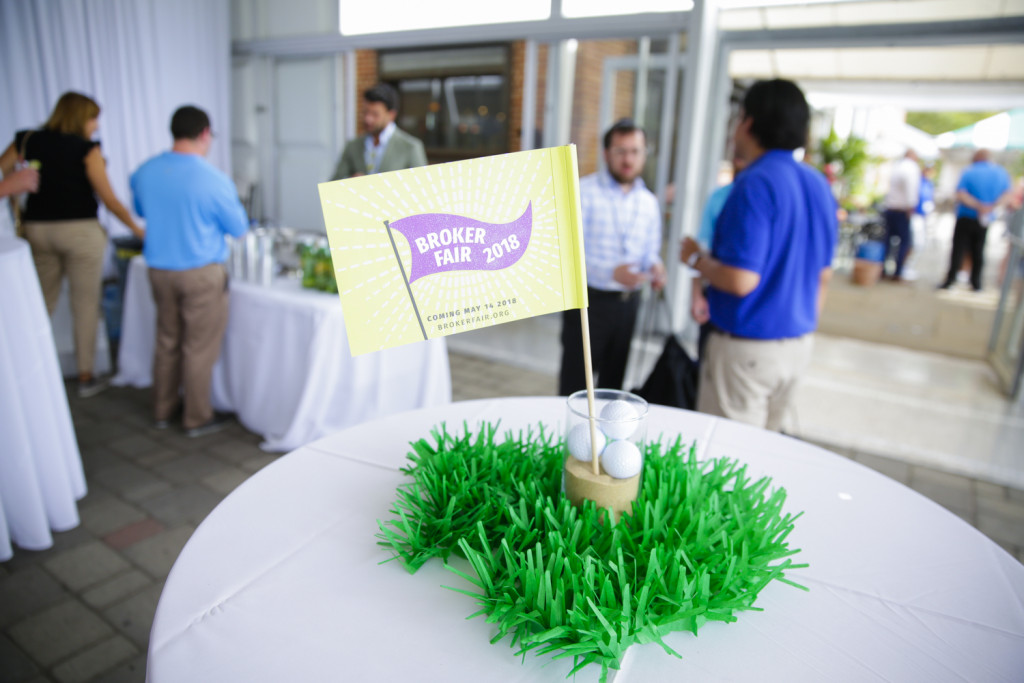
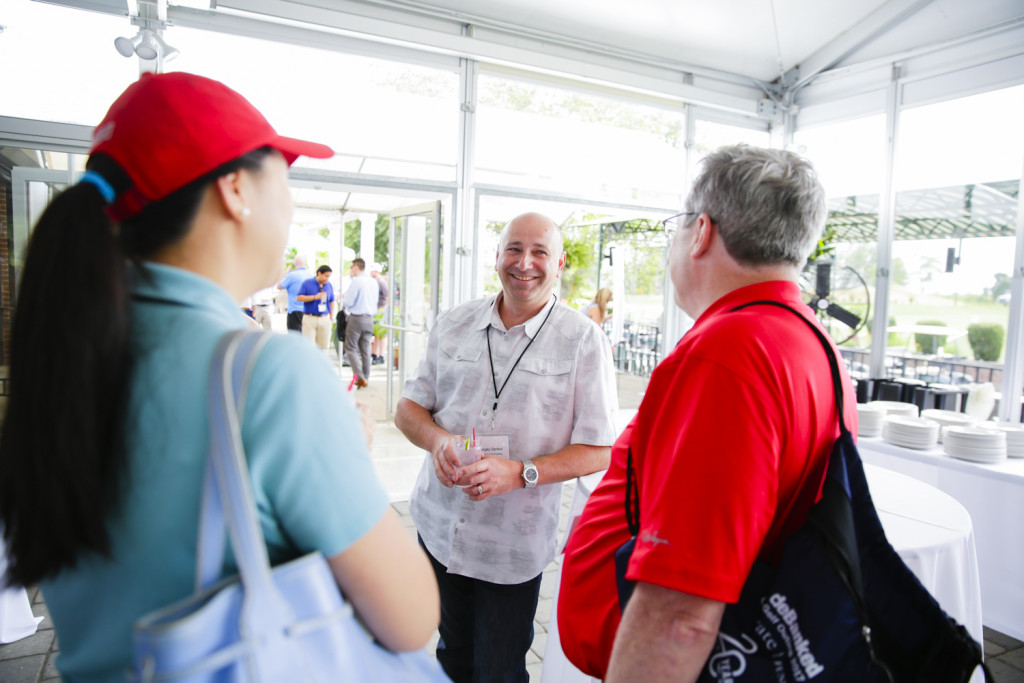
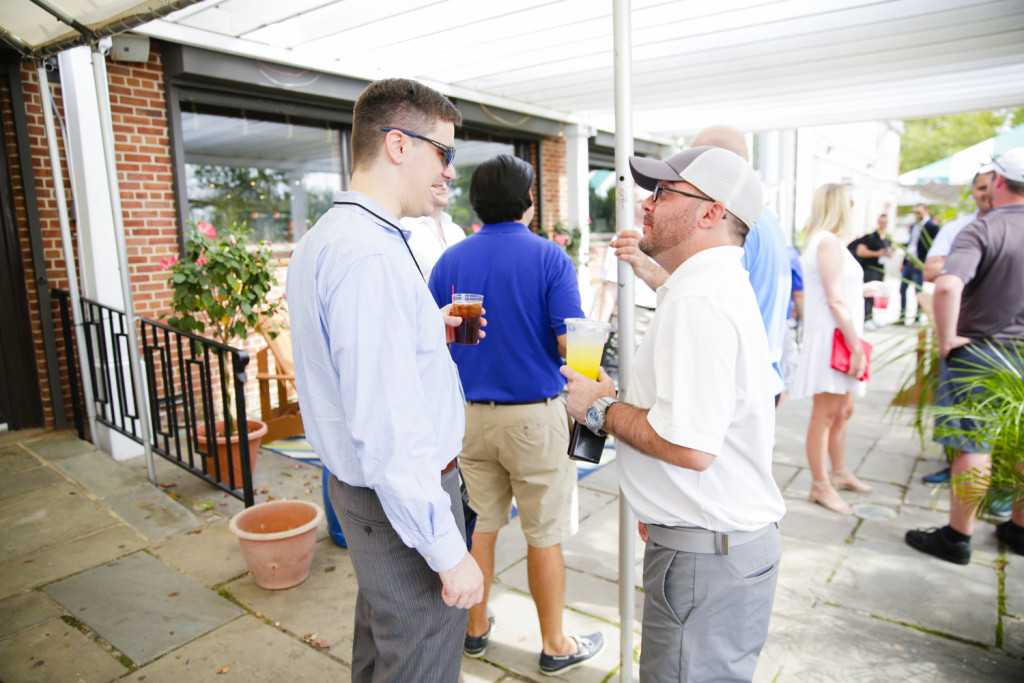
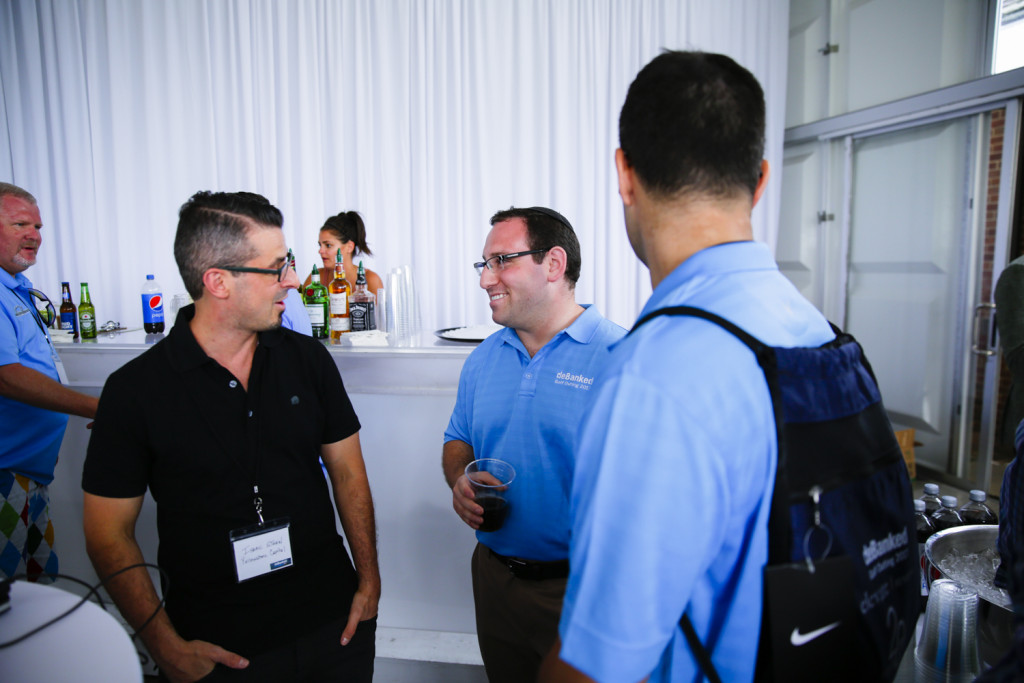
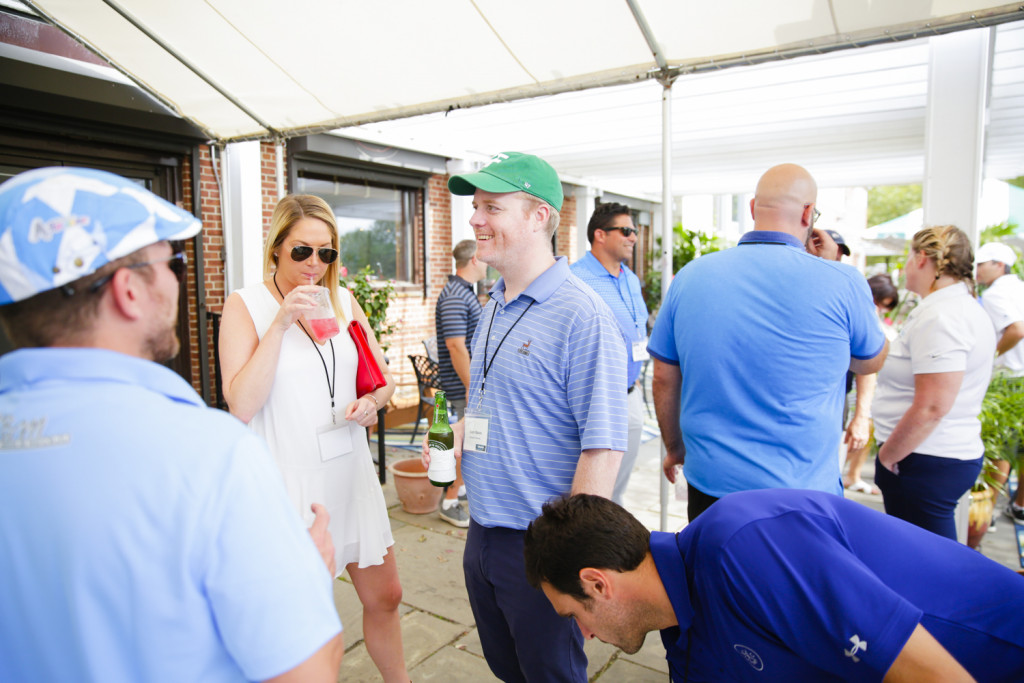
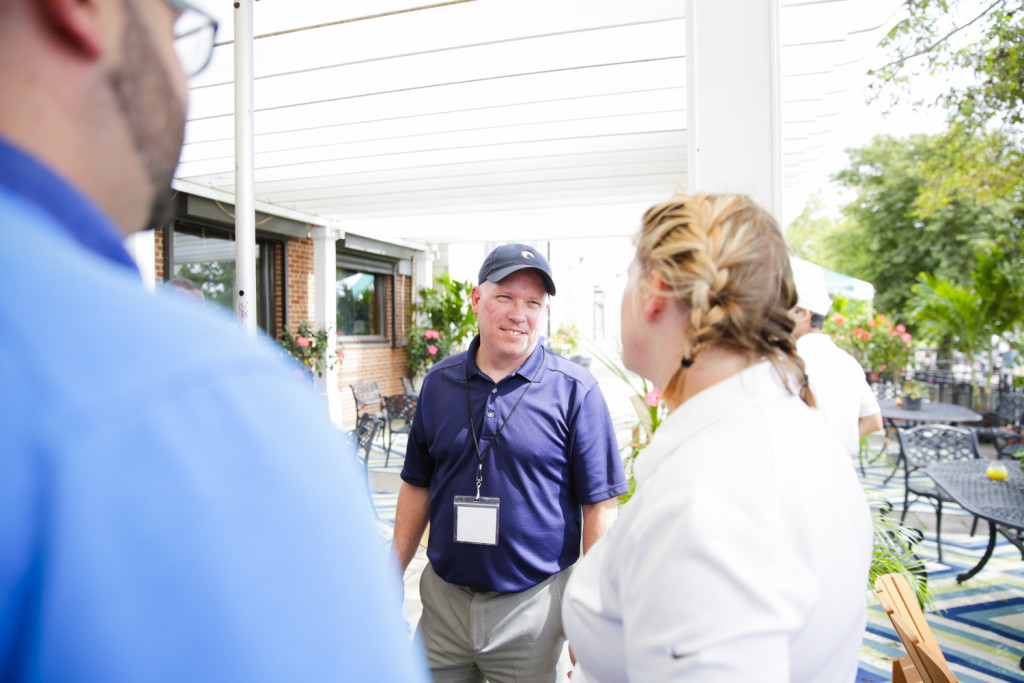
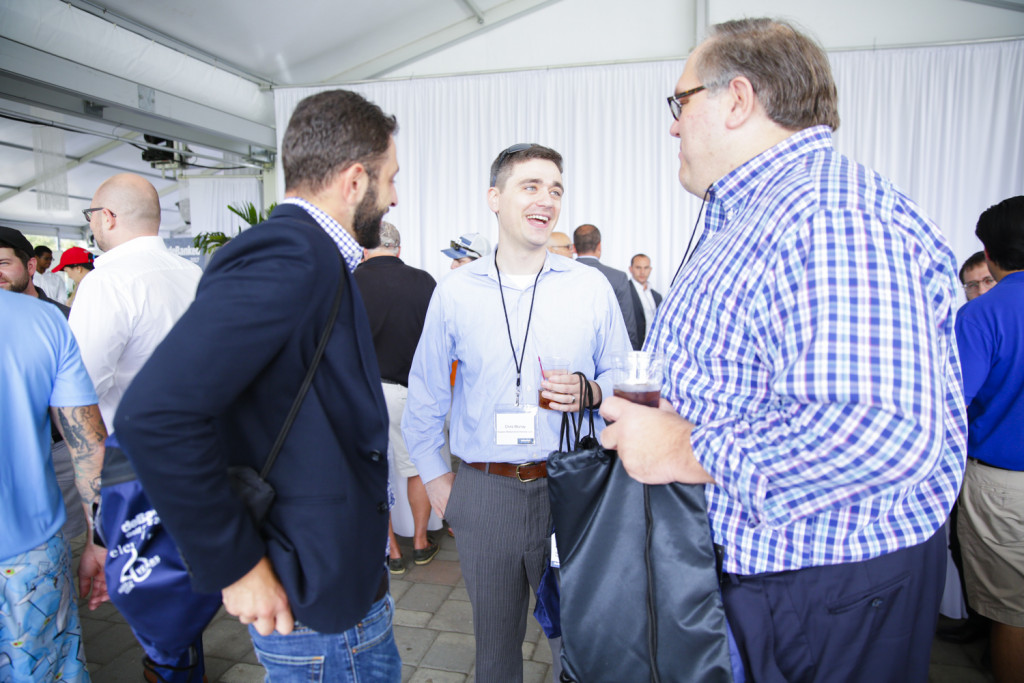
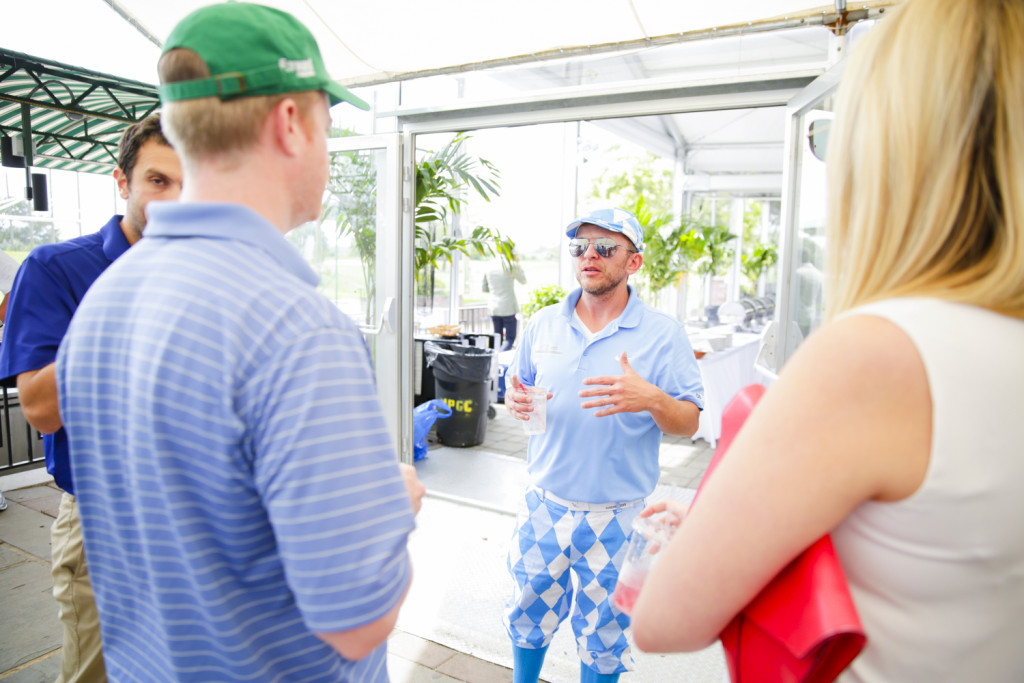
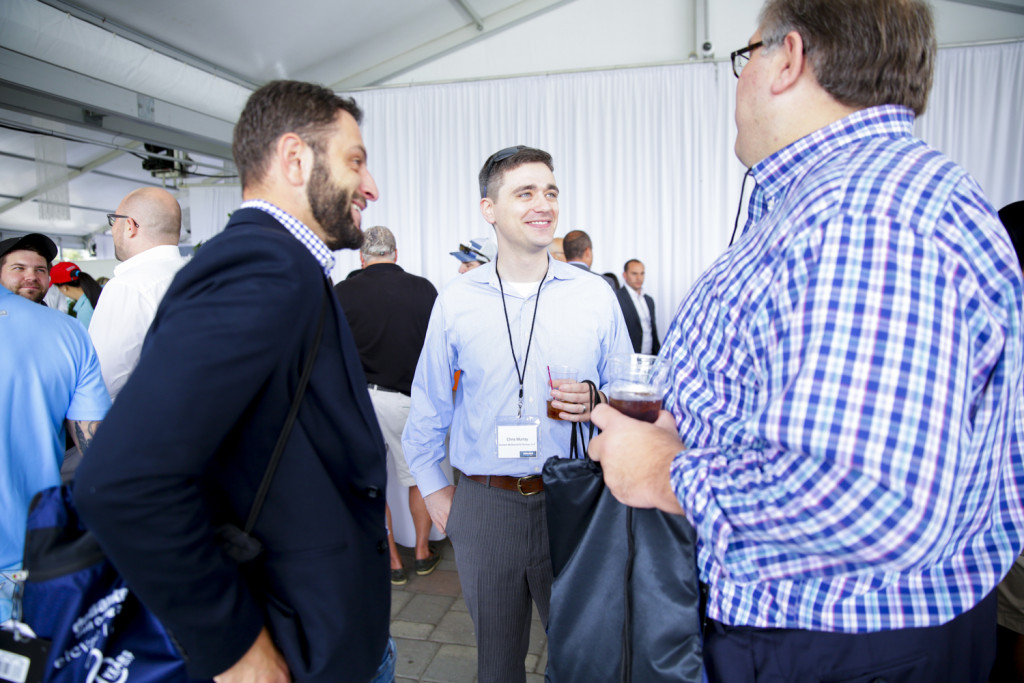
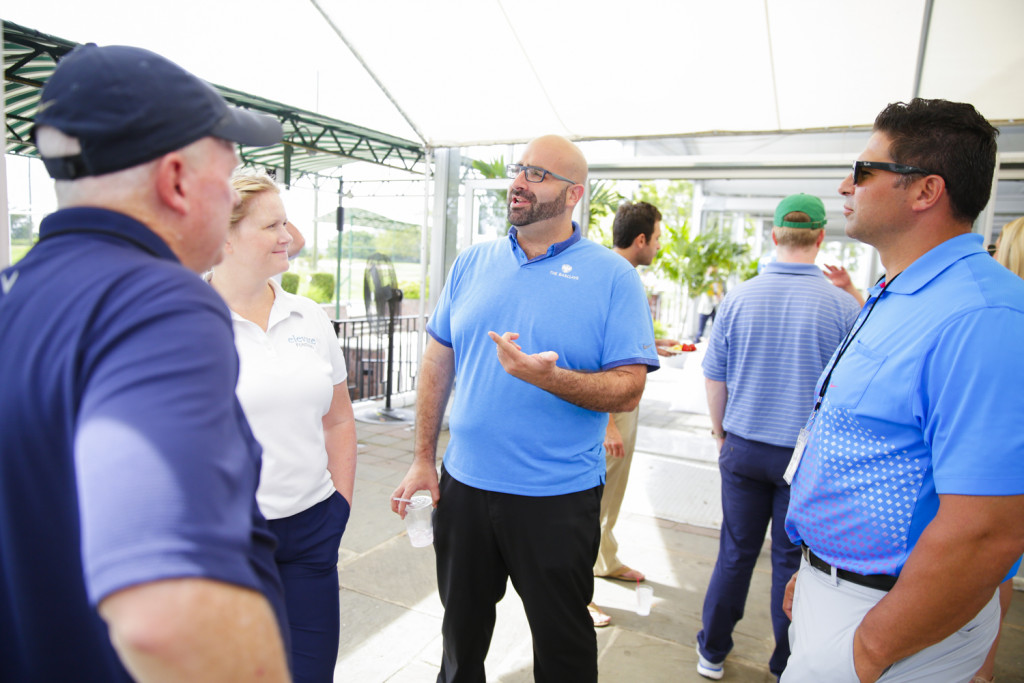
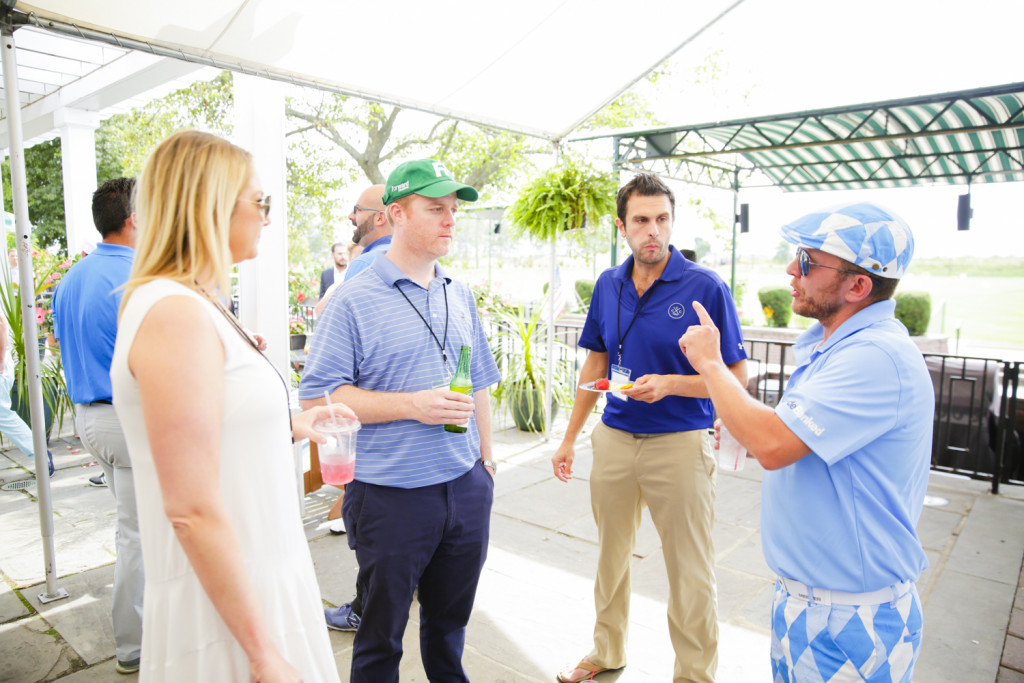
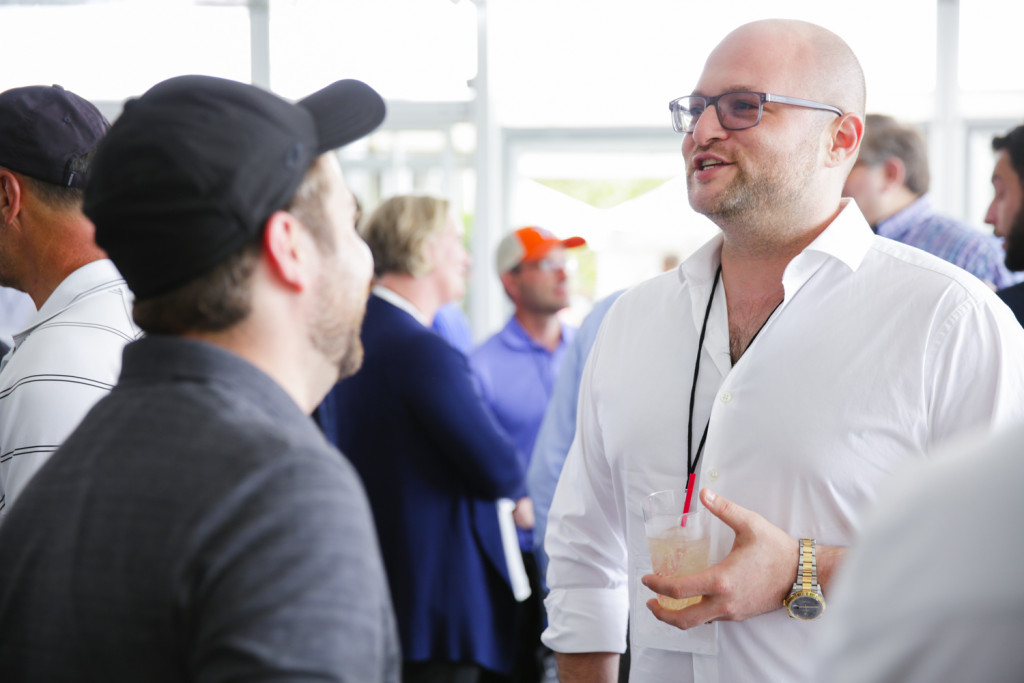

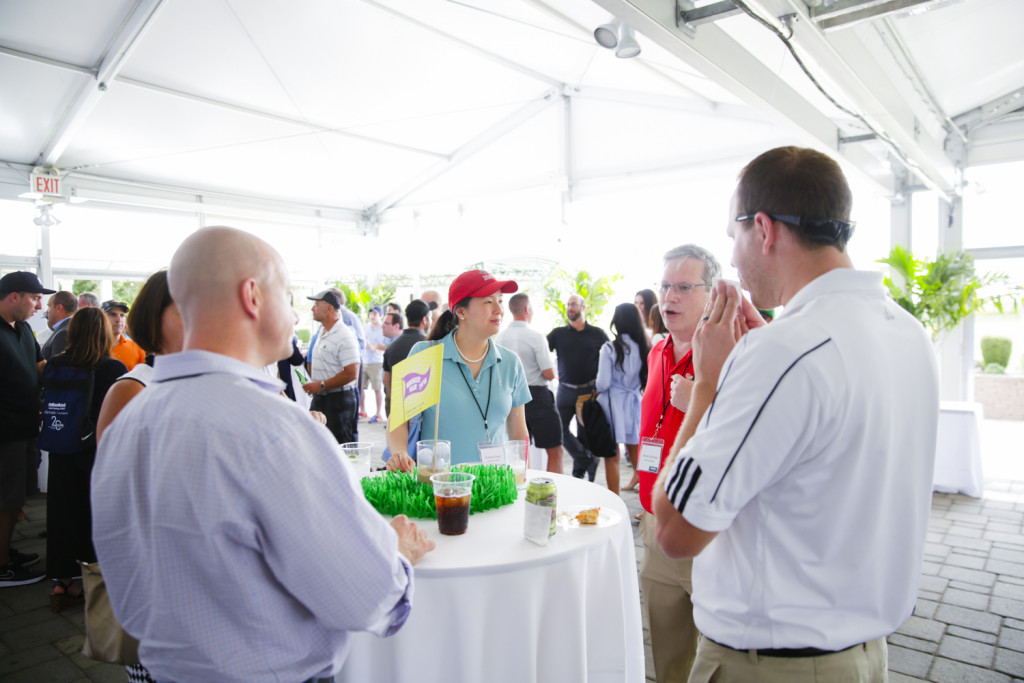
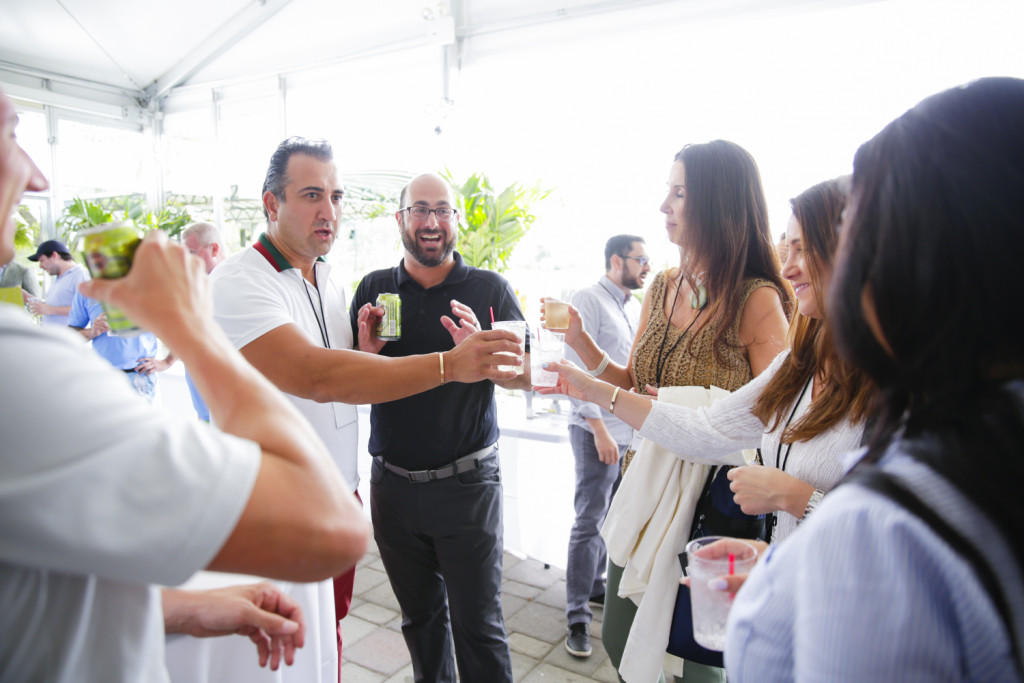

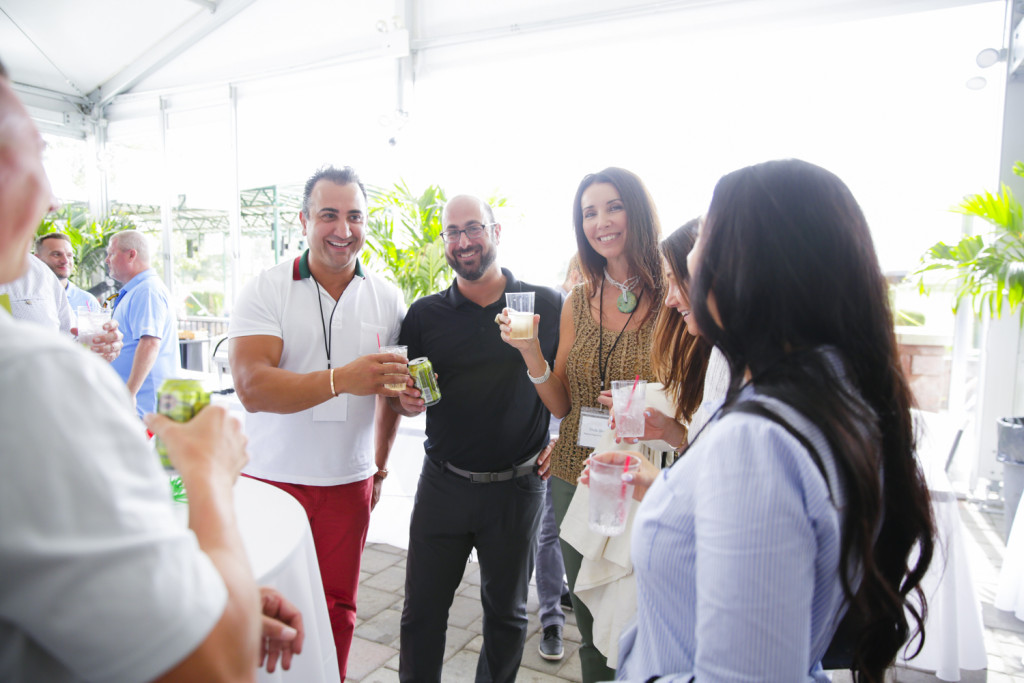
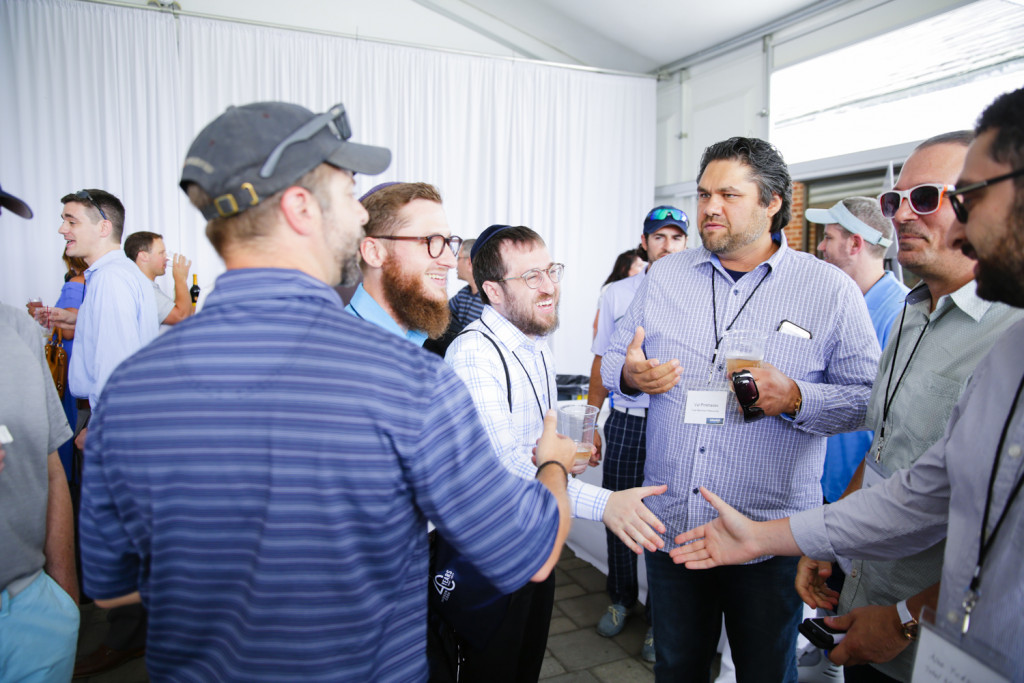
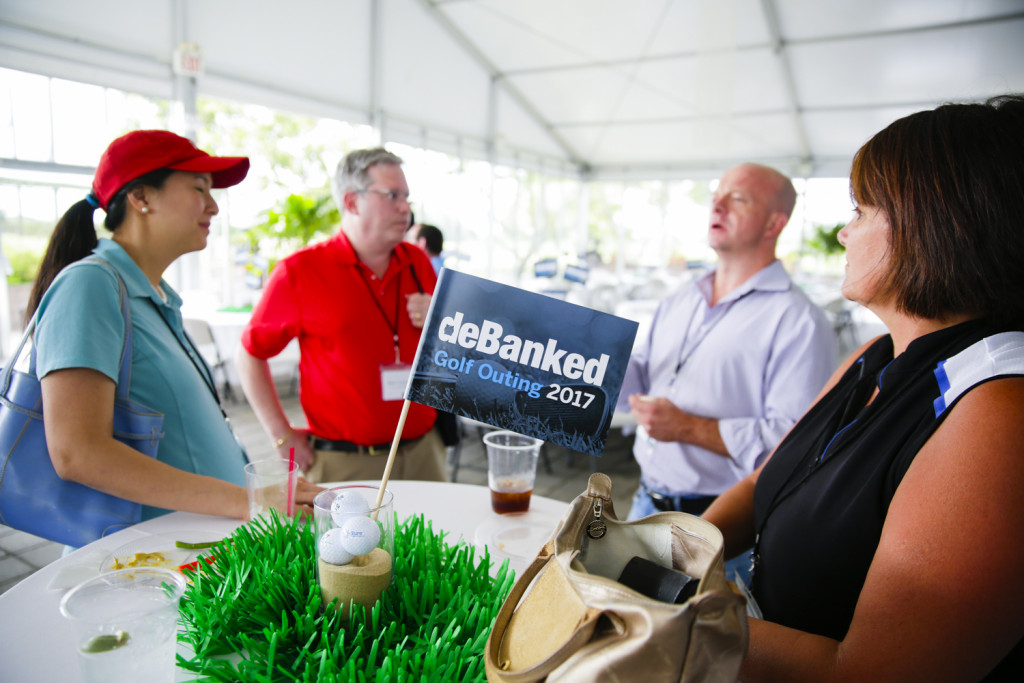
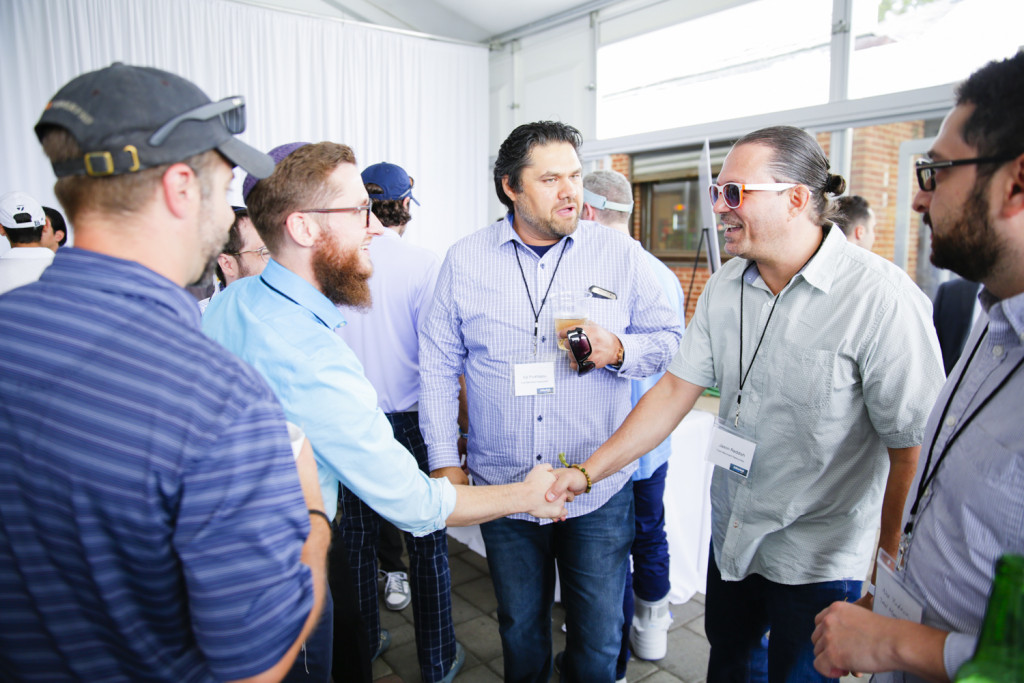
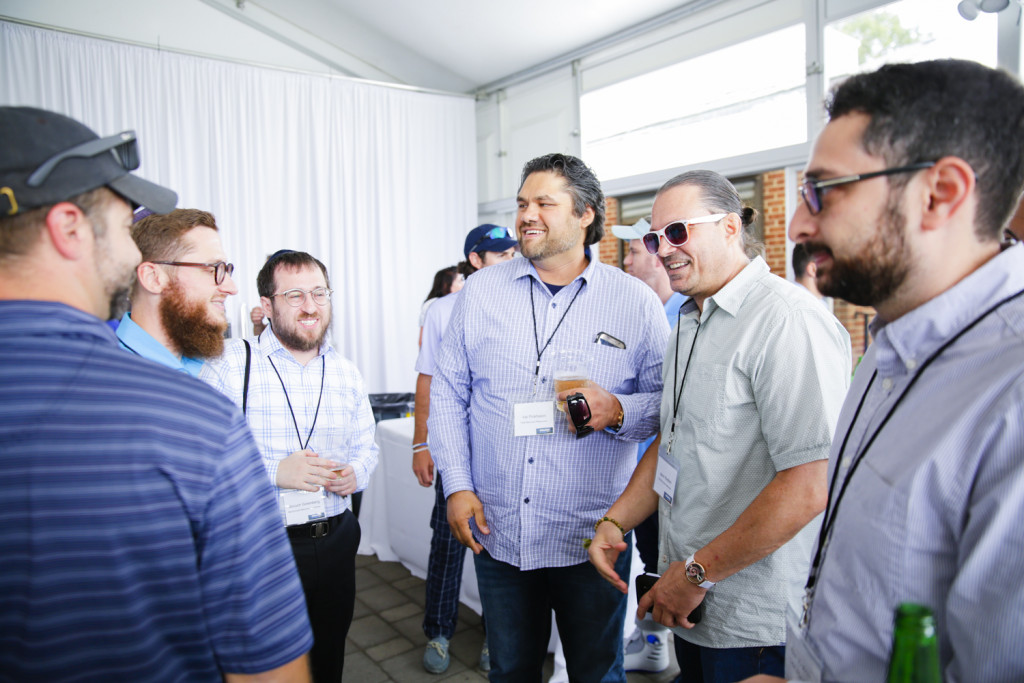
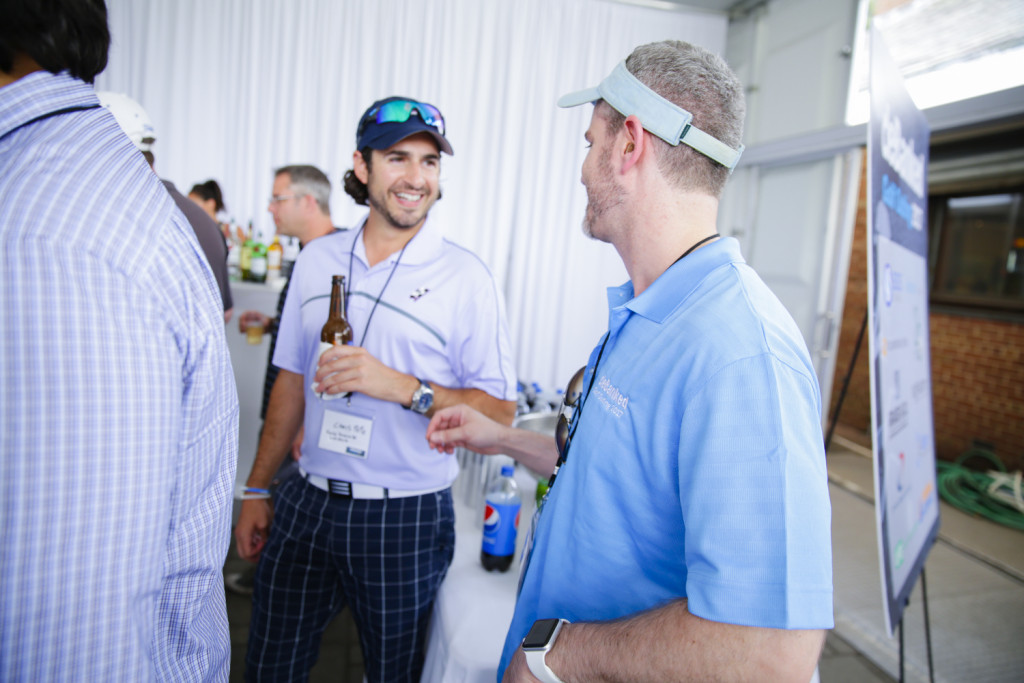
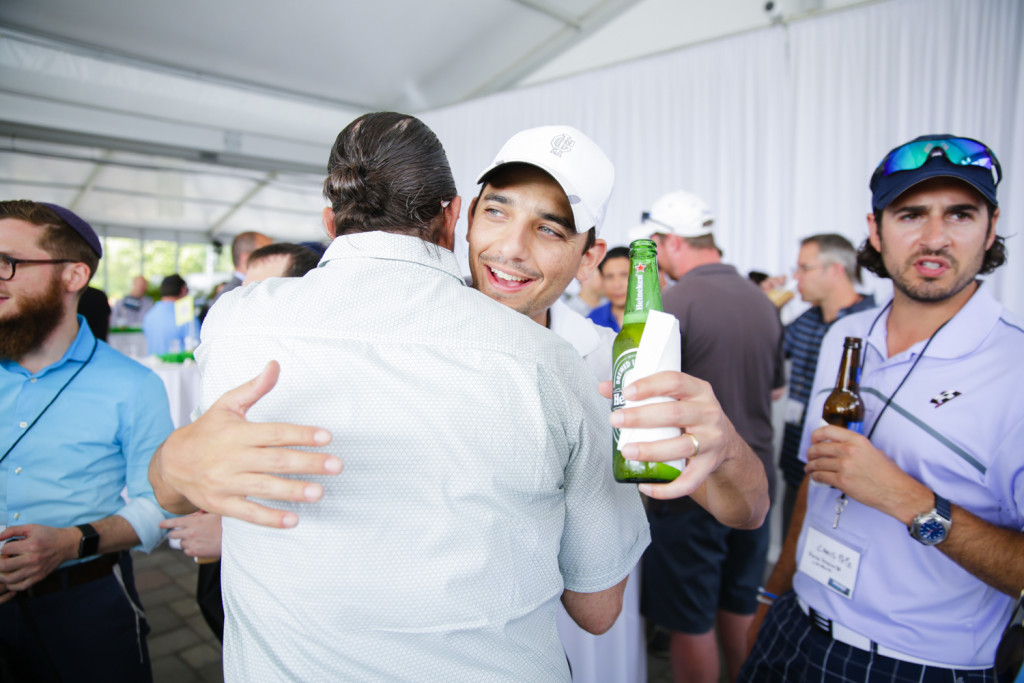
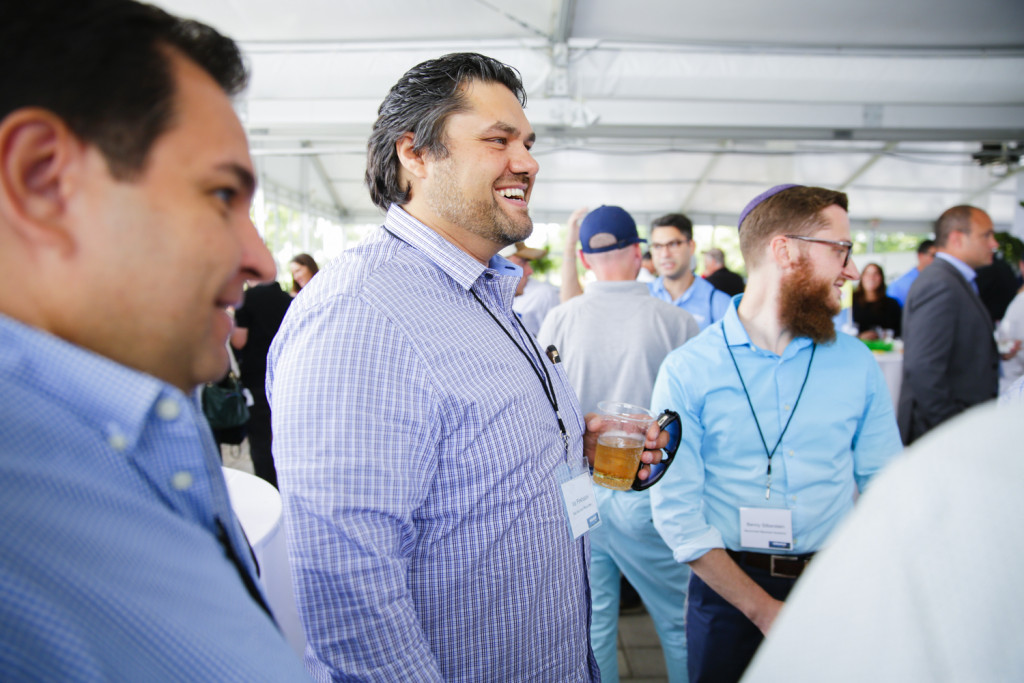
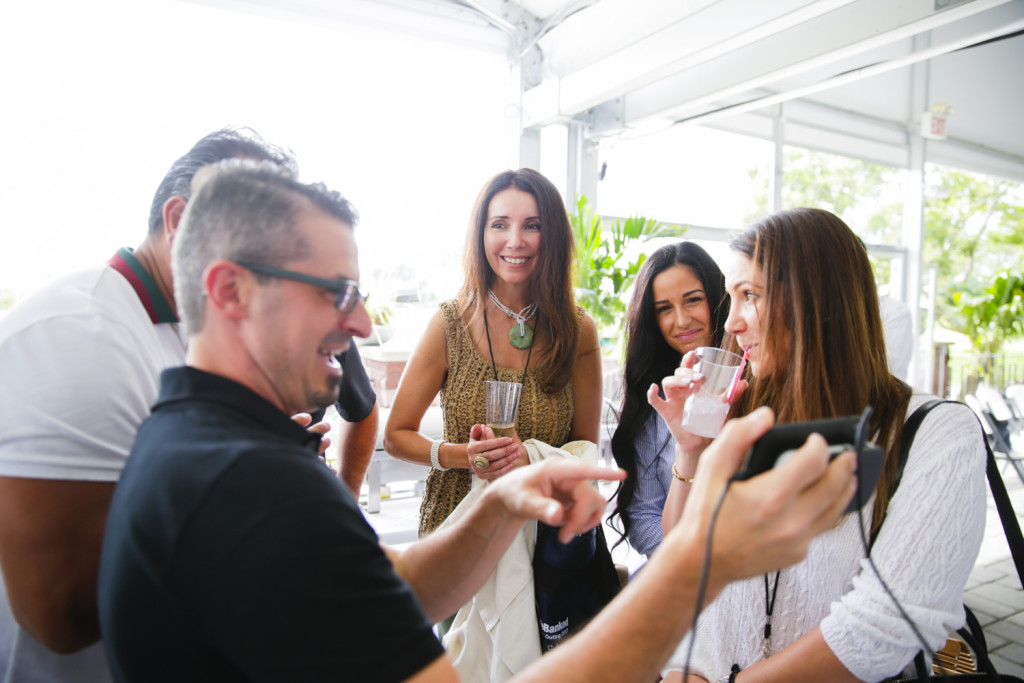


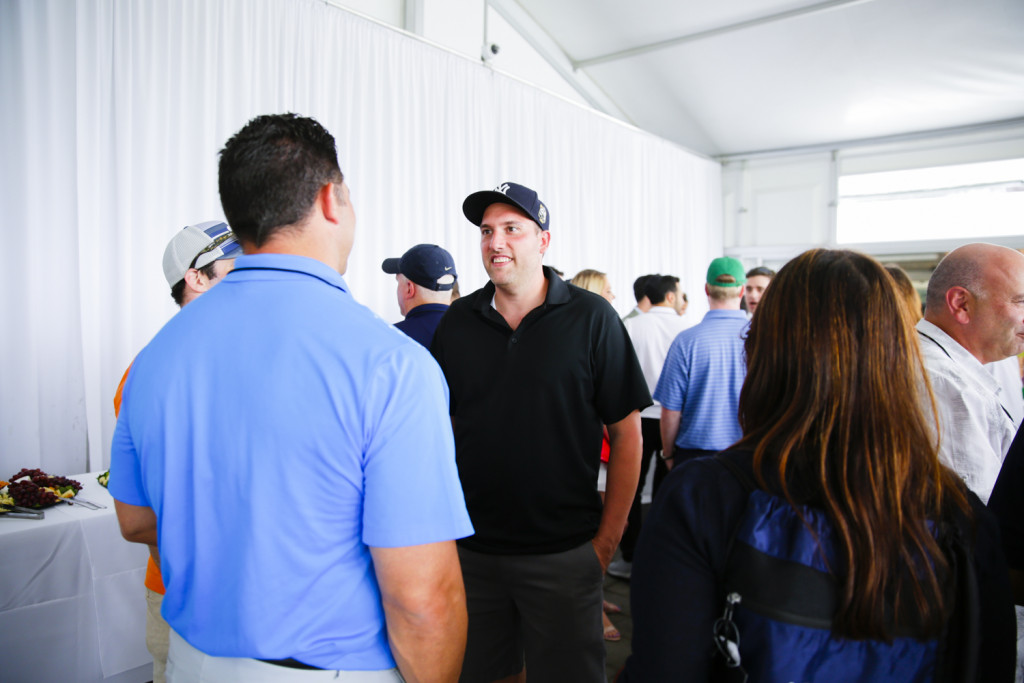
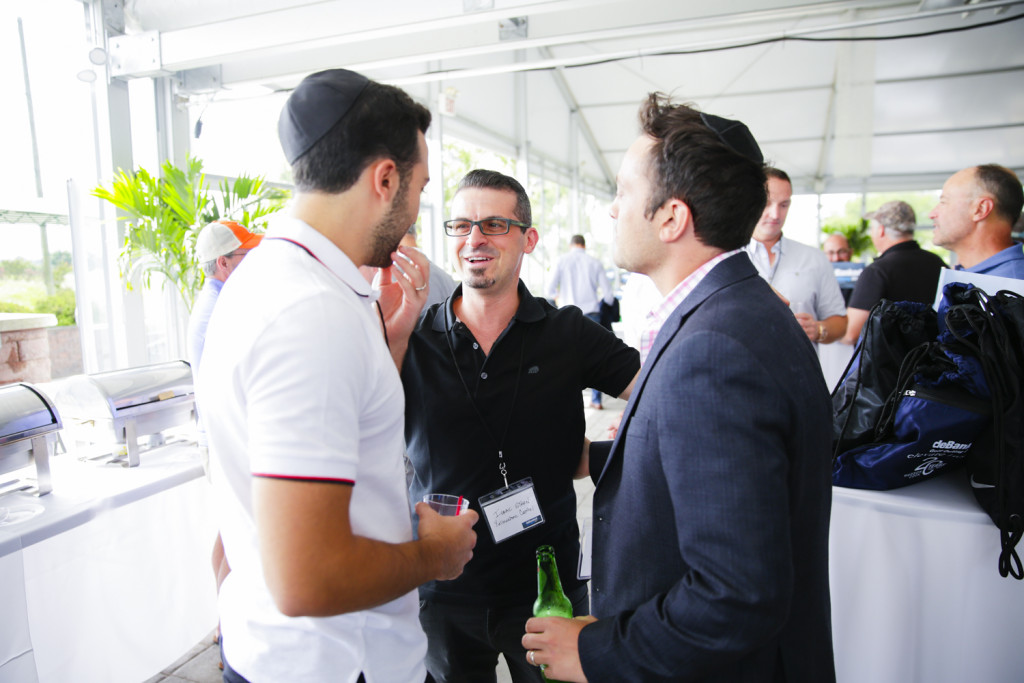
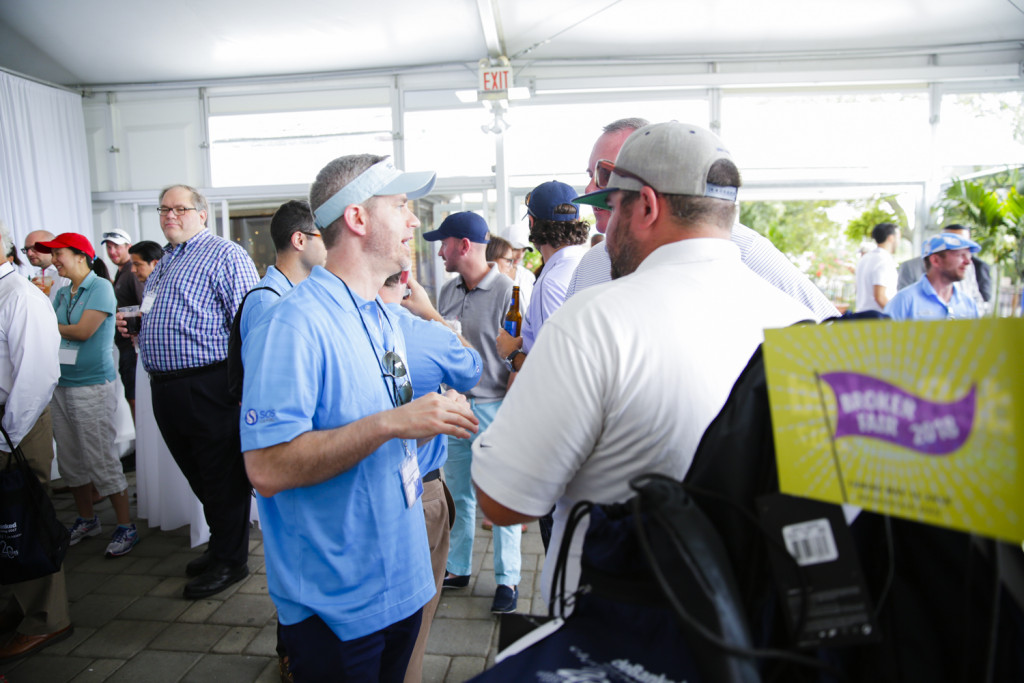
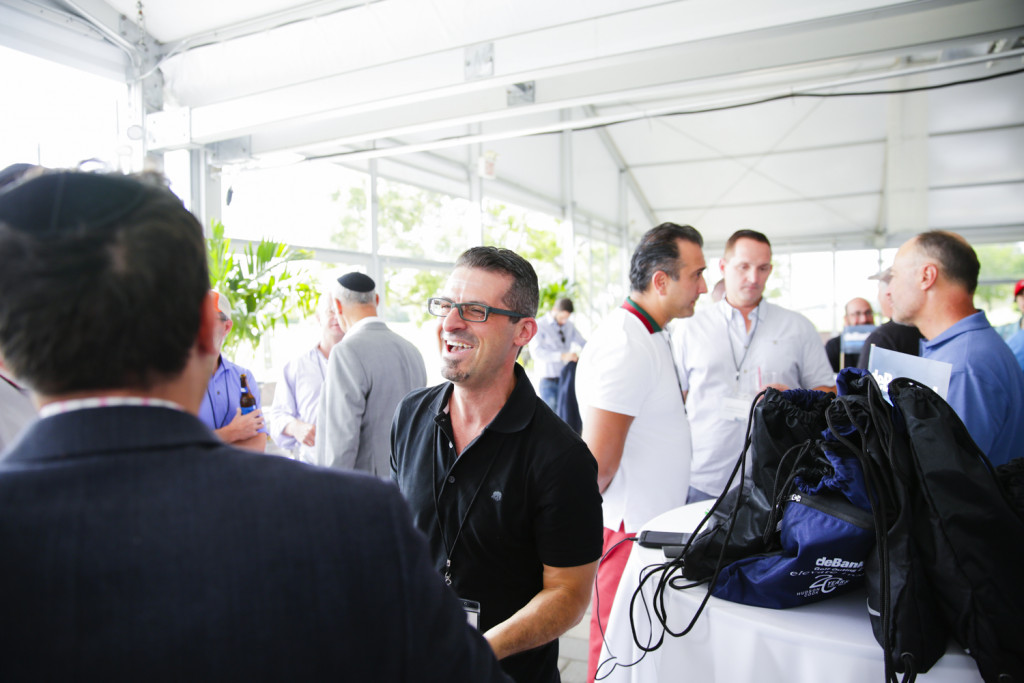
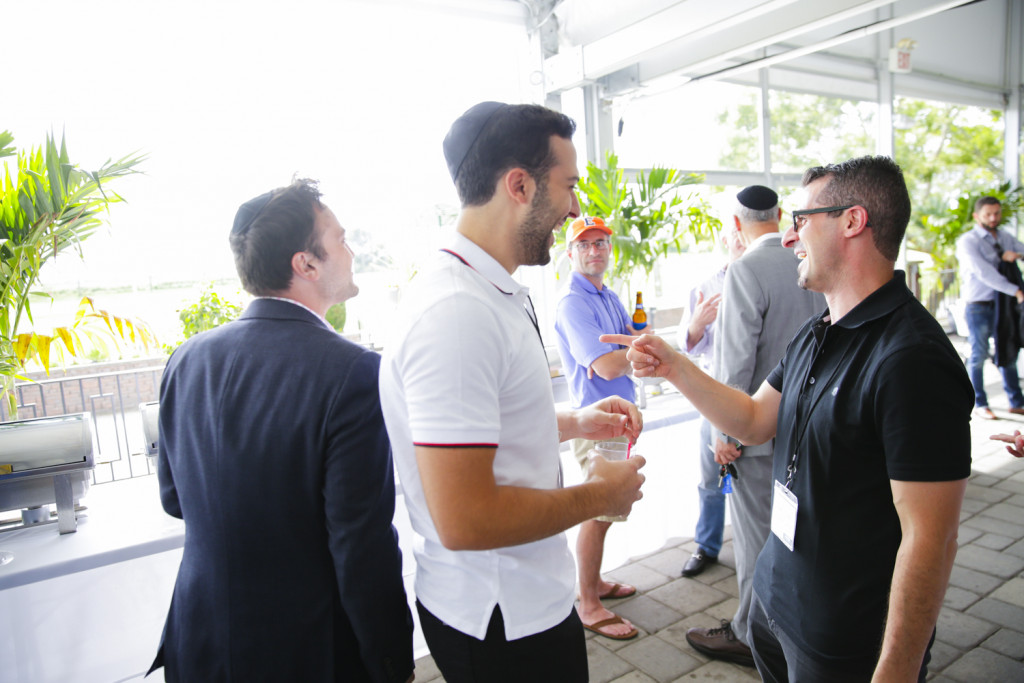
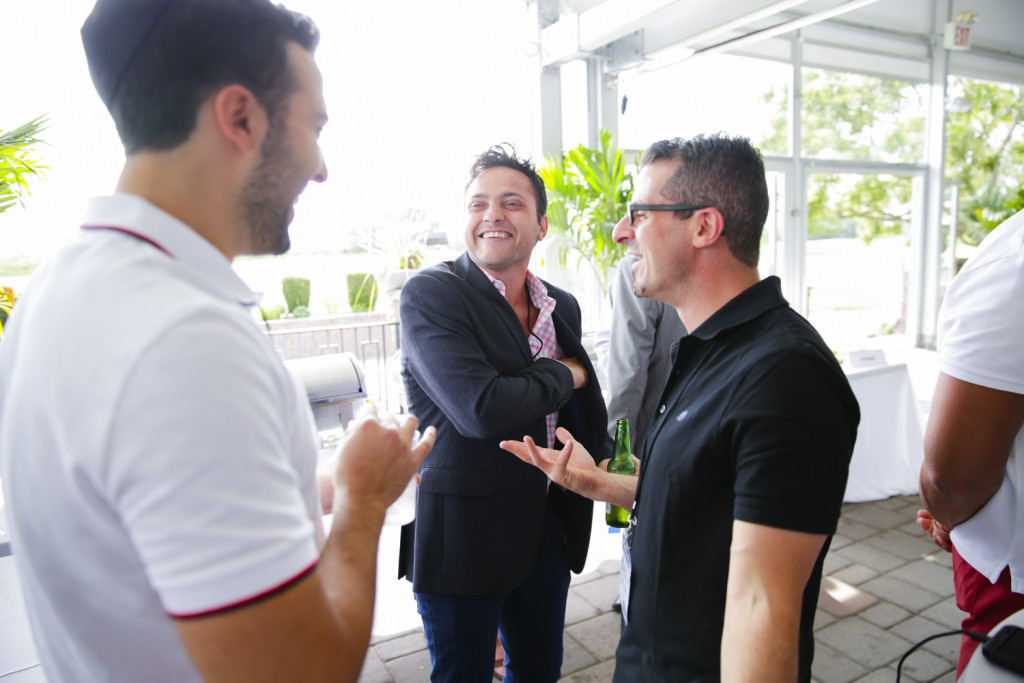
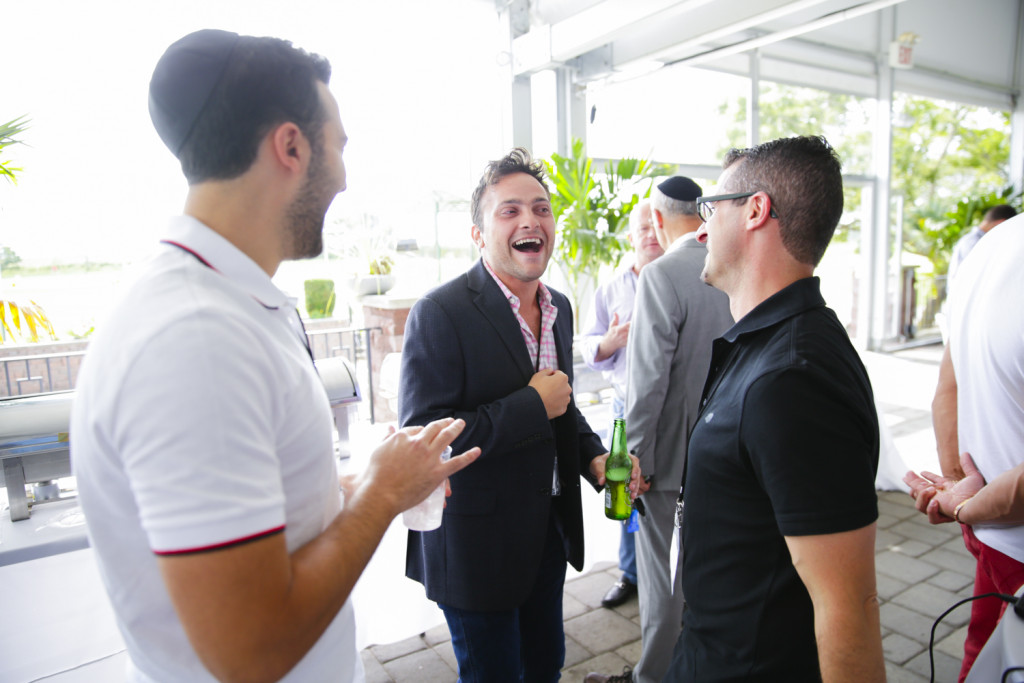
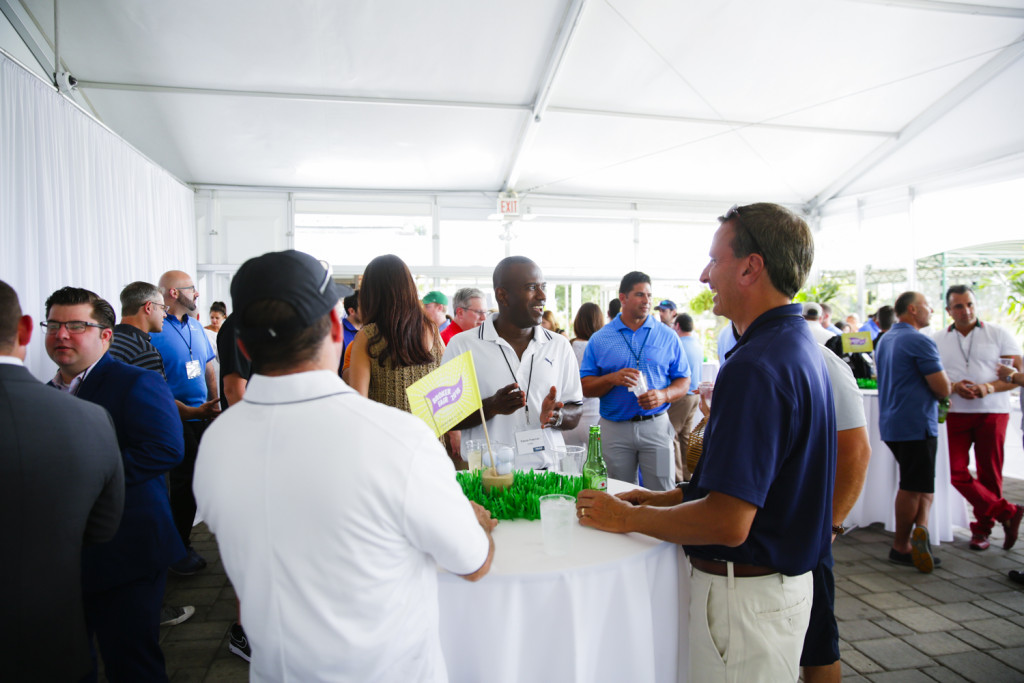
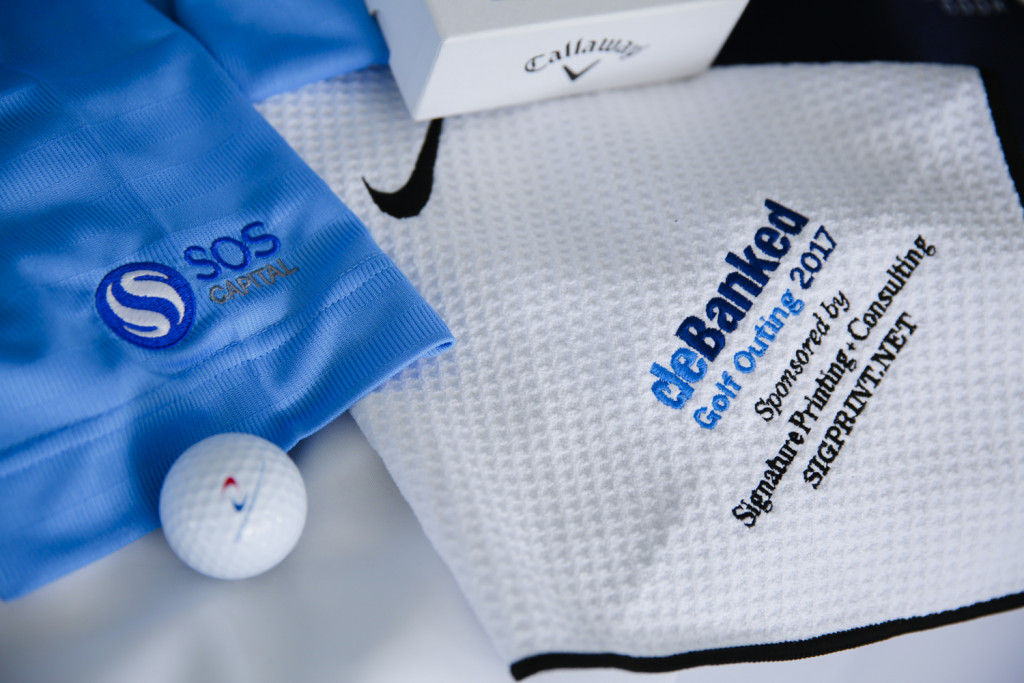
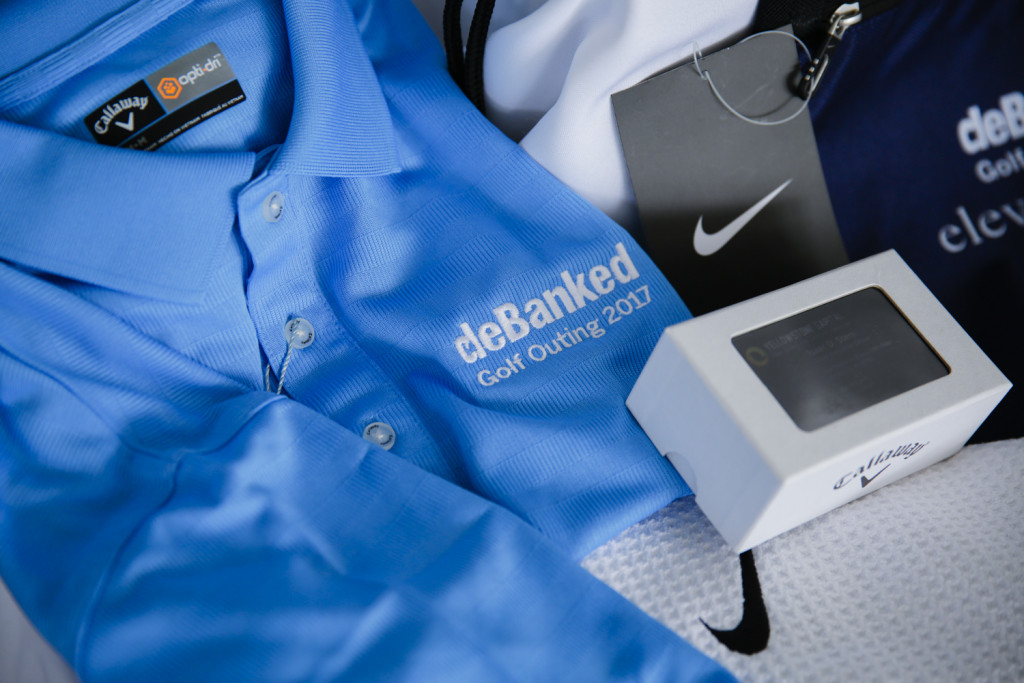
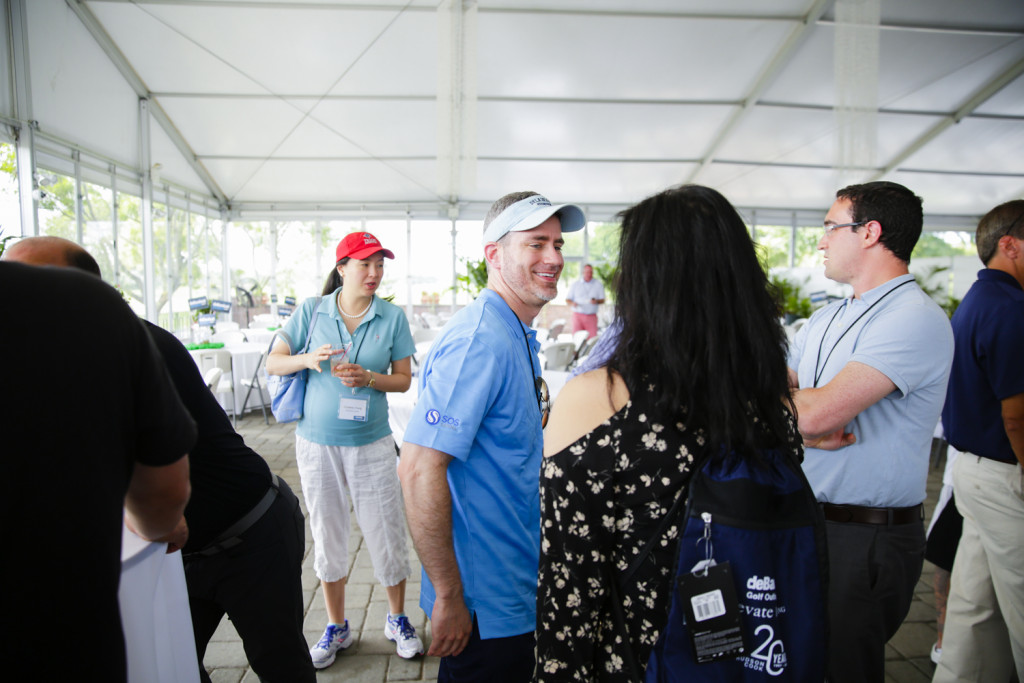
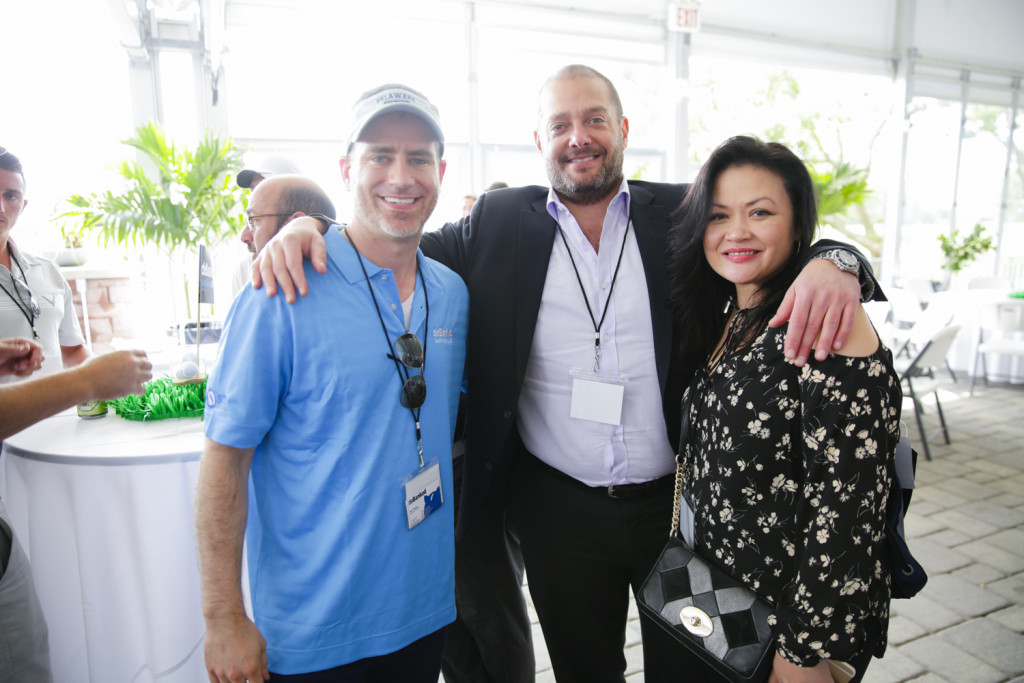
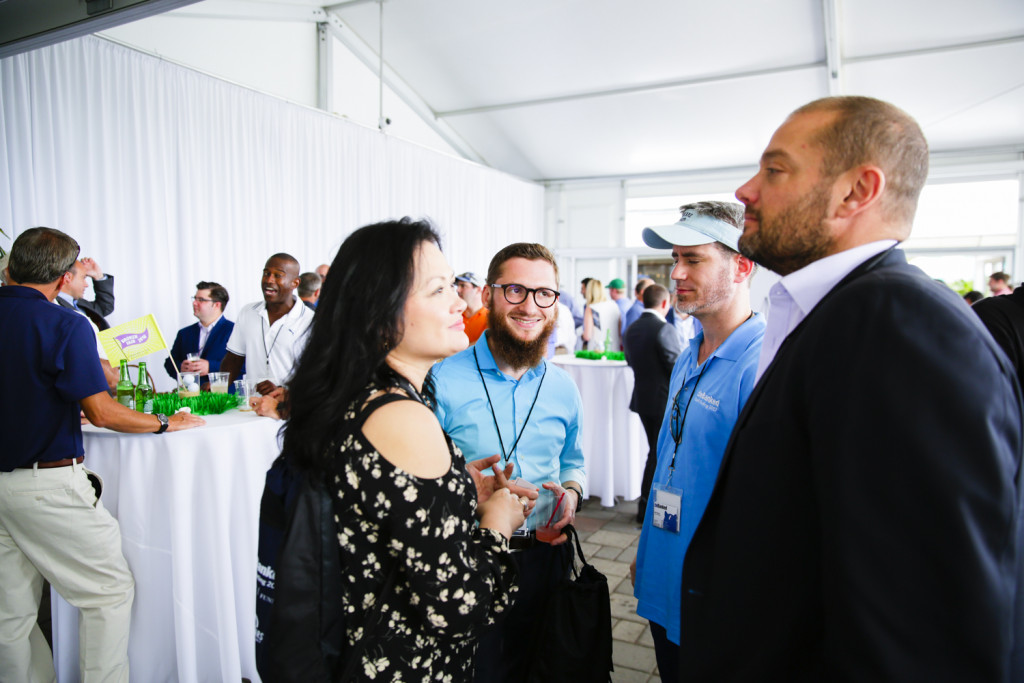
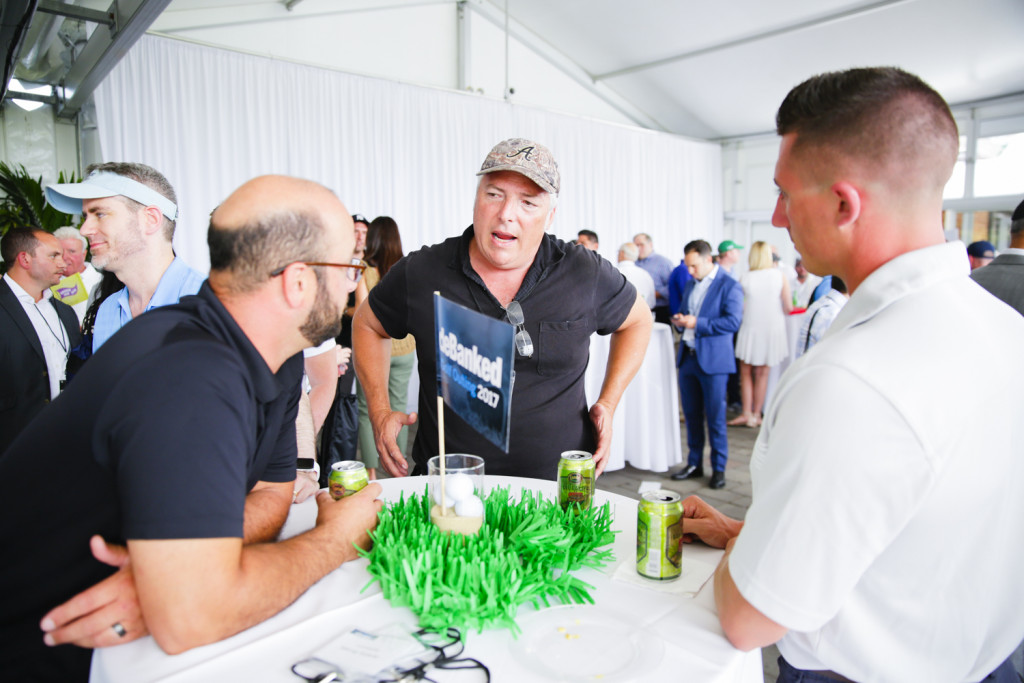
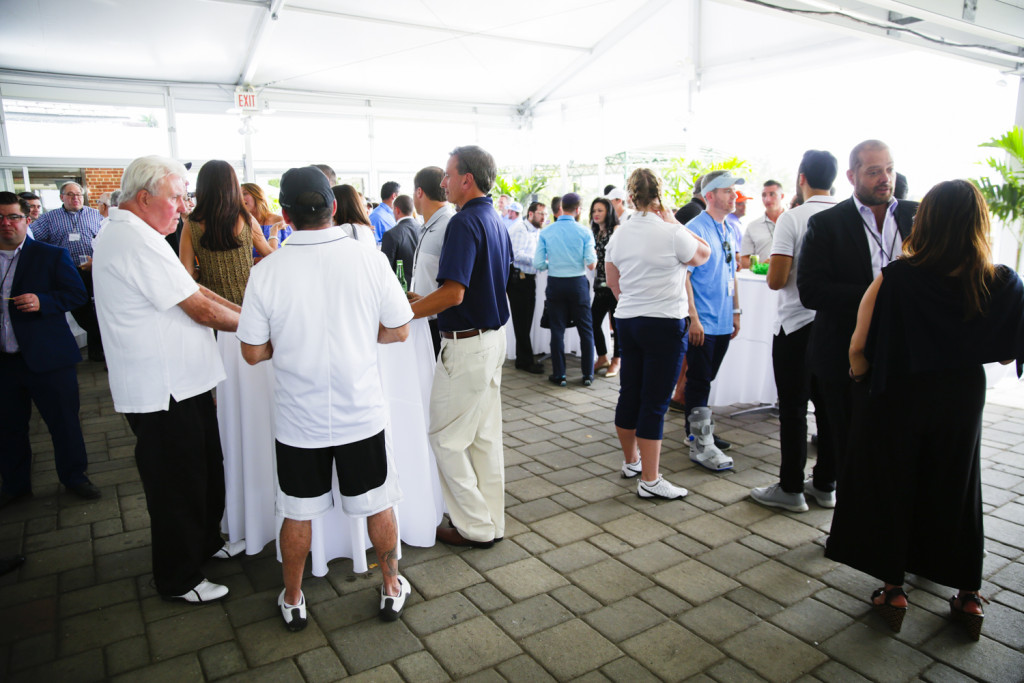
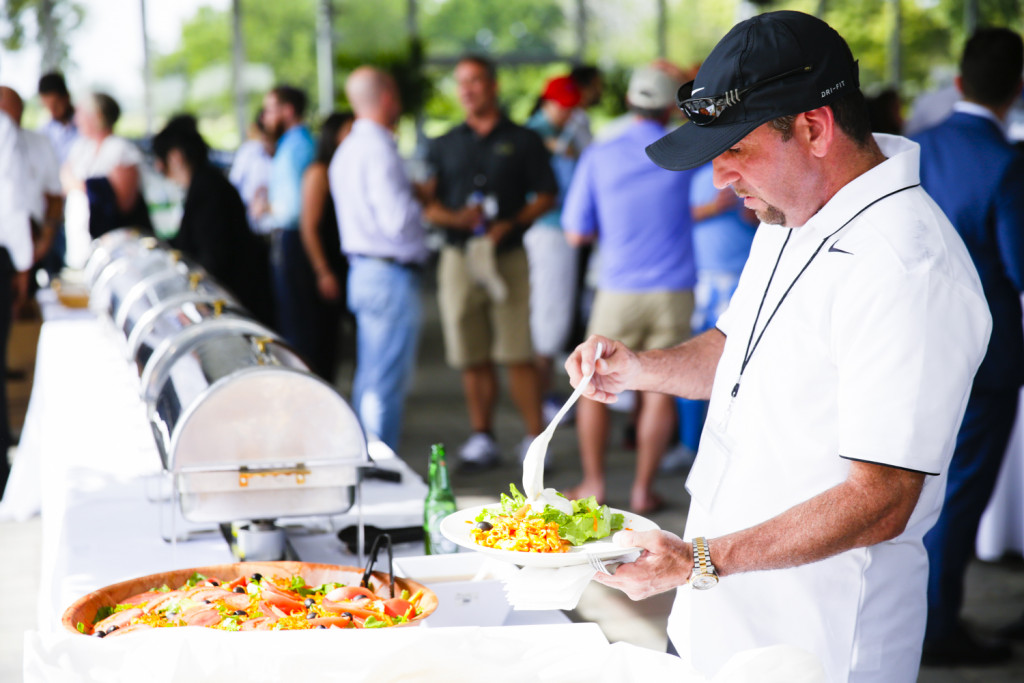
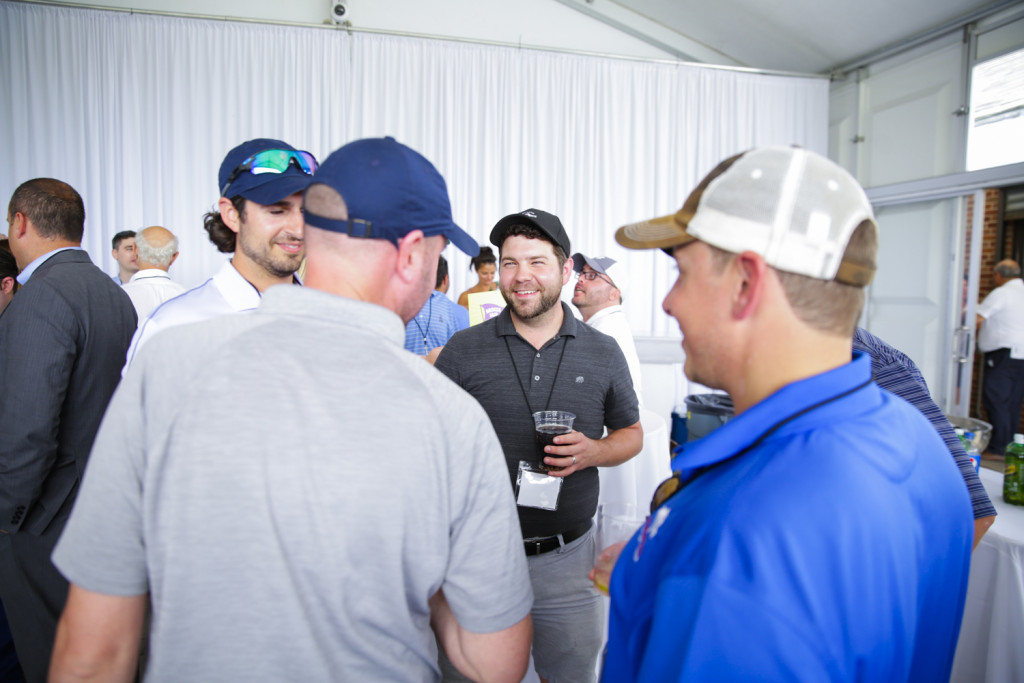


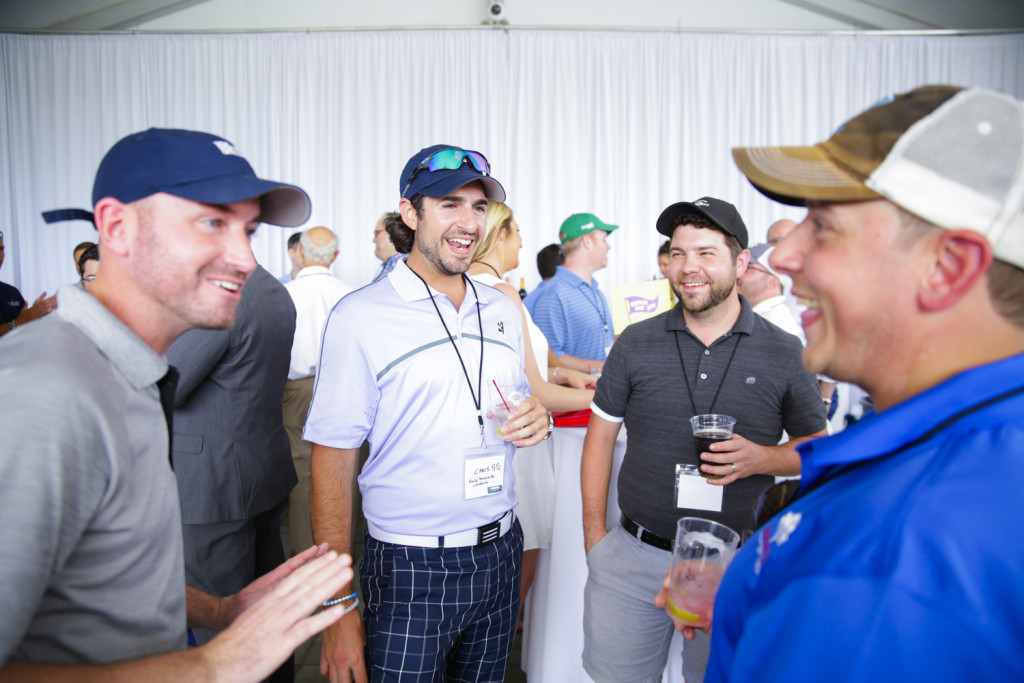
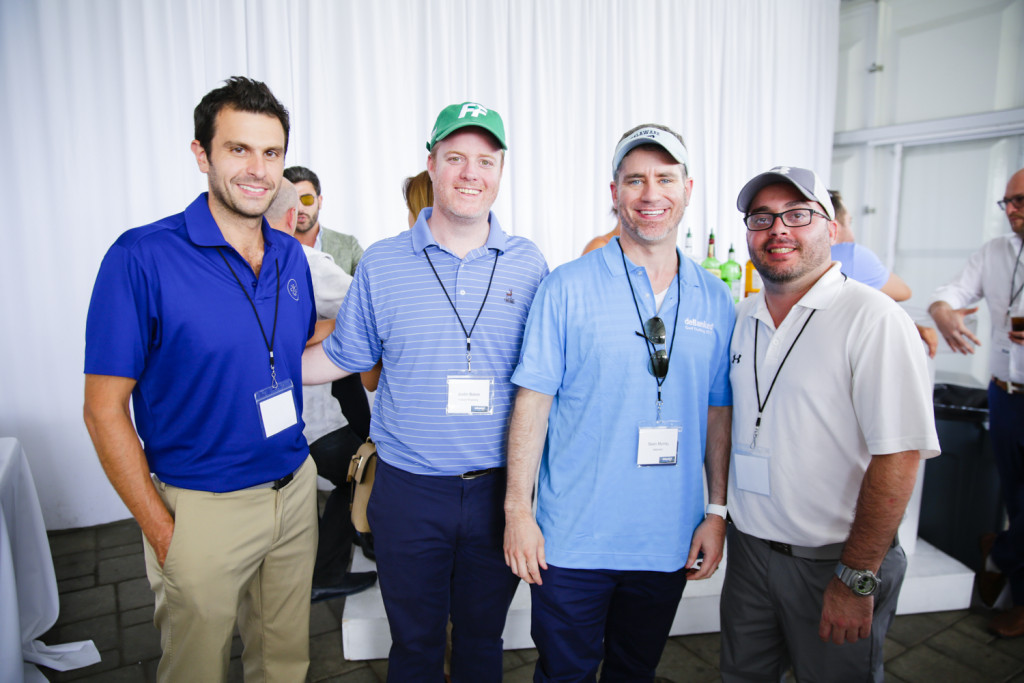
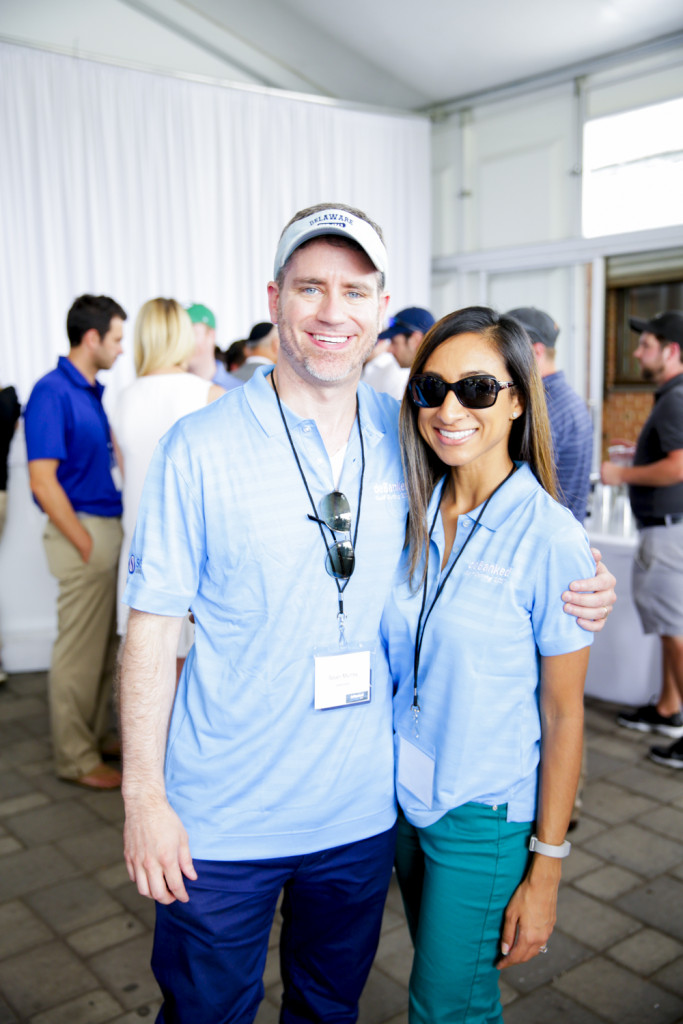
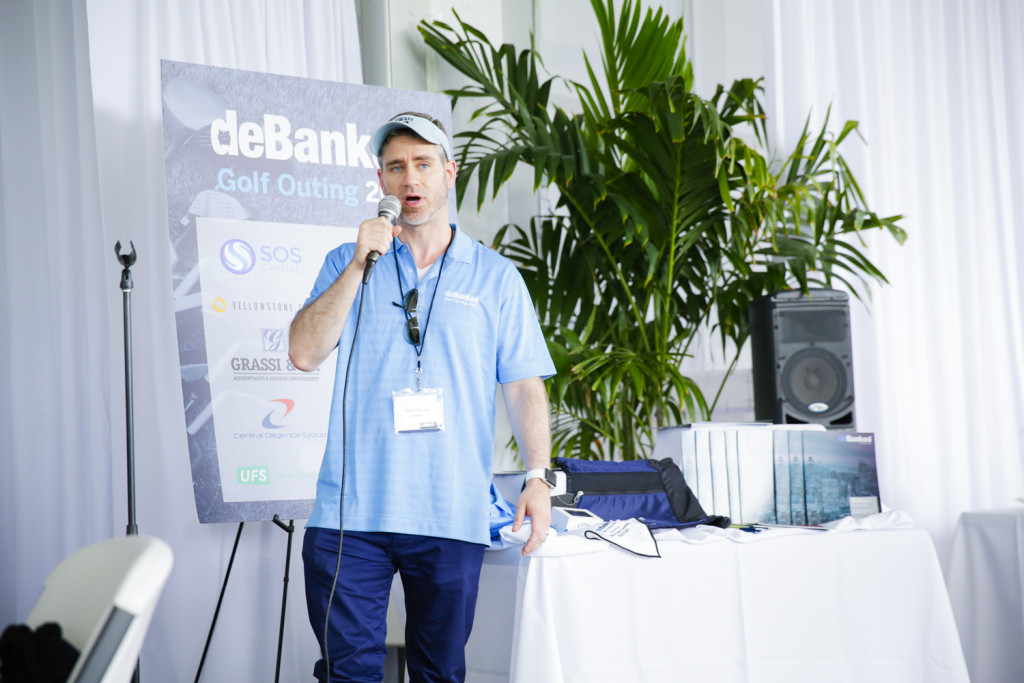
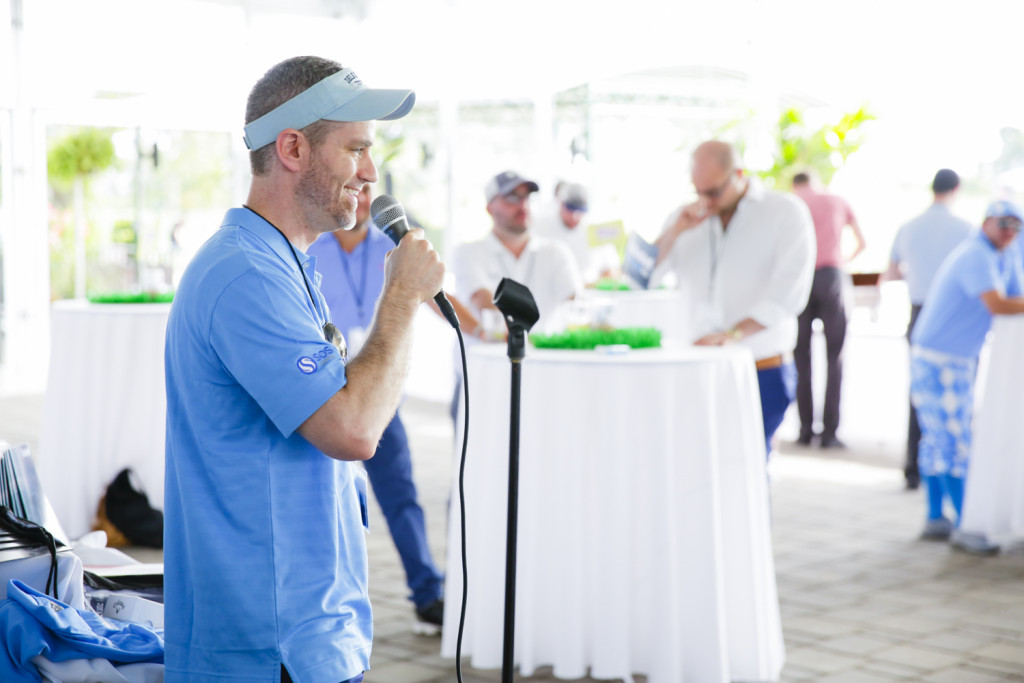
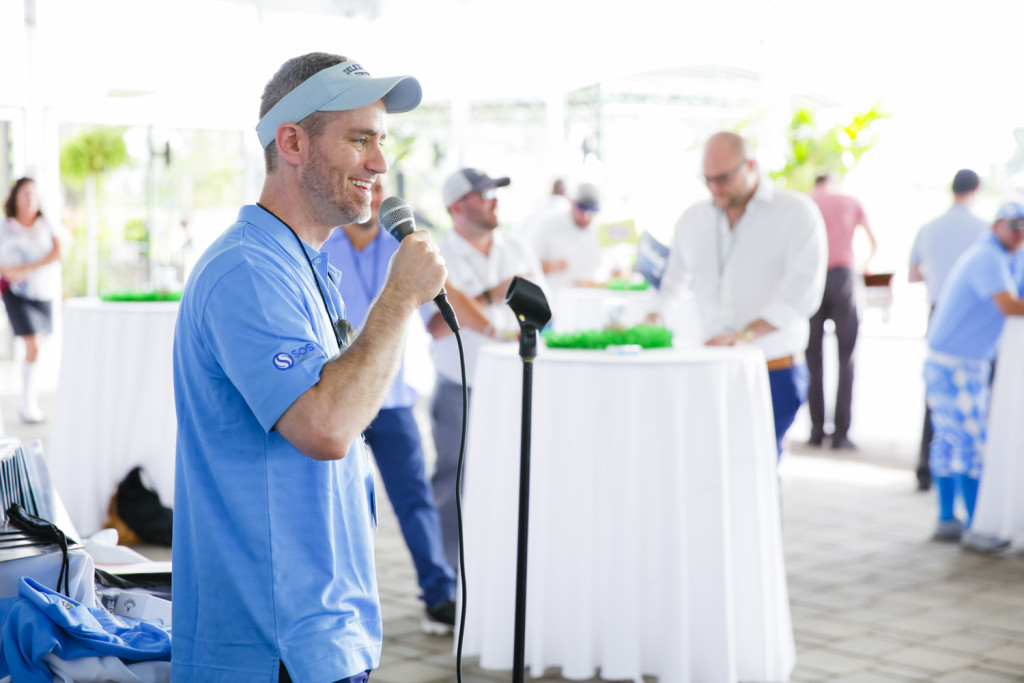
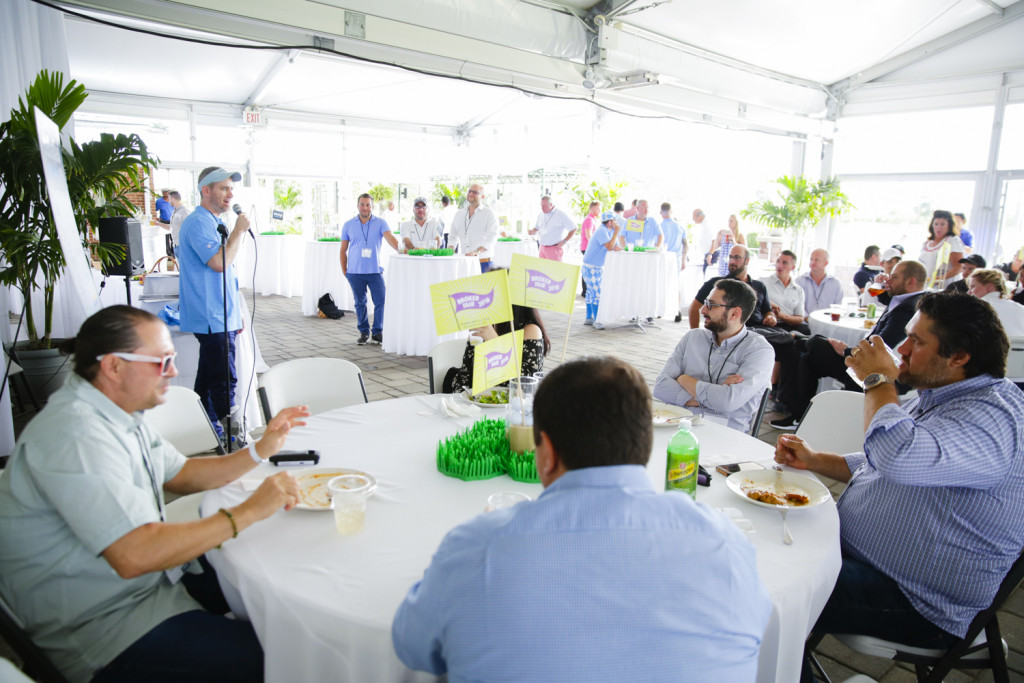
The deBanked Golf Outing 2017 Was a Success
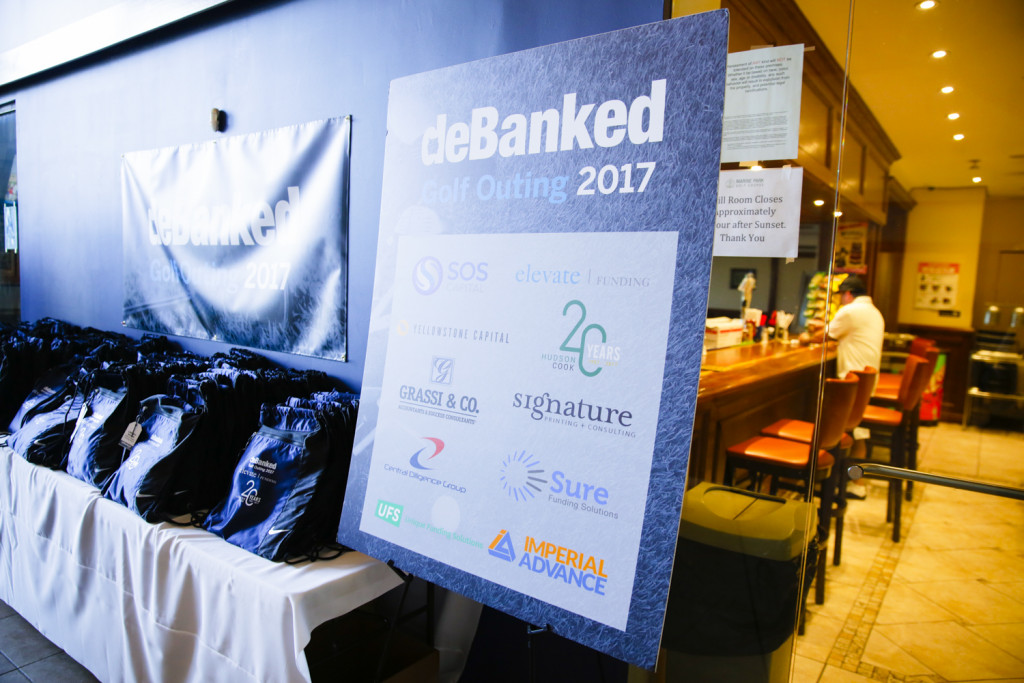
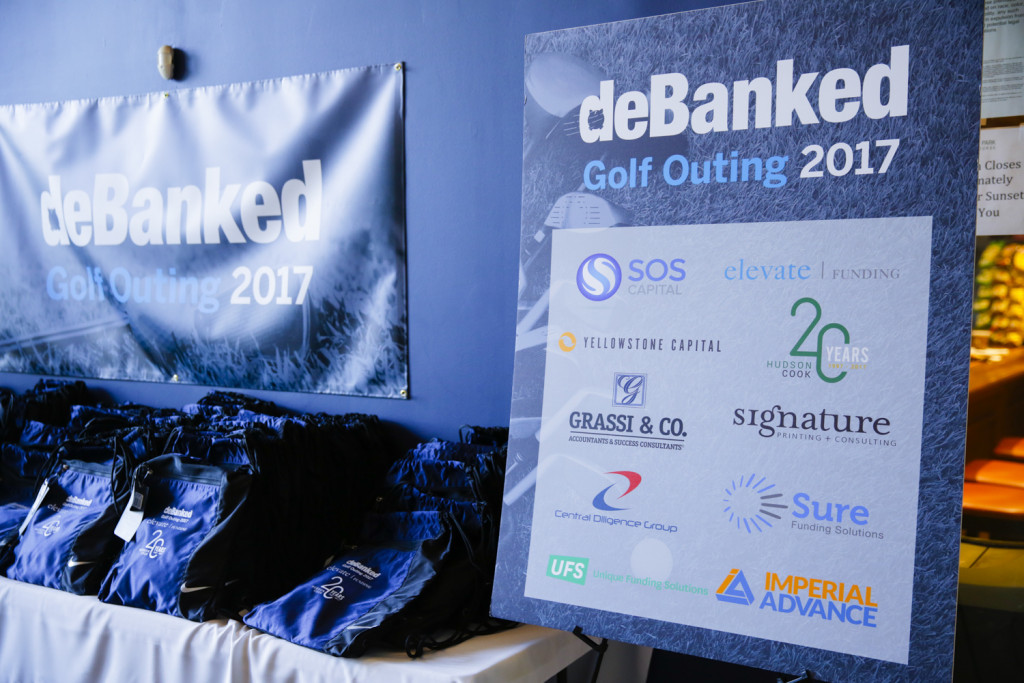
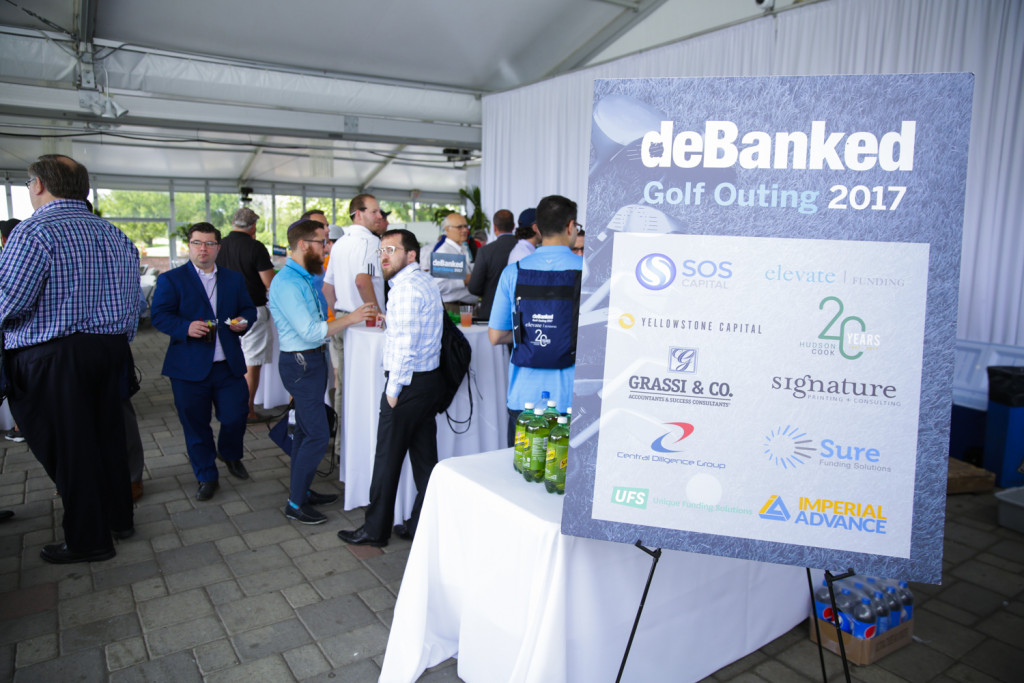
August 28, 2017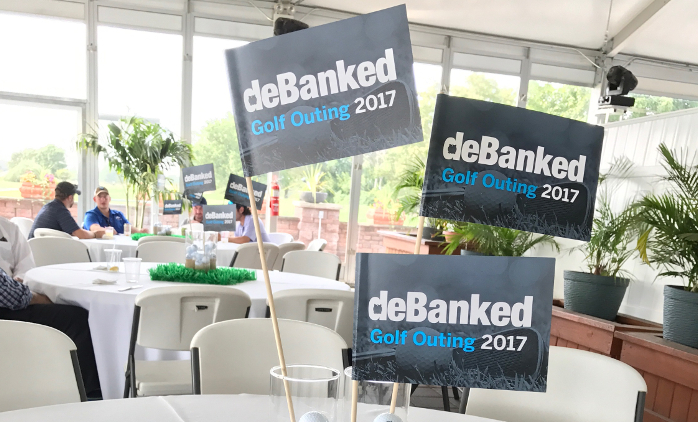 Thanks to everyone that attended deBanked’s first ever industry golf outing at Marine Park Golf Course in Brooklyn, NY. And thank you to all the sponsors who helped make it a success!
A PHOTO ALBUM IS NOW LIVE
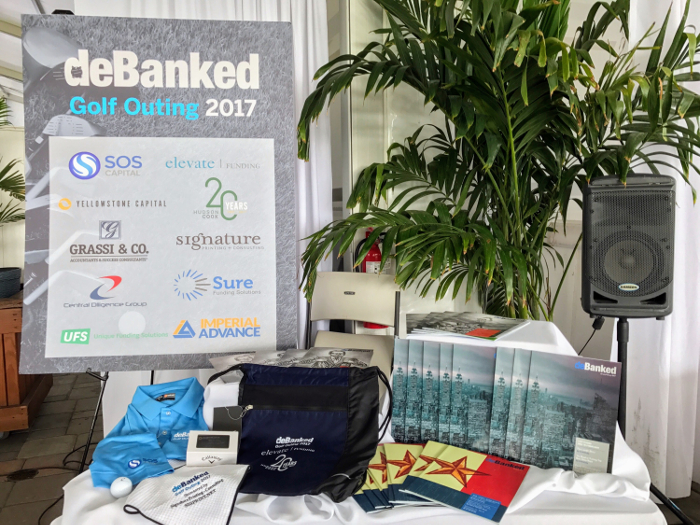
- SOS Capital
- Elevate Funding
- Hudson Cook, LLP
- Yellowstone Capital
- Signature Printing & Consulting
- Grassi & Co
- Central Diligence Group
- Sure Funding Solutions
- Unique Funding Solutions
- Imperial Advance
Official photos from the event should be available soon. In the meantime, follow us on Instagram to see them when they come out.
P.S. The inaugural conference for MCA and business loan brokers is COMING SOON. Visit http://brokerfair.org to receive updates on Broker Fair 2018.
Talk With us at Money2020
October 24, 2015I will be available at Money2020 in Las Vegas on Monday and Tuesday. If you are involved in marketplace lending, b2b lending, merchant cash advance or a related product, please e-mail me at sean@debanked.com or connect with me on twitter via @financeguy74.
I will be capturing stories for inclusion in both our November/December magazine issue as well as our online blog and newsletters.

Lend360: The Industry Event of the Year
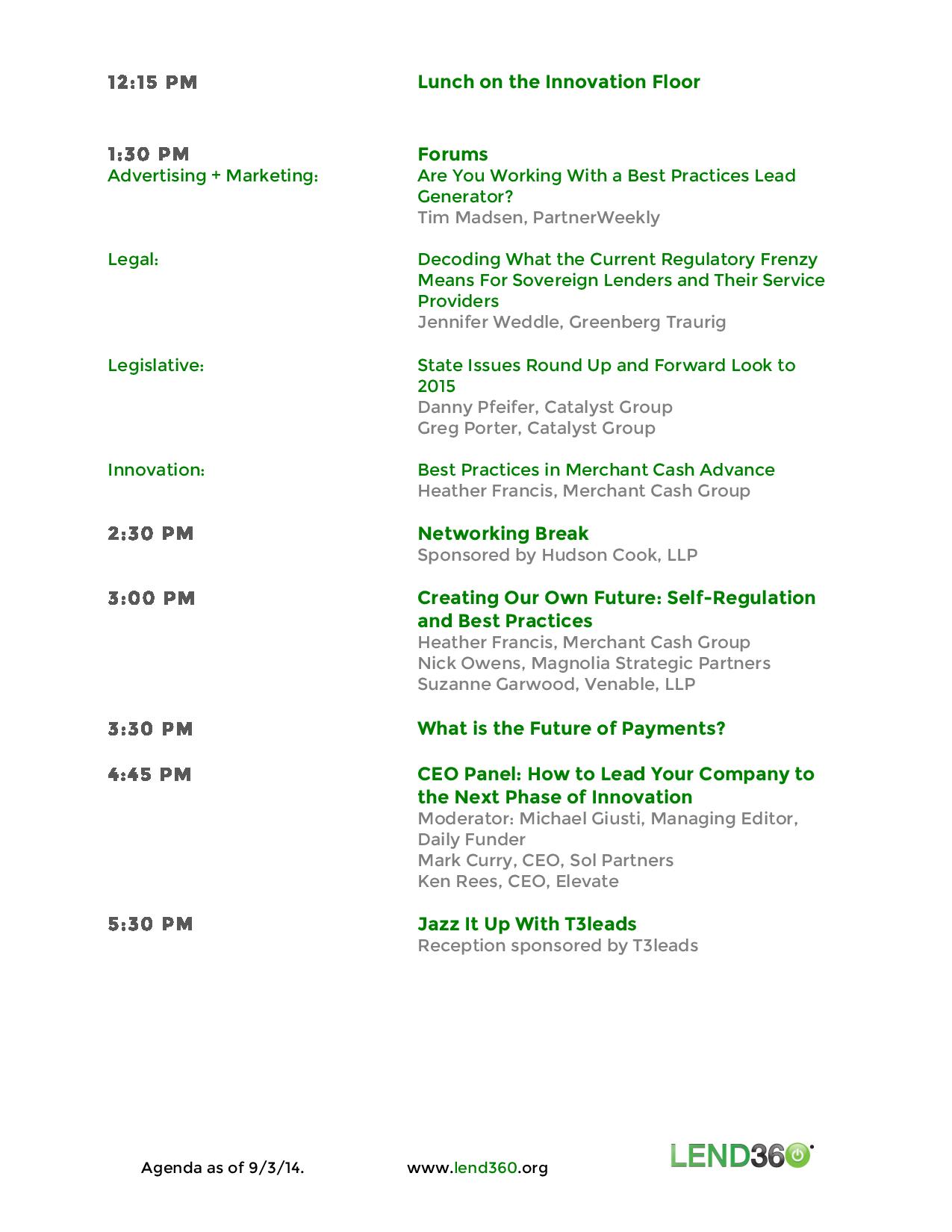
September 5, 2014It’s being called the full circle of lending. Non-bank business lenders, merchant cash advance companies, peer-to-peer lenders, consumer lenders, lead generators, and Wall Street tycoons are descending on New Orleans from October 14th to 17th to attend Lend360. I’ve partnered up with the event through the DailyFunder name.
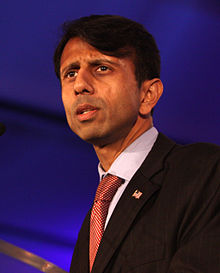
From the governmental arena, Governor Bobby Jindal (left) and U.S. Senator David Vitter (right) are speaking at the conference.
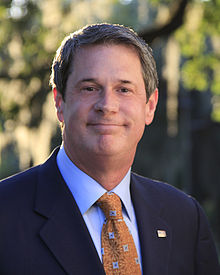
On the business side, here are some speakers you might recognize that are definitely confirmed.
- Brendan Carroll, Victory Park Capital
- Brendan Ross, Direct Lending Investments
- Scott Termini, Direct Media Power
- Bob Coleman, Coleman Report
- Heather Francis, Merchant Cash Group
- Nick Owens, Magnolia Strategic Partners
- Sean Murray, DailyFunder (myself)
- Ken Rees, Elevate
- Mark Curry, Sol Partners
- Sasha Grutman, MiddleMarch advisors
- Al Wild, Crest Financial
- Mark Doman, eBureau
- Tim Madsen, PartnerWeekly
- Dickson Chu, Ingo
- John Hecht, Jeffries
If you’re involved in MCA or business lending, you NEED to be there.
Here’s the most recent version of the agenda:
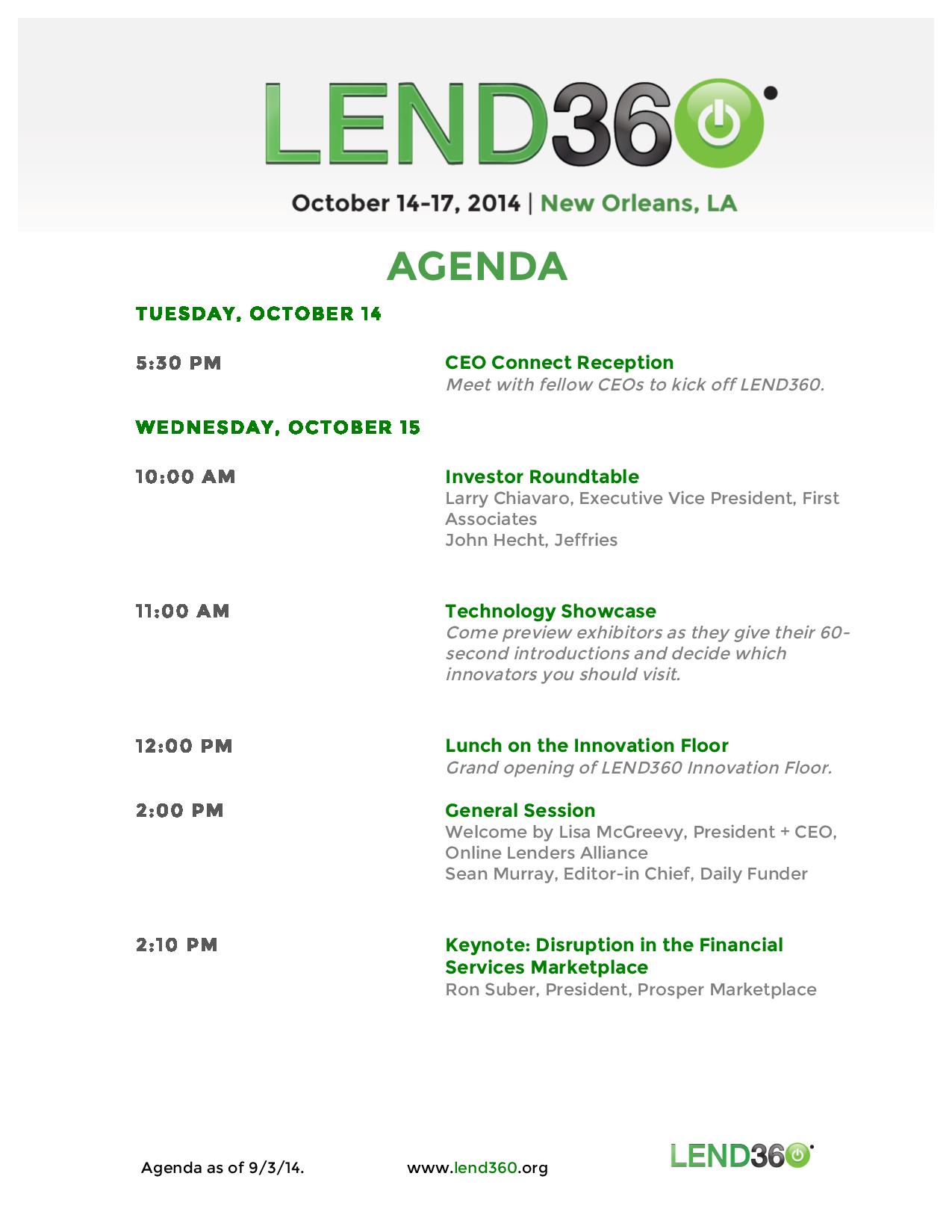
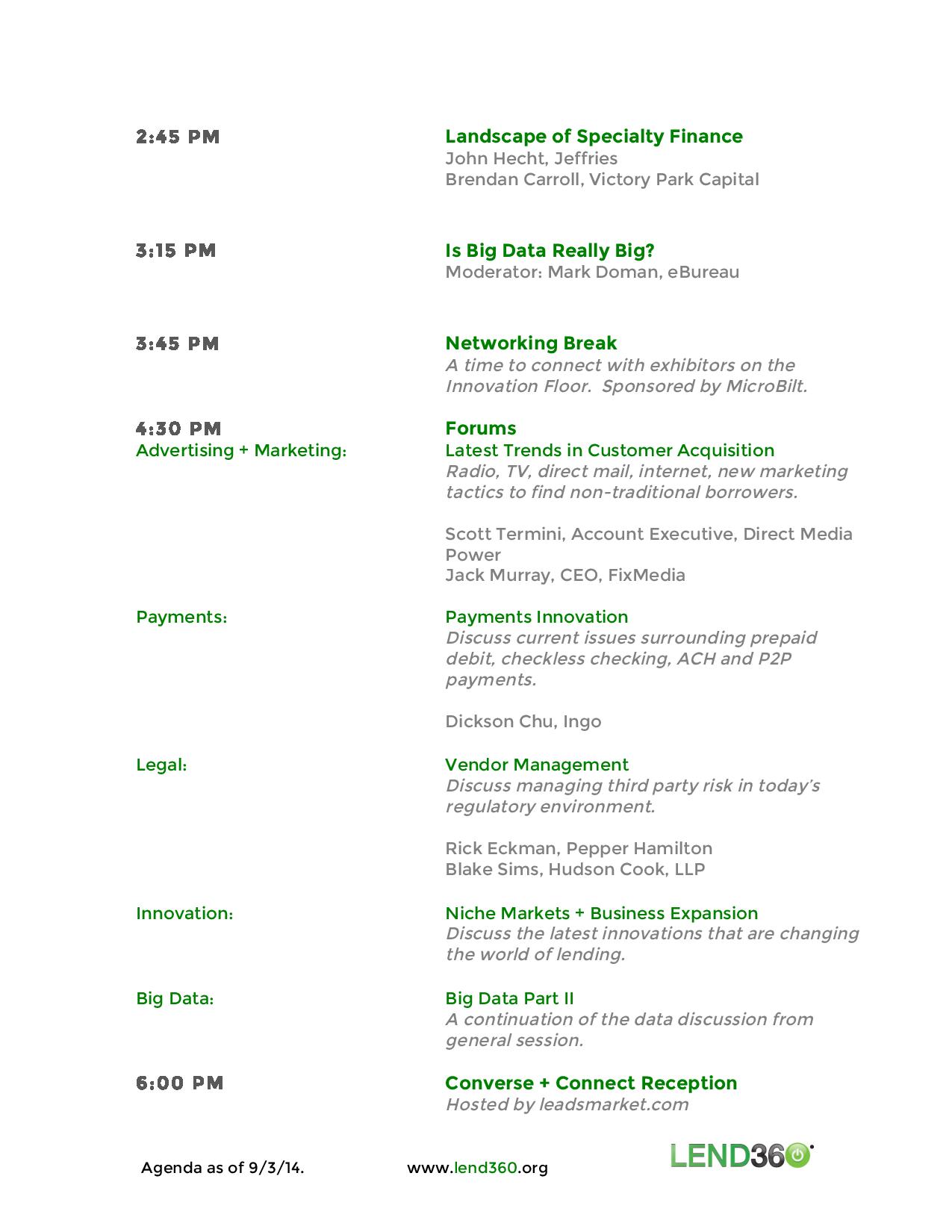
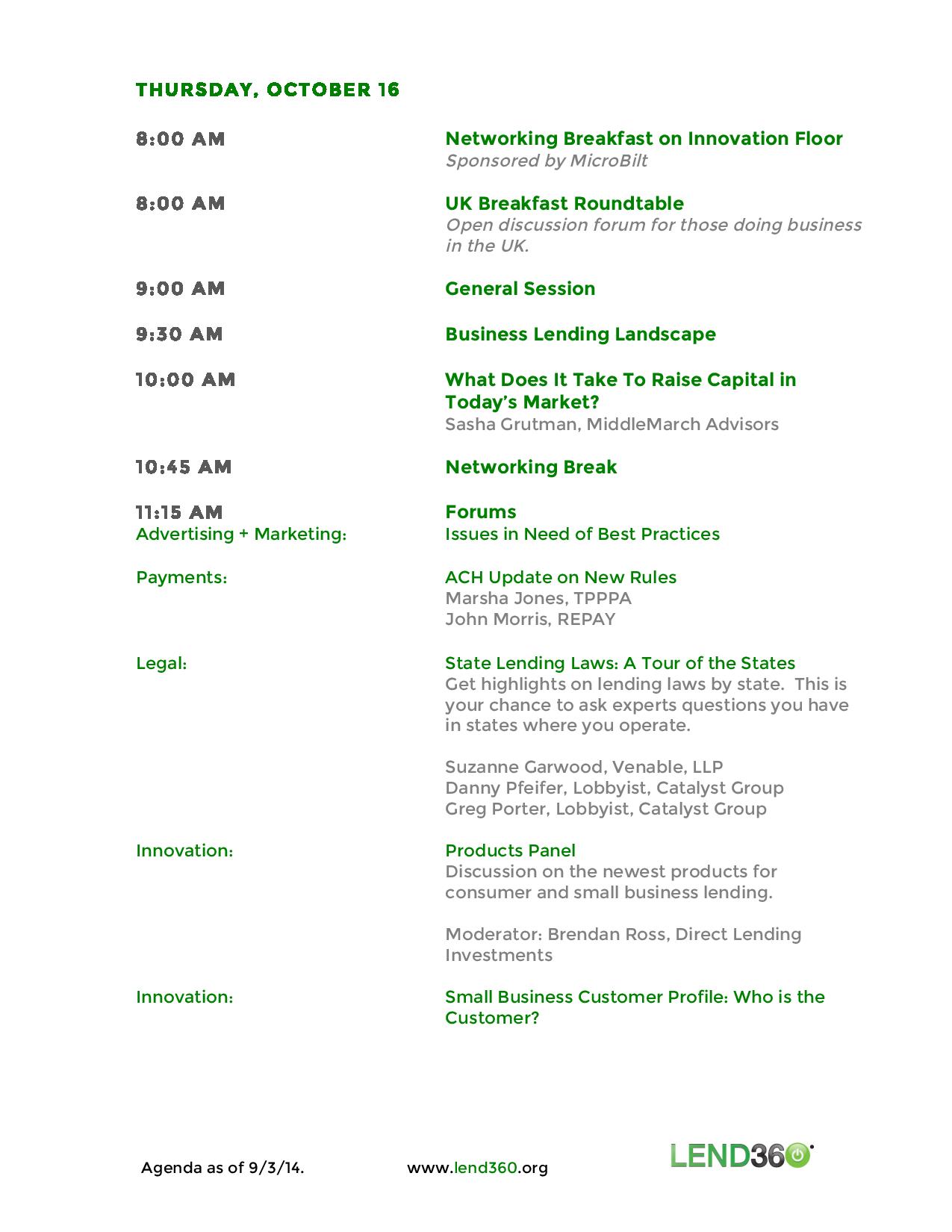
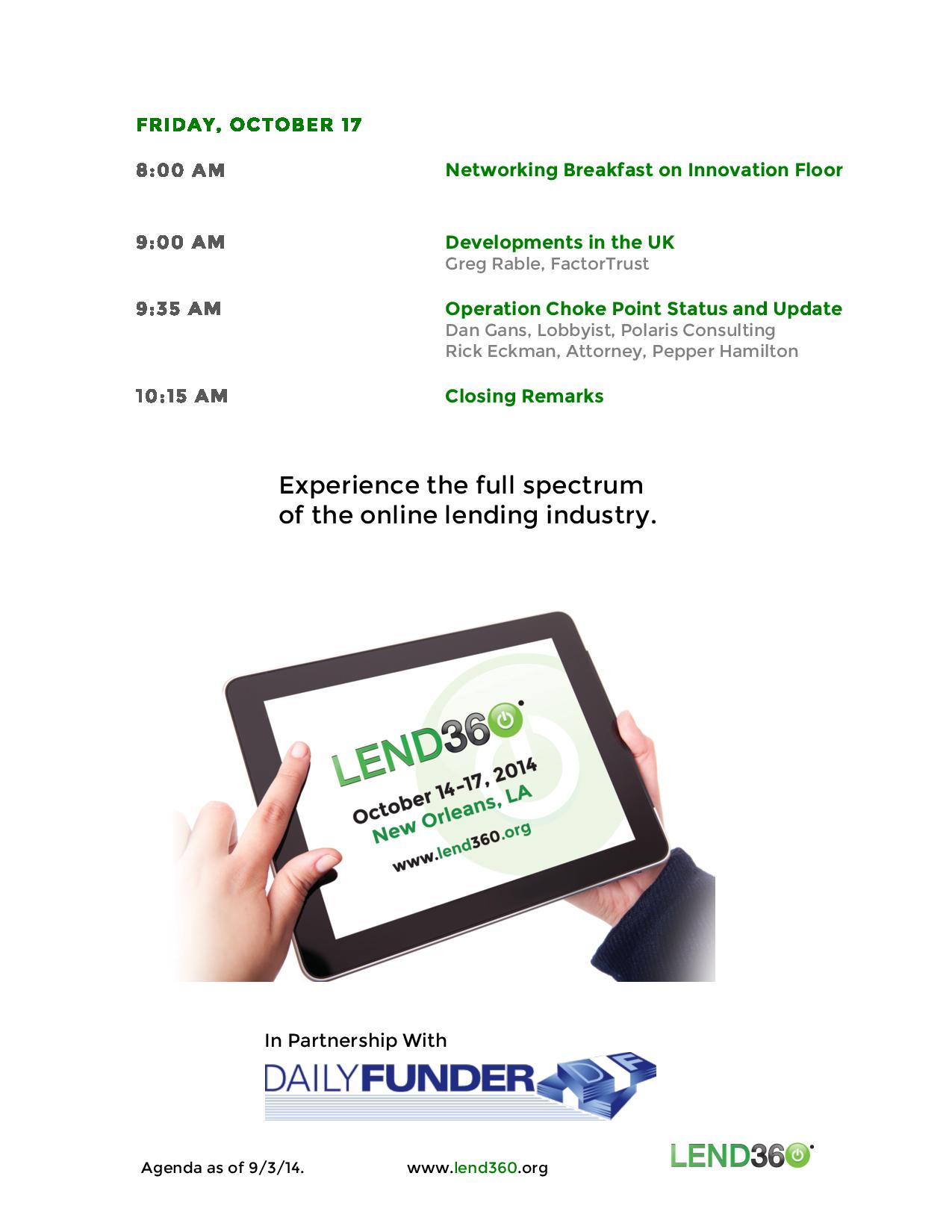
October 14-17, 2014 New Orleans, LA
In Partnership with

| REGISTER TODAY |