Sean Murray is the President and Chief Editor of deBanked and the founder of the Broker Fair Conference. Connect with me on LinkedIn or follow me on twitter. You can view all future deBanked events here.
Articles by Sean Murray

Canadian Alternative Finance Event Calendar
May 28, 2019Here’s what’s on the agenda this Summer for the Canadian alternative finance industry:
June 5th
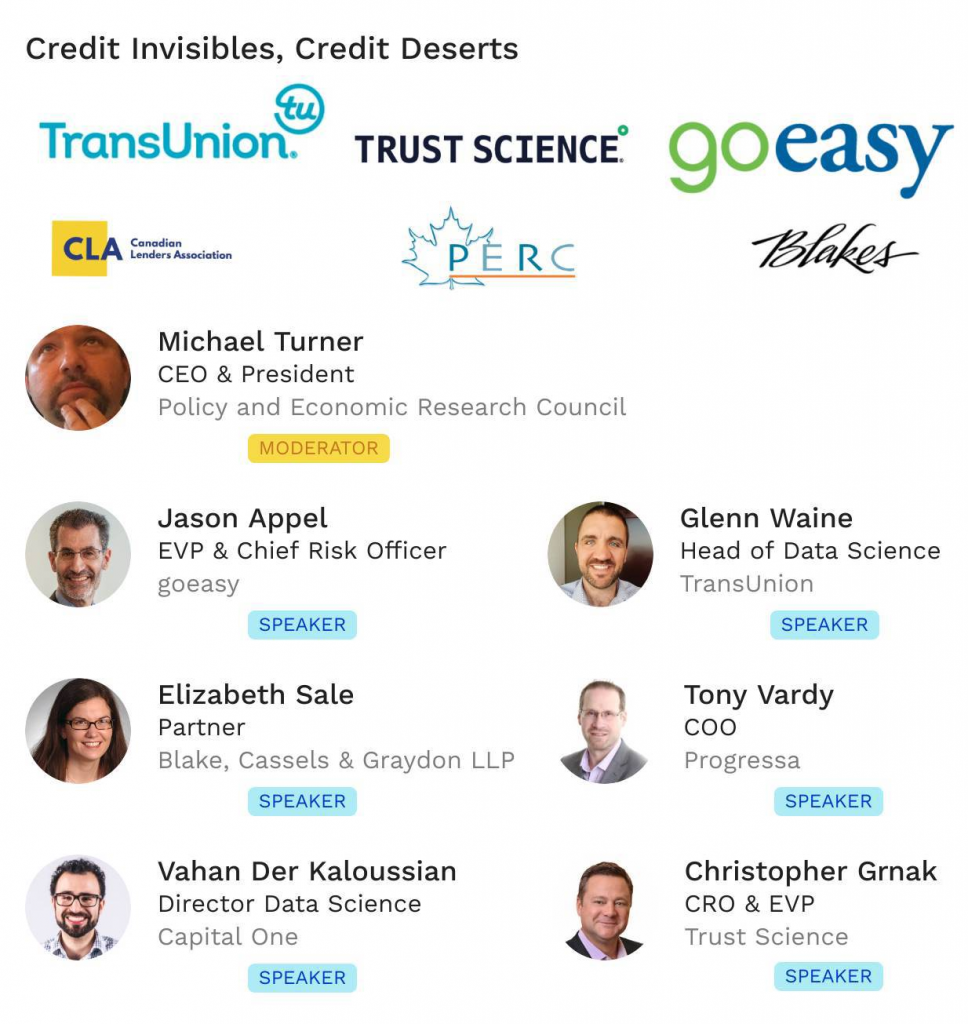
Credit Invisibles Summit – Presented by the Canadian Lenders Association
July 25th
deBanked CONNECT Toronto – Presented by deBanked

Small Business Finance Broker Wins Entrepreneur Of The Year
May 17, 2019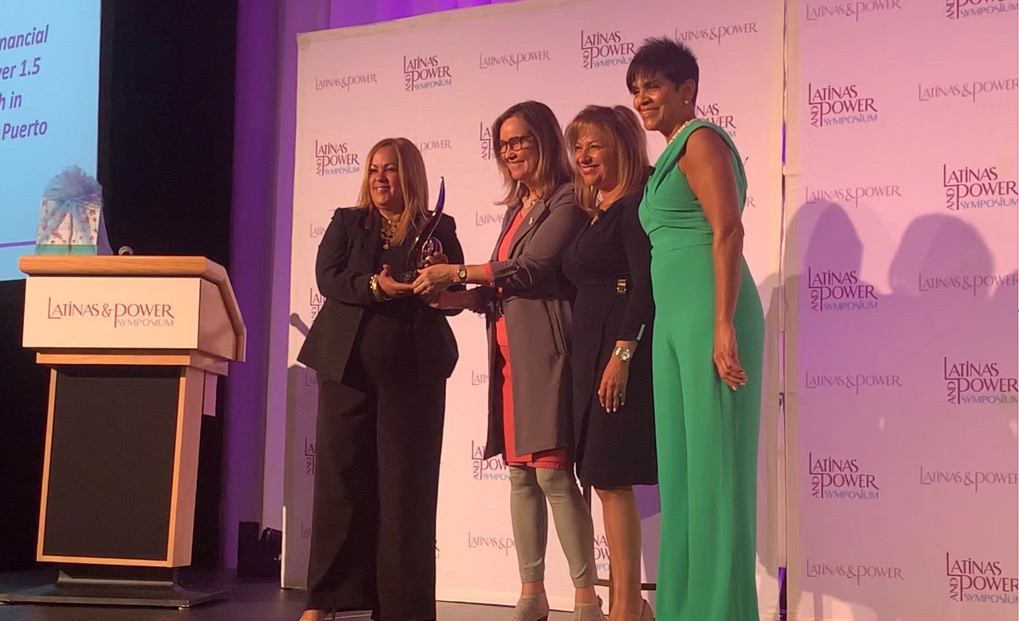
Sonia Alvelo, CEO of Newington, CT-based Latin Financial LLC, has been awarded Entrepreneur of The Year by the Latinas & Power Symposium. The event, incubated in Hartford, Connecticut in 2004, is the largest of its kind in New England and has reached upwards of 8,000+ women since its inception.
Alvelo’s company markets and brokers business loans and merchant cash advances throughout the mainland United States and Puerto Rico.
Connecticut Secretary of State Denise Merrill presented the award to Alvelo, who referenced the moment on social media by writing, “I was deeply honored to present the Entrepreneur of the Year Award to Sonia Alvelo at the 16th Annual Latinas & Power symposium today. Her small business is bolstering the Newington economy and her leadership serves as an example for women across the state.”
Alvelo has been an oft-quoted source in deBanked on the state of the small business finance market in Puerto Rico, most recently in the May/June 2018 magazine edition.
“I’m here today because of the merchants and clients from Puerto Rico and the US,” she told deBanked on Thursday, adding that this is just the beginning for what she and her company will accomplish.
I was deeply honored to present the Entrepreneur of the Year Award to Sonia Alvelo at the 16th Annual Latinas & Power symposium today. Her small business is bolstering the Newington economy and her leadership serves as an example for women across the state. pic.twitter.com/POwlvx0XkA
— Denise Merrill (@SOTSMerrill) May 16, 2019
Broker Fair 2019 Photos
May 10, 2019If you share any of these on social media, please remember to include #brokerfair
Enjoy!
 |
 |
 |
 |
 |
 |
 |
 |
 |
 |
 |
 |
 |
 |
 |
 |
 |
 |
 |
 |
 |
 |
 |
 |
 |
 |
 |
 |
 |
 |
 |
 |
 |
 |
 |
 |
 |
 |
 |
 |
 |
 |
 |
 |
 |
 |
 |
 |
 |
 |
 |
 |
 |
 |
 |
 |
 |
 |
 |
 |
 |
 |
 |
 |
 |
 |
 |
 |
 |
 |
 |
 |
 |
 |
 |
 |
 |
 |
 |
 |
 |
 |
 |
 |
 |
 |
 |
 |
 |
 |
 |
 |
 |
 |
 |
 |
 |
 |
 |
 |
 |
 |
 |
 |
 |
 |
 |
 |
 |
 |
 |
 |
 |
 |
 |
 |
 |
 |
 |
 |
 |
 |
 |
 |
 |
 |
 |
 |
 |
 |
 |
 |
 |
 |
 |
 |
 |
 |
 |
 |
 |
 |
 |
 |
 |
 |
 |
 |
 |
 |
 |
 |
 |
 |
 |
 |
 |
 |
 |
 |
 |
 |
 |
 |
 |
 |
 |
 |
 |
 |
 |
 |
 |
 |
 |
 |
 |
 |
 |
 |
 |
 |
 |
 |
 |
 |
 |
 |
 |
 |
 |
 |
 |
 |
 |
 |
 |
 |
 |
 |
 |
 |
 |
 |
 |
 |
 |
 |
 |
 |
 |
 |
 |
 |
 |
 |
 |
 |
 |
 |
 |
 |
 |
 |
 |
 |
 |
 |
 |
 |
 |
 |
 |
 |
 |
 |
 |
 |
 |
 |
 |
 |
 |
 |
 |
 |
 |
 |
 |
 |
 |
 |
 |
 |
 |
 |
 |
 |
 |
 |
 |
 |
 |
 |
 |
 |
 |
 |
 |
 |
 |
 |
 |
 |
 |
 |
 |
 |
 |
 |
 |
 |
 |
 |
 |
 |
 |
 |
 |
 |
 |
 |
 |
 |
 |
 |
 |
 |
 |
 |
 |
 |
 |
 |
 |
 |
 |
 |
 |
 |
 |
 |
 |
 |
 |
 |
 |
 |
 |
 |
 |
 |
 |
 |
 |
 |
 |
 |
 |
 |
 |
 |
 |
 |
 |
 |
 |
 |
 |
 |
 |
 |
 |
 |
 |
 |
 |
 |
 |
 |
 |
 |
 |
 |
 |
 |
 |
 |
 |
 |
 |
 |
 |
 |
 |
 |
 |
 |
 |
 |
 |
 |
 |
 |
 |
 |
 |
 |
 |
 |
 |
 |
 |
 |
 |
 |
 |
 |
 |
 |
 |
 |
 |
 |
 |
 |
 |
 |
 |
 |
 |
 |
 |
 |
 |
 |
 |
 |
 |
 |
 |
 |
 |
 |
 |
 |
 |
 |
 |
 |
 |
 |
 |
 |
 |
 |
 |
 |
 |
 |
 |
 |
 |
 |
 |
 |
 |
 |
 |
 |
 |
 |
 |
 |
 |
 |
 |
 |
 |
 |
 |
 |
 |
 |
 |
 |
 |
 |
 |
 |
 |
 |
 |
 |
 |
 |
 |
 |
 |
 |
 |
 |
 |
 |
 |
 |
 |
 |
 |
 |
 |
 |
 |
 |
 |
 |
 |
 |
 |
 |
 |
 |
 |
 |
 |
 |
 |
 |
 |
 |
 |
 |
 |
 |
 |
 |
 |
 |
 |
 |
 |
 |
 |
 |
 |
 |
 |
 |
 |
 |
 |
 |
Broker Fair 2019 Speaker Lineup
May 5, 2019Broker Fair 2019 check-in begins at 7:30 am on Monday morning. With nearly 700 people registered to attend, it’s going to be a packed event! If you’ve got a ticket, here’s who you can expect to hear from:
Learn From Josh Feinberg and Will Murphy in Person at Broker Fair
April 16, 2019You’ve seen them on social media. Now you can see them in person. Josh Feinberg and Will Murphy of Everlasting Capital will be doing a joint presentation on how to scale your broker shop at Broker Fair on May 6th at The Roosevelt Hotel in New York City.
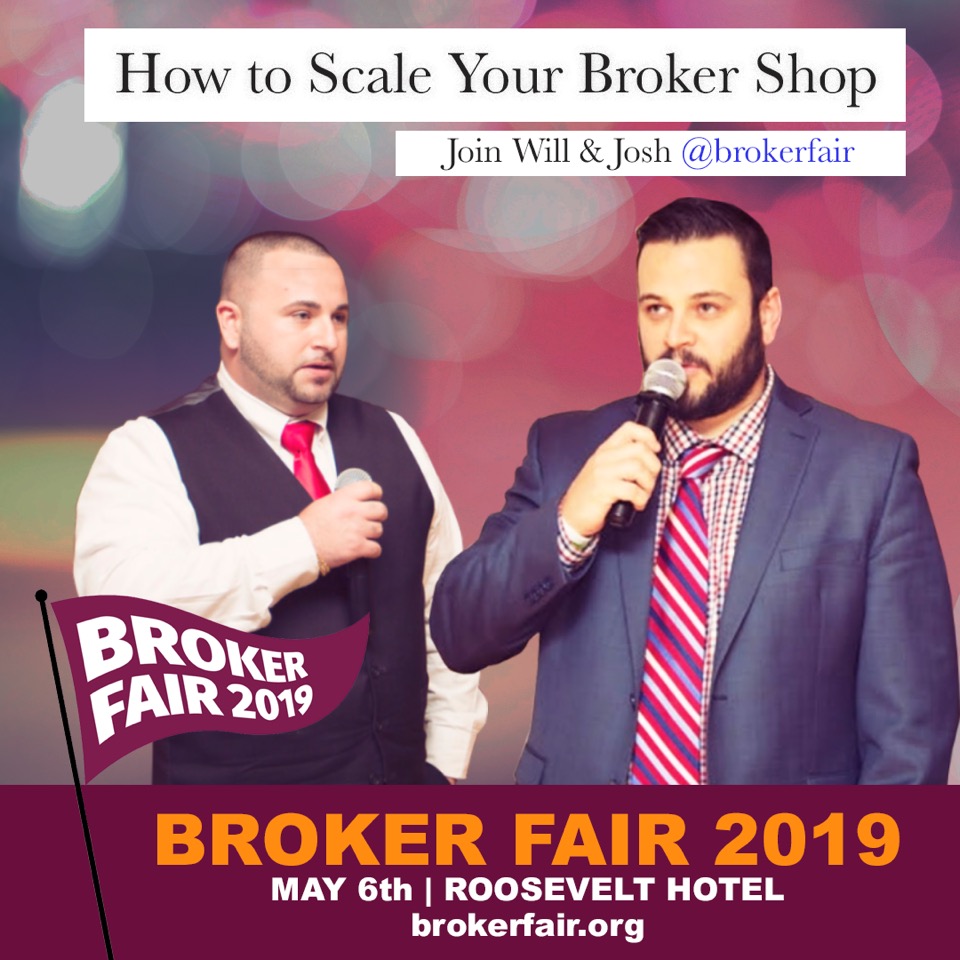
Limited tickets are still available. Register now at Brokerfair.org
The Everlasting Capital co-founders will be presenting at 3:15pm on May 6th in the Promenade Suite. To view the full agenda, CLICK HERE.
-
Brokers
Access to the conference as a broker - Full access to the May 6th conference
- Complimentary access to the post-event cocktails on the rooftop of The Roosevelt Hotel
- Your conference badge will identify you as a broker
-
Funders/Lenders
Access to the conference as a capital provider - Full access to the May 6th conference
- Complimentary access to the post-event cocktails on the rooftop of The Roosevelt
- Your conference badge will identify you as a direct capital provider
-
General Admission
Access to the conference as a third party - Full access to the May 6th conference
- Complimentary access to the post-event cocktails on the rooftop at The Roosevelt
What Am I?
Broker
- You are employed by a non-bank business financing Broker/ISO — OR — You are an independent sales agent
- You are NOT employed by a direct lender or direct funder
- Broker Fair reserves the right to verify your selection.
- Your conference badge will identify you as a broker
Funder/Lender
- You are employed by a direct capital provider whether it’s loans, merchant cash advances, factoring, or other products
- Your conference badge will identify you as a direct capital provider
General Admission
- You are not employed by a broker/ISO or direct capital provider
- Your conference badge will not display a specific business model designation
- You will have the same conference access as a funder/lender does
Storytelling Sales Expert Kindra Hall to Keynote Broker Fair 2019
March 7, 2019 Sales expert Kindra Hall will present at Broker Fair 2019 to teach attendees about the irresistible power of strategic storytelling. If you want to learn to sell differently and use the power of storytelling, her keynote is something you won’t want to miss!
According to Hall, the shift from a transactional economy to a connected one has people scrambling; when surveyed, companies admit they believe a substantial portion of their revenue is under threat as a result. Businesses, brands, sales forces, marketing teams and leaders at all levels are desperately trying to capture attention and resonate with consumers who expect more. Is there a secret weapon? A silver bullet to humanize and connect? Yes. The answer is strategic storytelling.
The problem? In its rapid rise in popularity, “storytelling” has been reduced to in-actionable jargon. Every day businesses and individuals miss critical opportunities to connect with their elusive audiences in powerful and profitable ways because they lack a storytelling skill. Until now.
About Kindra Hall
Kindra Hall is President and Chief Storytelling Officer at Steller Collective, a consulting firm focused on the strategic application of storytelling to today’s communication challenges. Kindra is one of the most sought after keynote speakers trusted by global brands to deliver presentations and trainings that inspire teams and individuals to better communicate the value of their company, their products and their individuality through strategic storytelling.
What began as a storytelling assignment in 5th grade, grew into a passion for not only telling stories, but a mastery for teaching others the methods and science of storytelling so they can better tell their own.

She was a National Champion storyteller (yes, they have those), member of the Board of Directors of the National Storytelling Network and has her master’s degree in communications where she conducted original research studying the role of storytelling in defining and revealing organizational culture.
Kindra is a former Director of Marketing and VP of Sales. Today, Kindra’s work can be seen at Inc.com, Entrepreneur.com and as a contributing editor for SUCCESS Magazine. Kindra’s message spans all industries and her clients include Facebook, Hilton Hotels, Tyson Foods, Target, Berkshire Hathaway and the Harvard Medical School. Her much anticipated book will be released by Harper Leadership in the fall of 2019.
Download Previous deBanked Magazine Issues Free
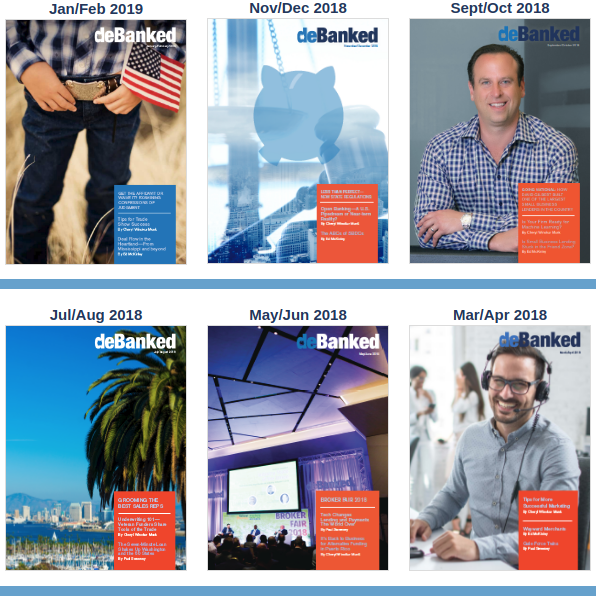
March 4, 2019Did you know that you can download previous deBanked magazine issues for free? Simply click any issue on our digital bookshelf to download it in PDF. To receive future issues in print, subscribe here.
Thanks For Coming to deBanked CONNECT Miami
January 26, 2019
We would like to thank everyone that sponsored and attended deBanked CONNECT Miami. We’ll publish the photos when we have them available. If you enjoyed the event, you’ll love the upcoming full day Broker Fair 2019 conference on May 6th in New York City at the Roosevelt Hotel. It will be our biggest crowd yet. Early bird pricing is available through February 1st, so don’t delay!
Check out our video highlight reel below of last year’s Broker Fair in Brooklyn, NY.