events
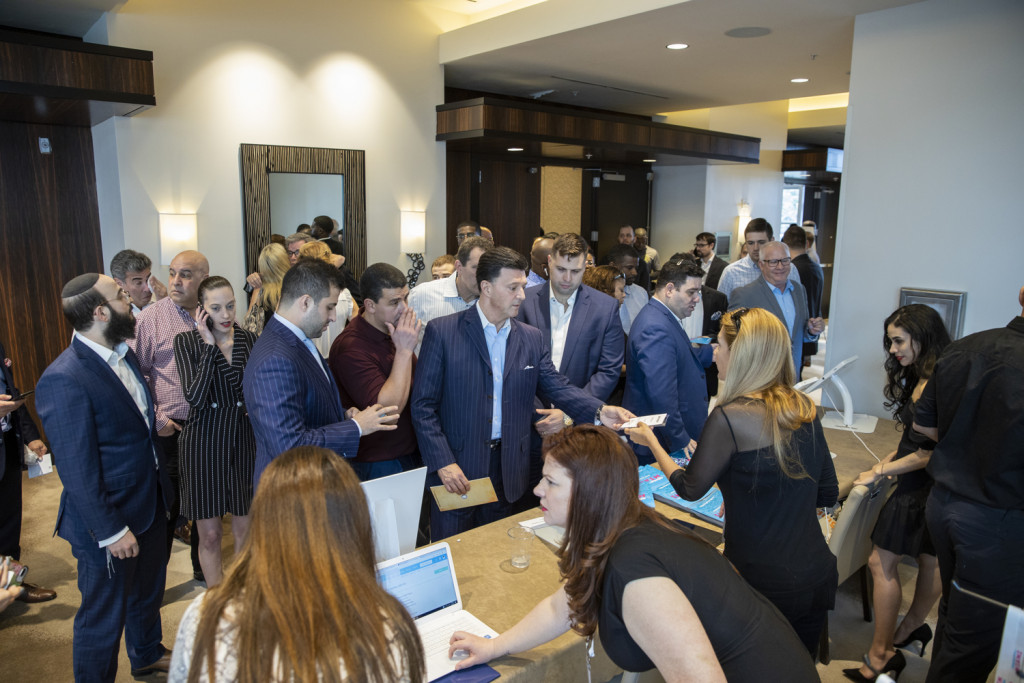
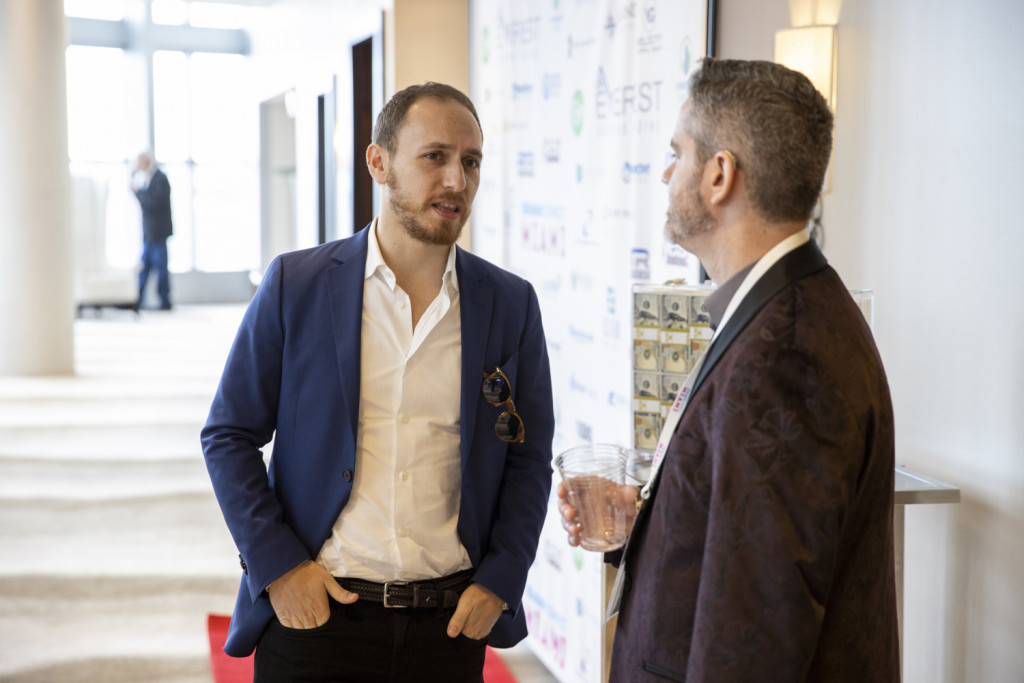
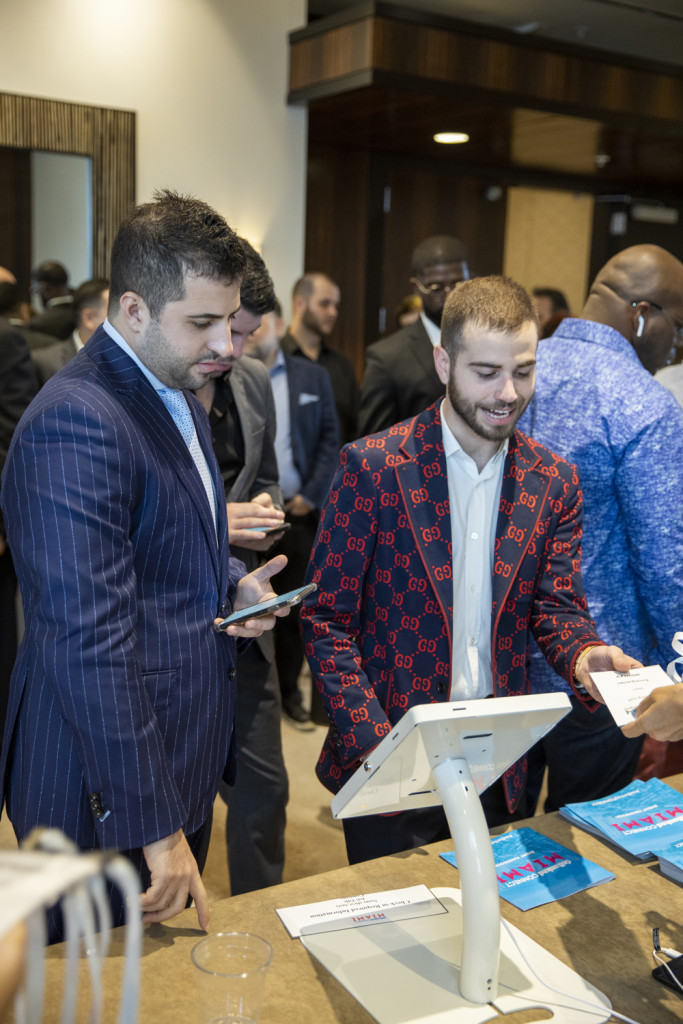
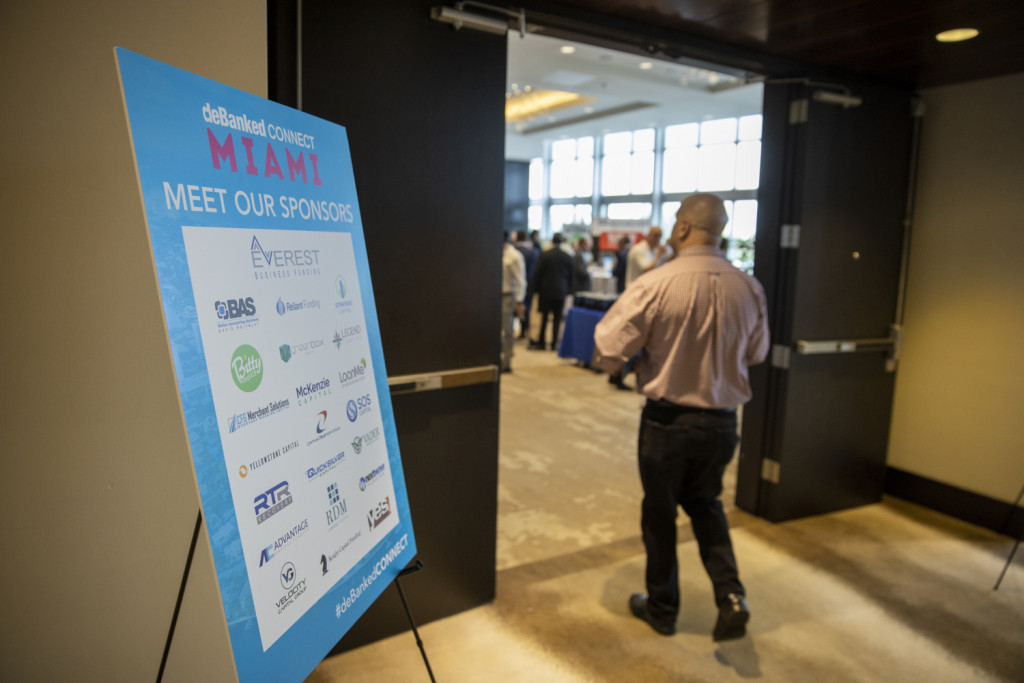
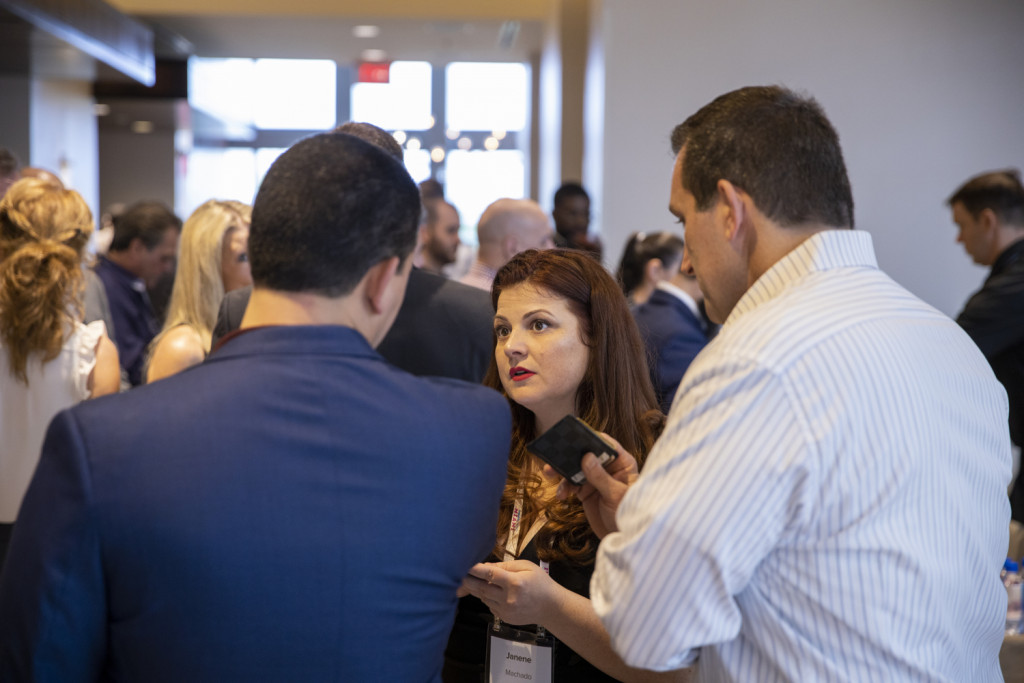
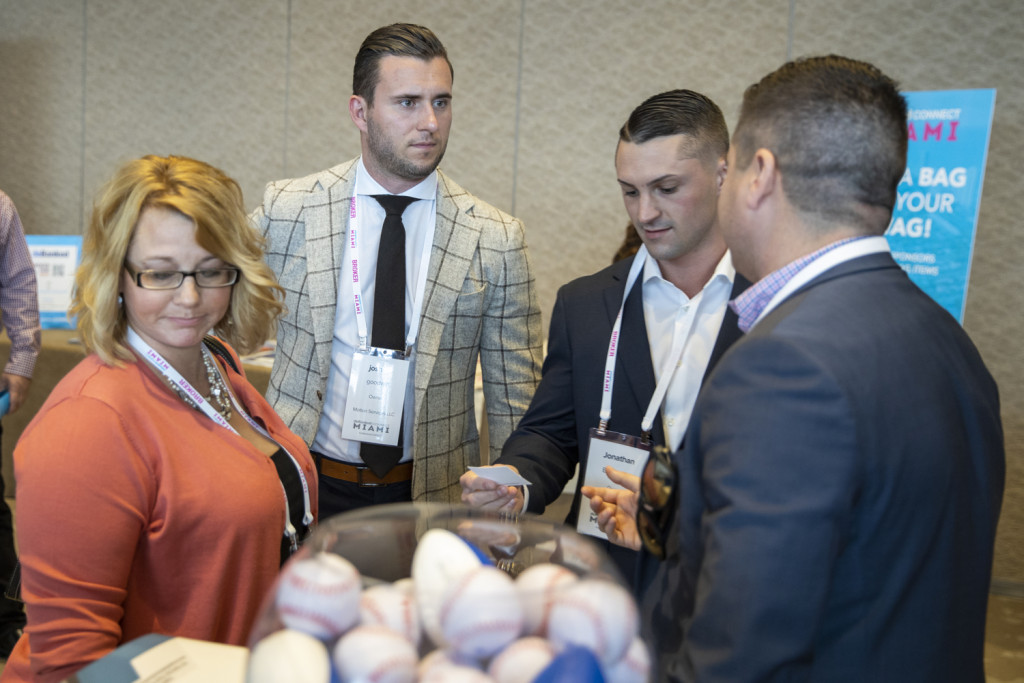
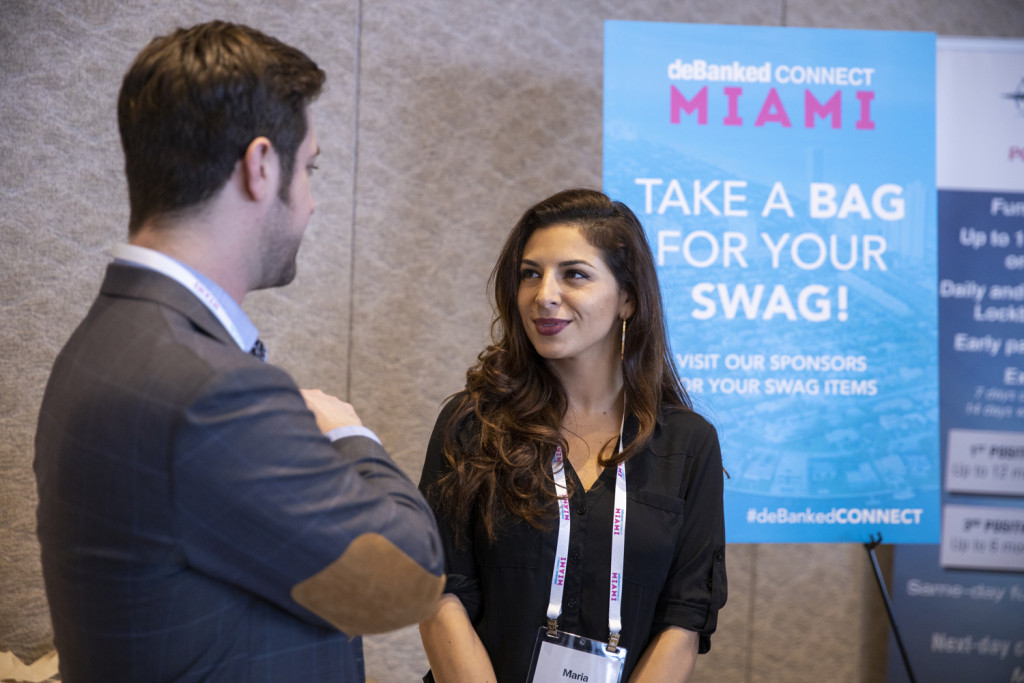
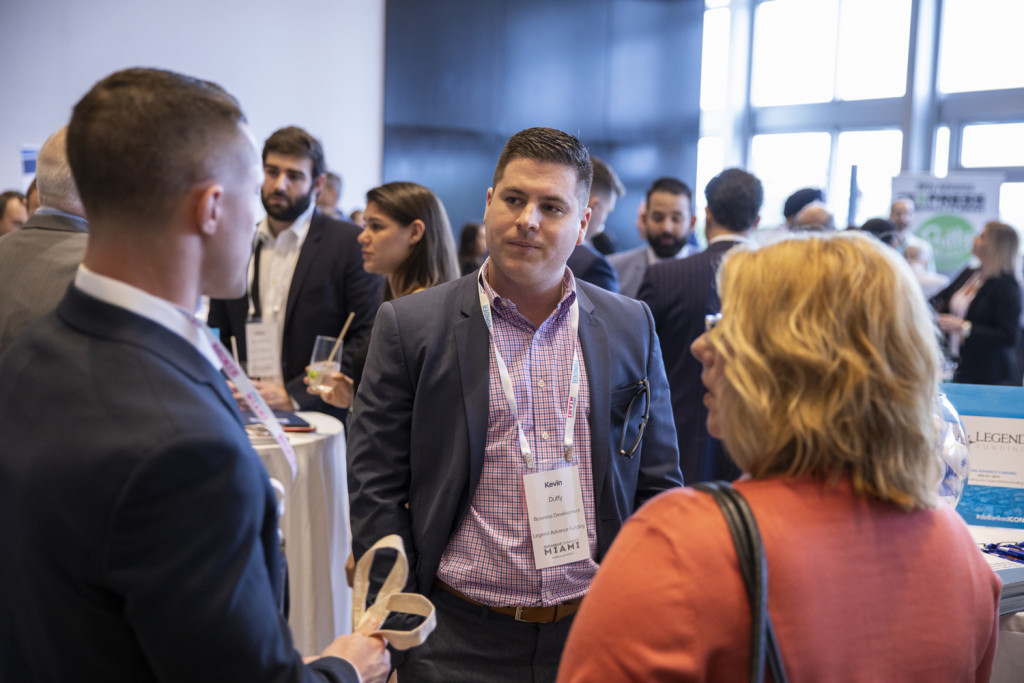
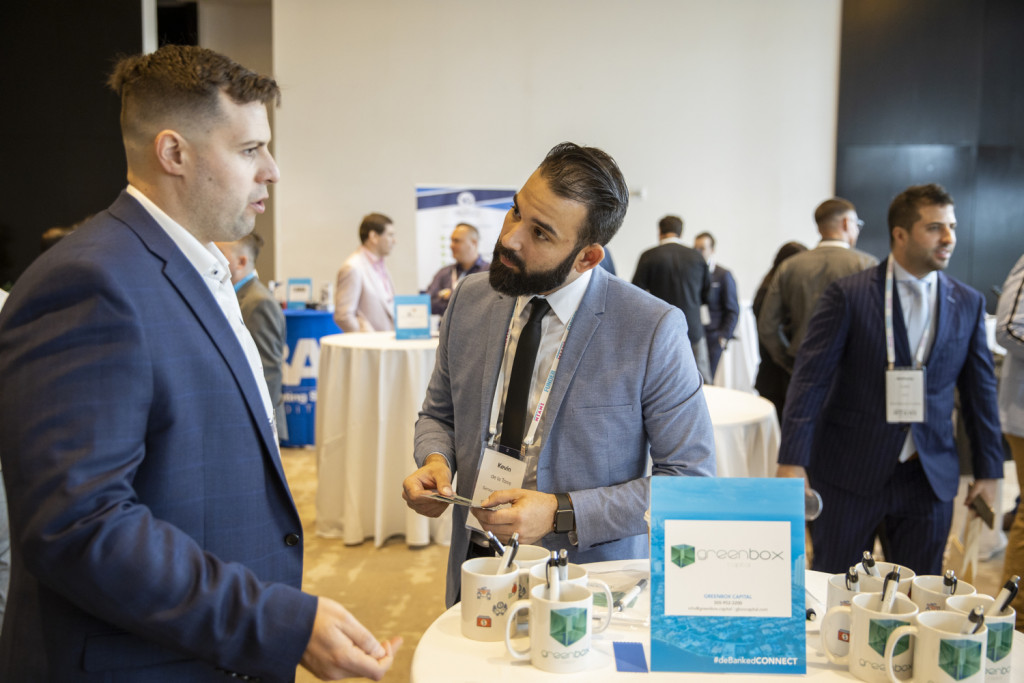
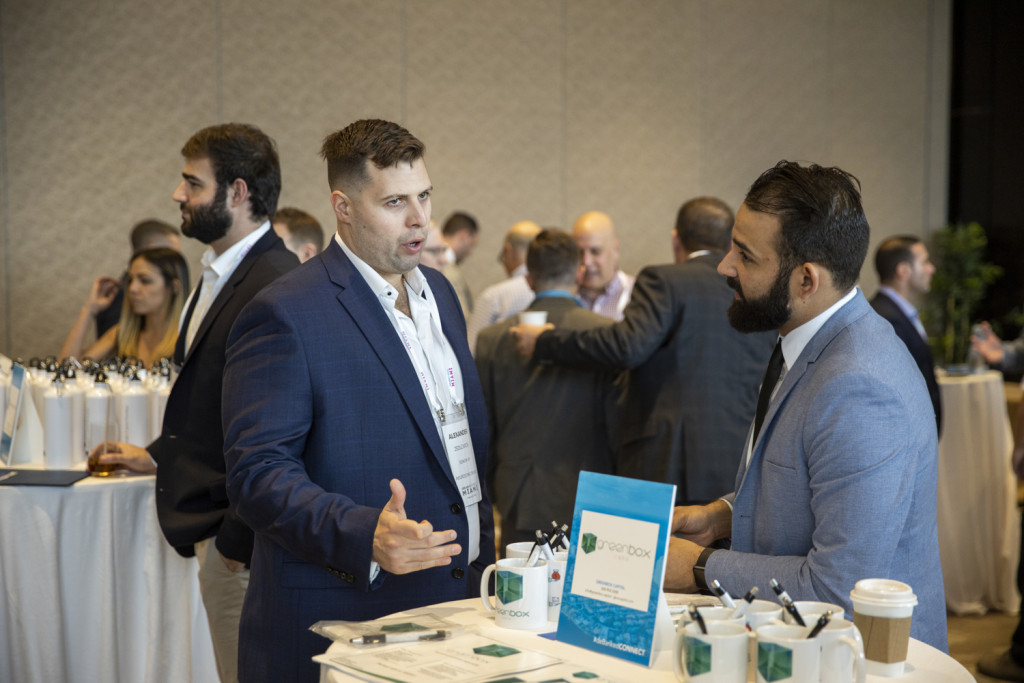
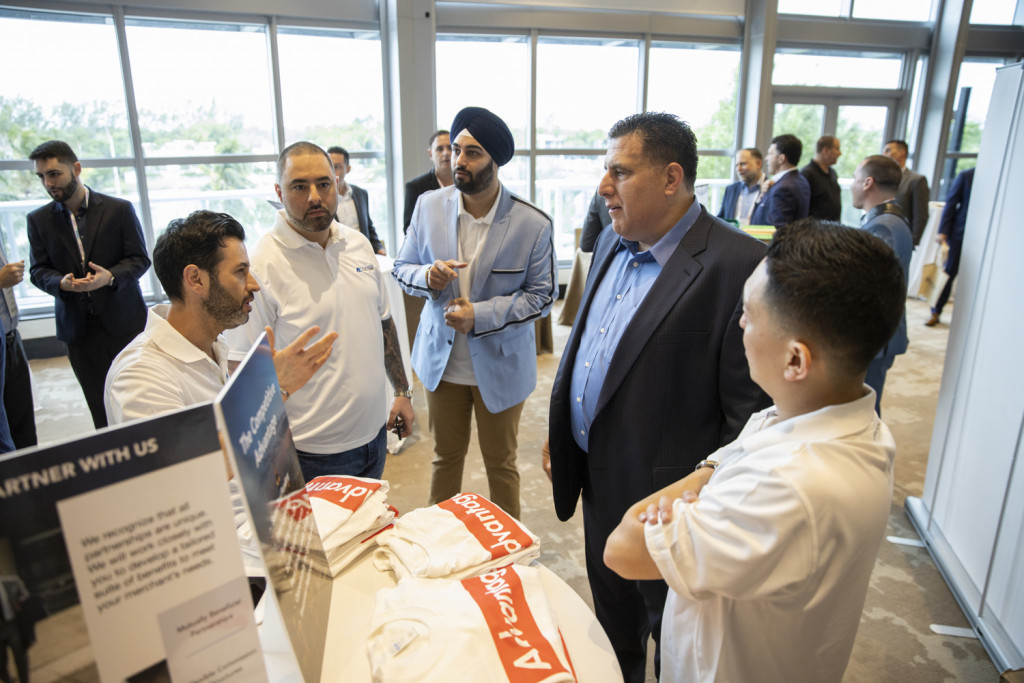
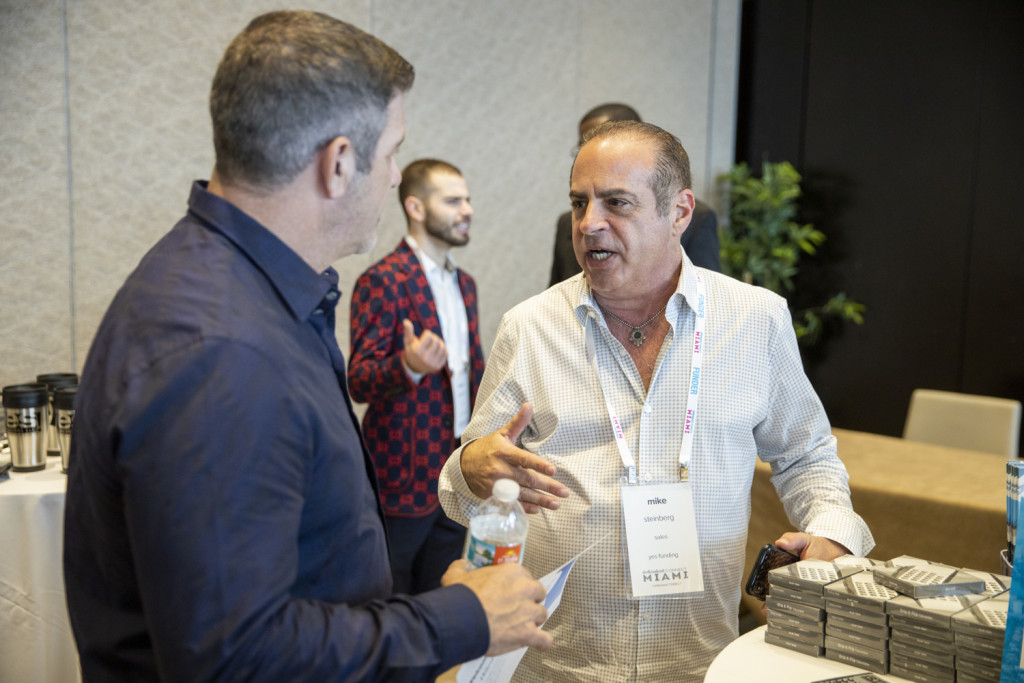
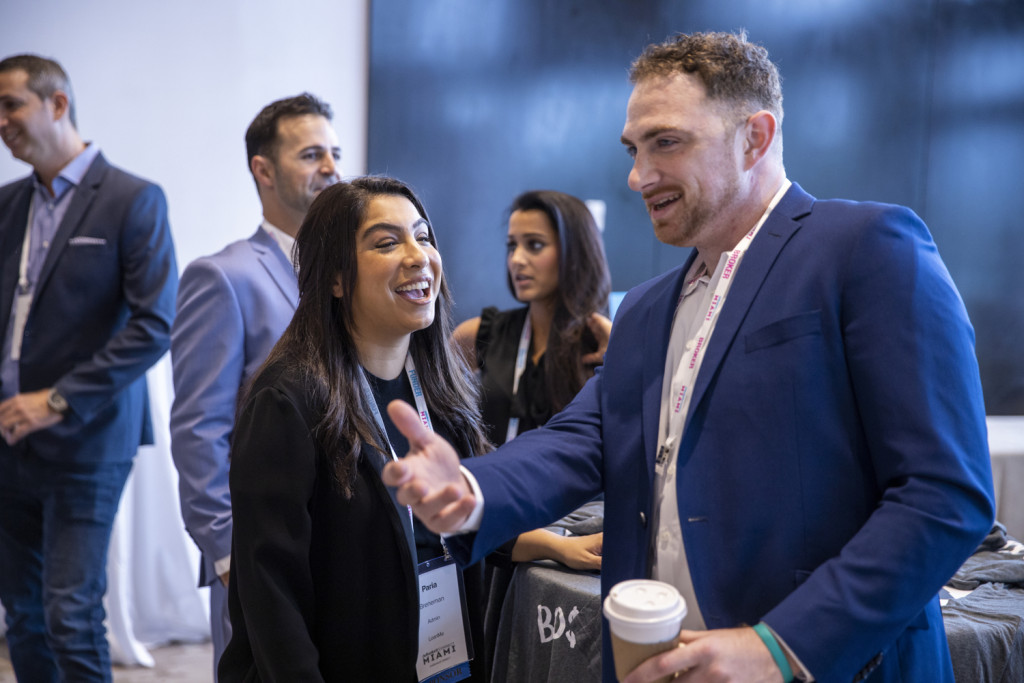
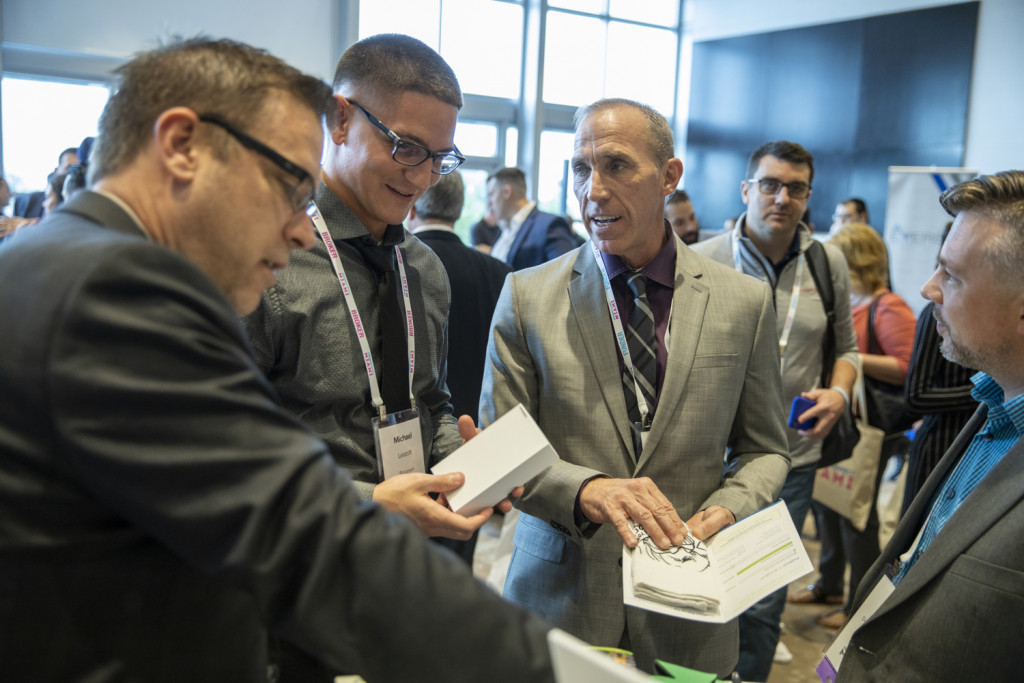
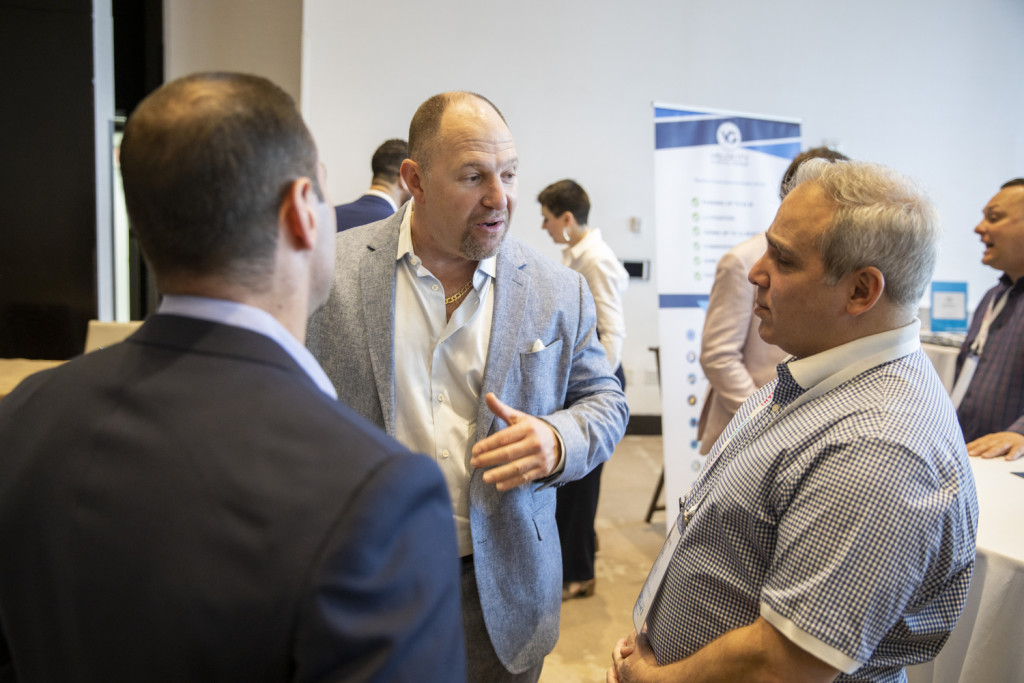
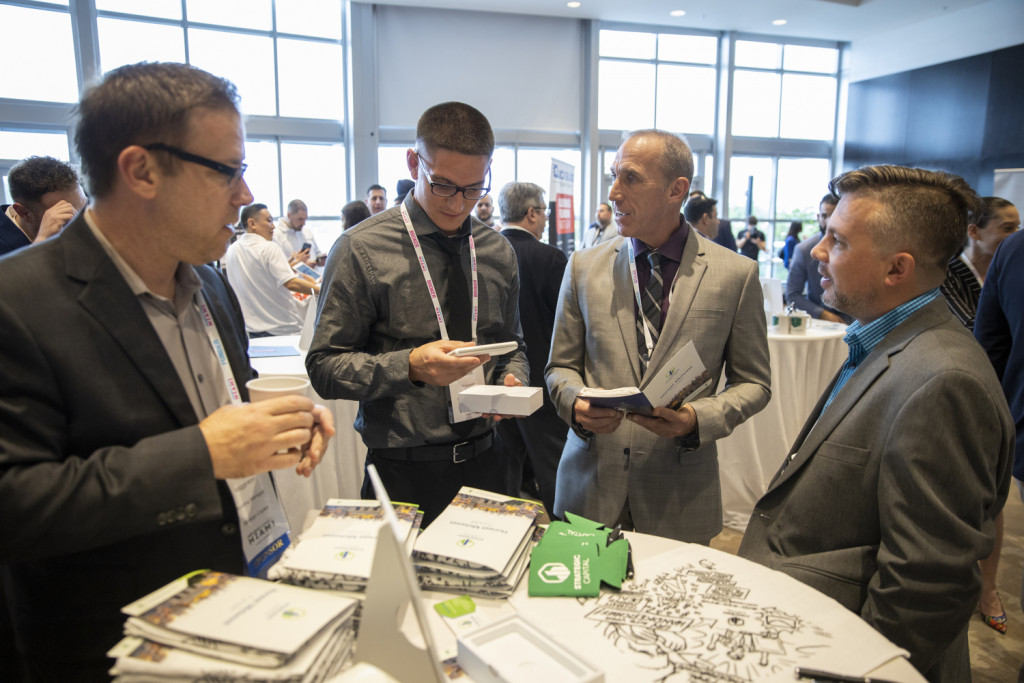
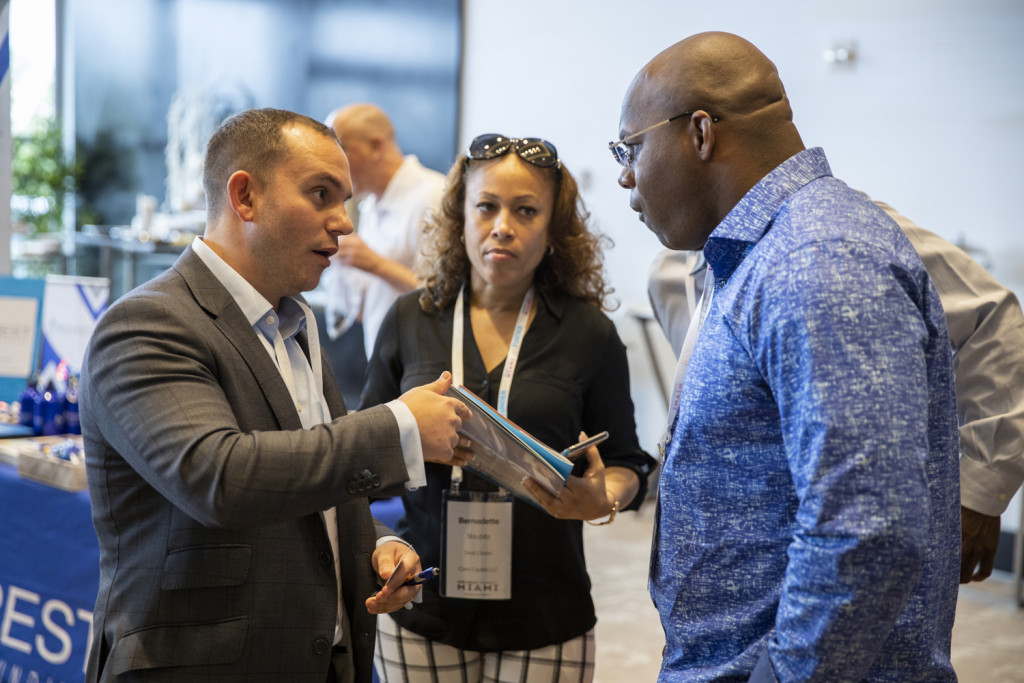
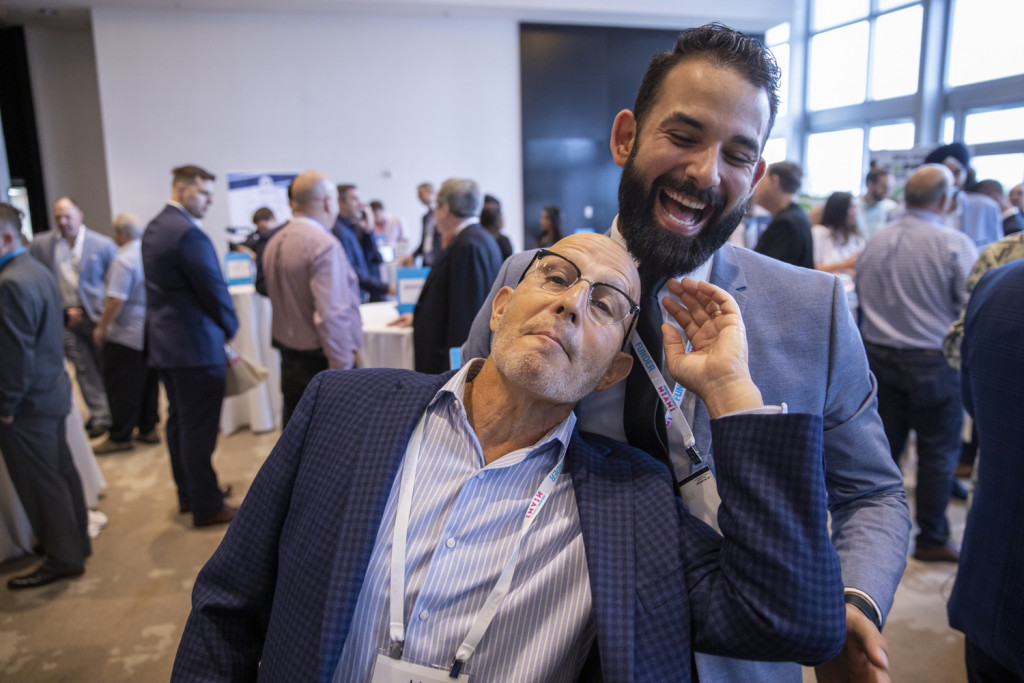
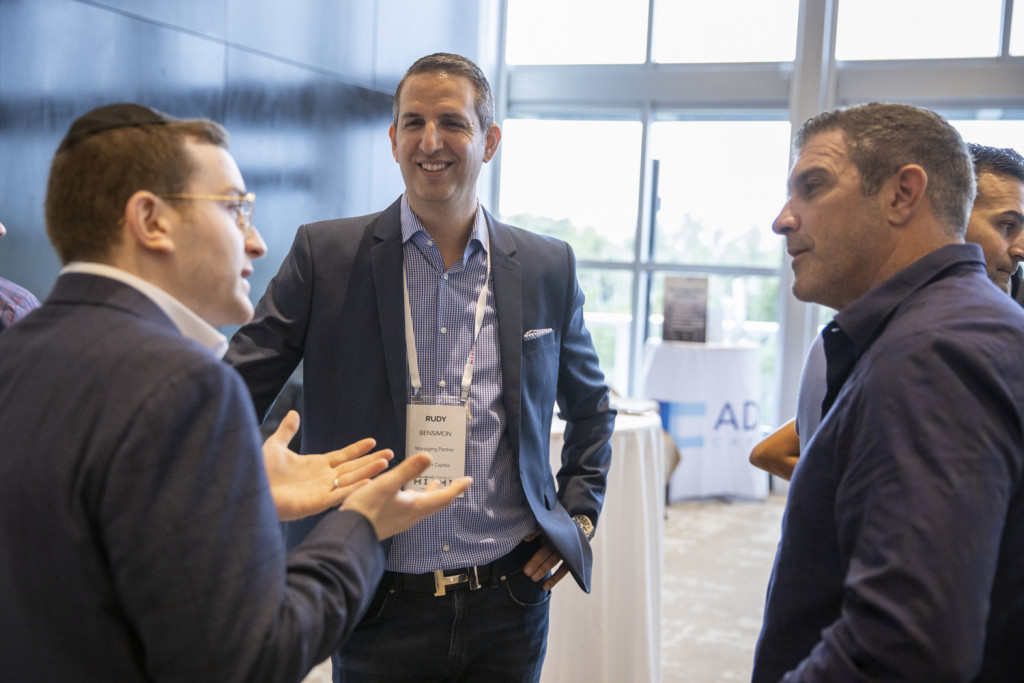
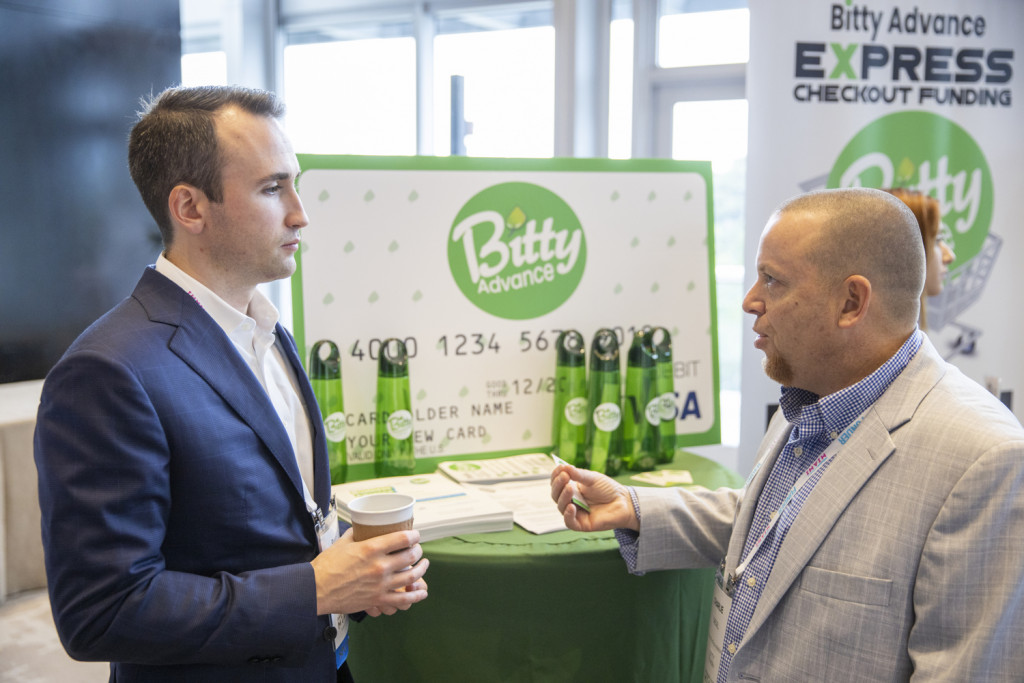
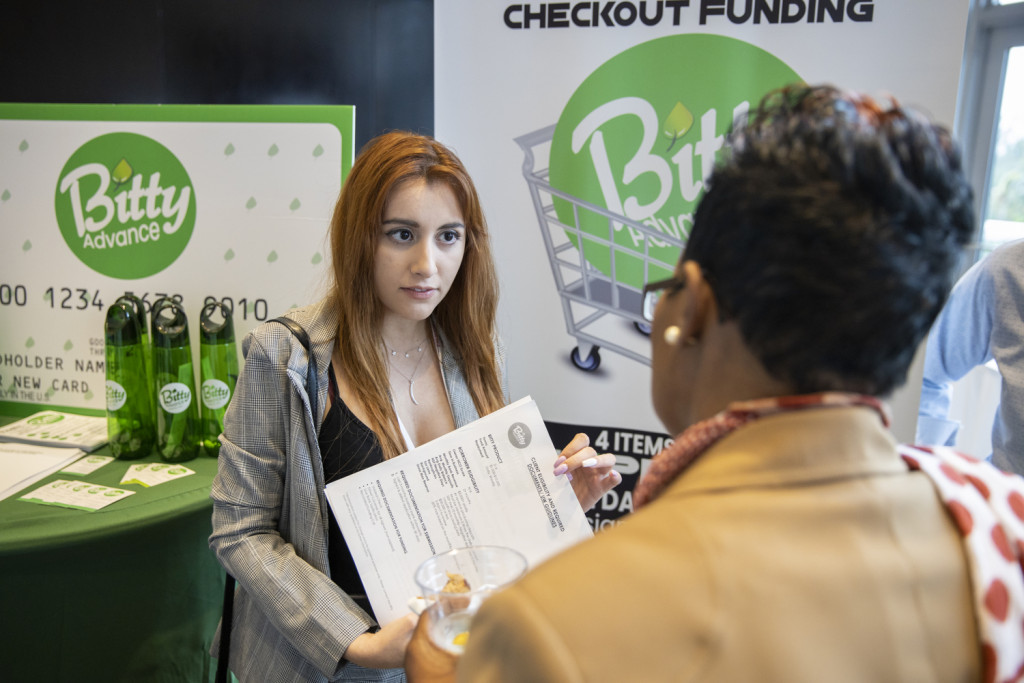
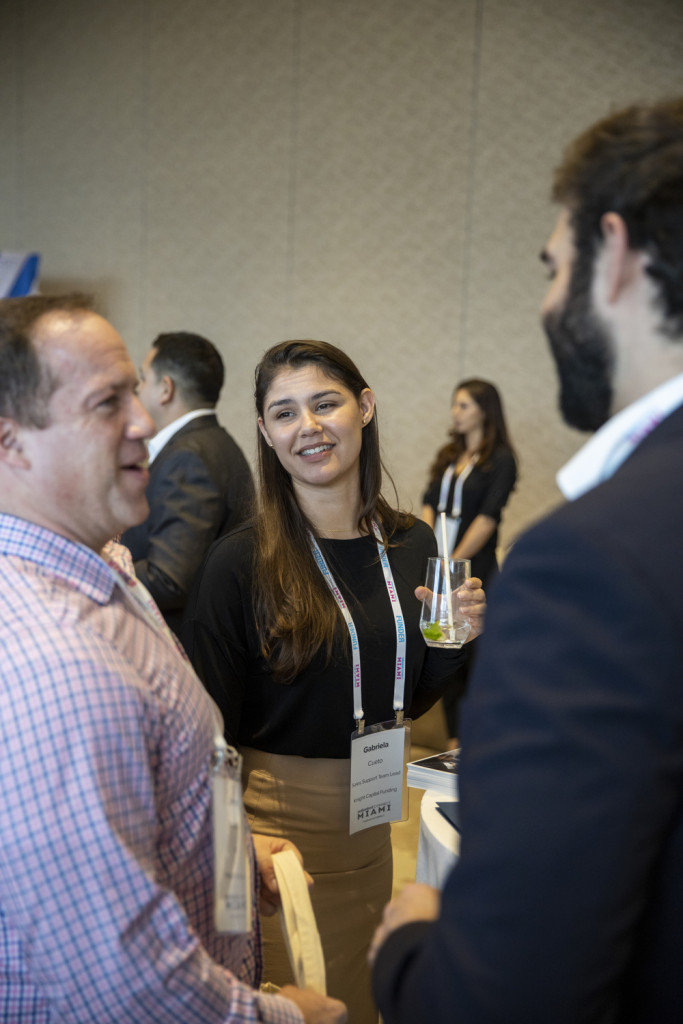
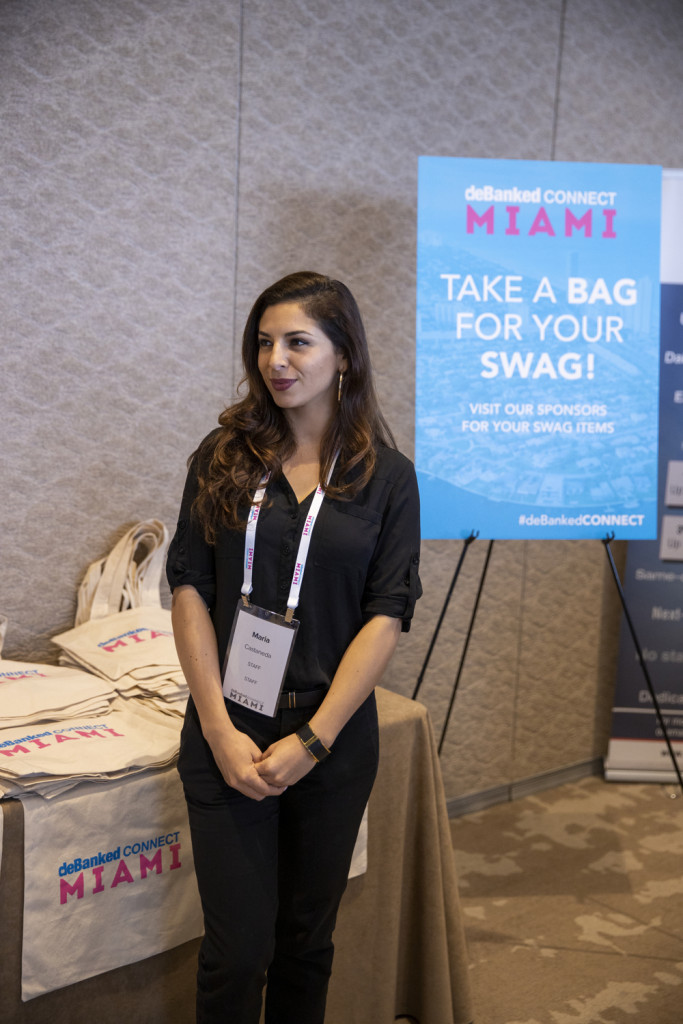
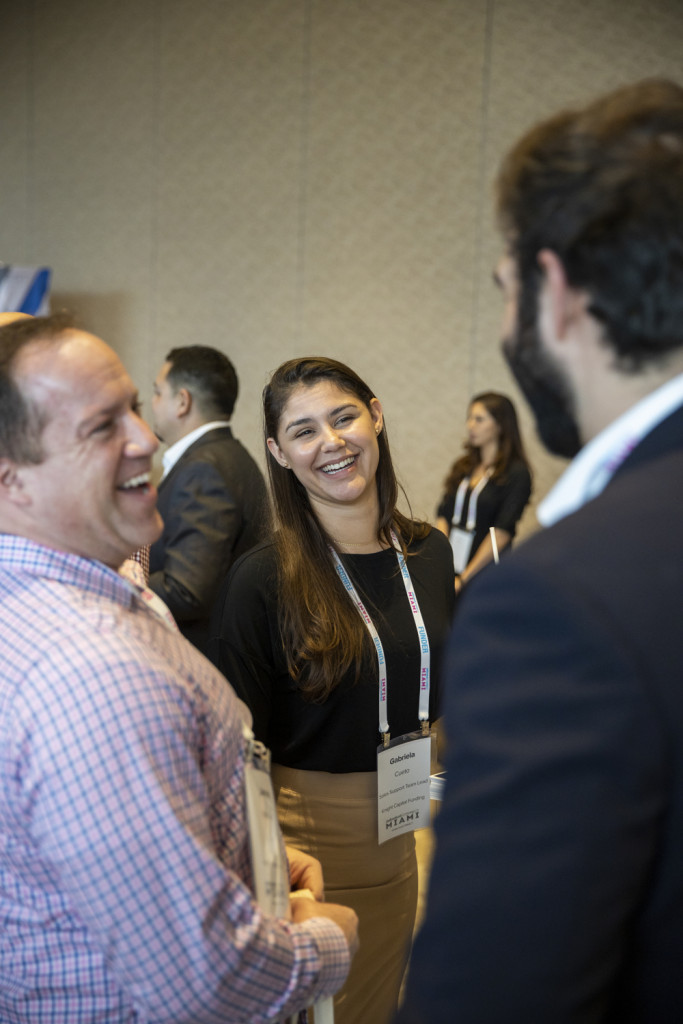
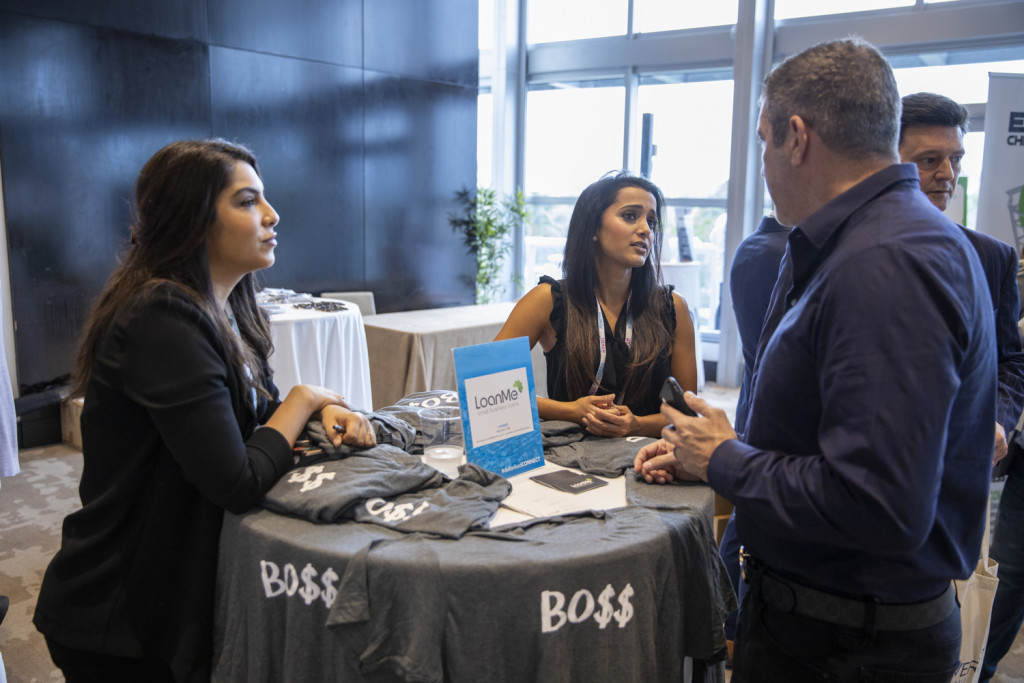
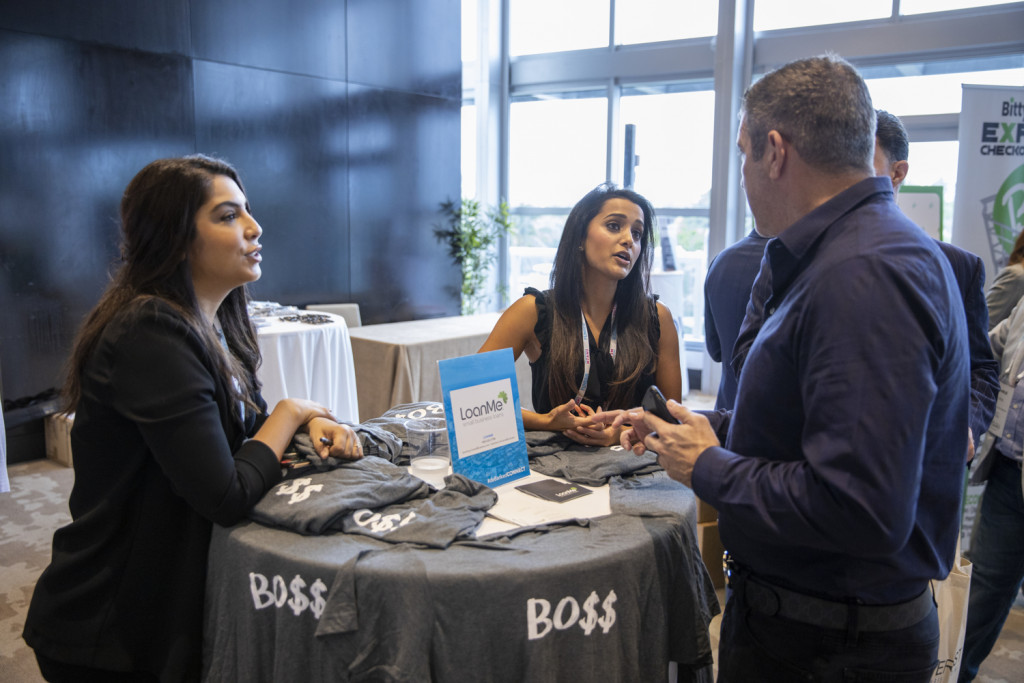
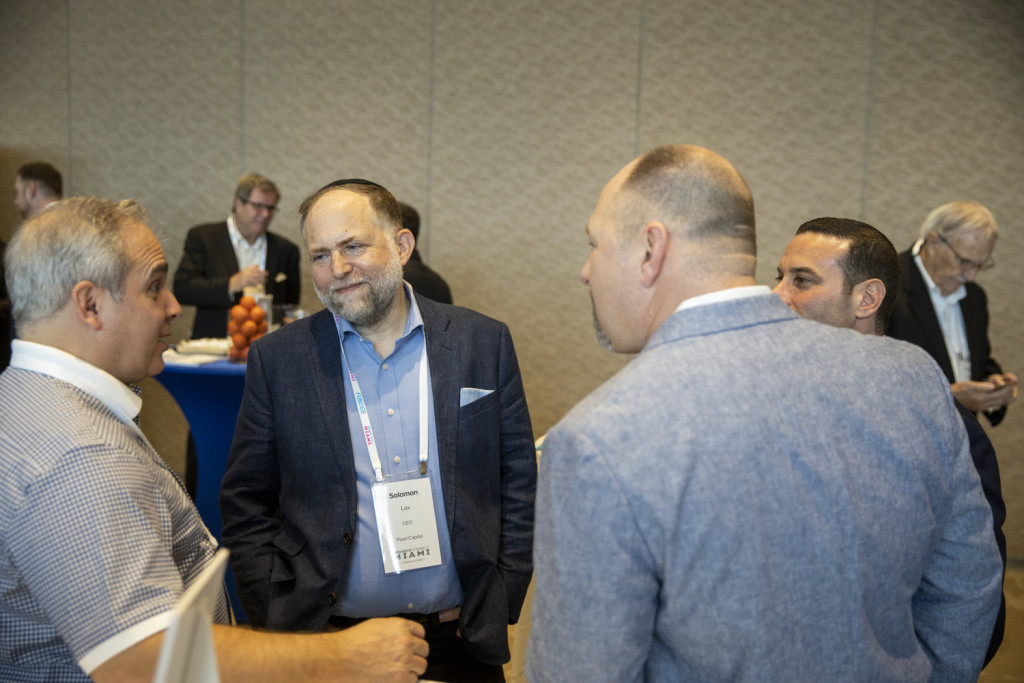
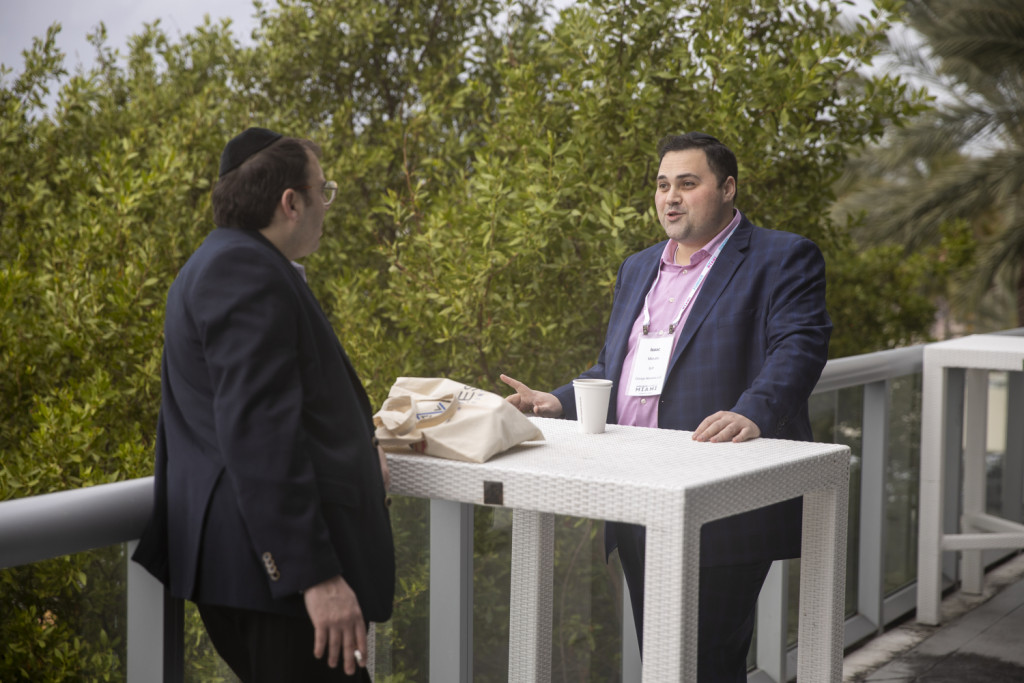
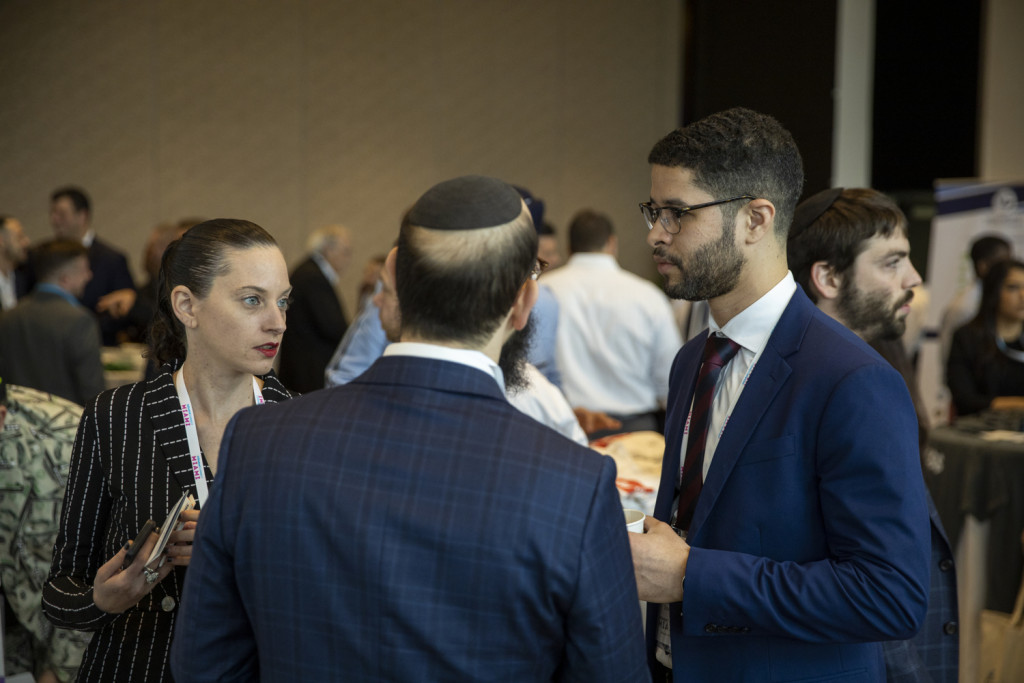
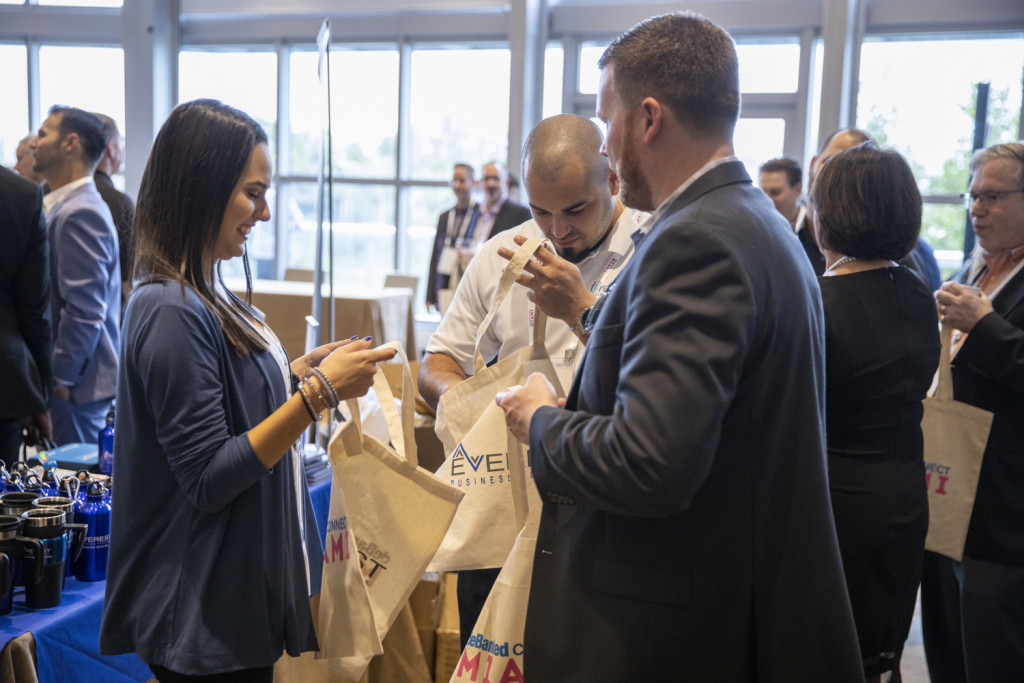
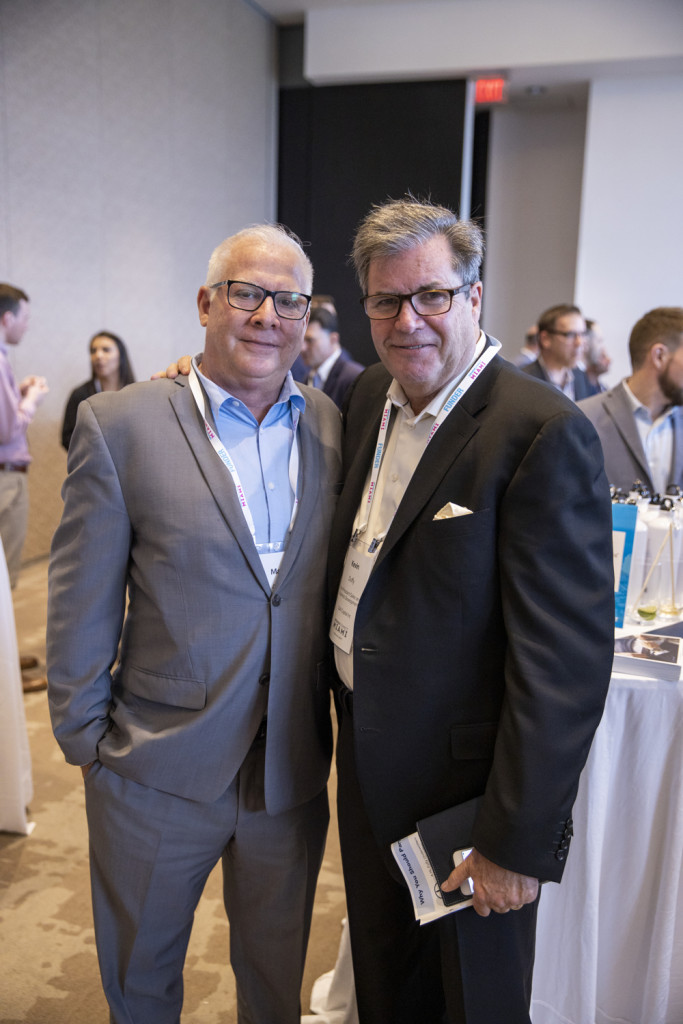
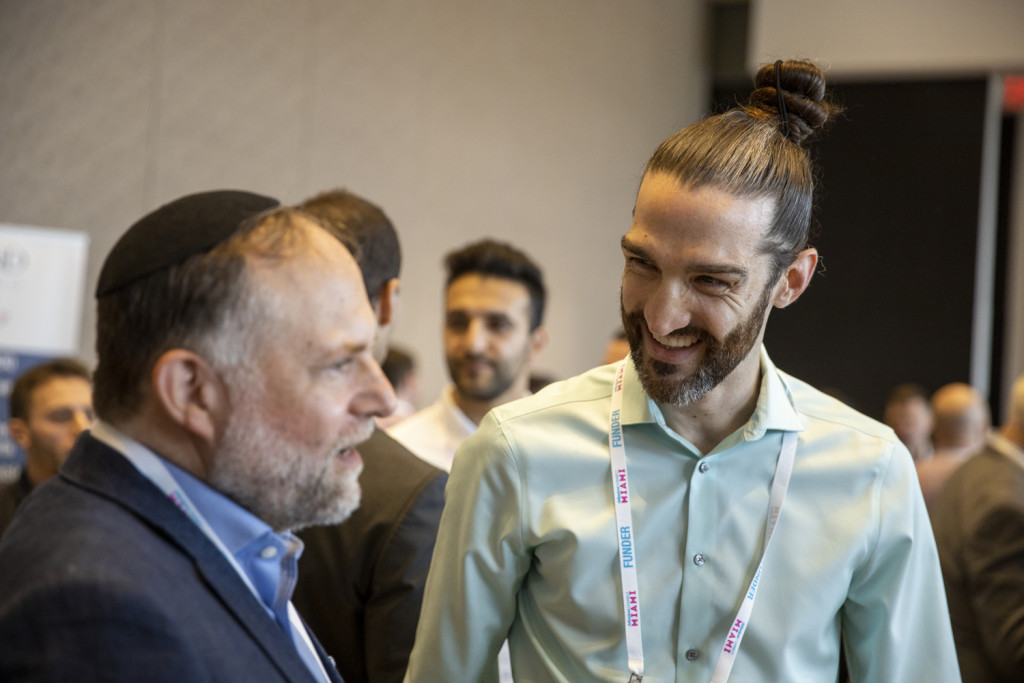
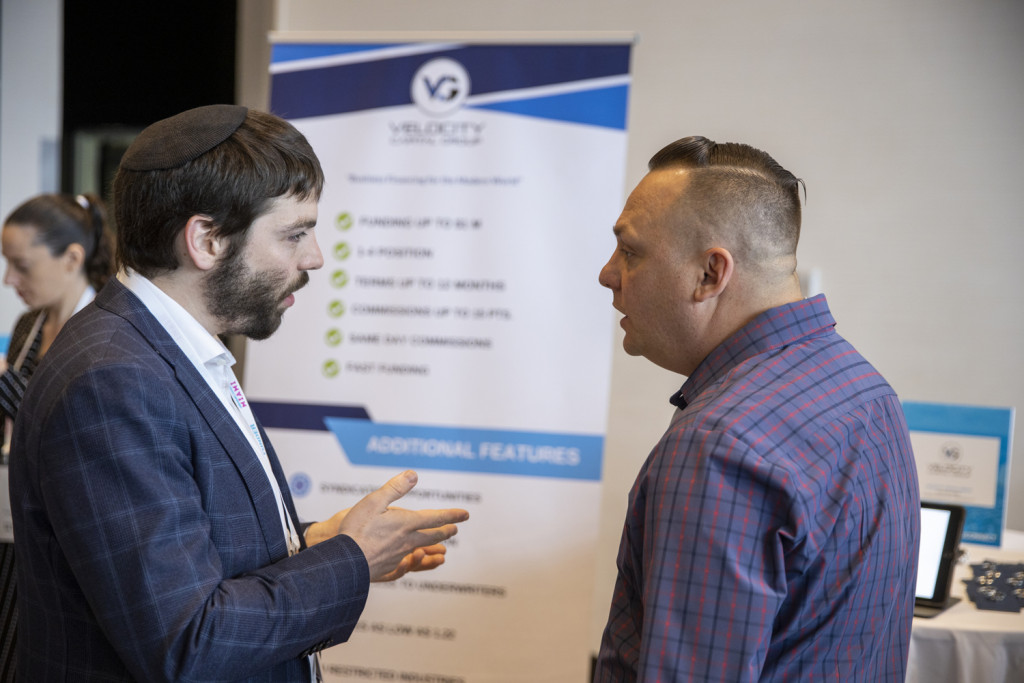
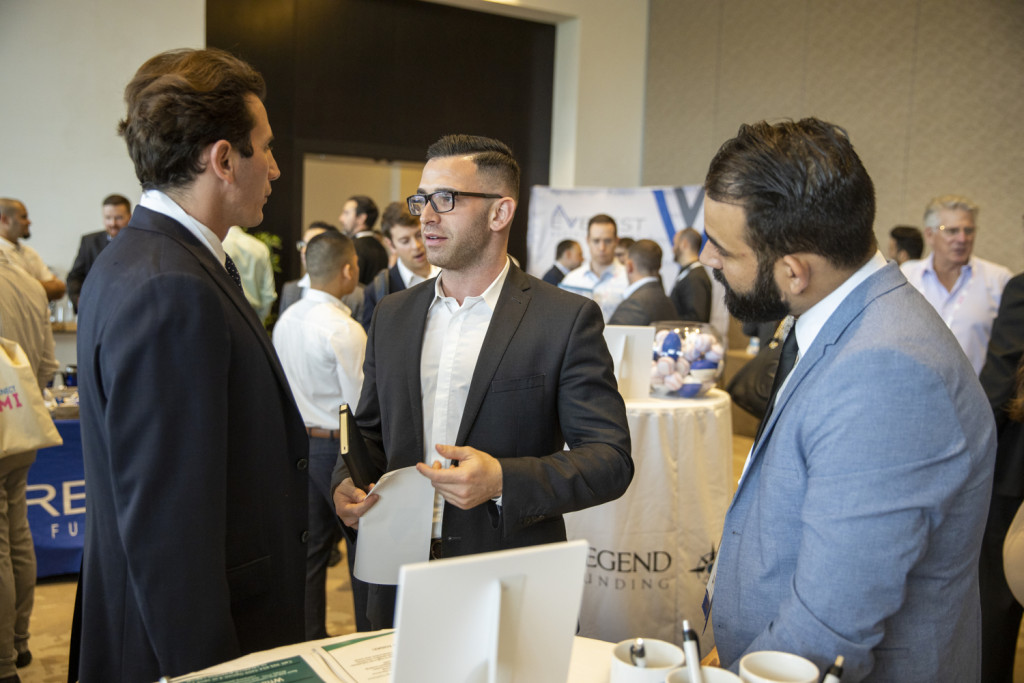
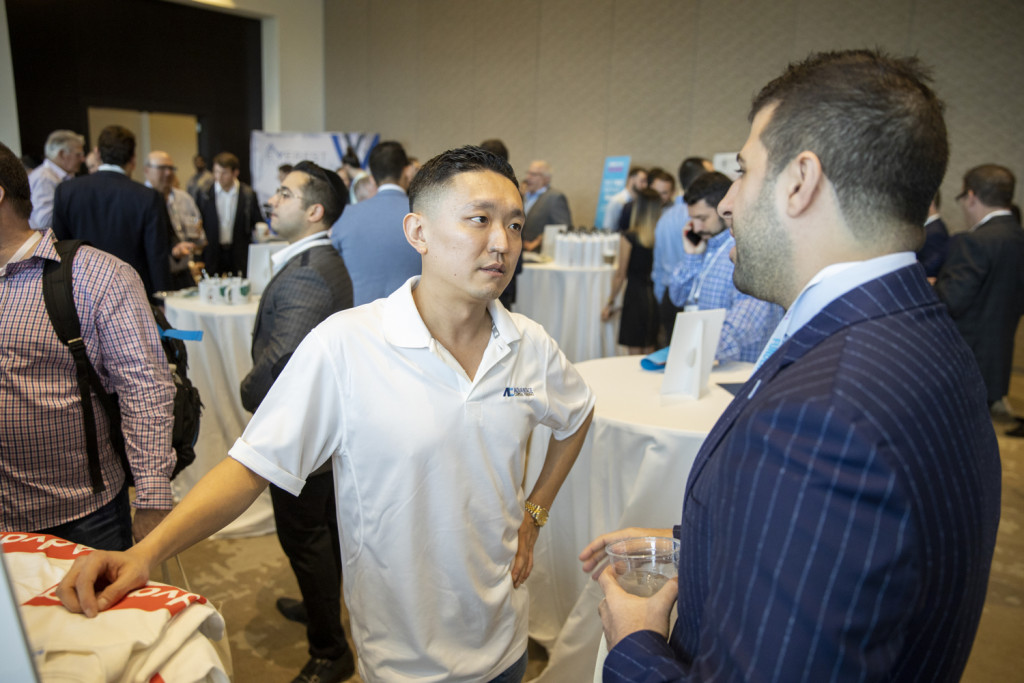
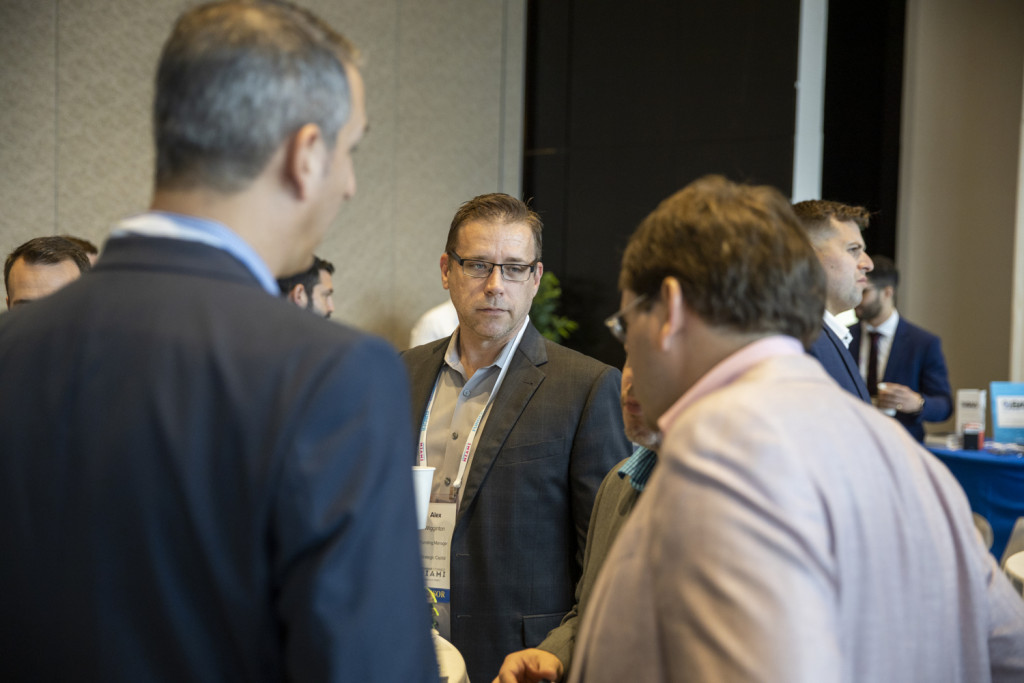
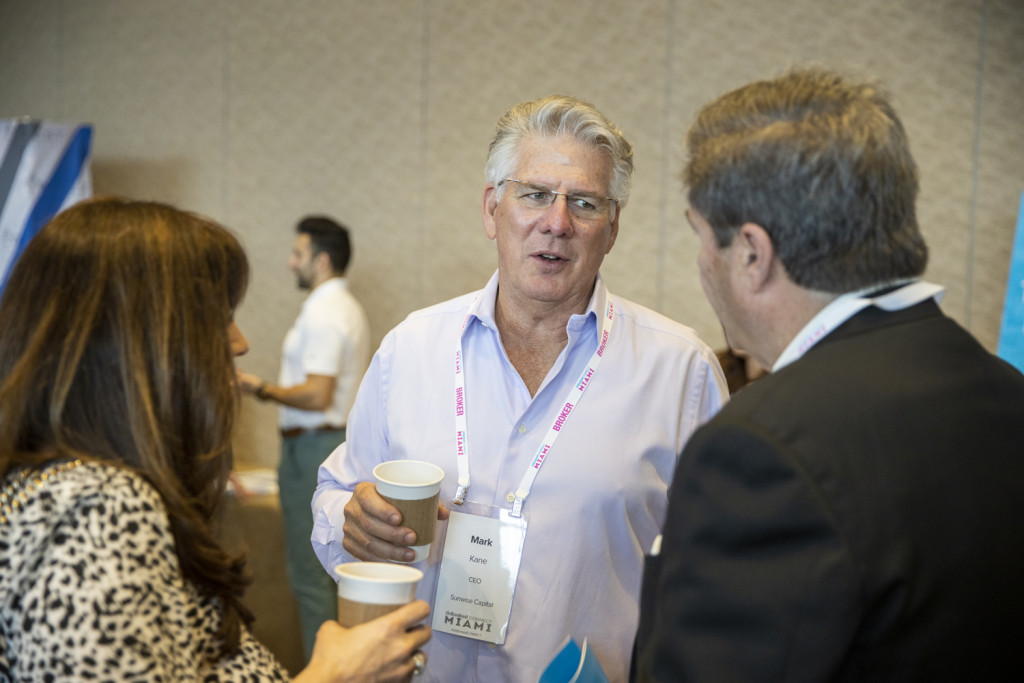
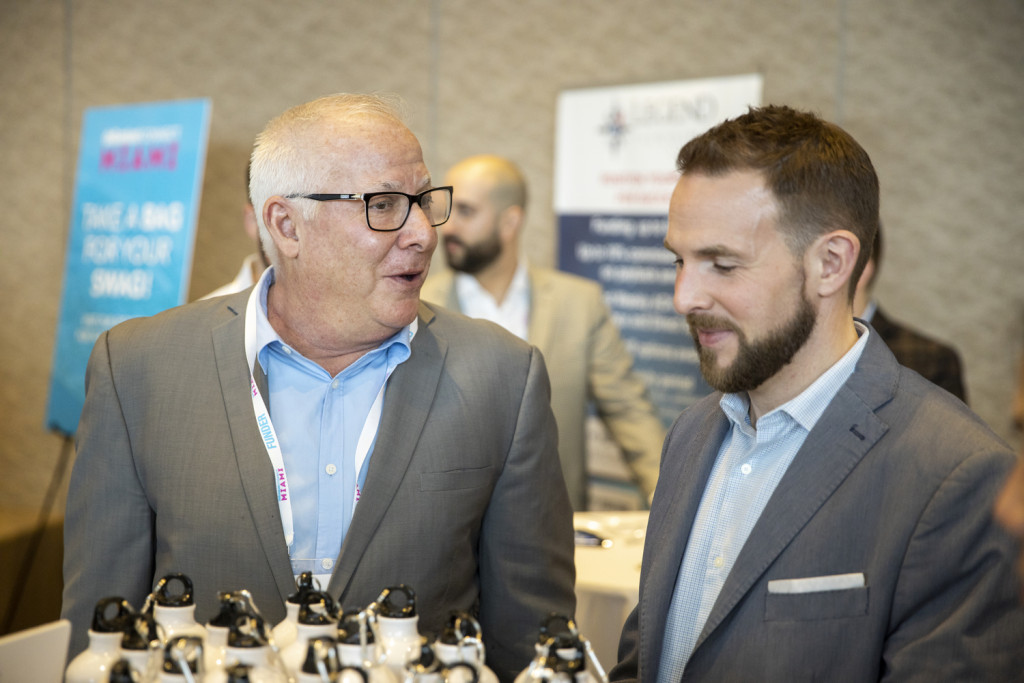
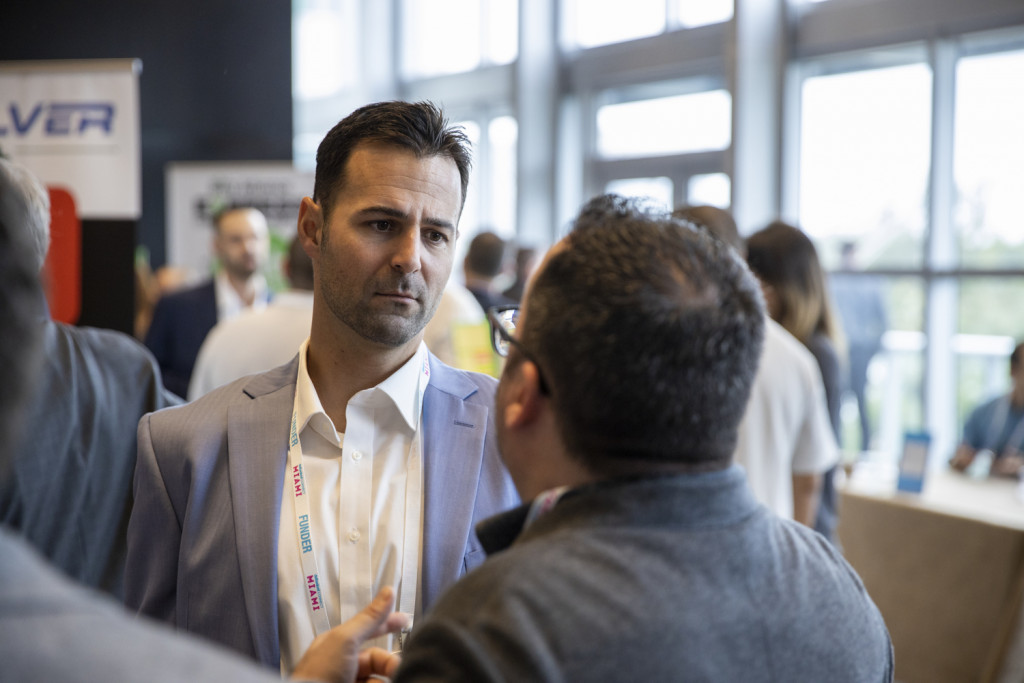
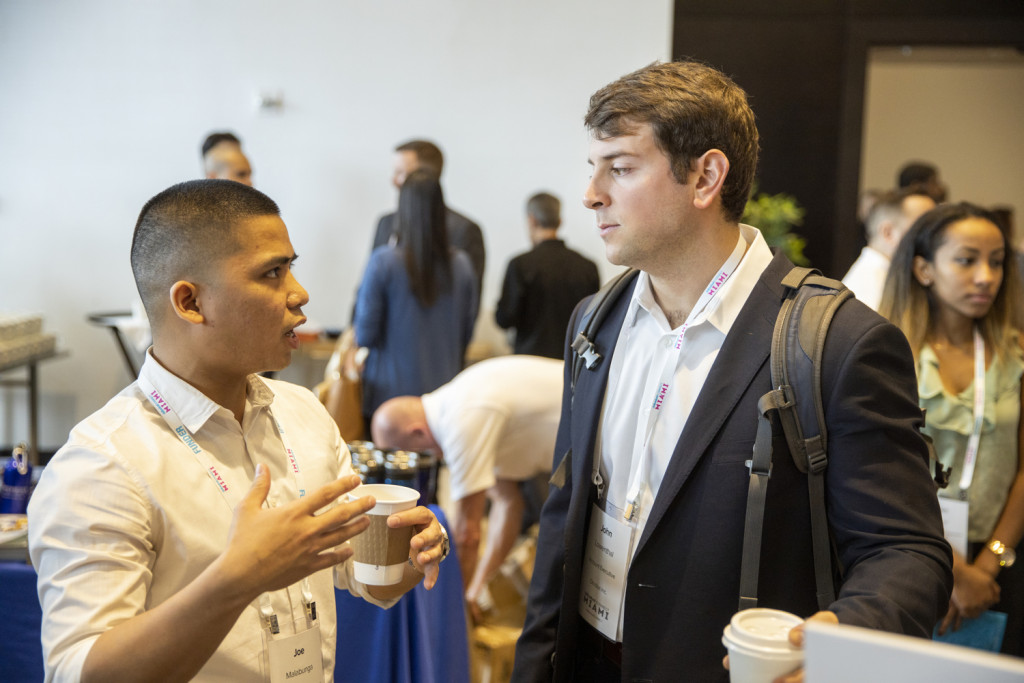
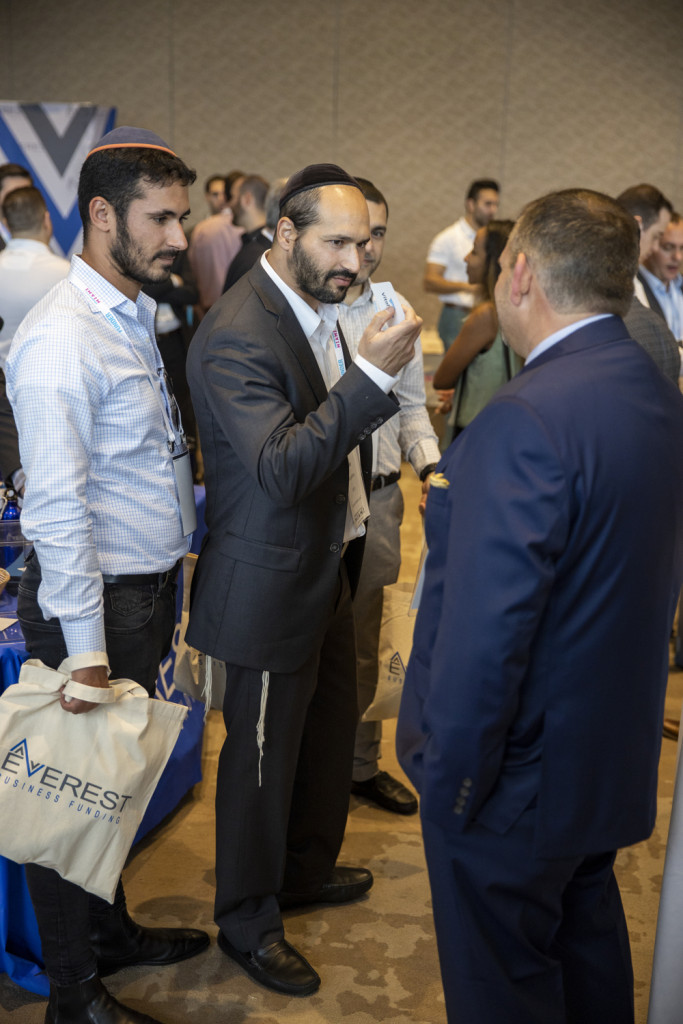
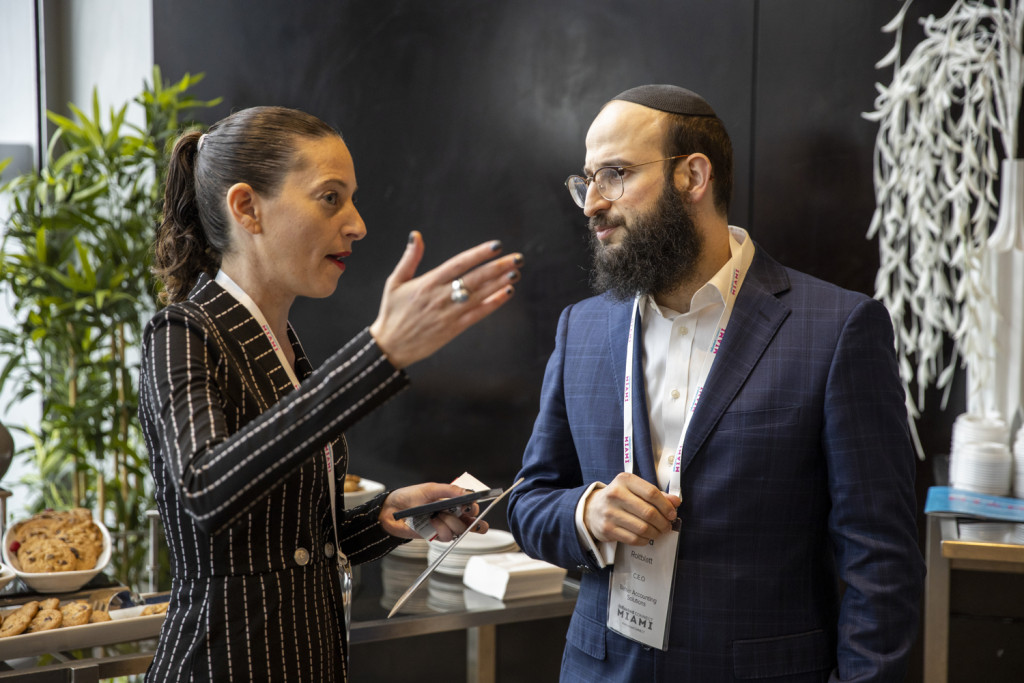
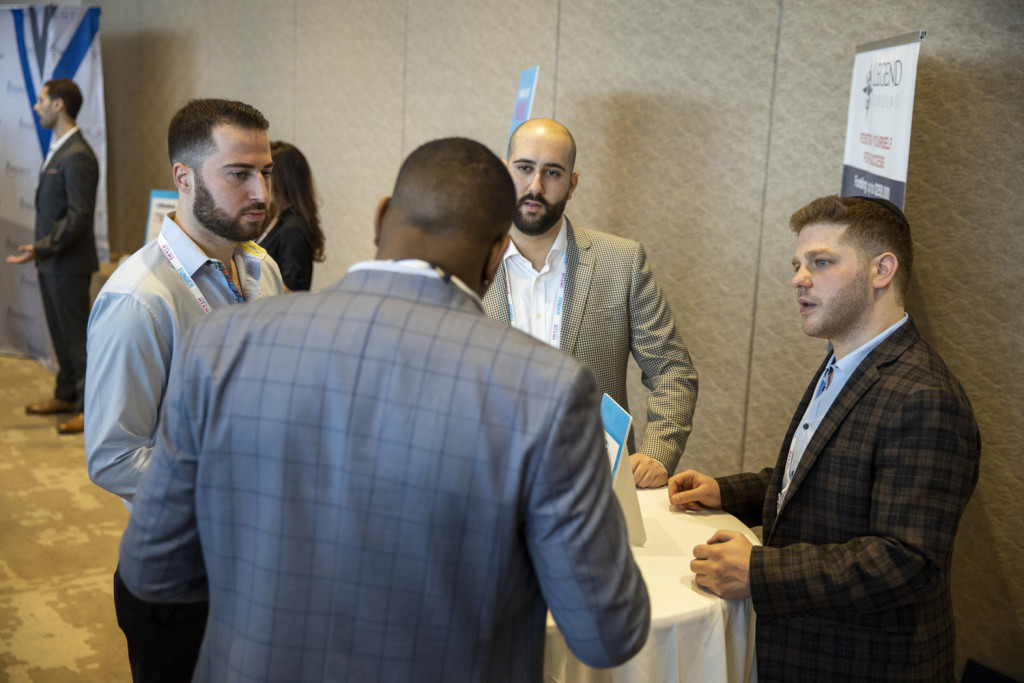
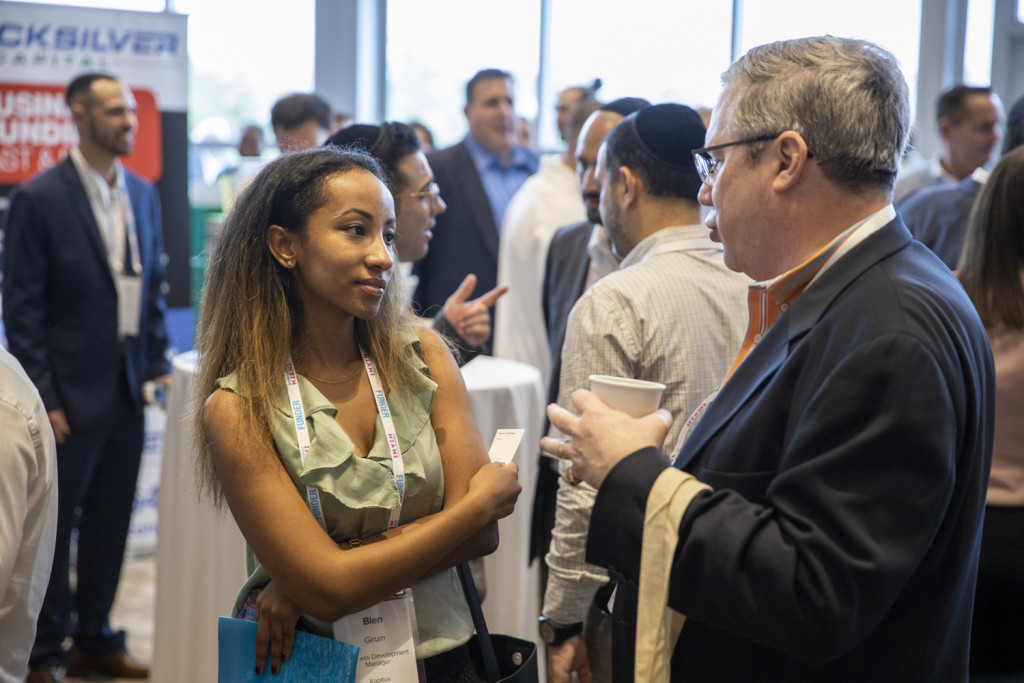
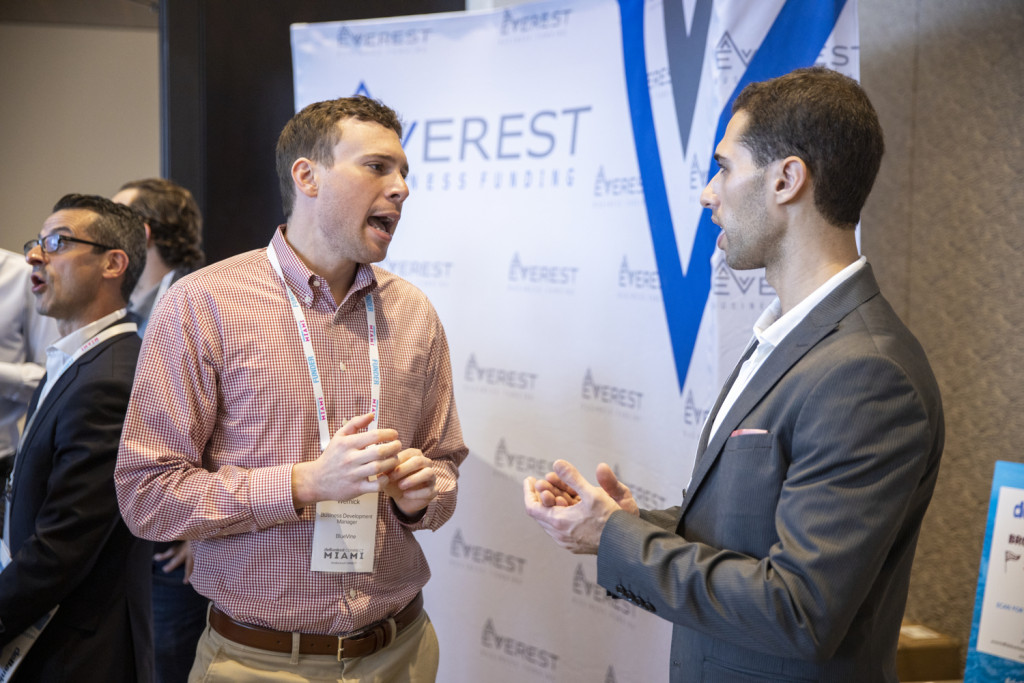
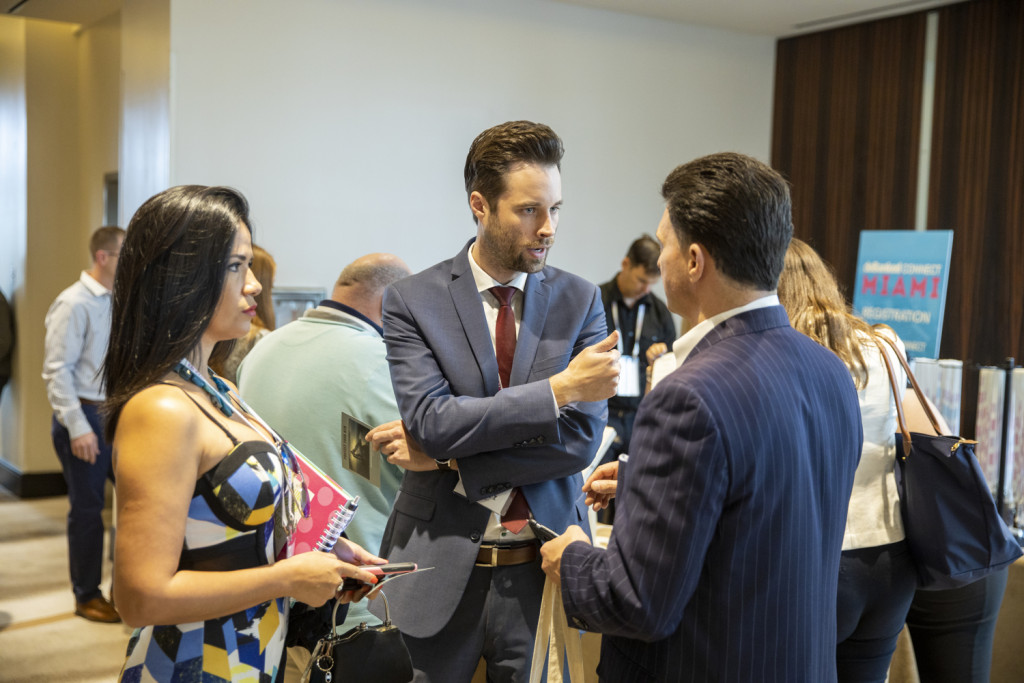
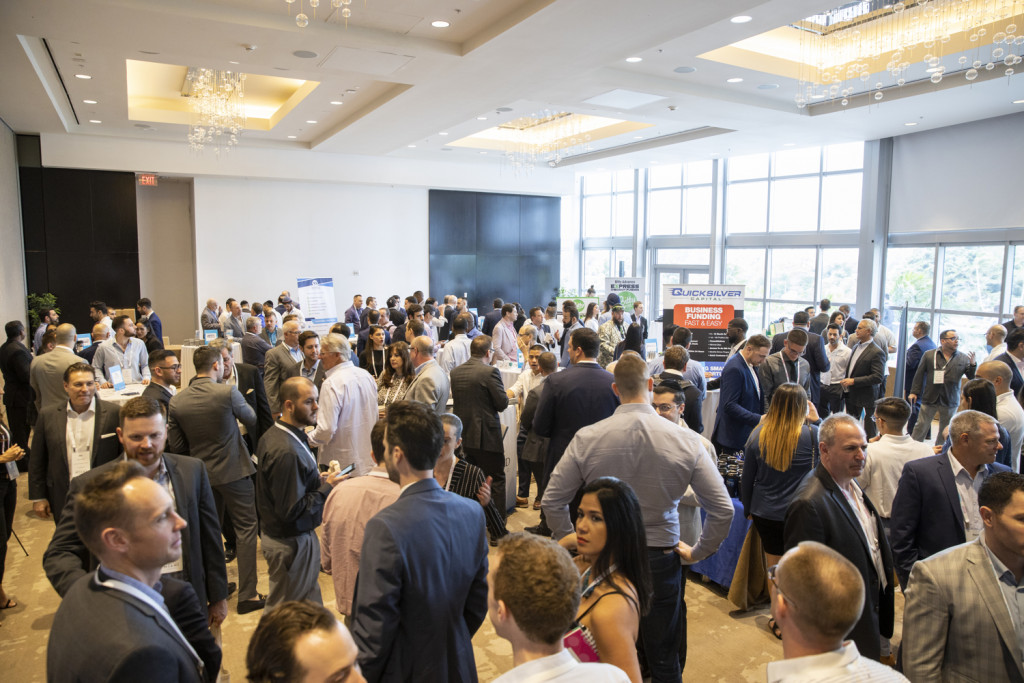
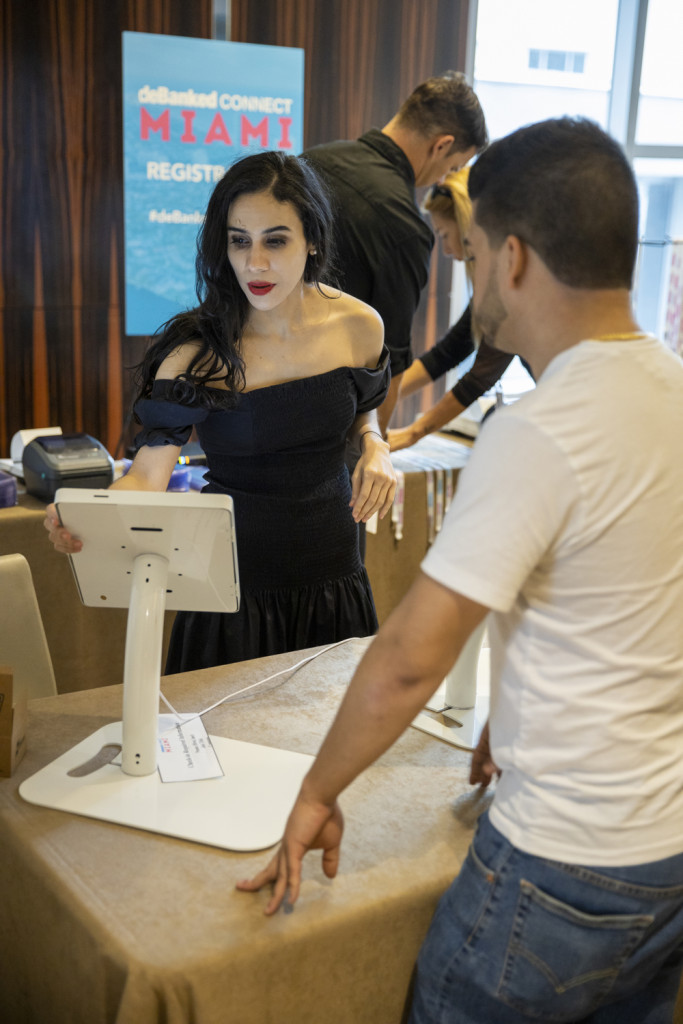
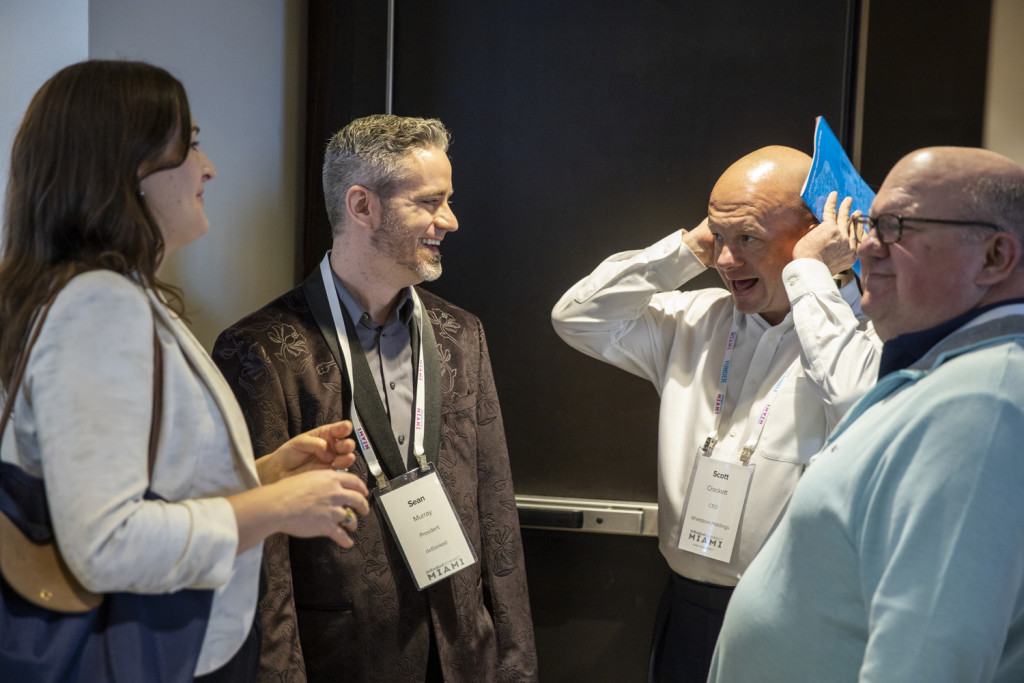
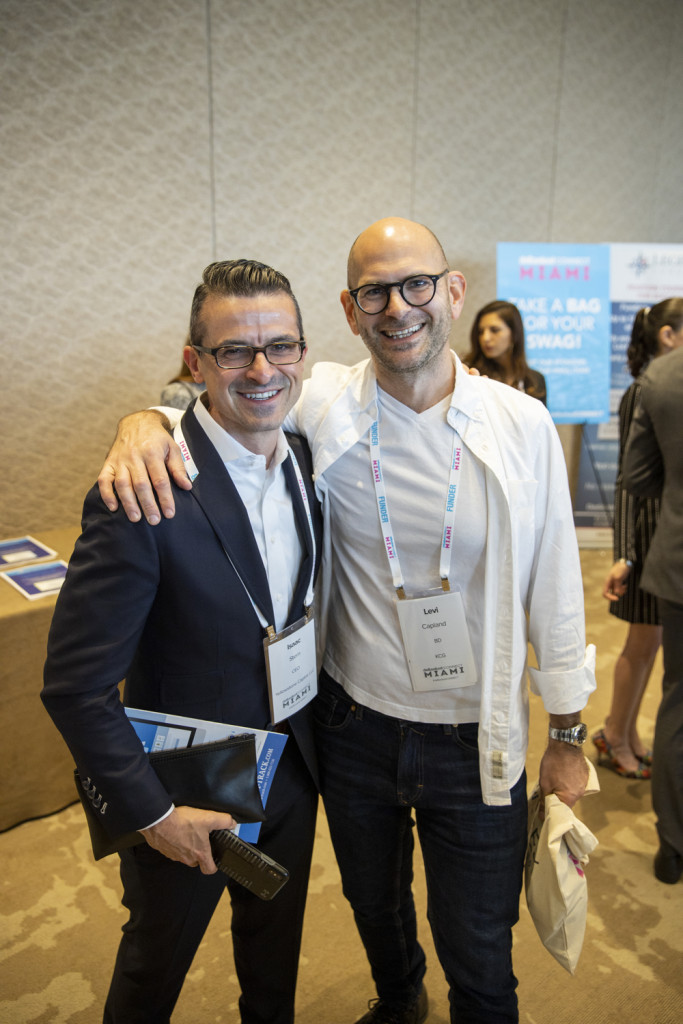
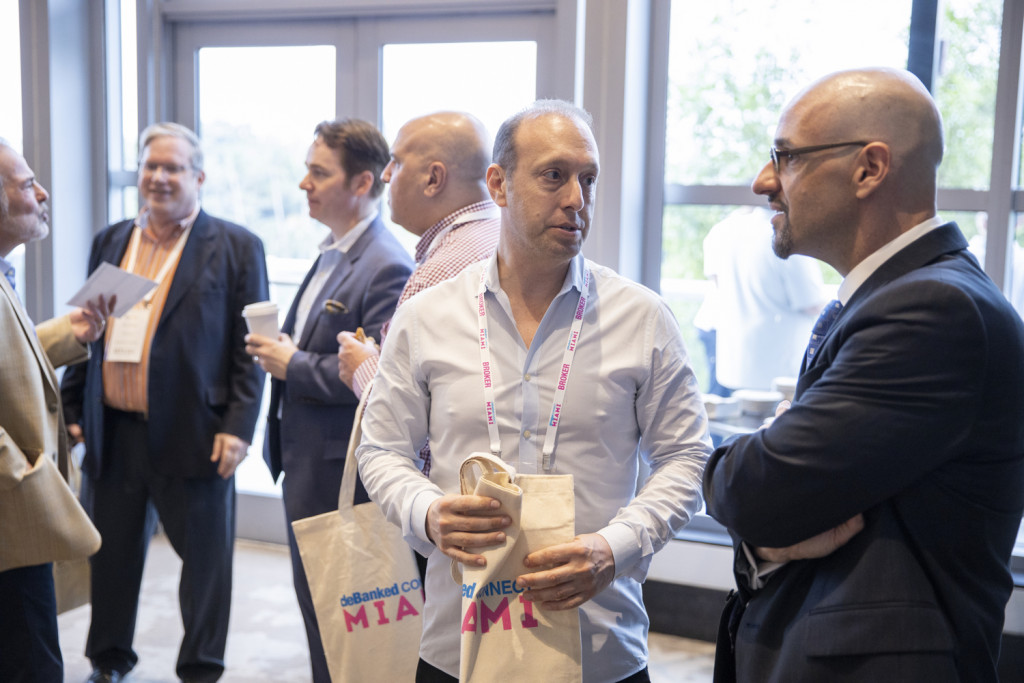
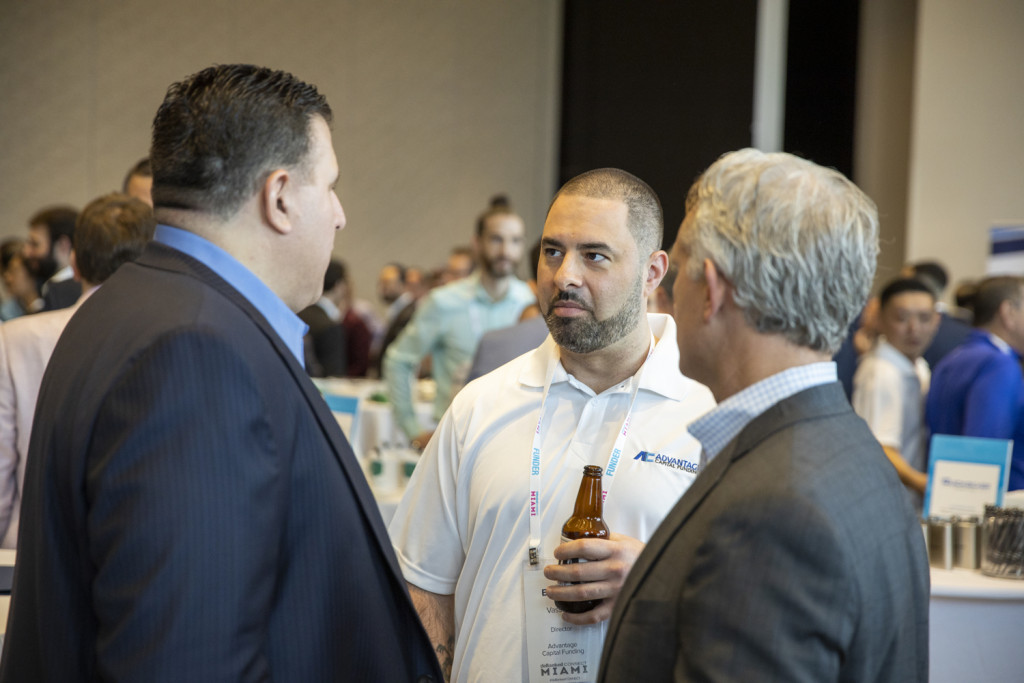
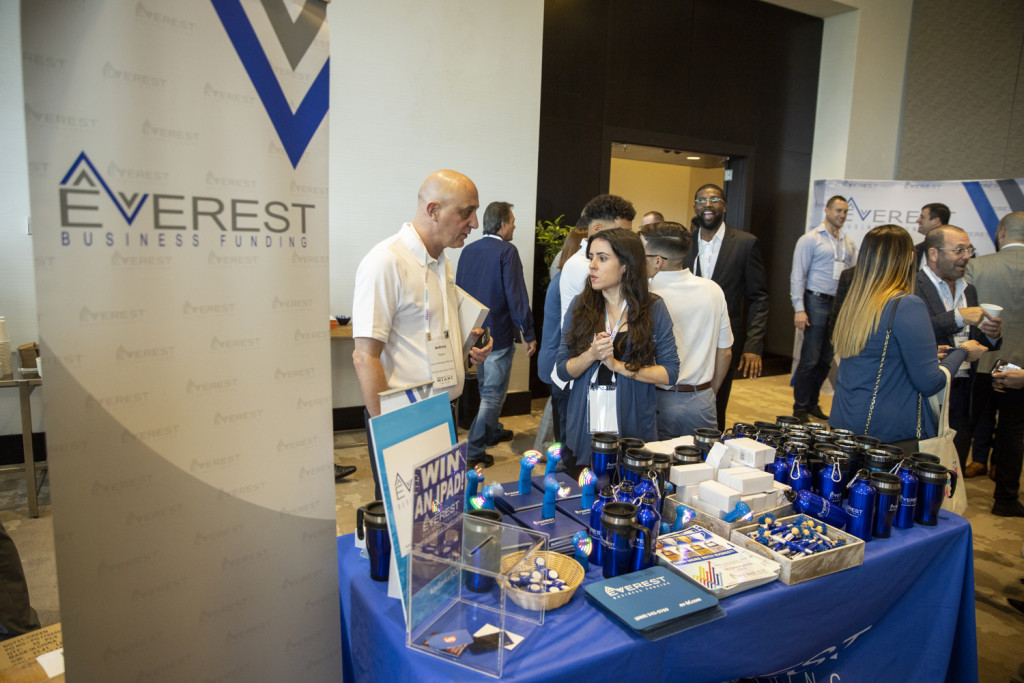
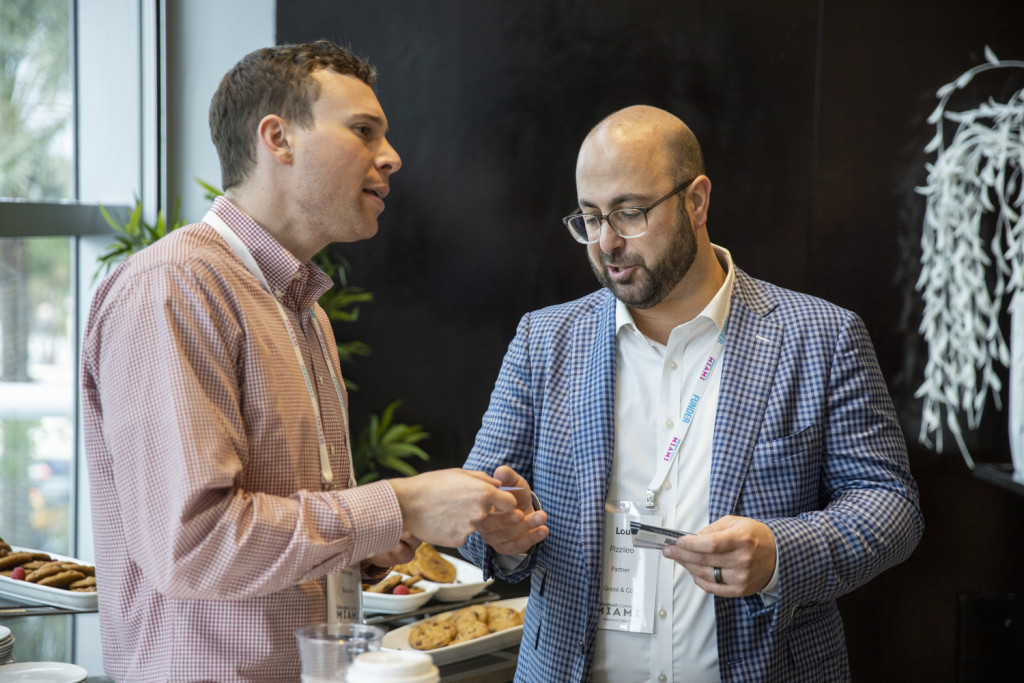
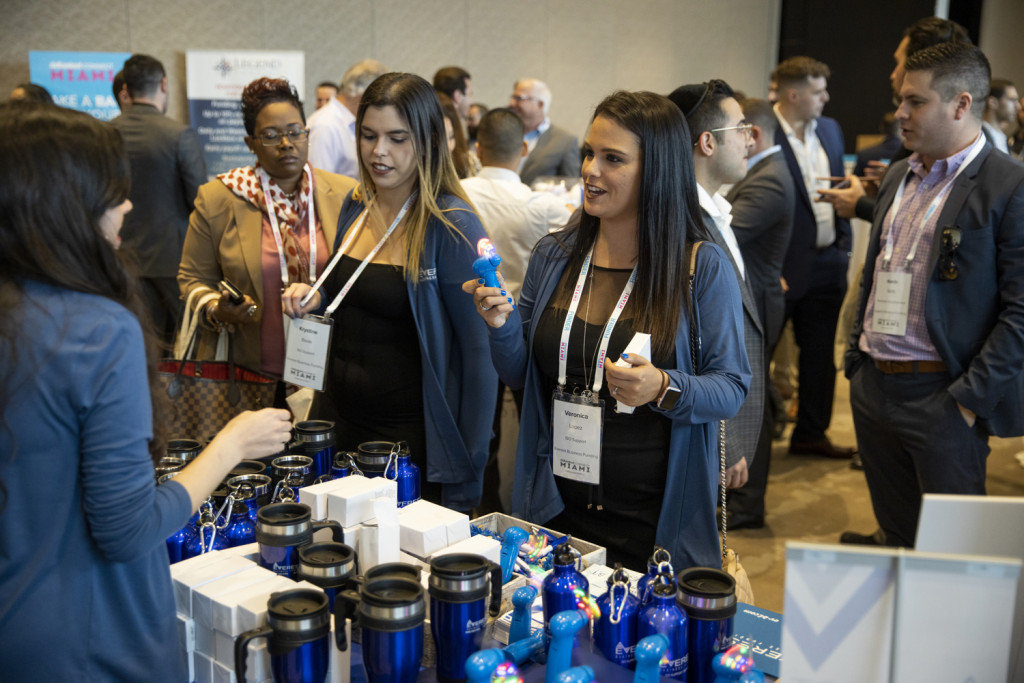
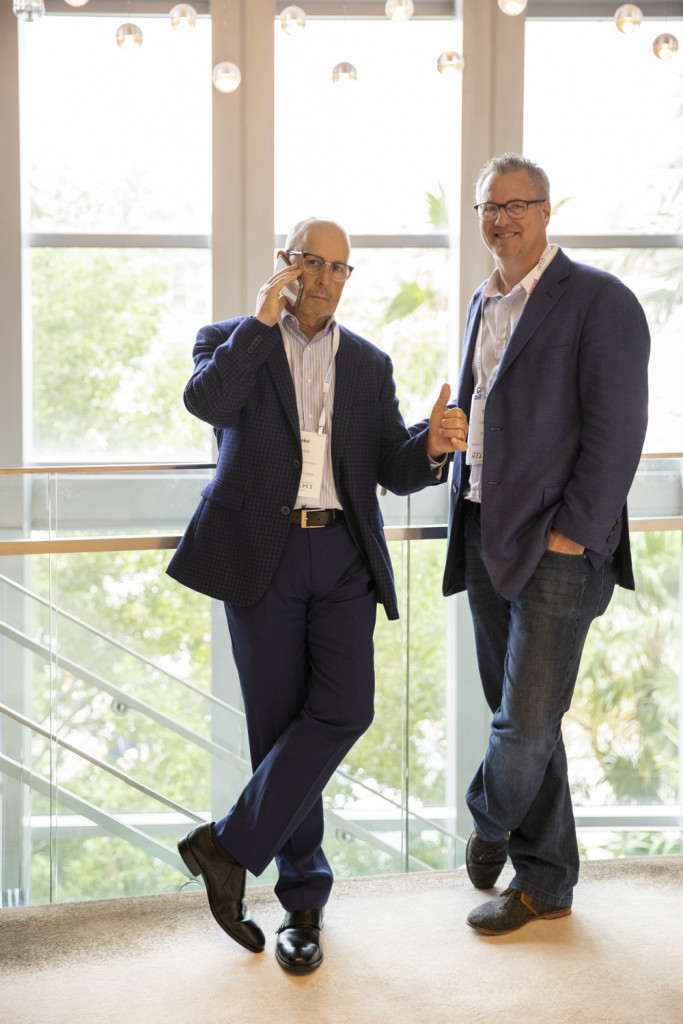
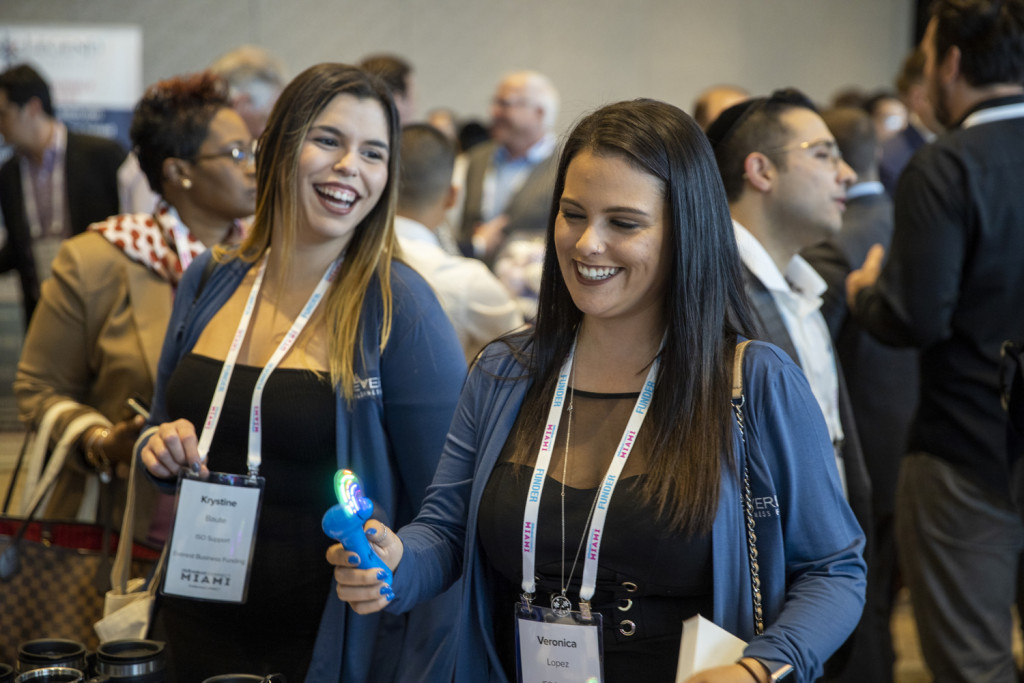
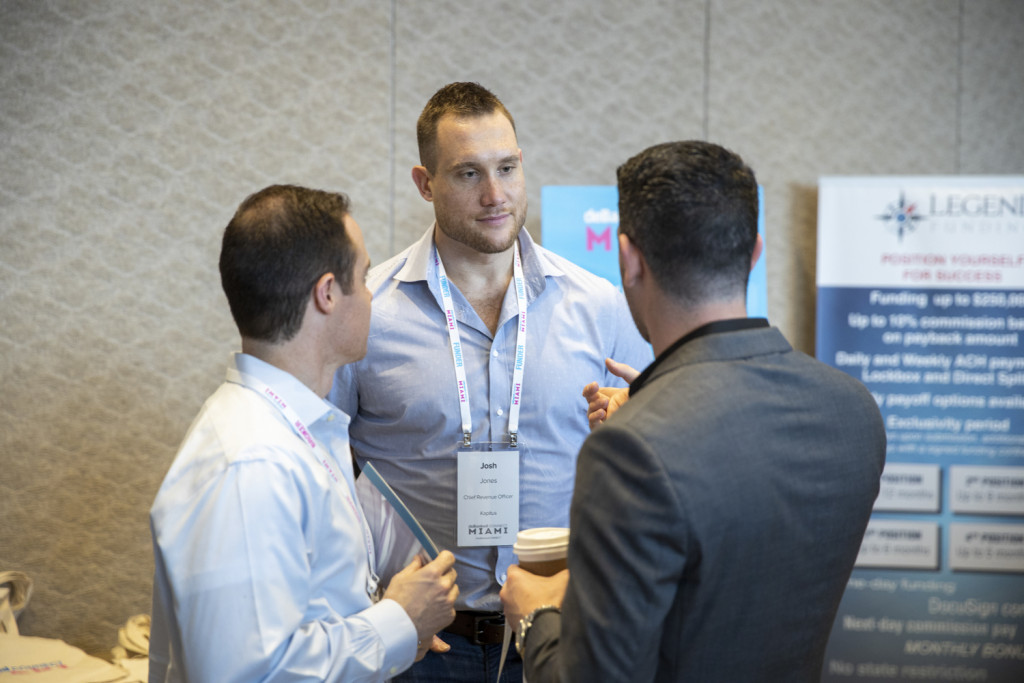
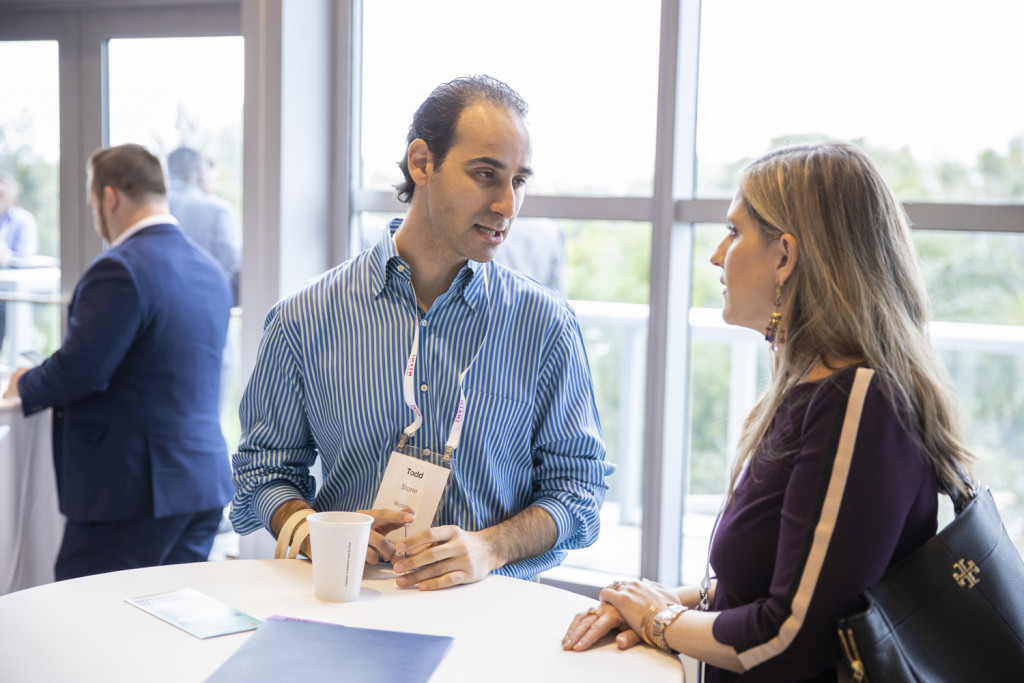
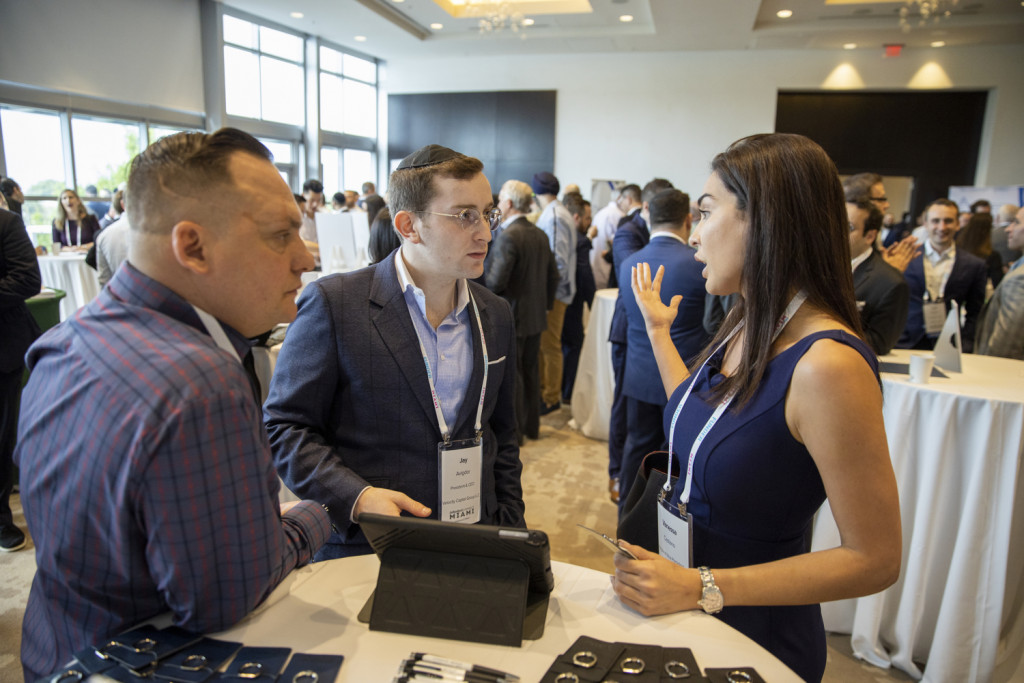
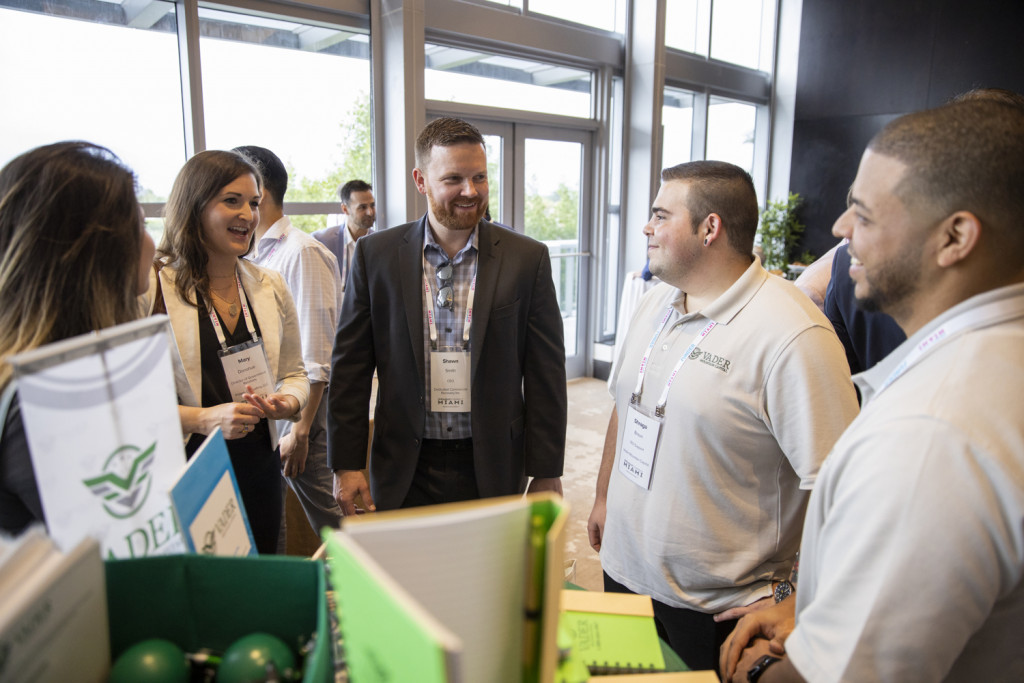
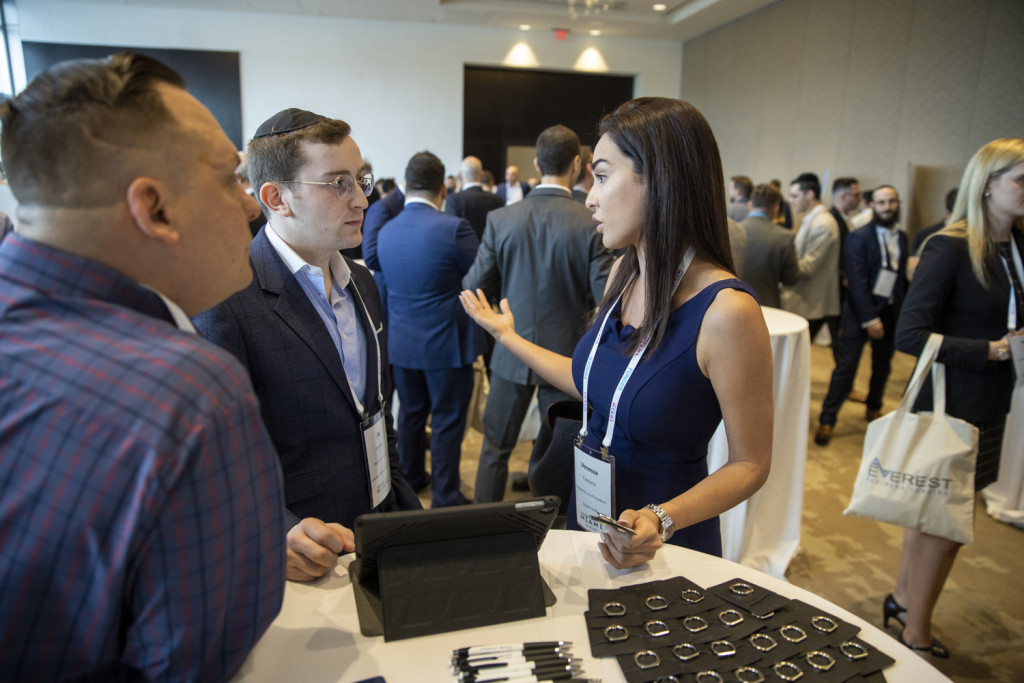
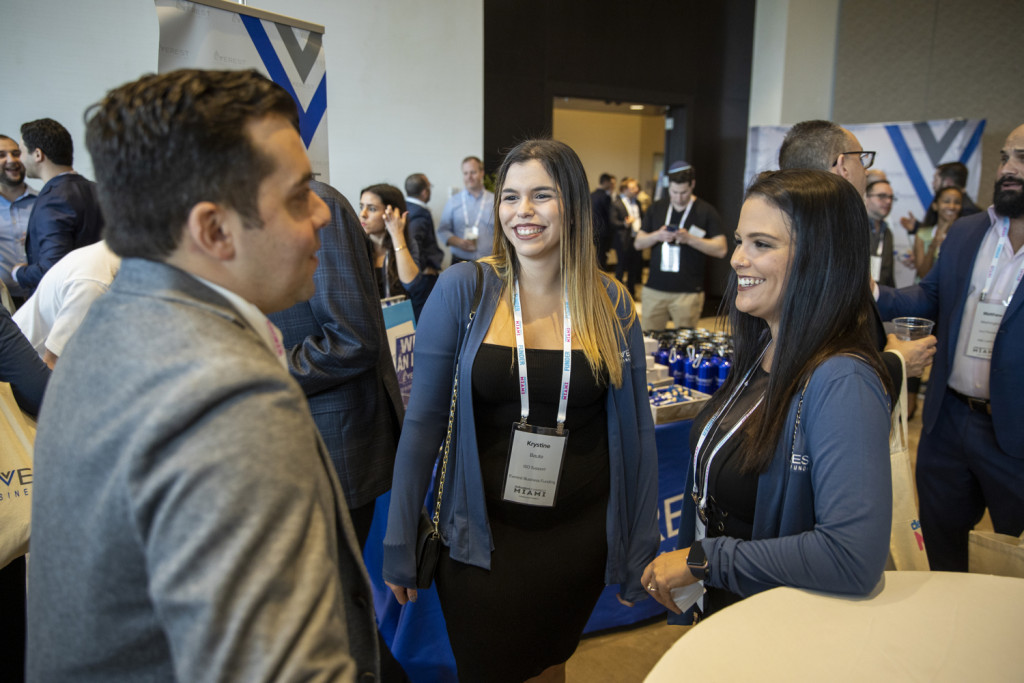
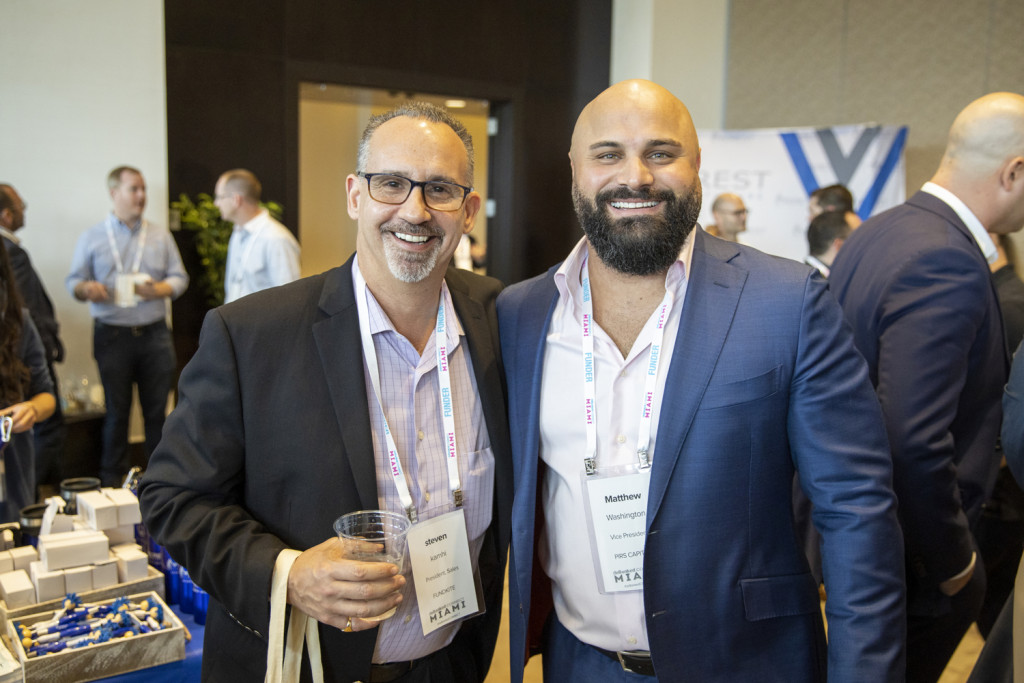
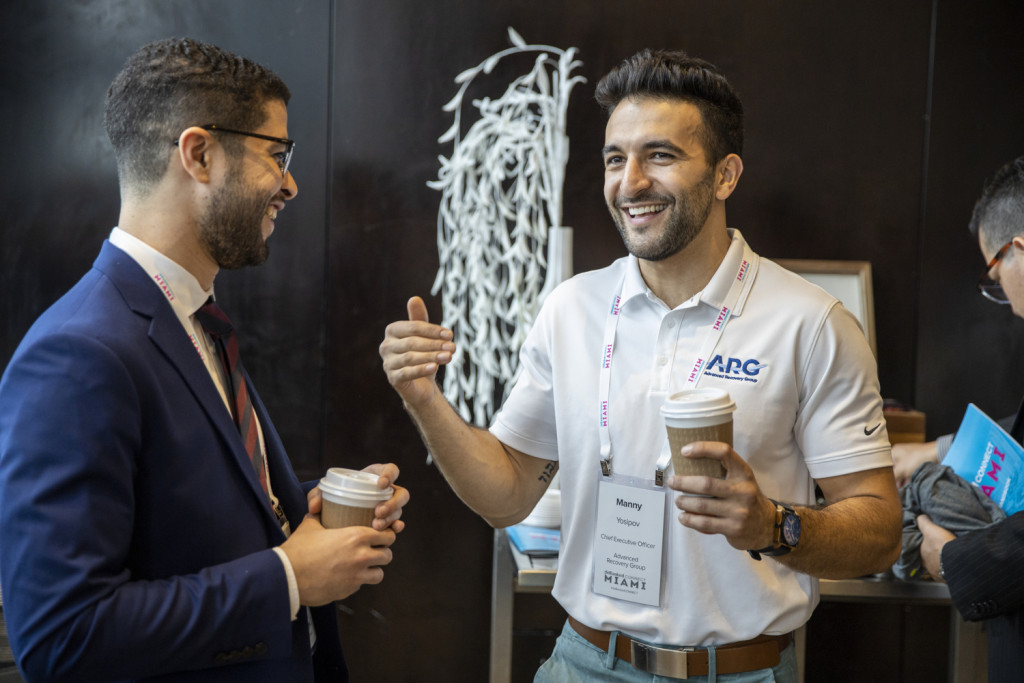
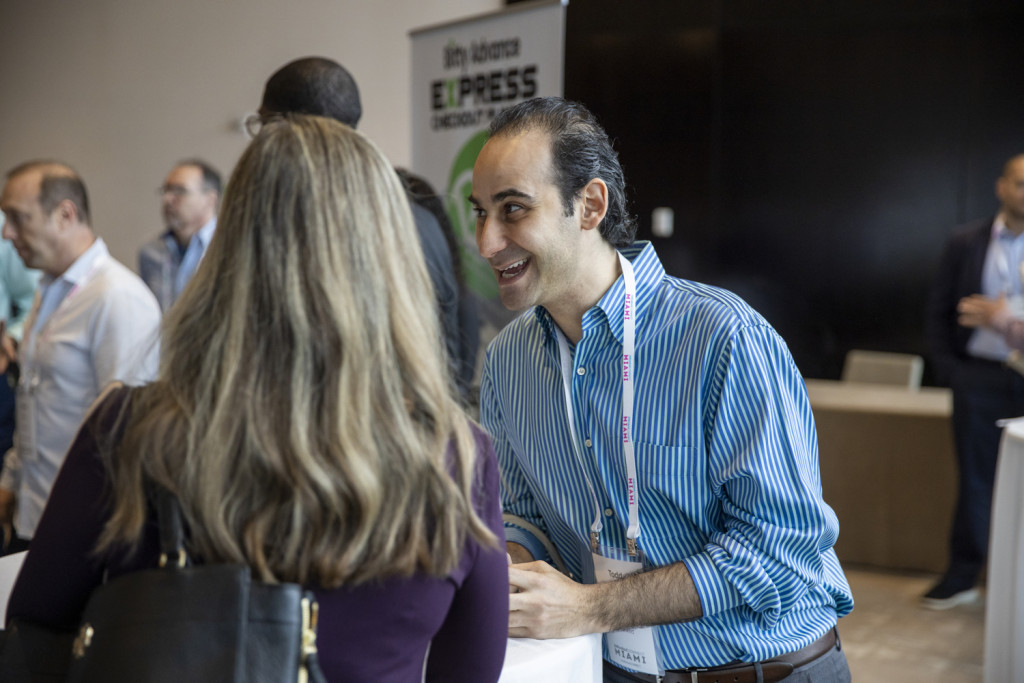
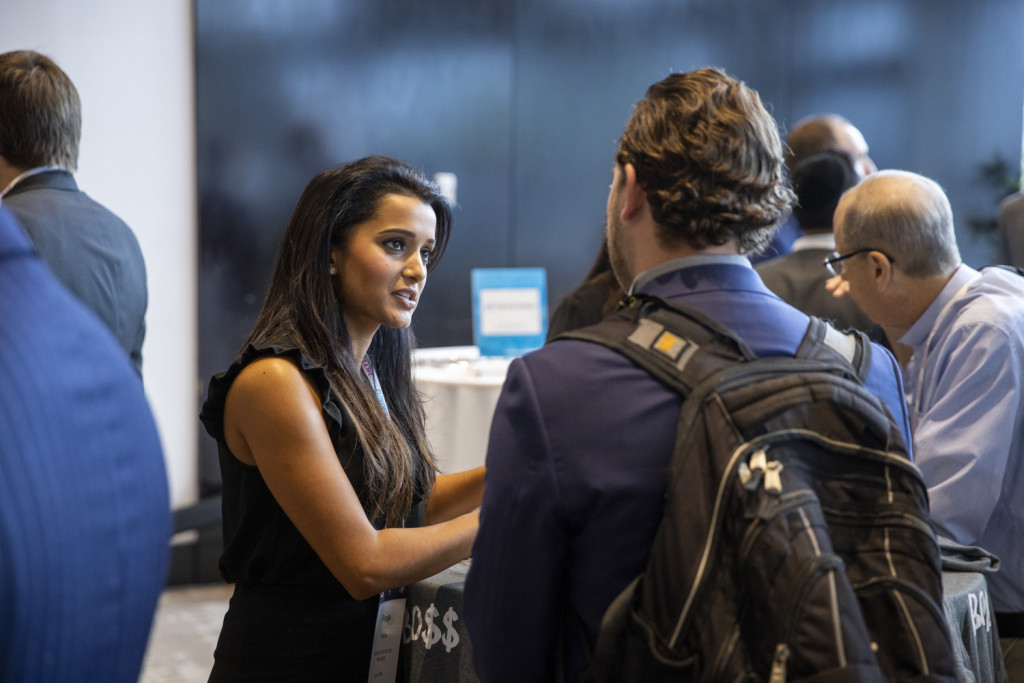
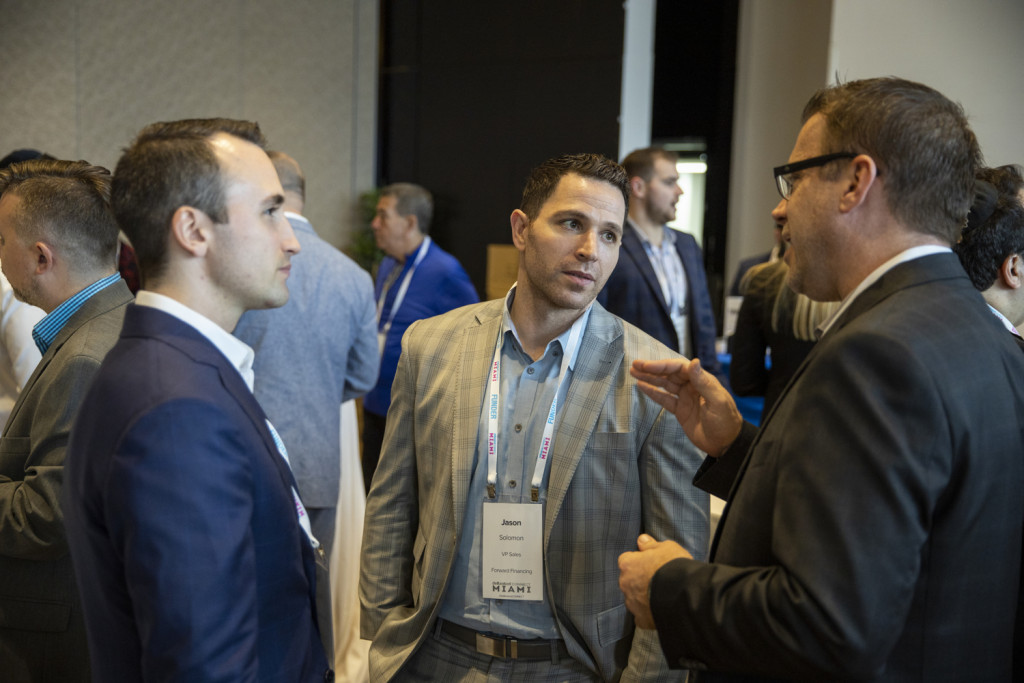
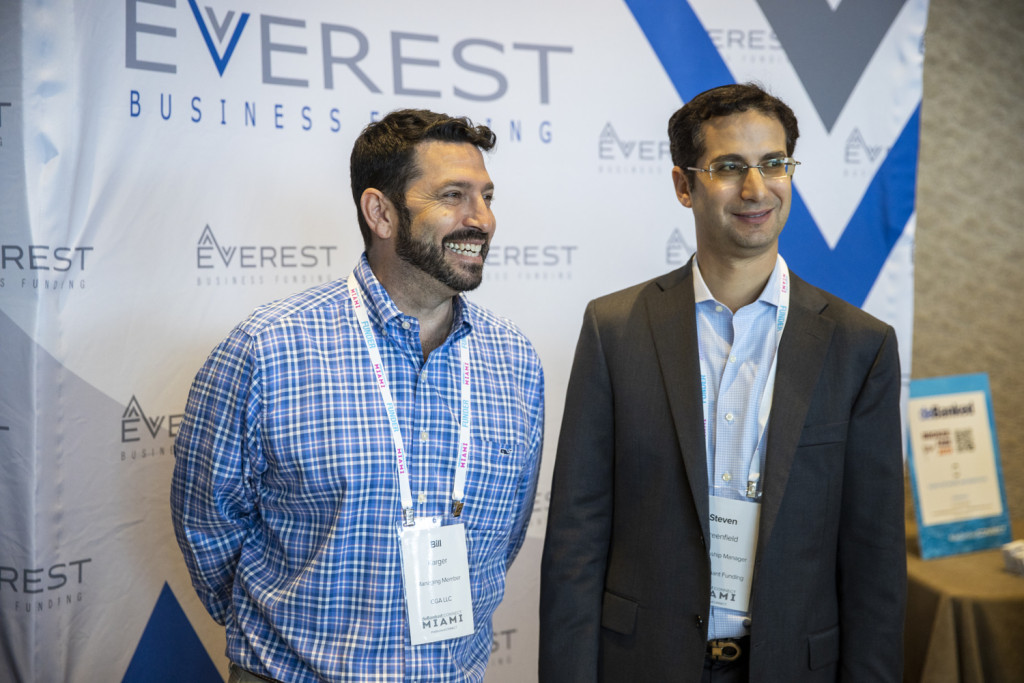
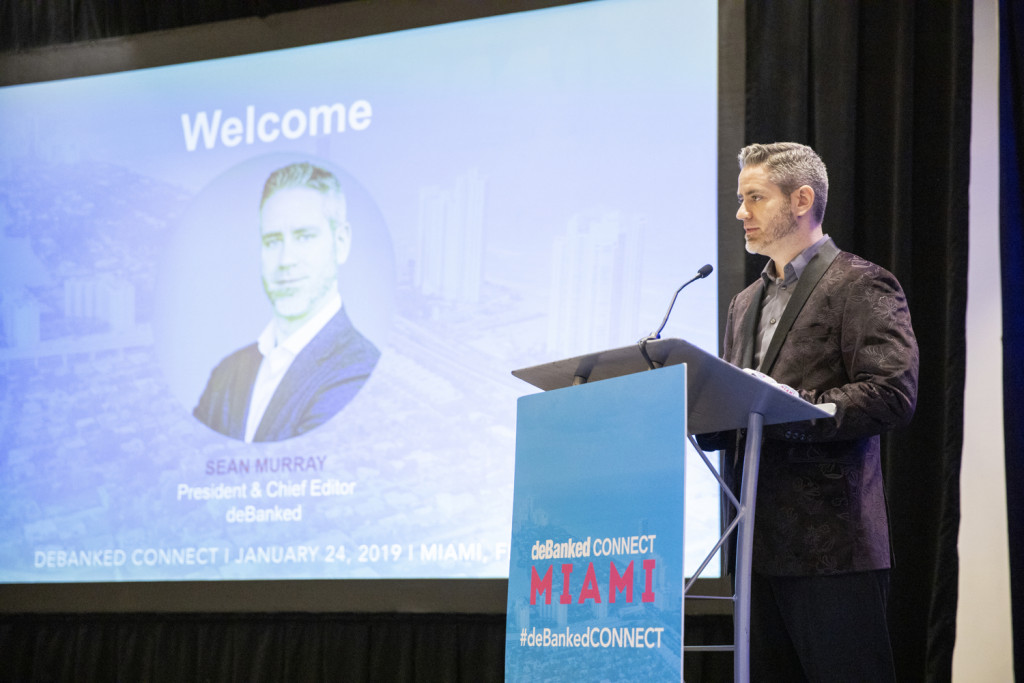
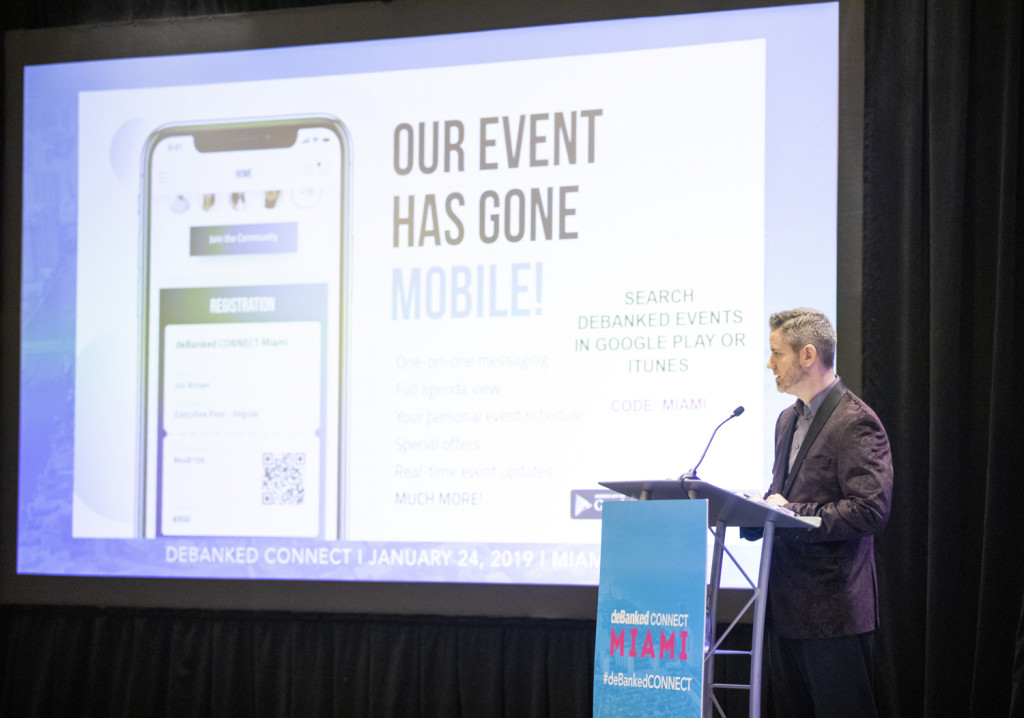
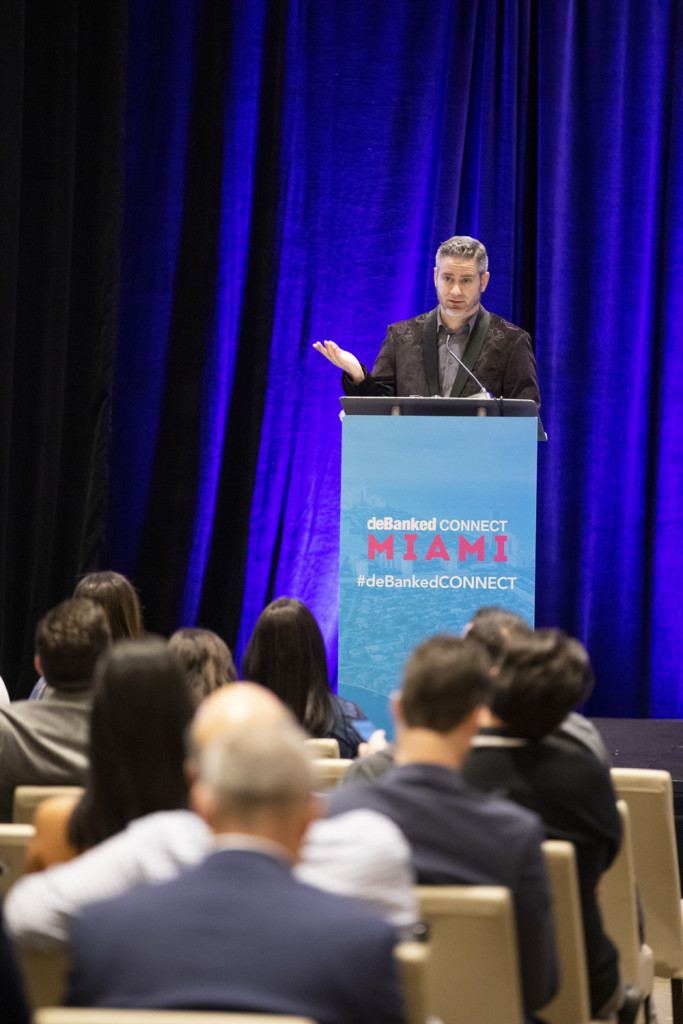
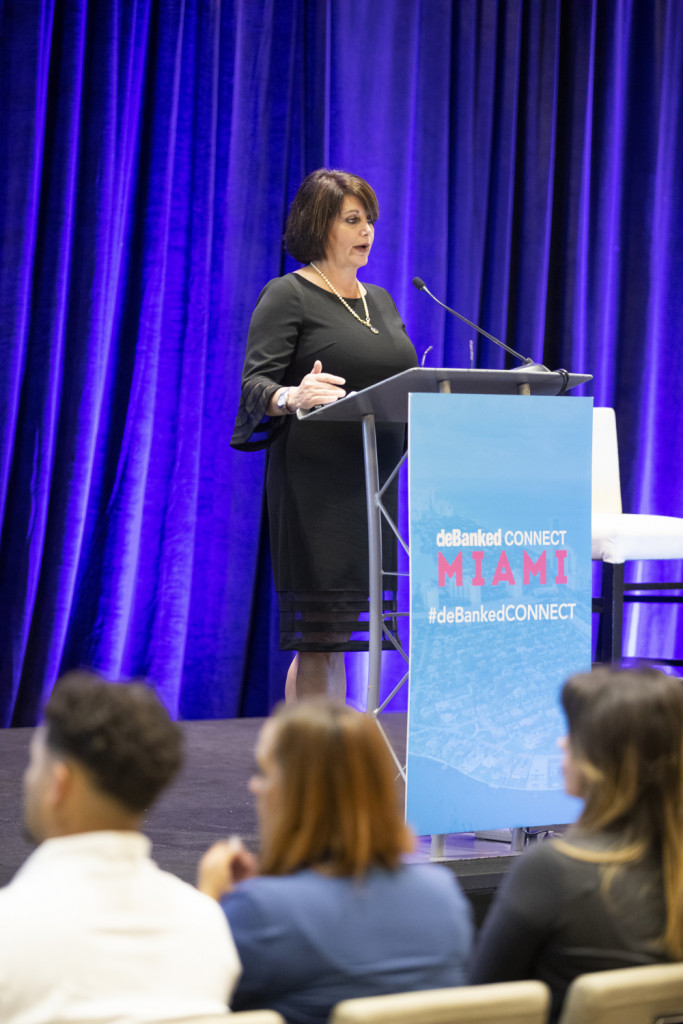
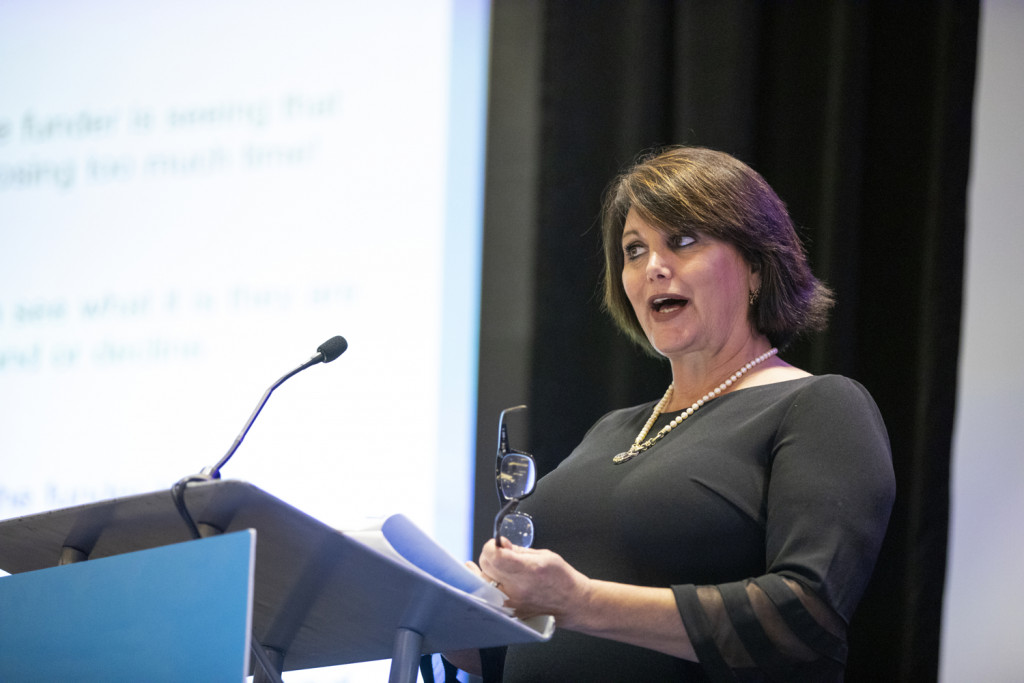
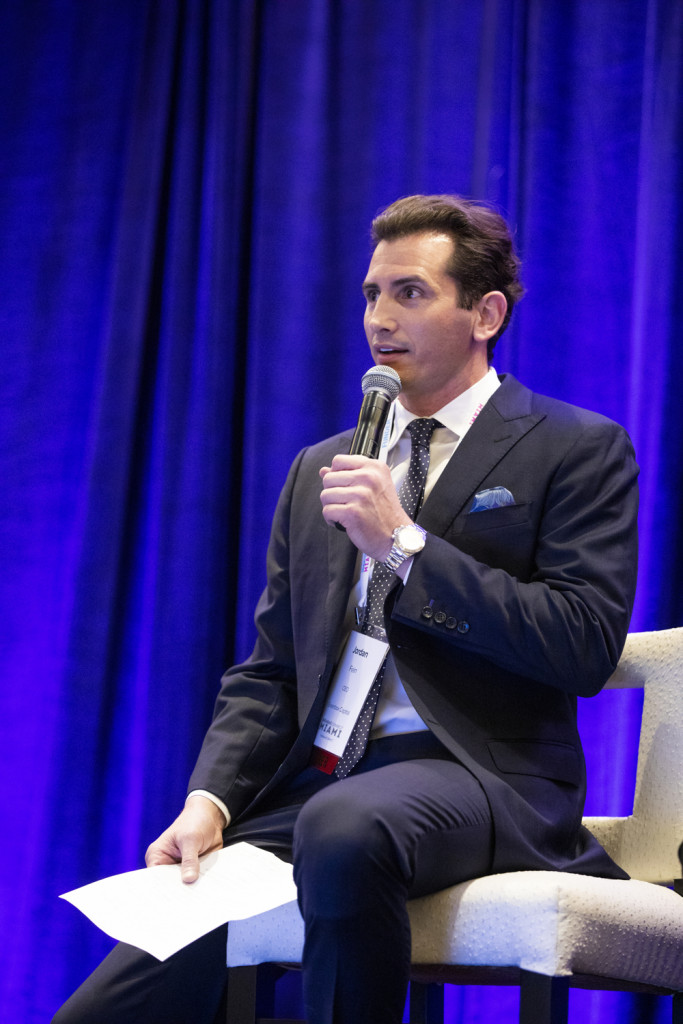
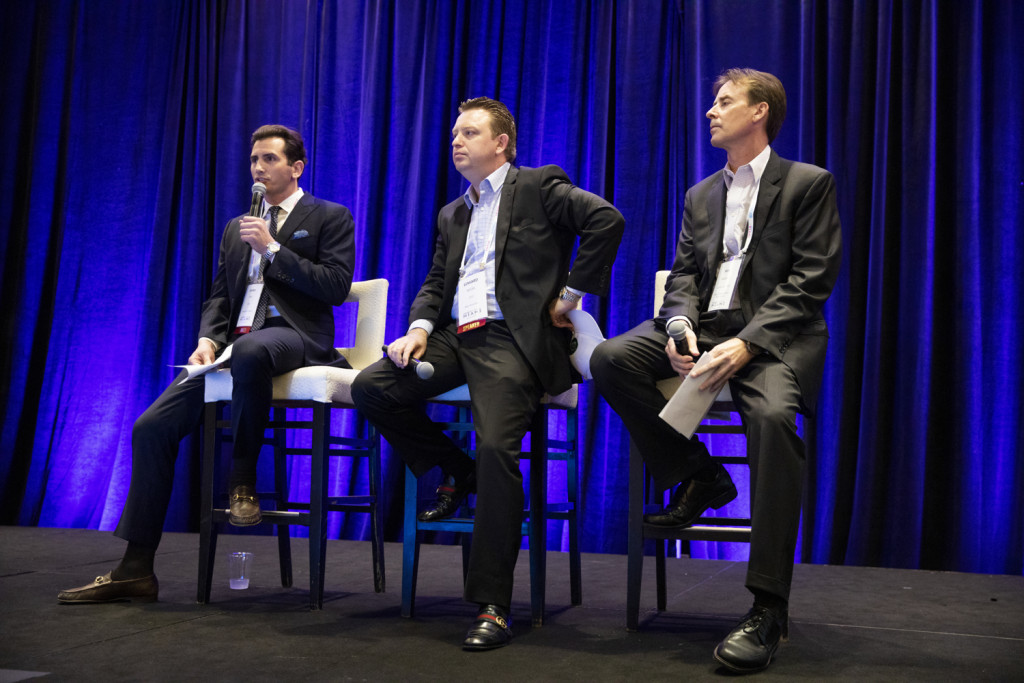
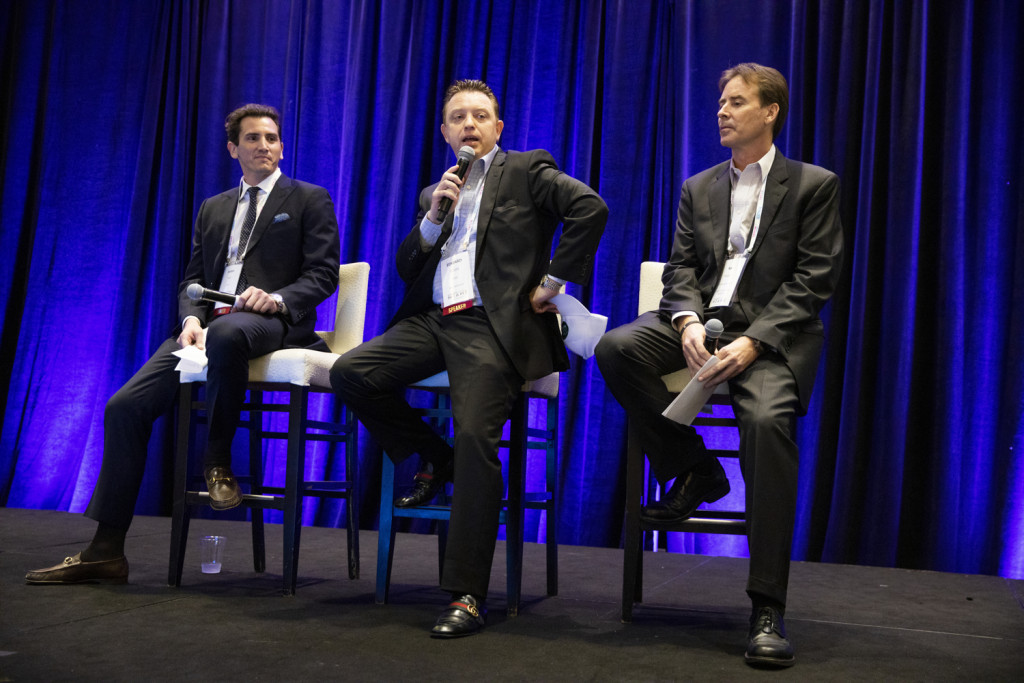
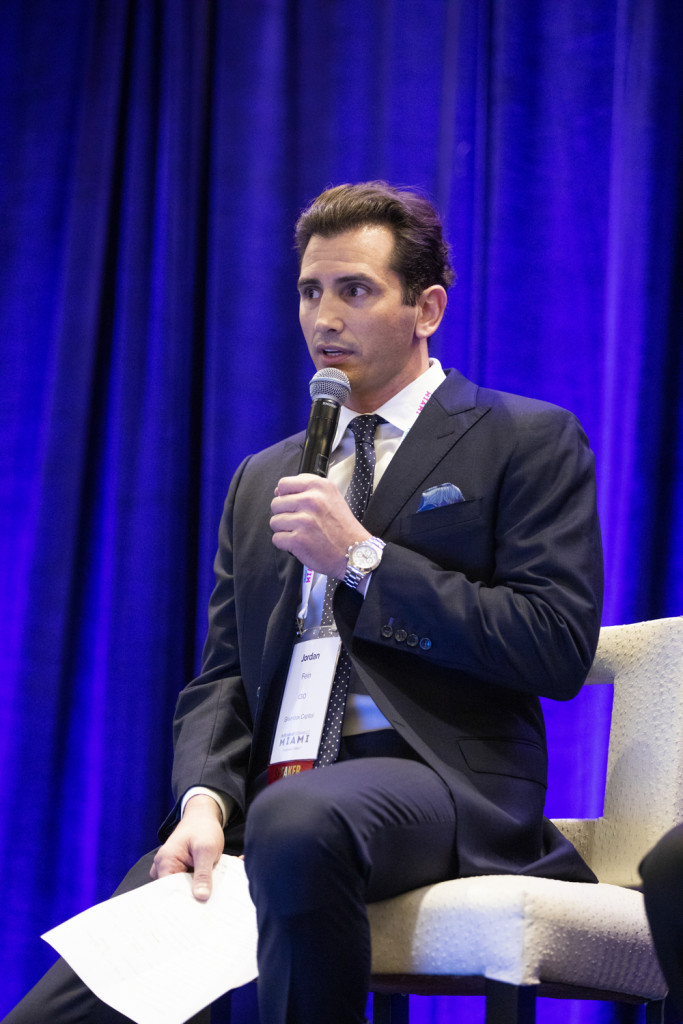
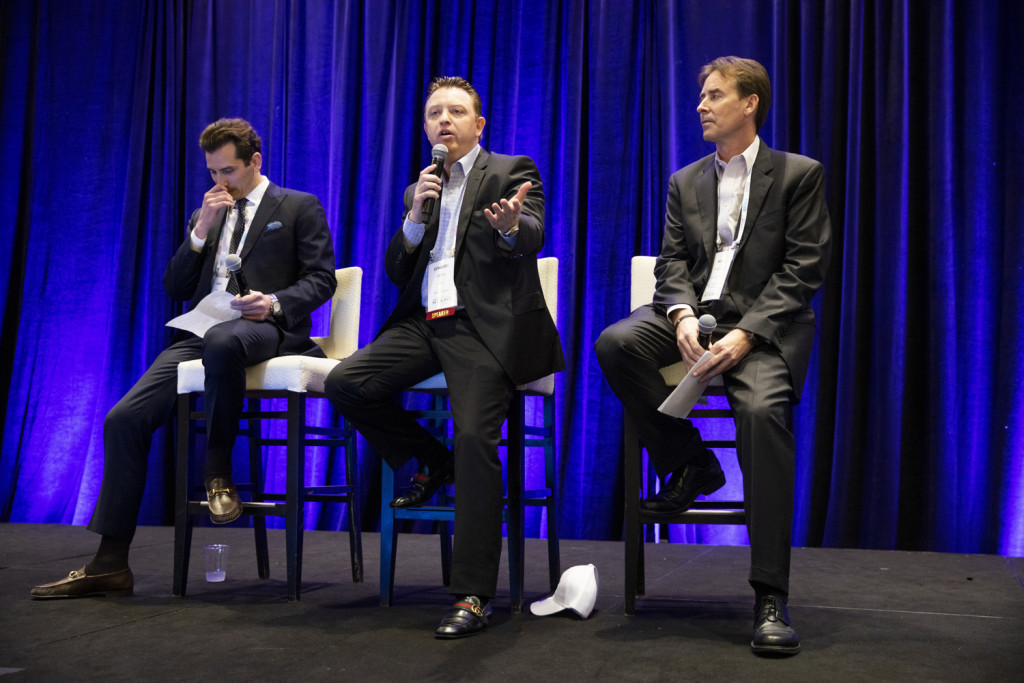
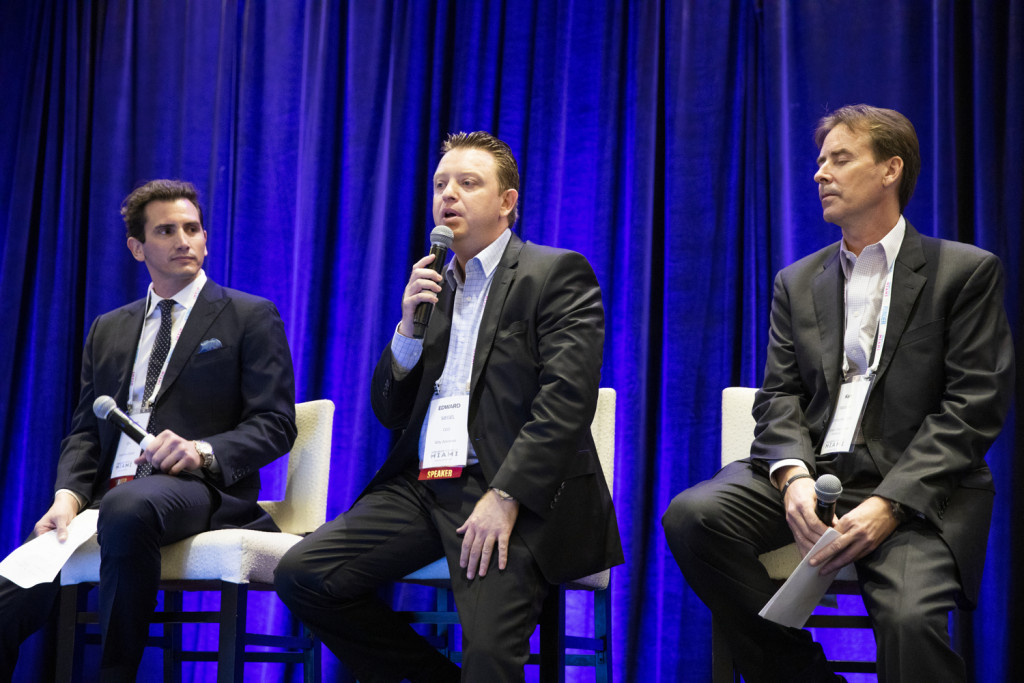
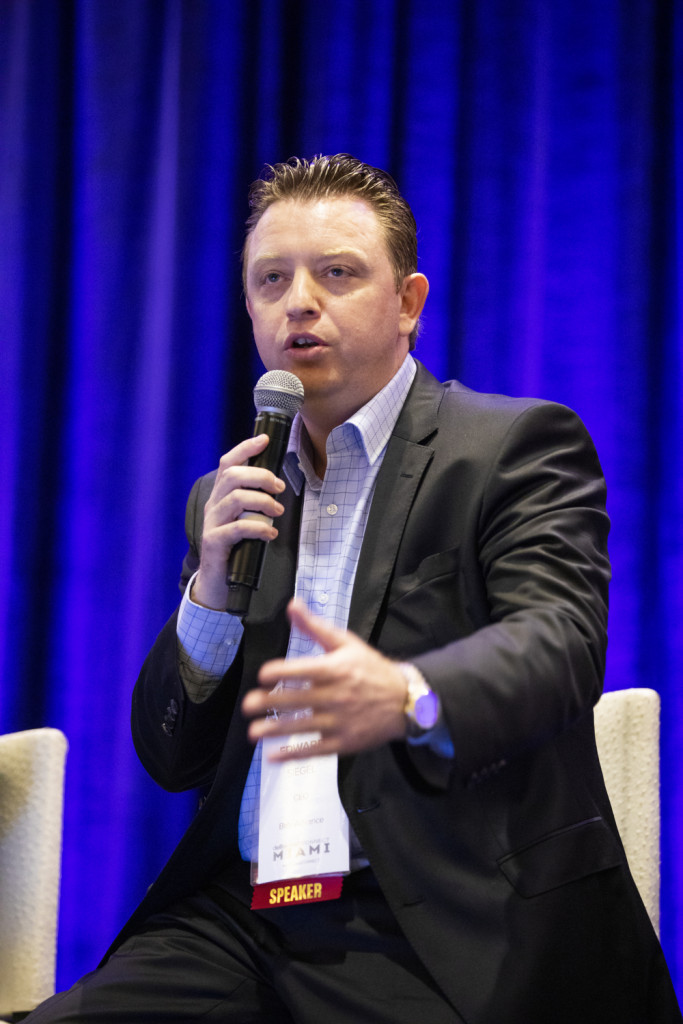
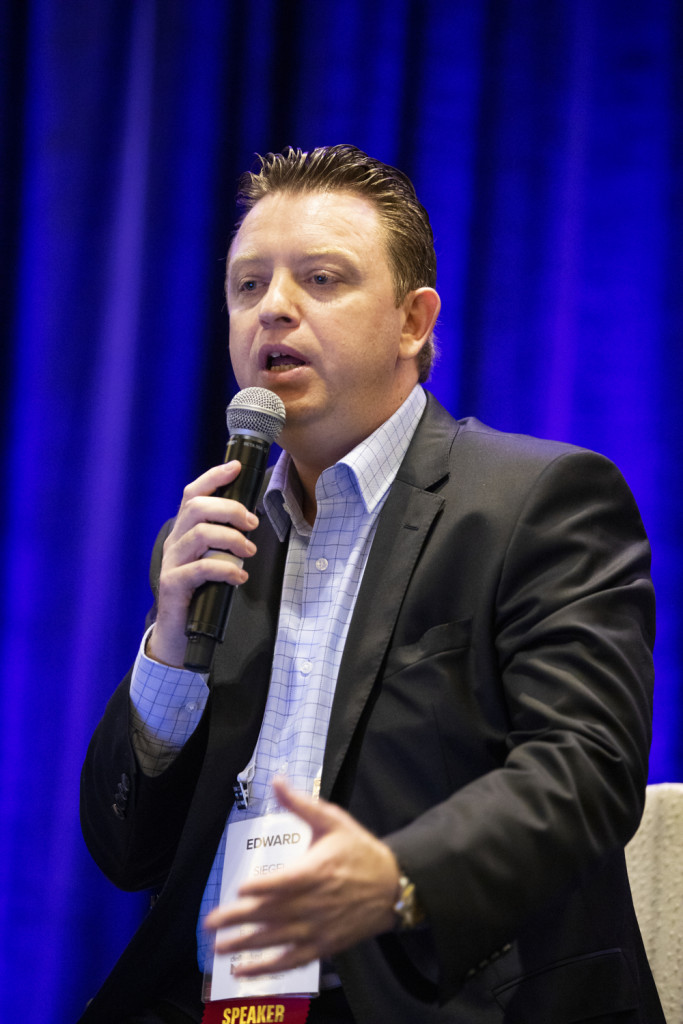
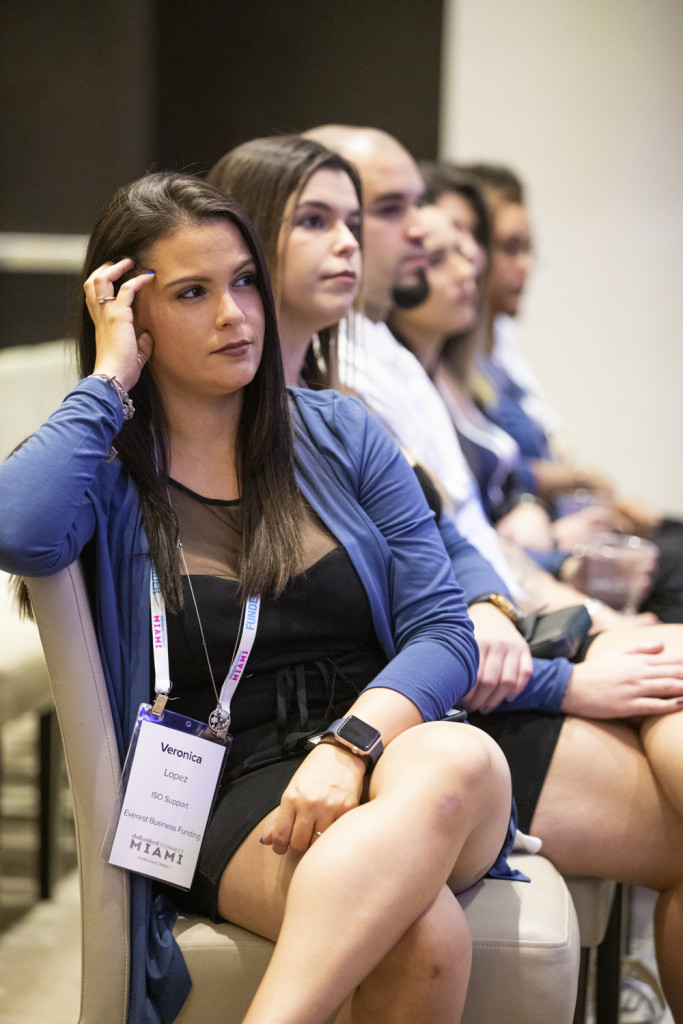
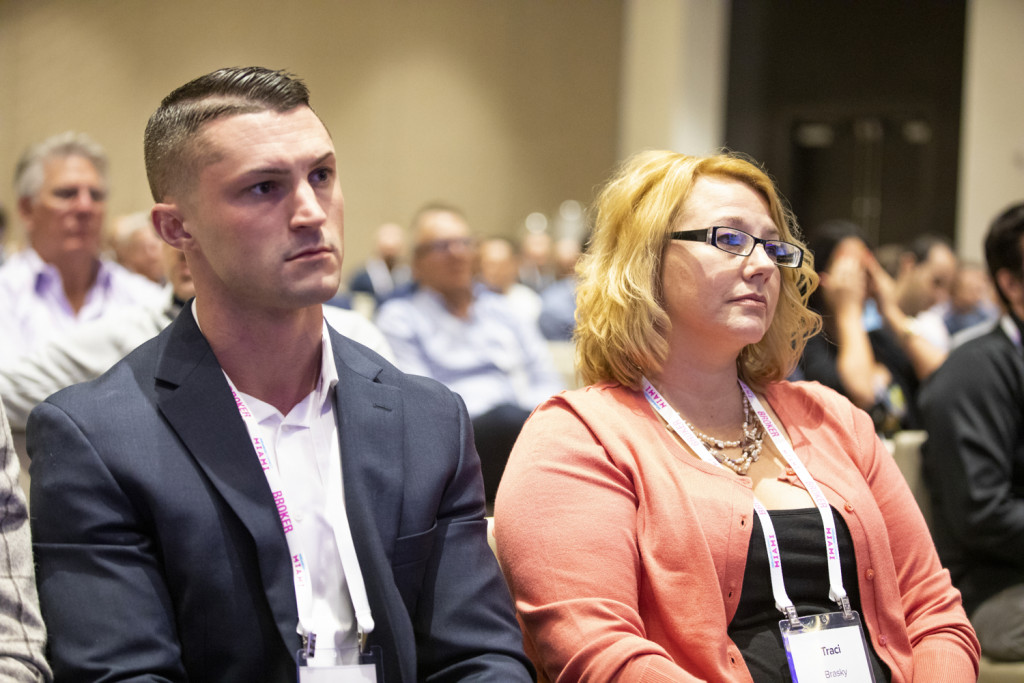
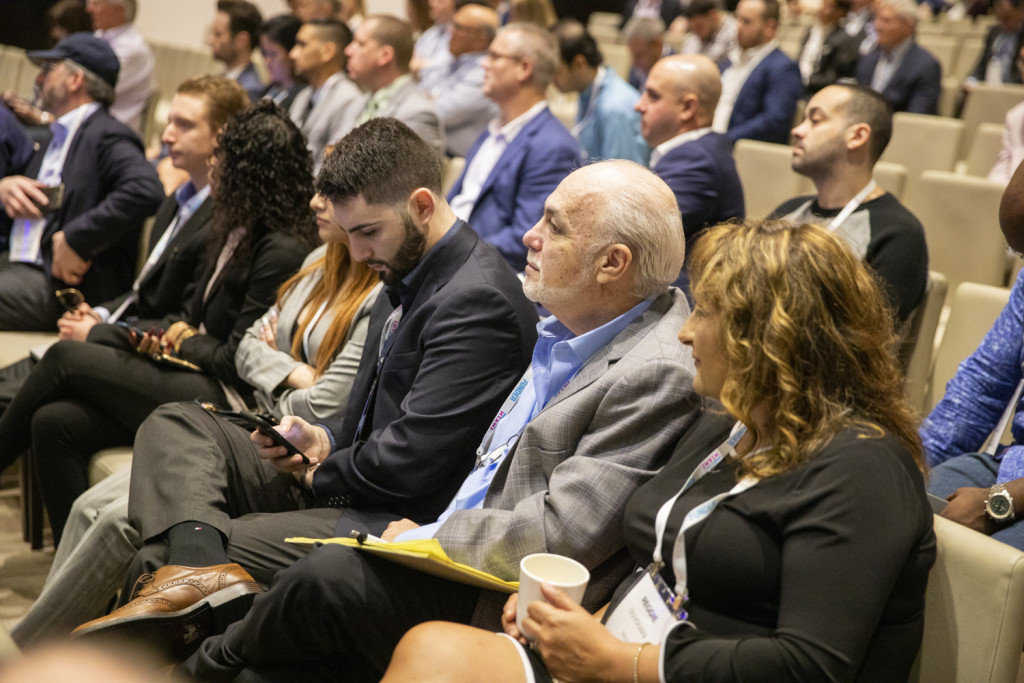
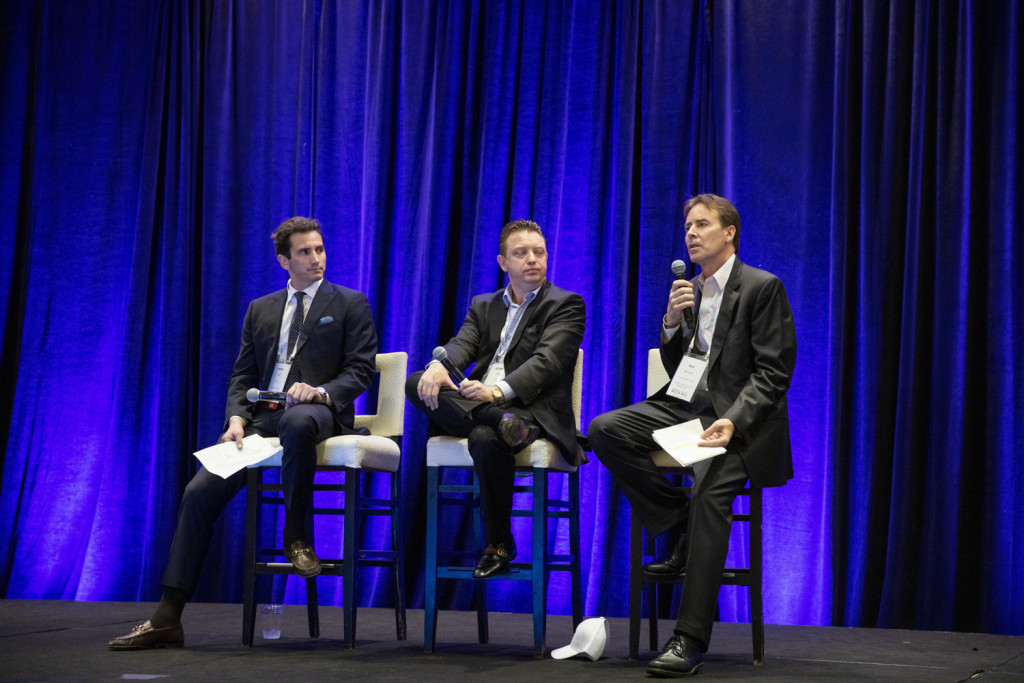
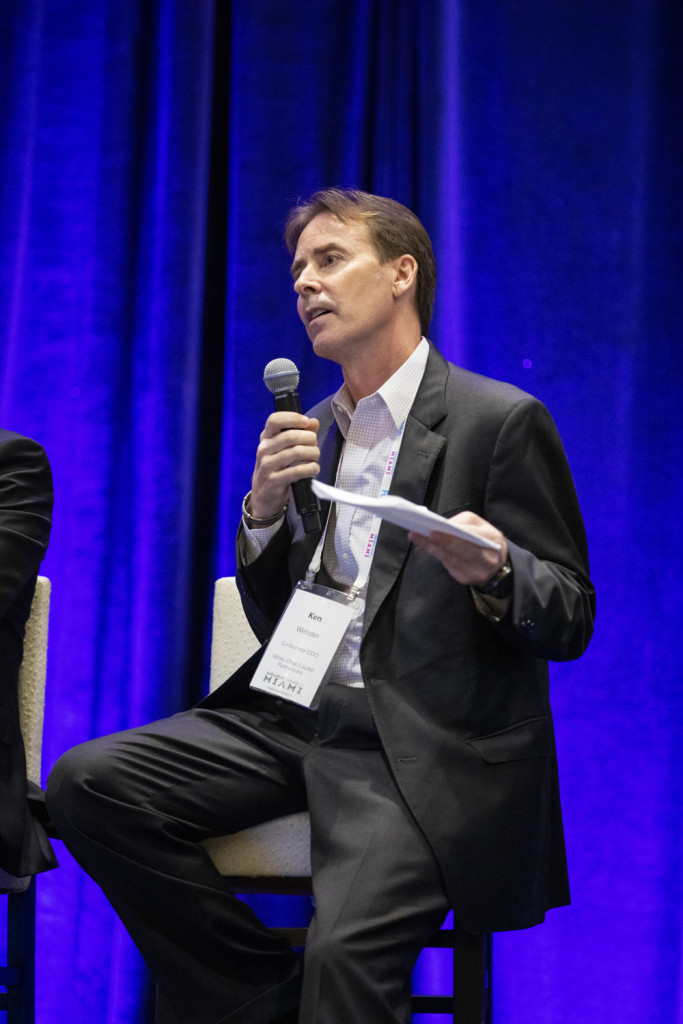
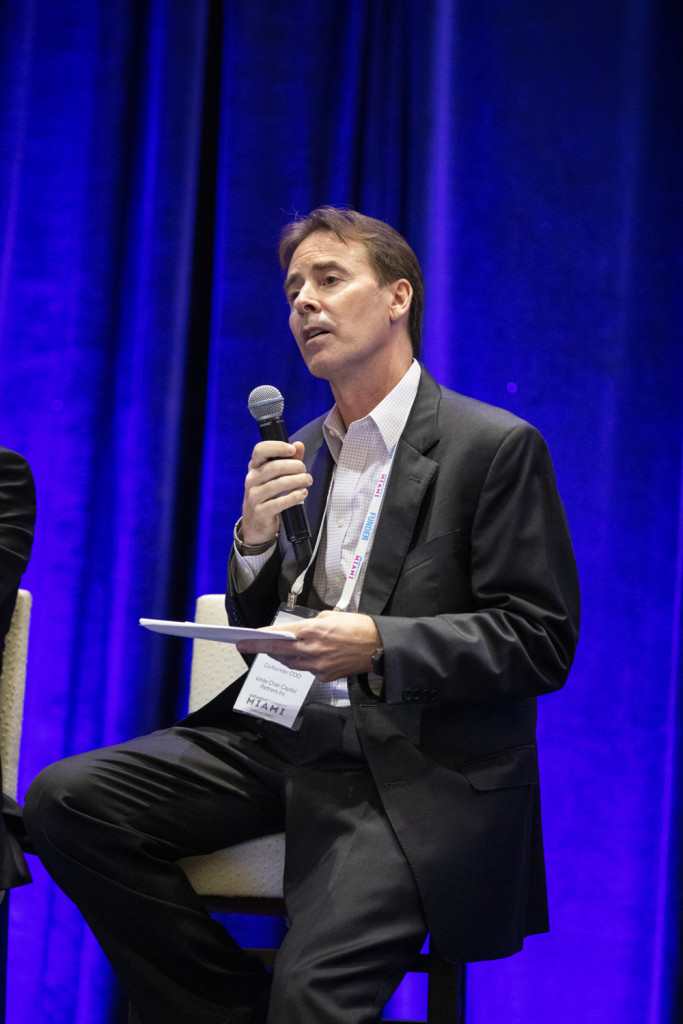
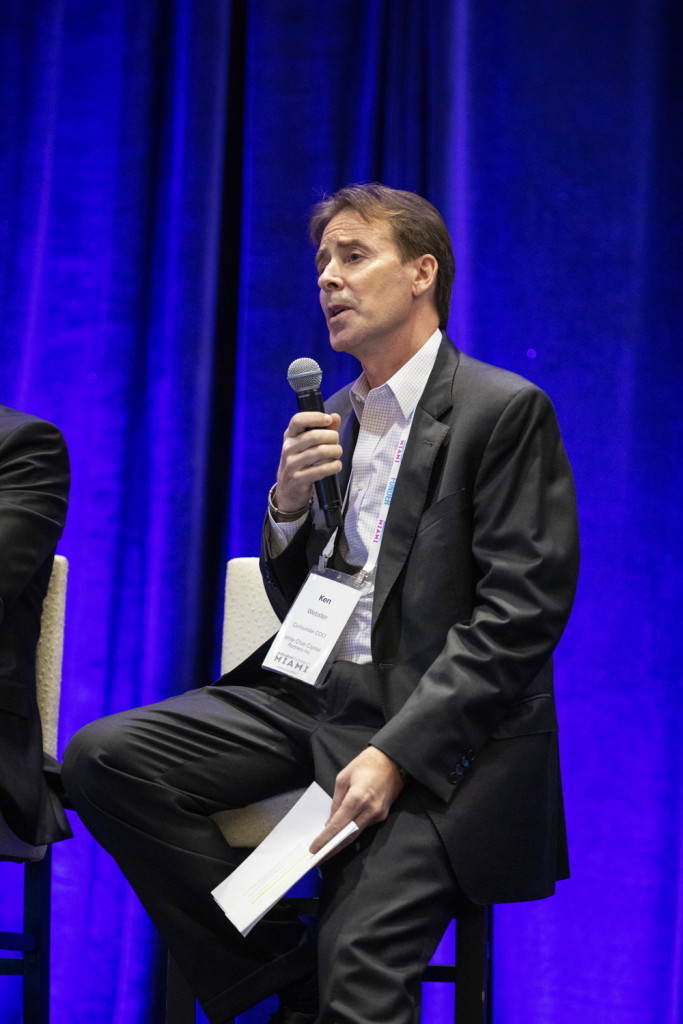
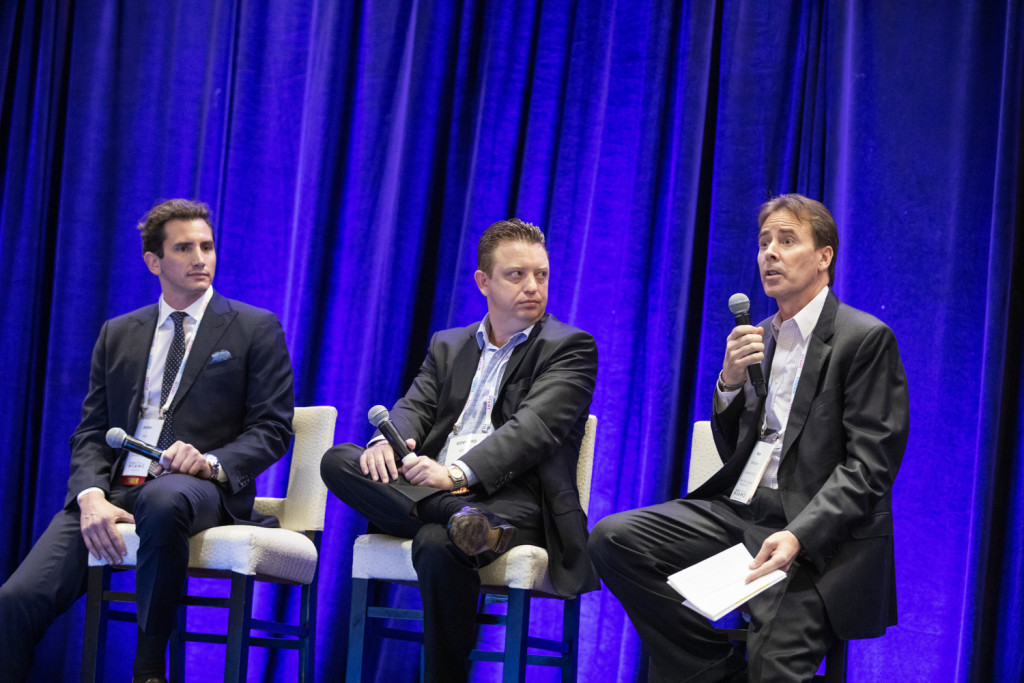
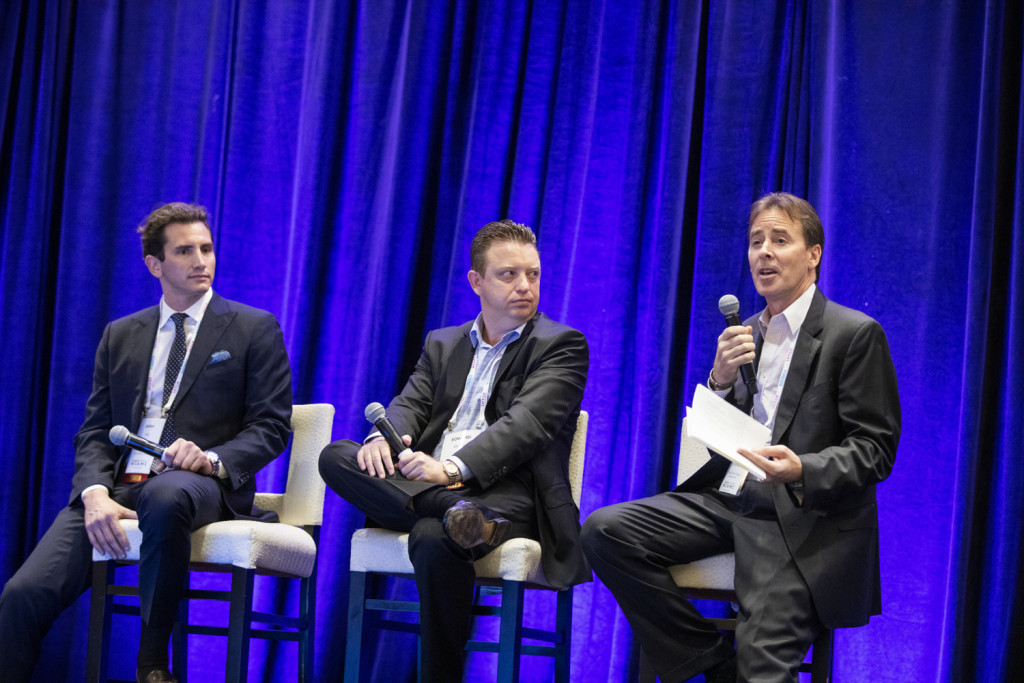
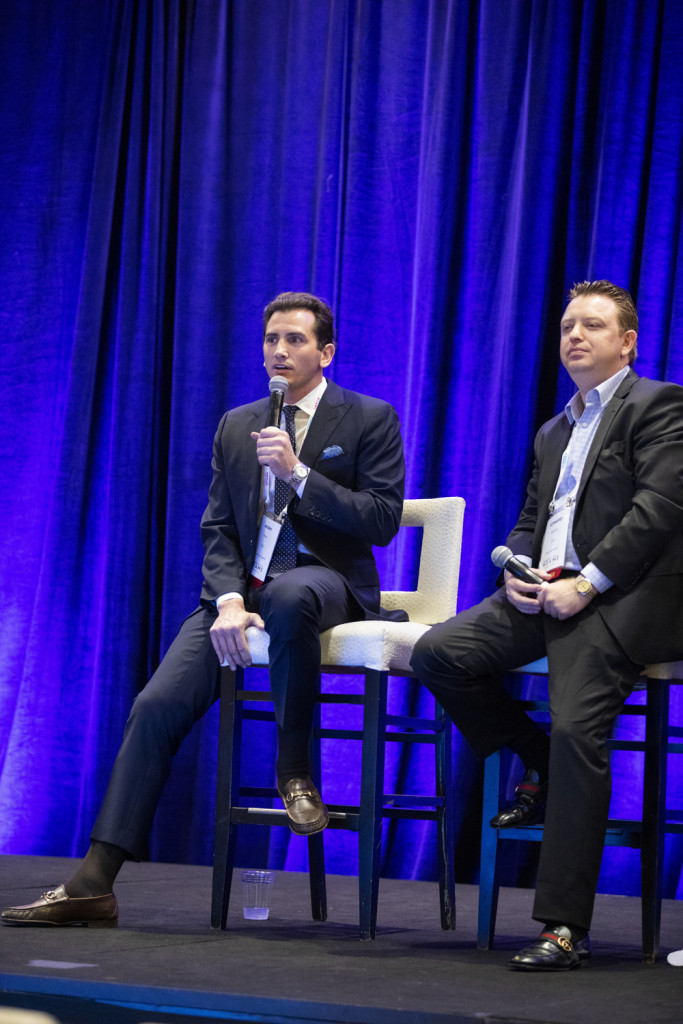
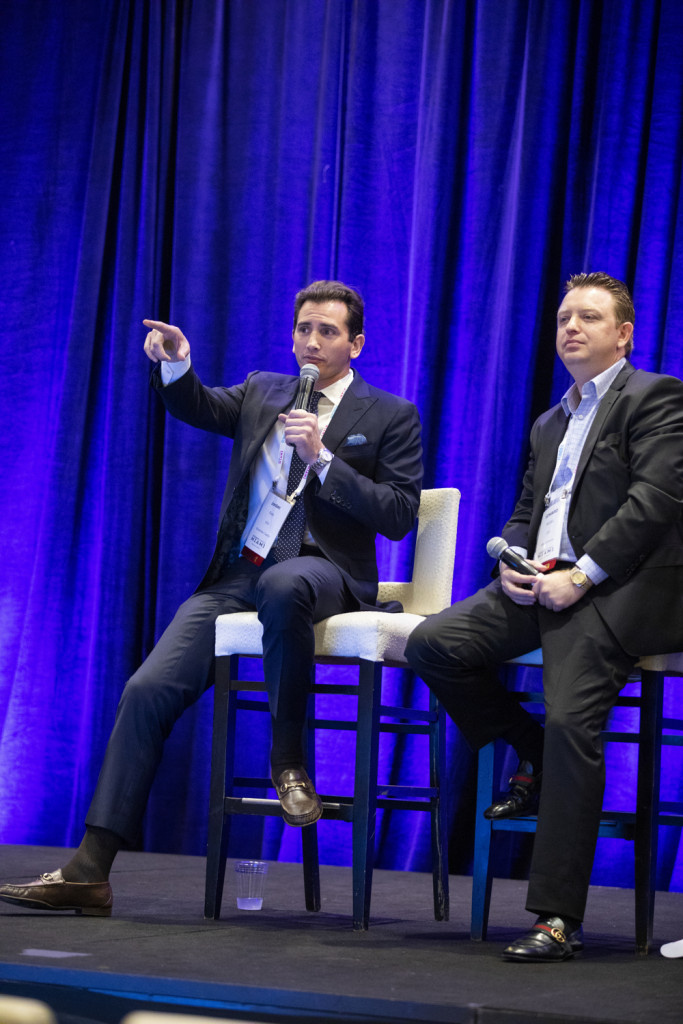
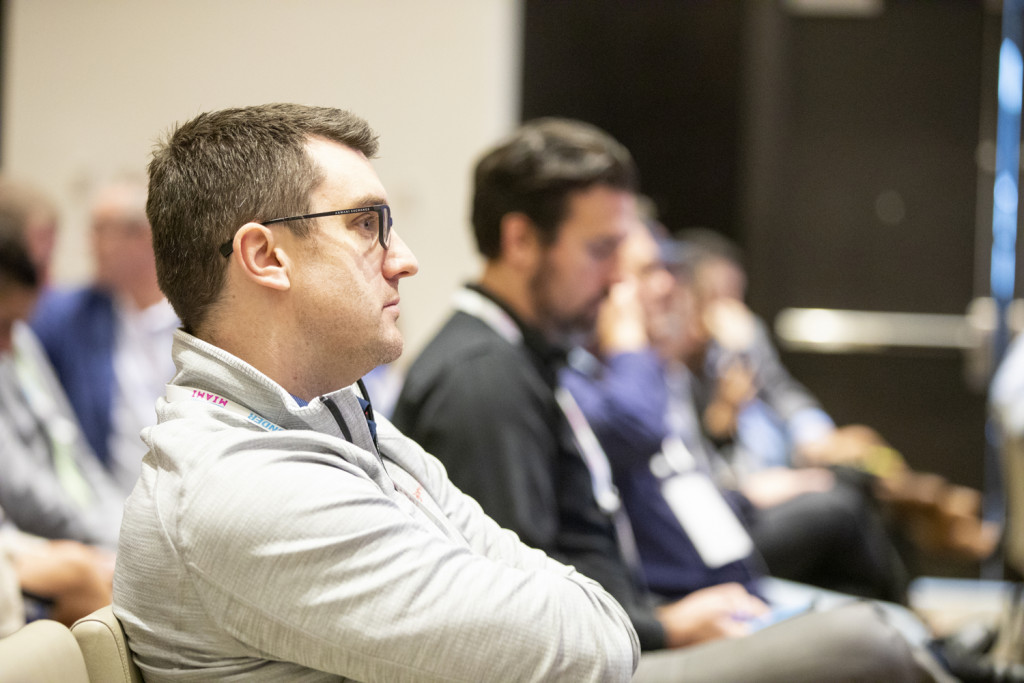
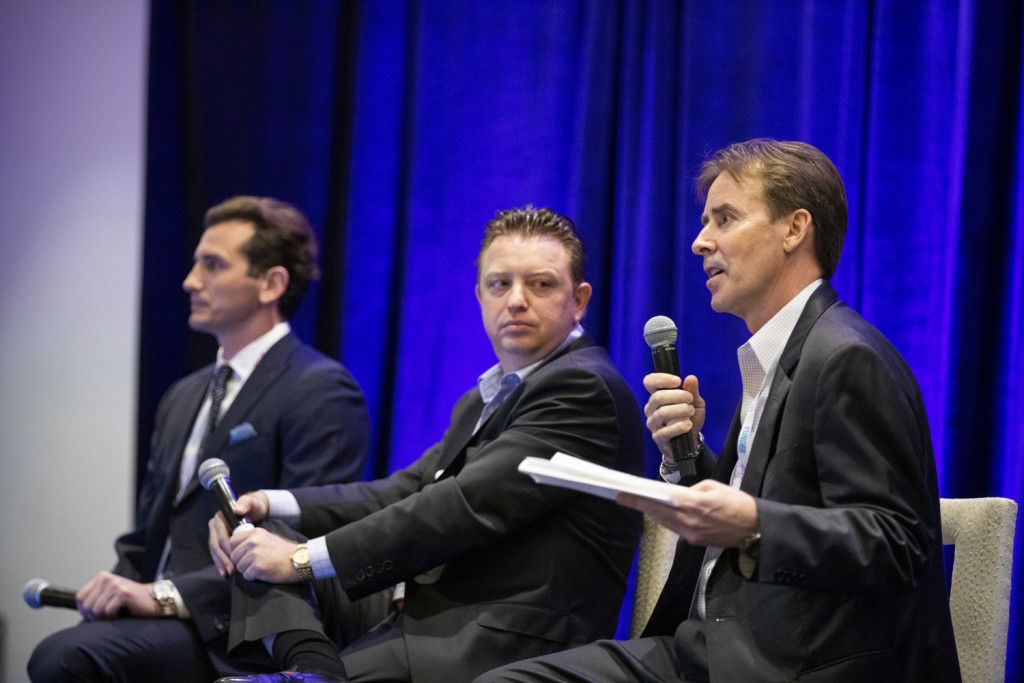
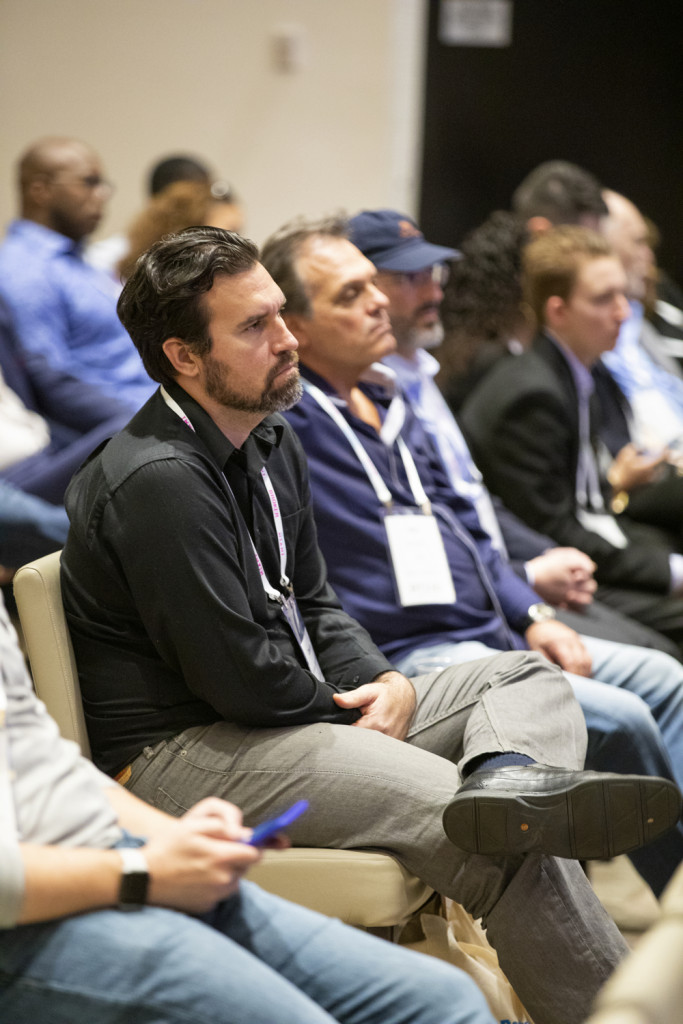
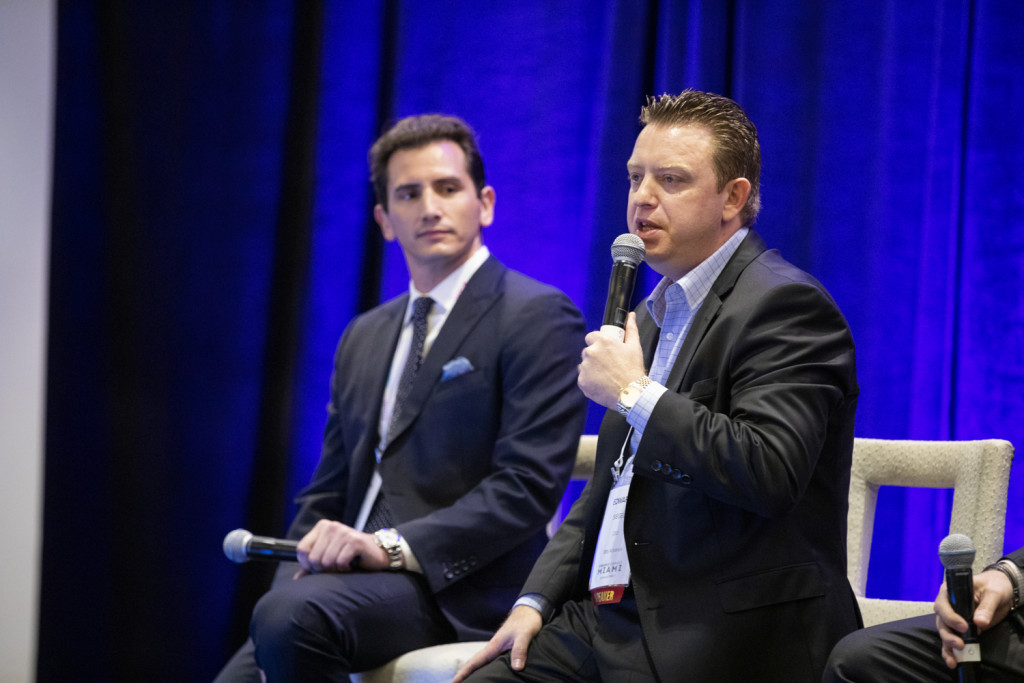
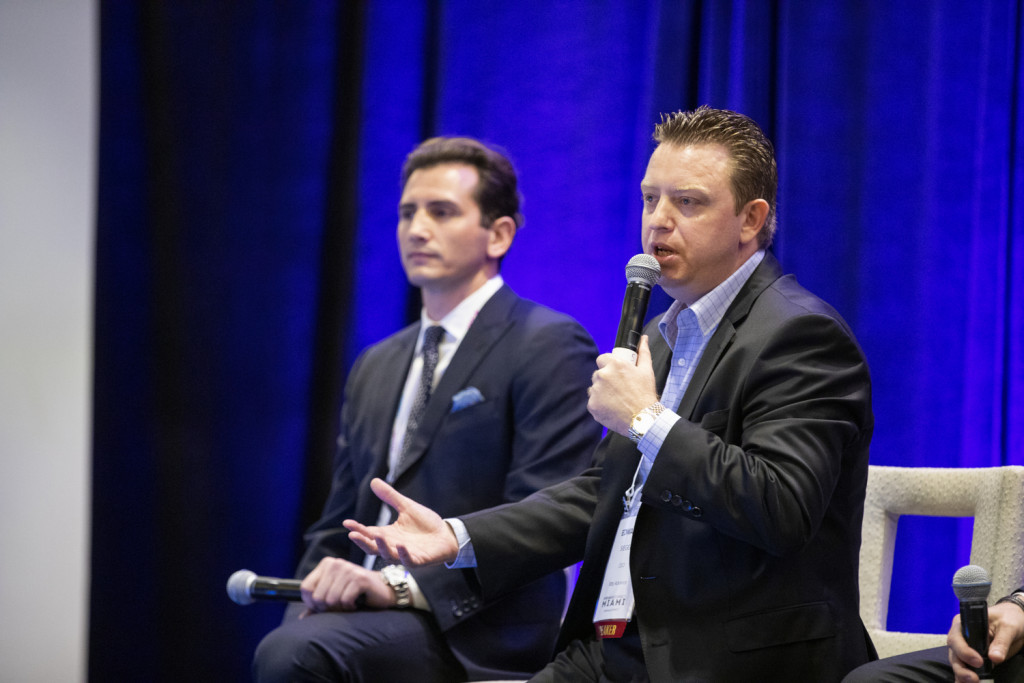
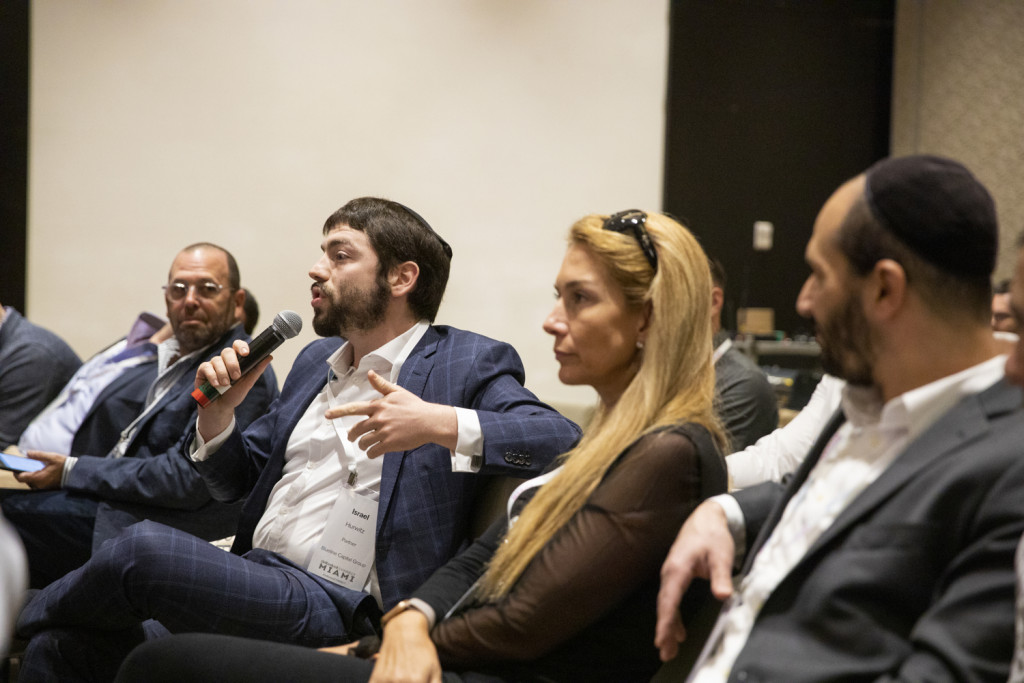
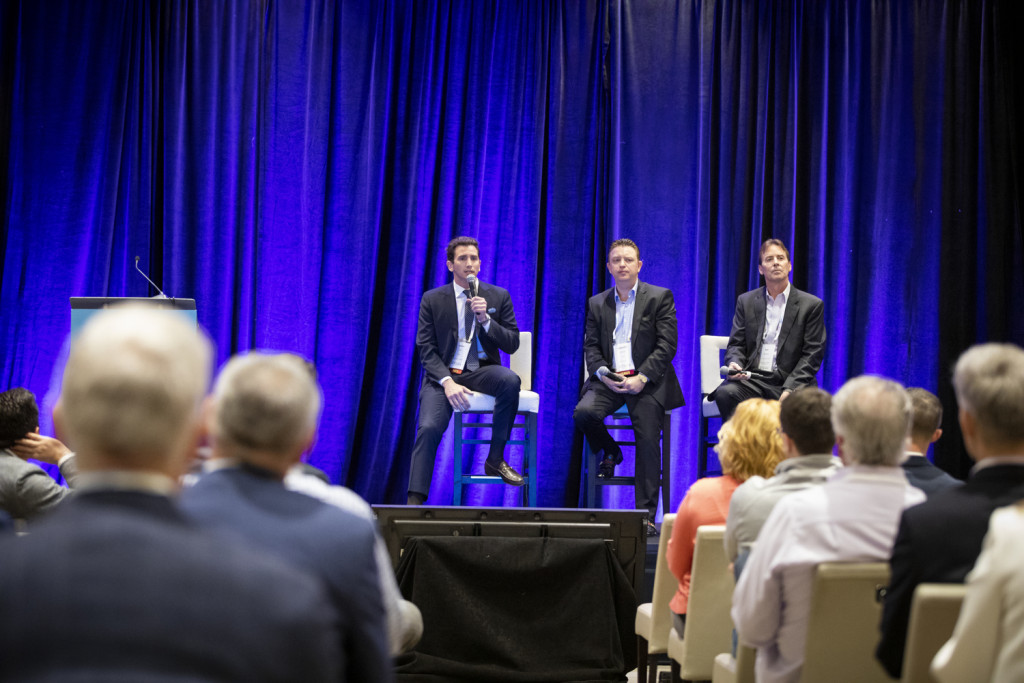
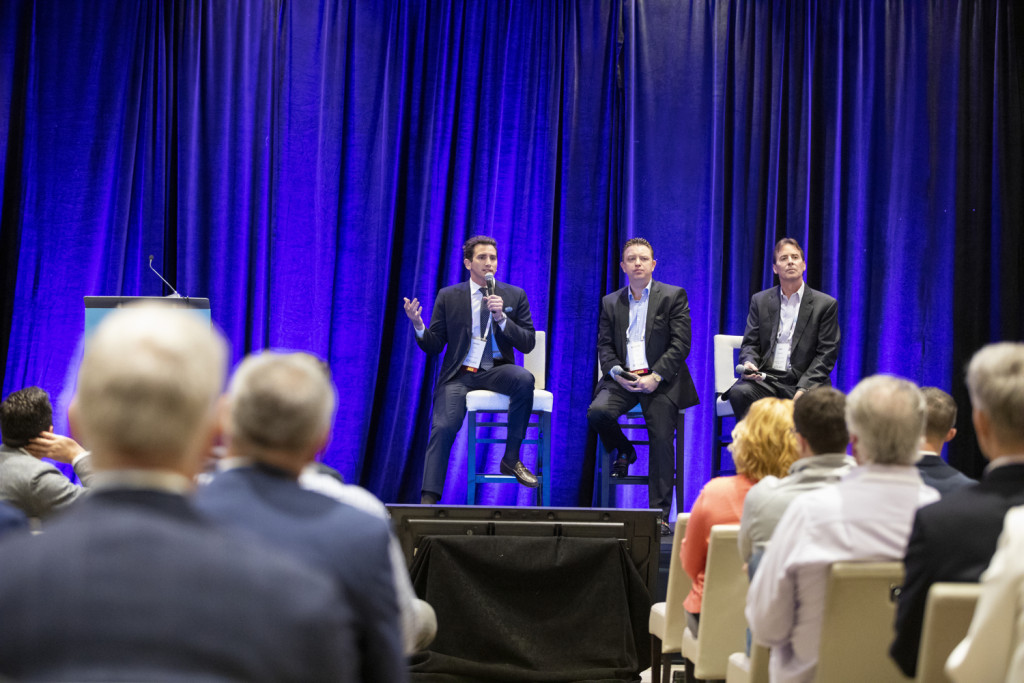
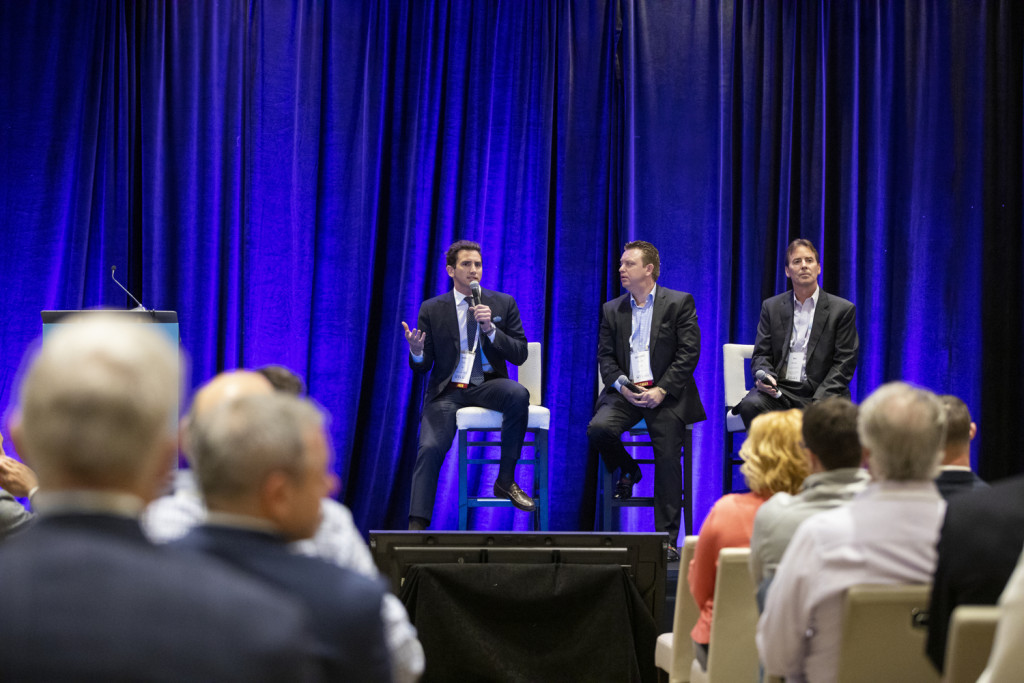
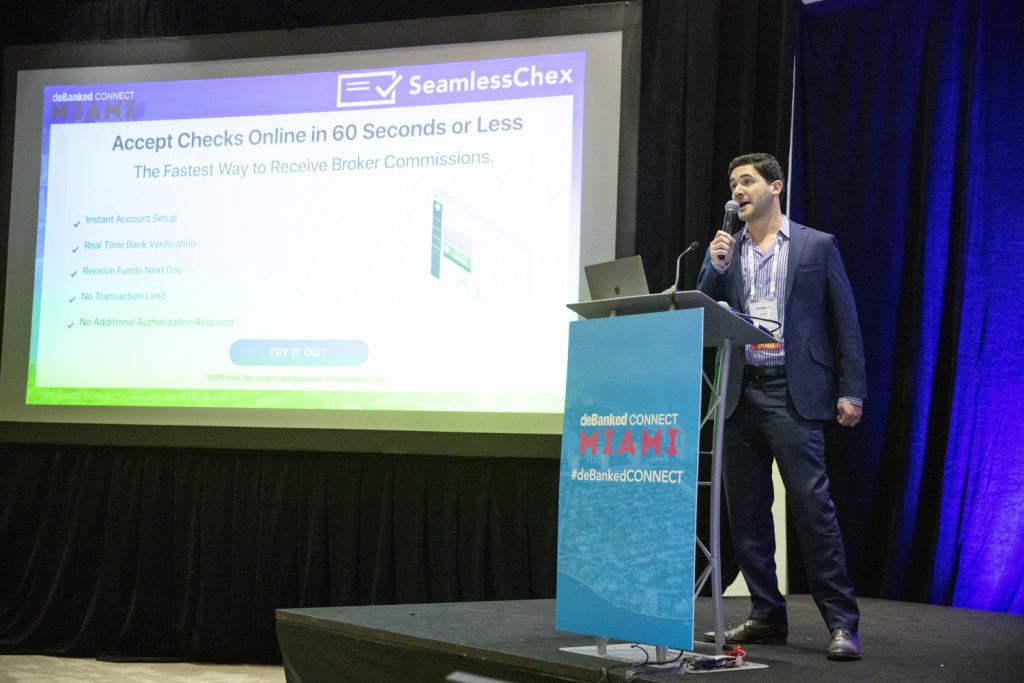
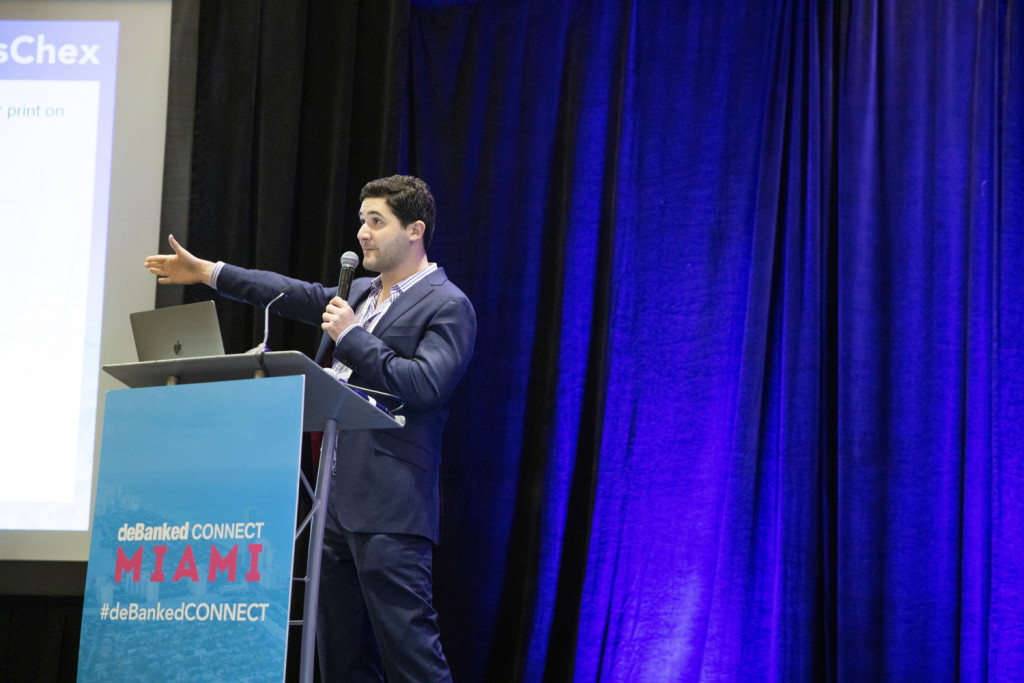
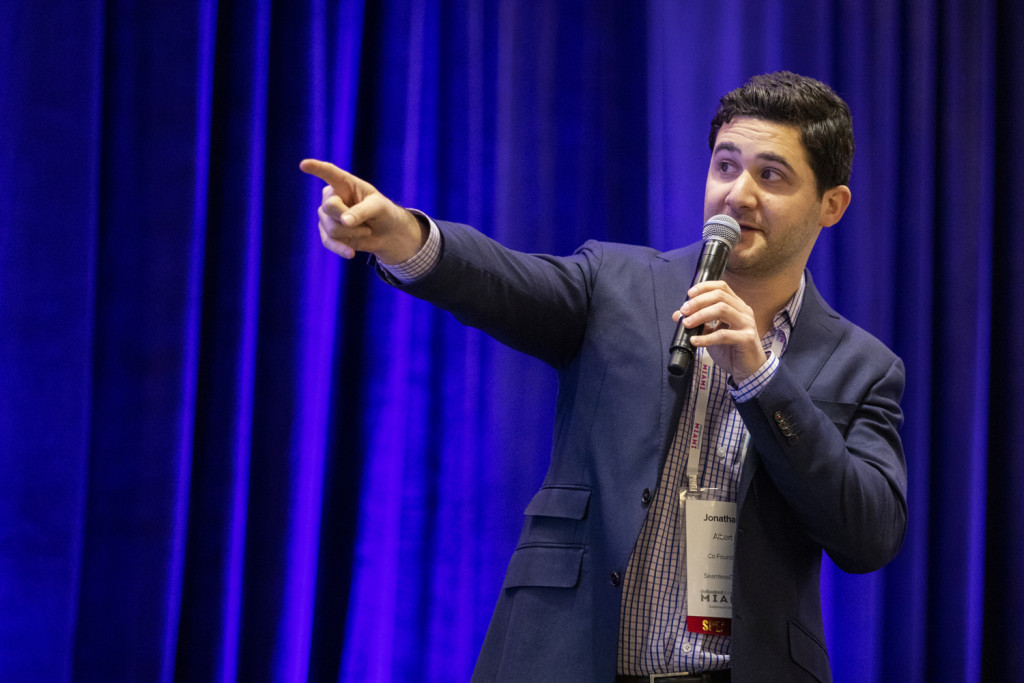
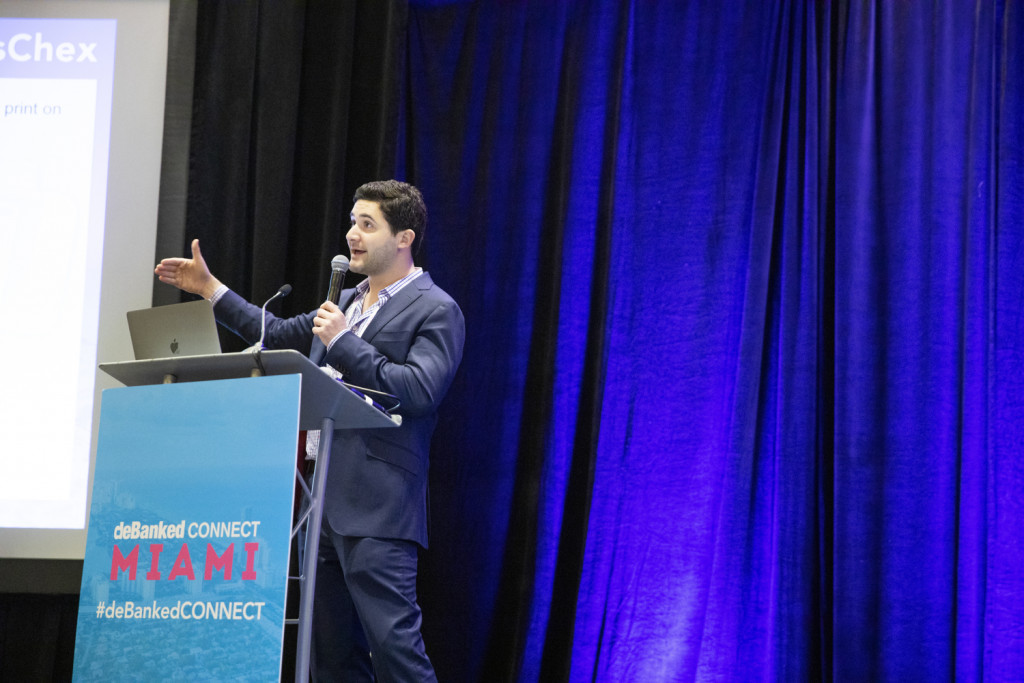
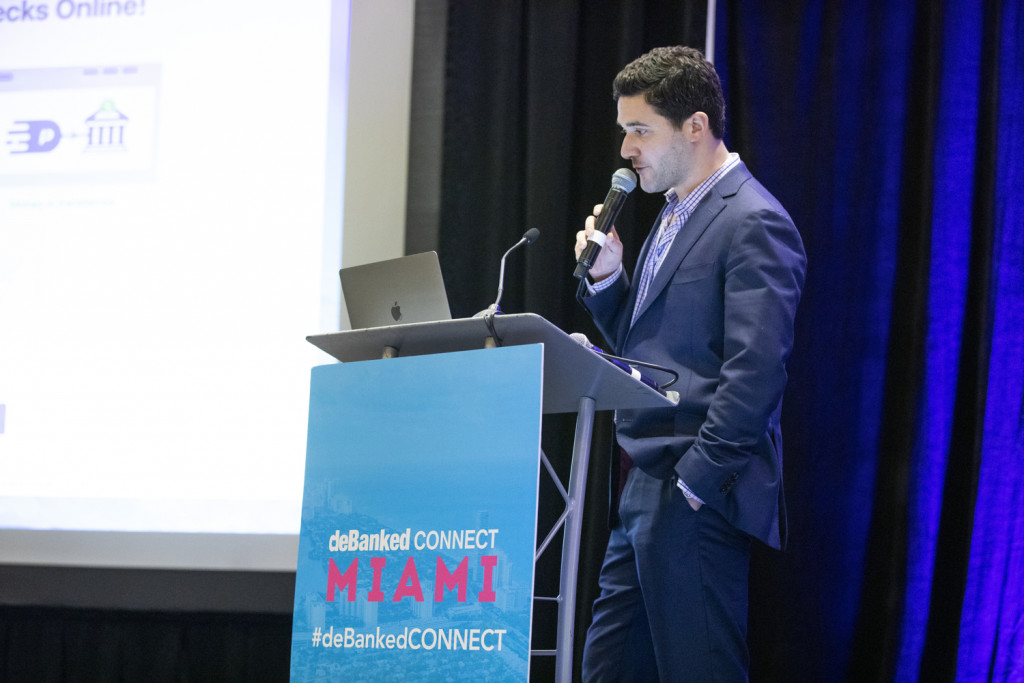
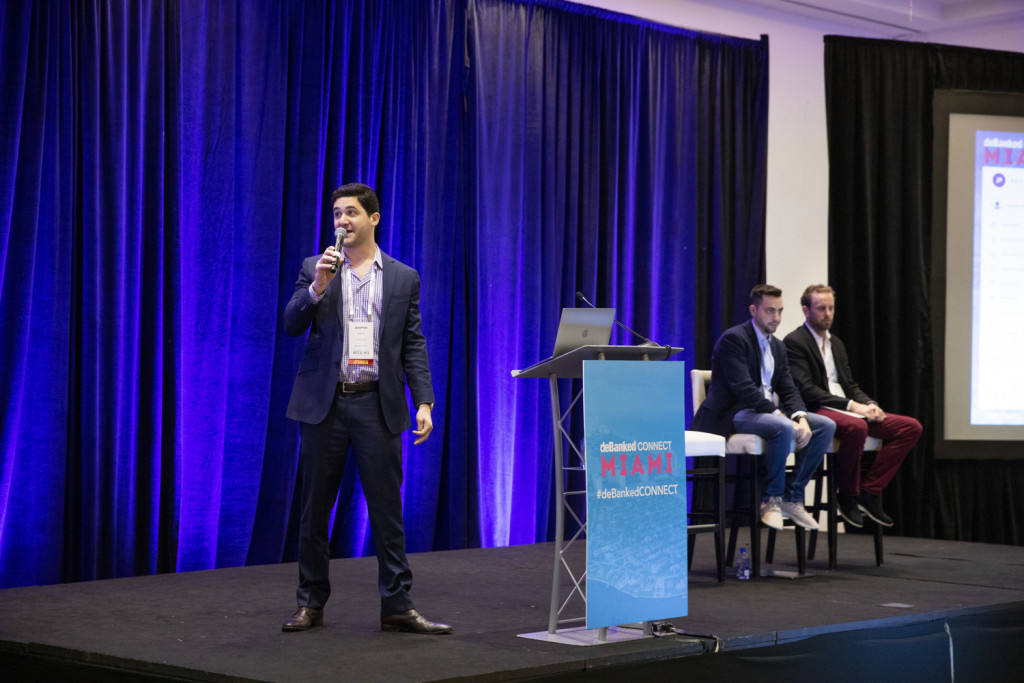
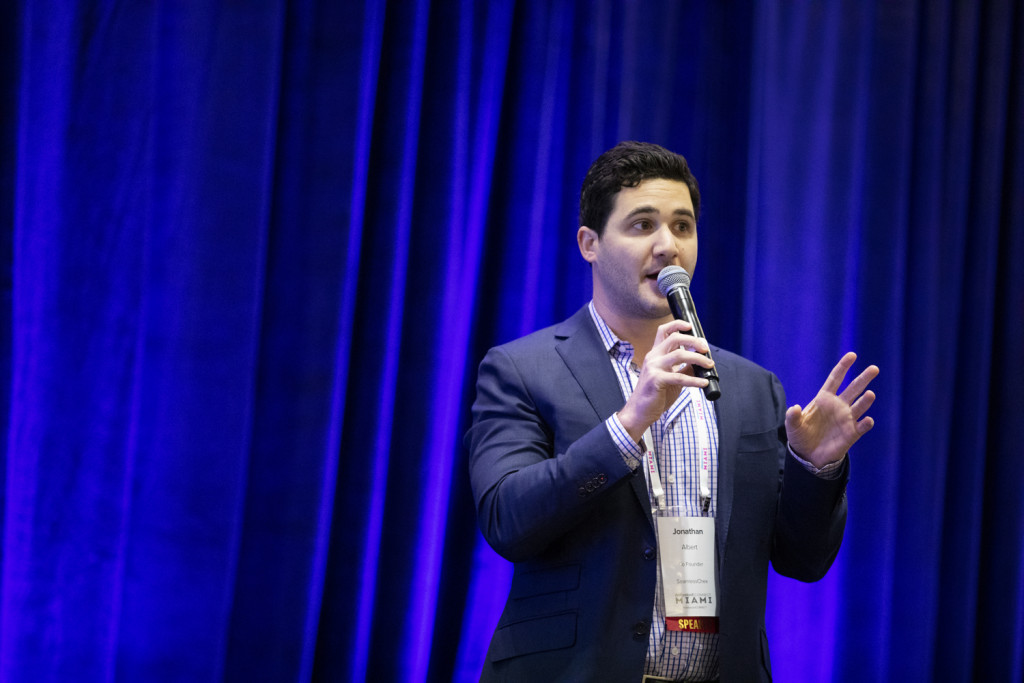
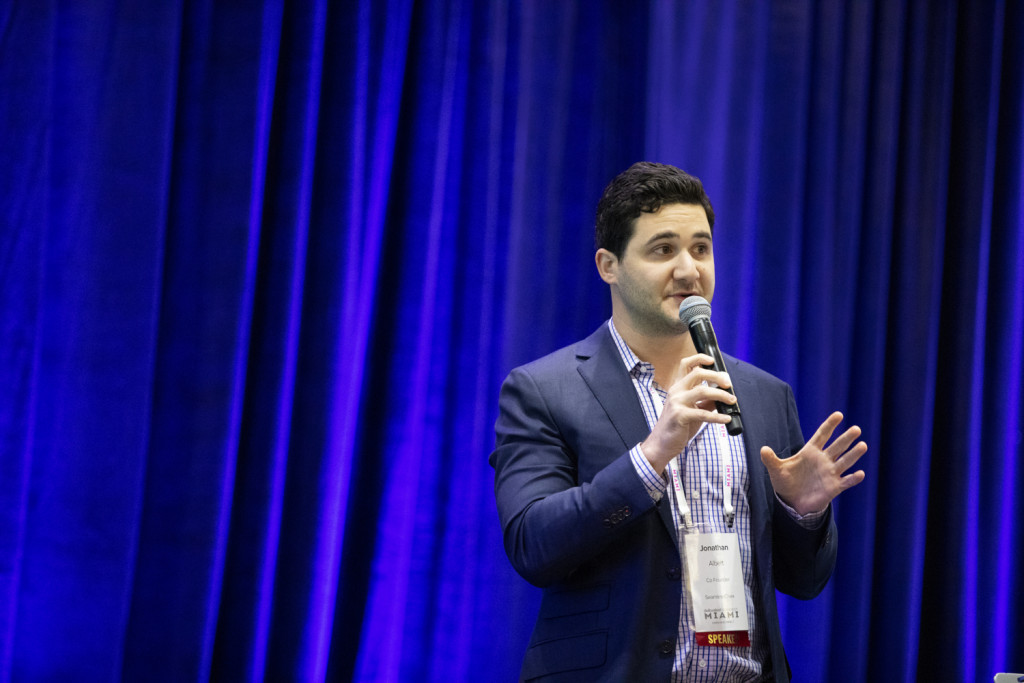
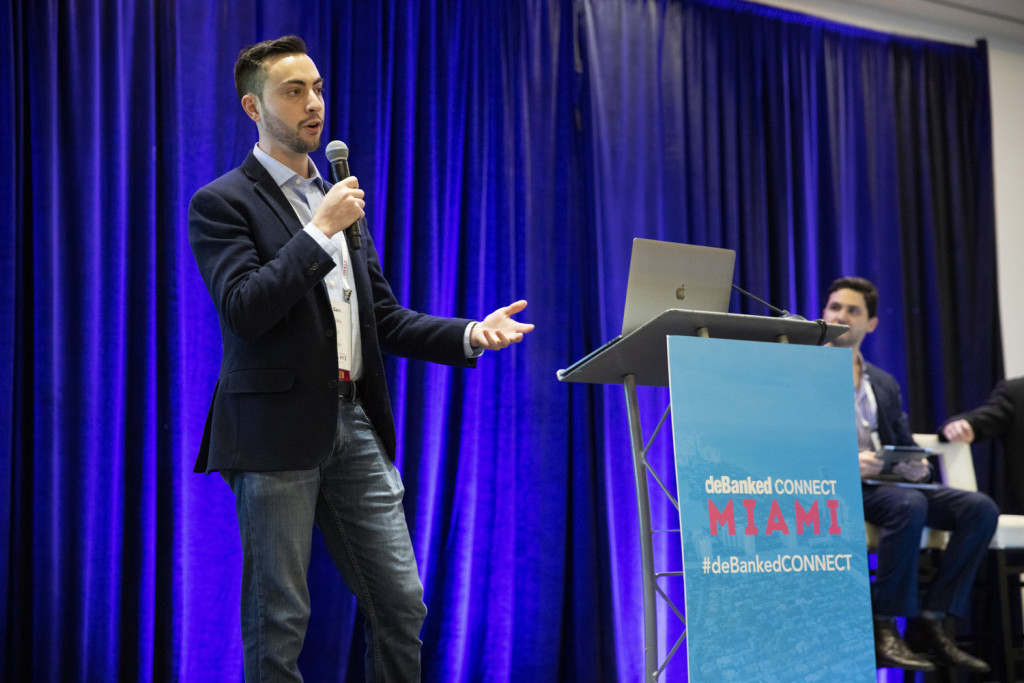
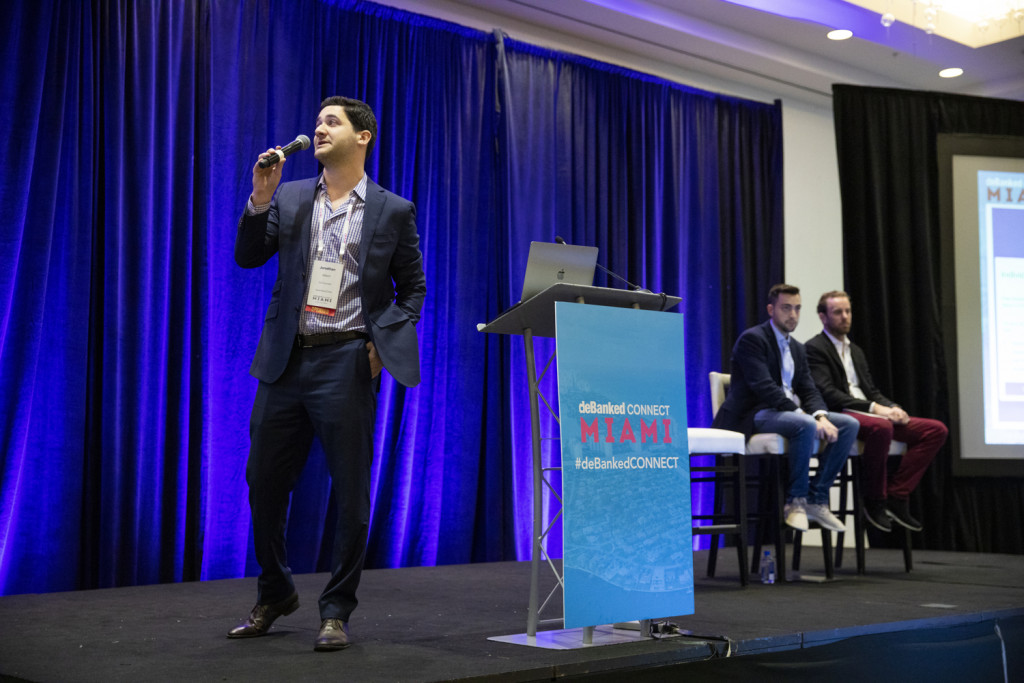
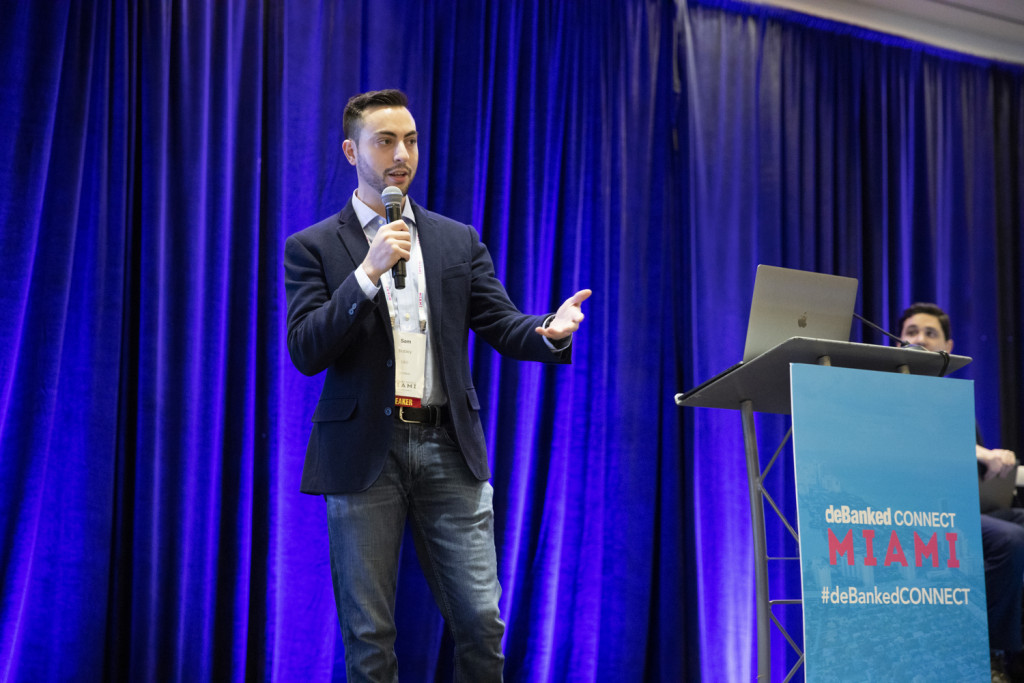
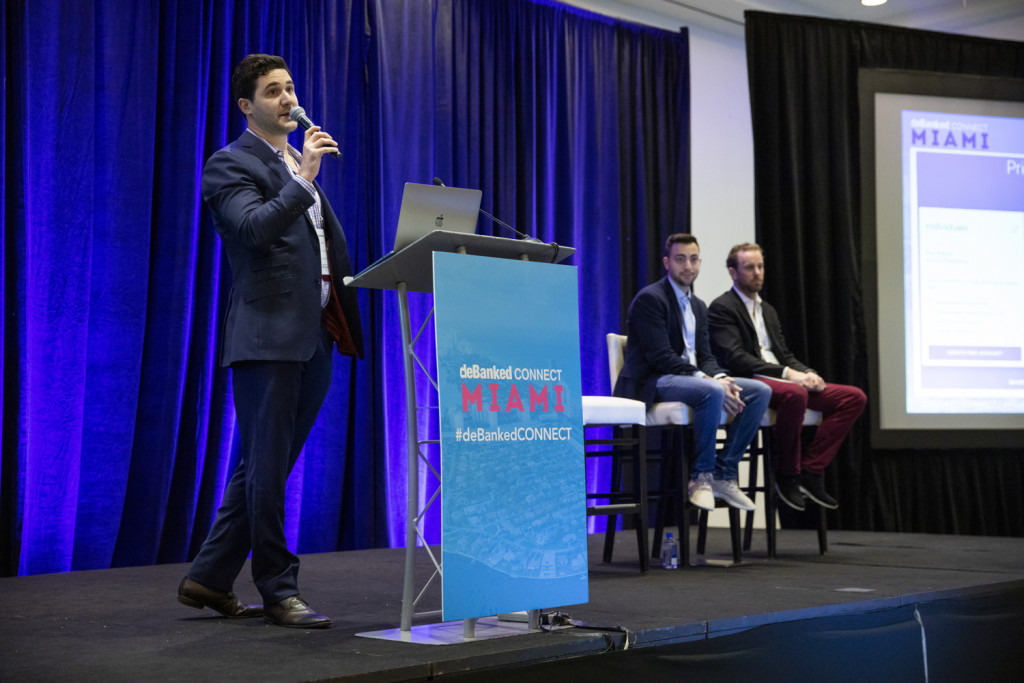
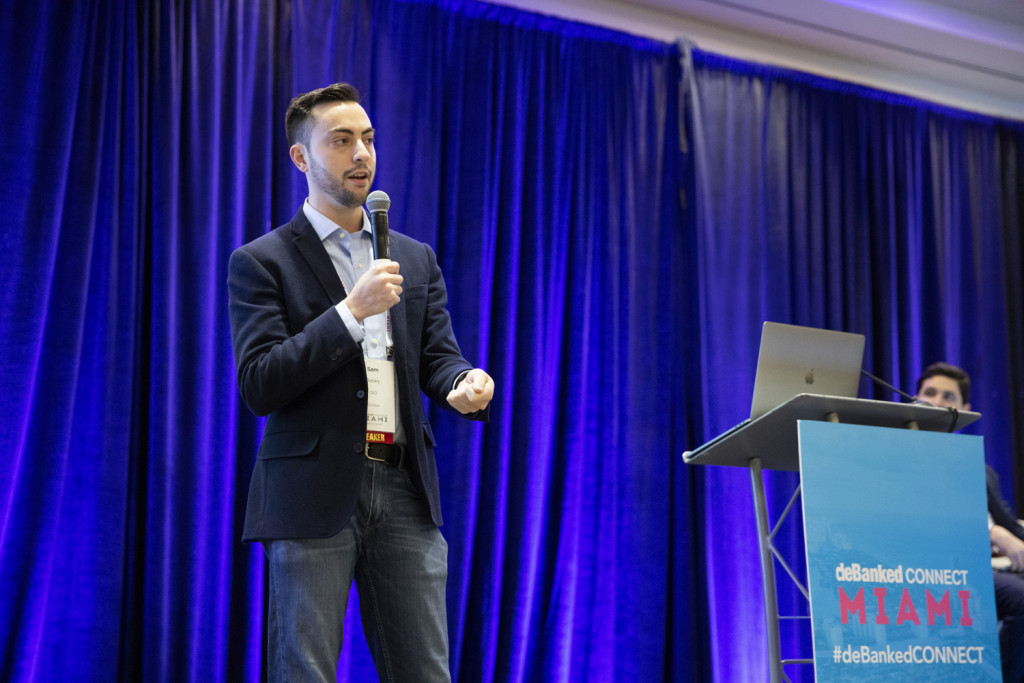
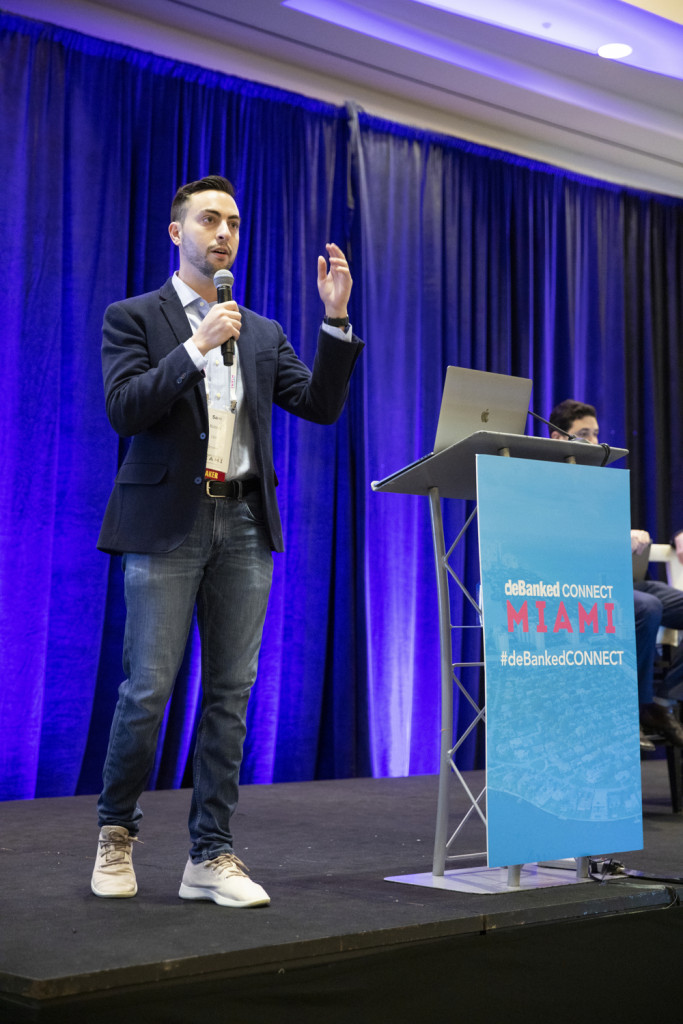
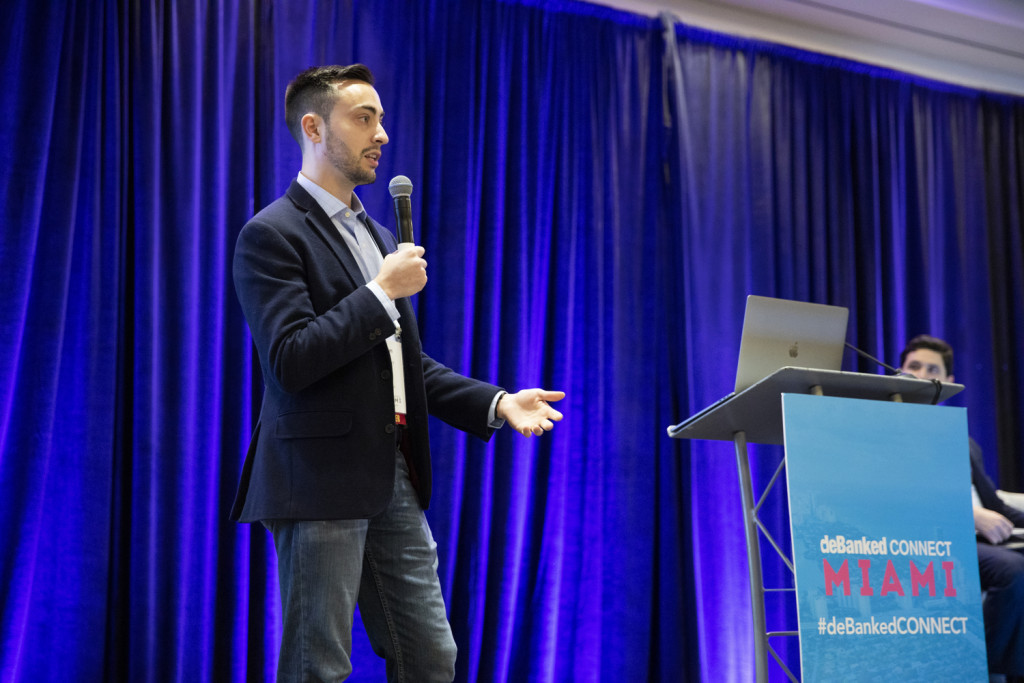
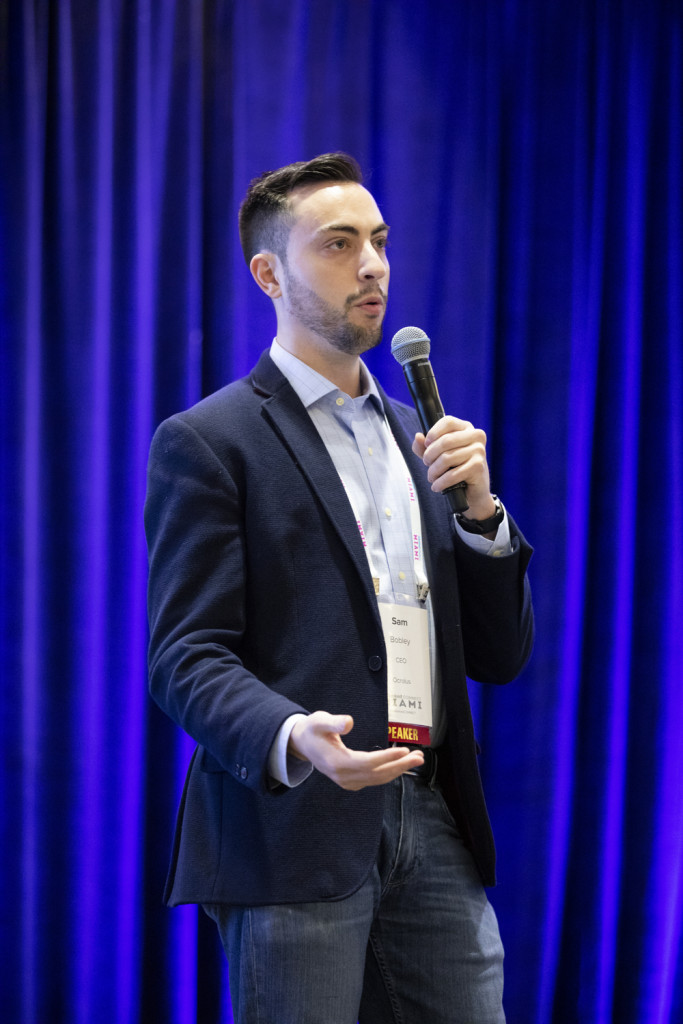
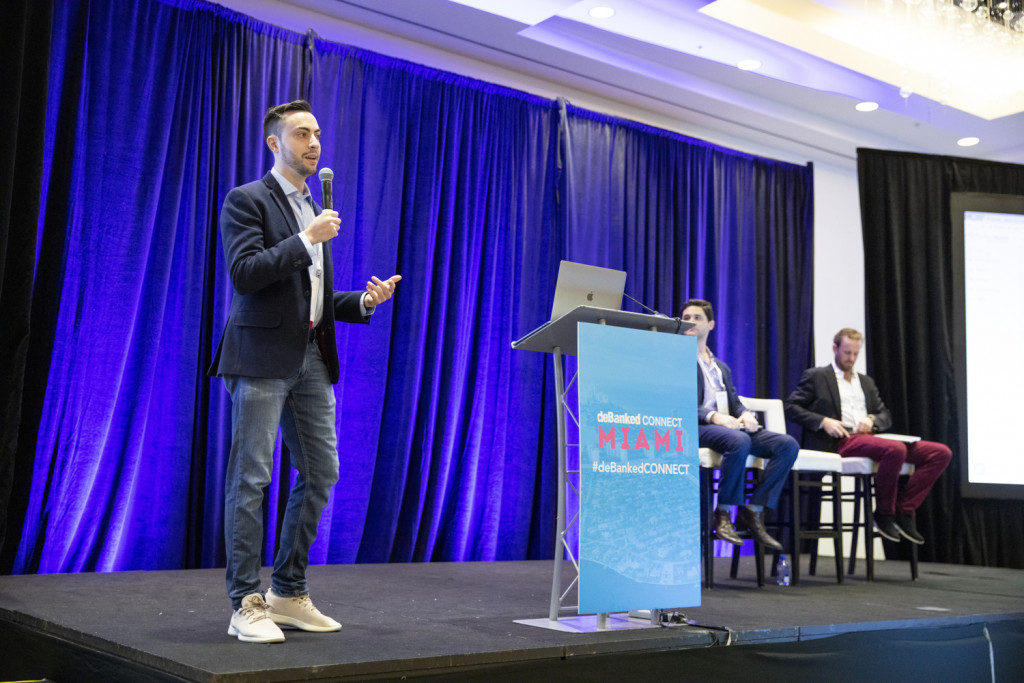
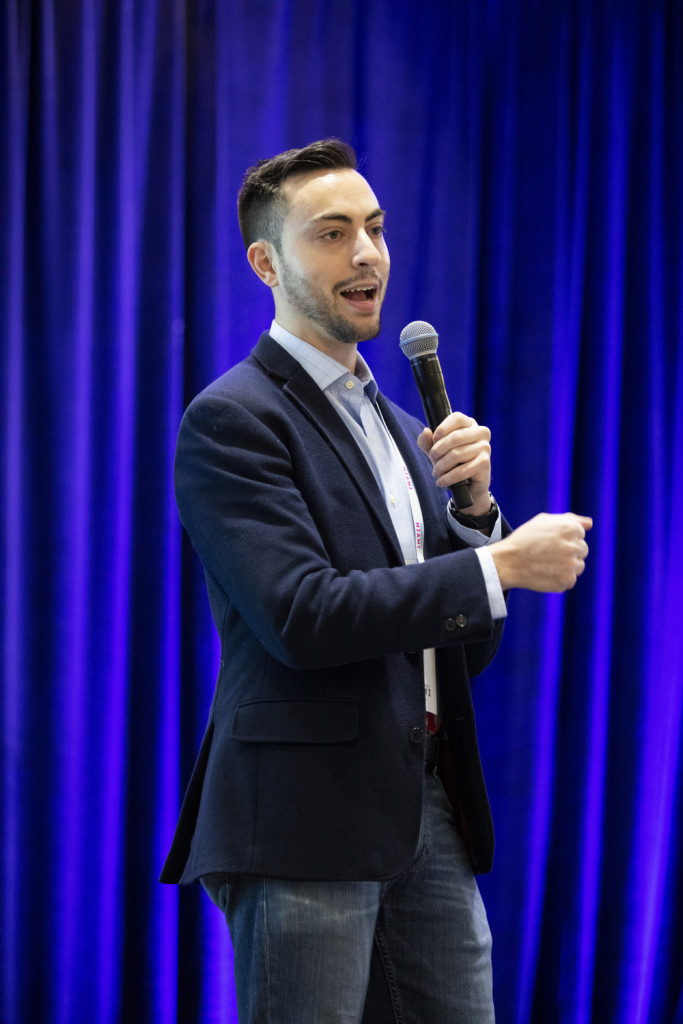
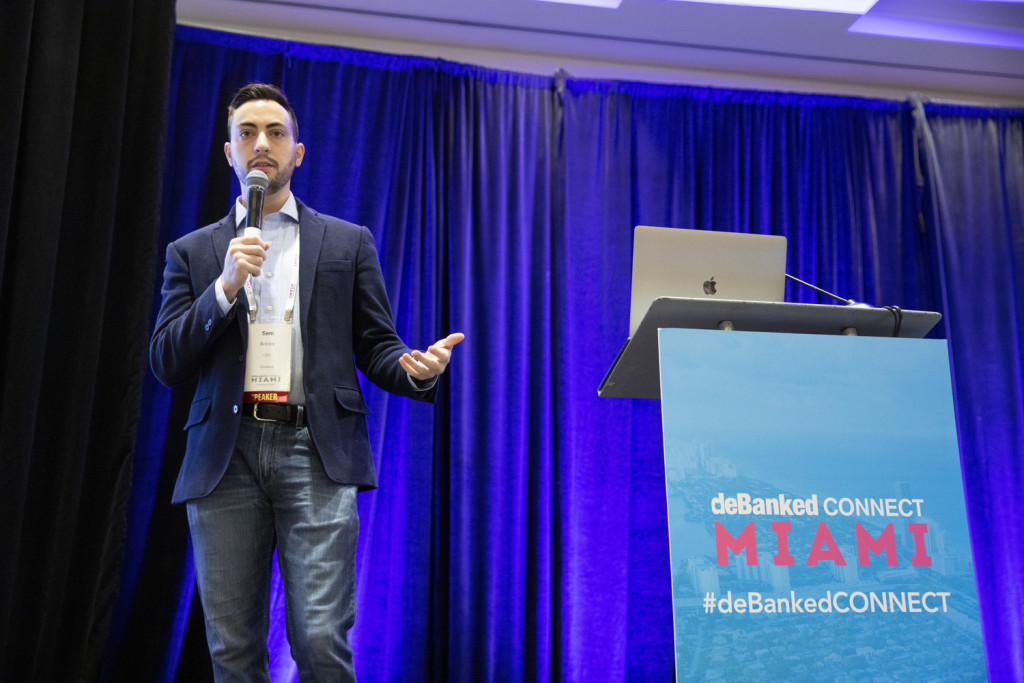
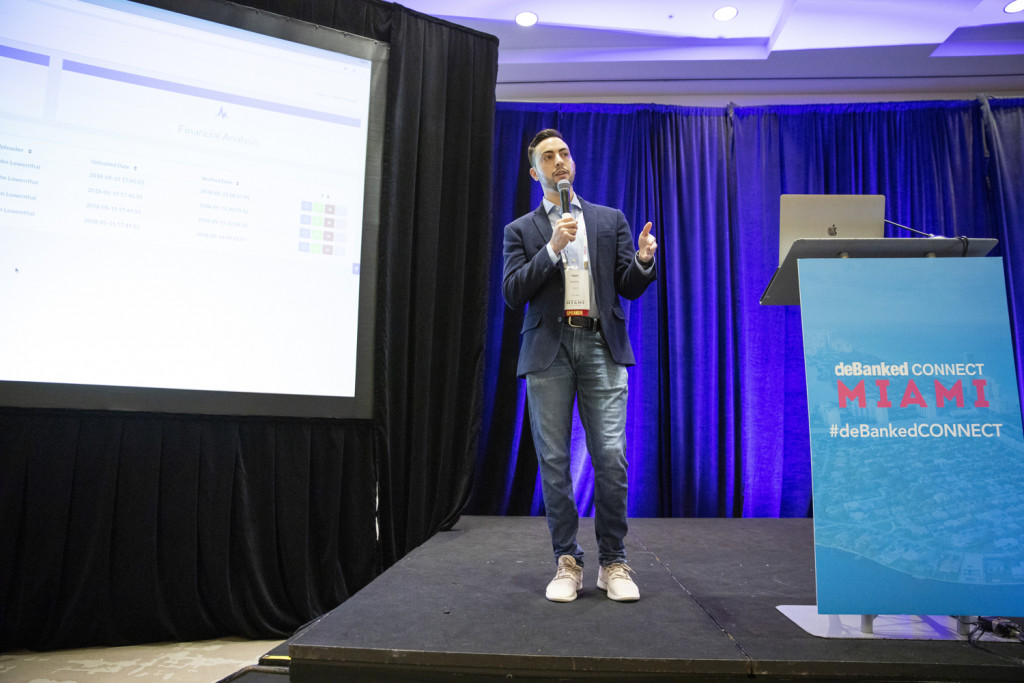
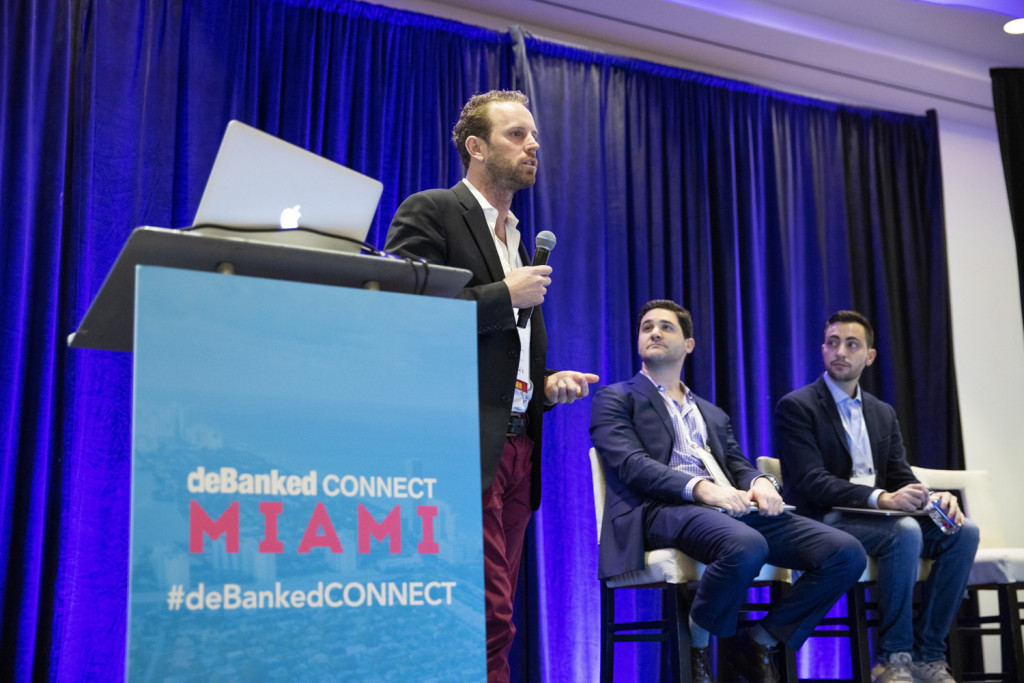
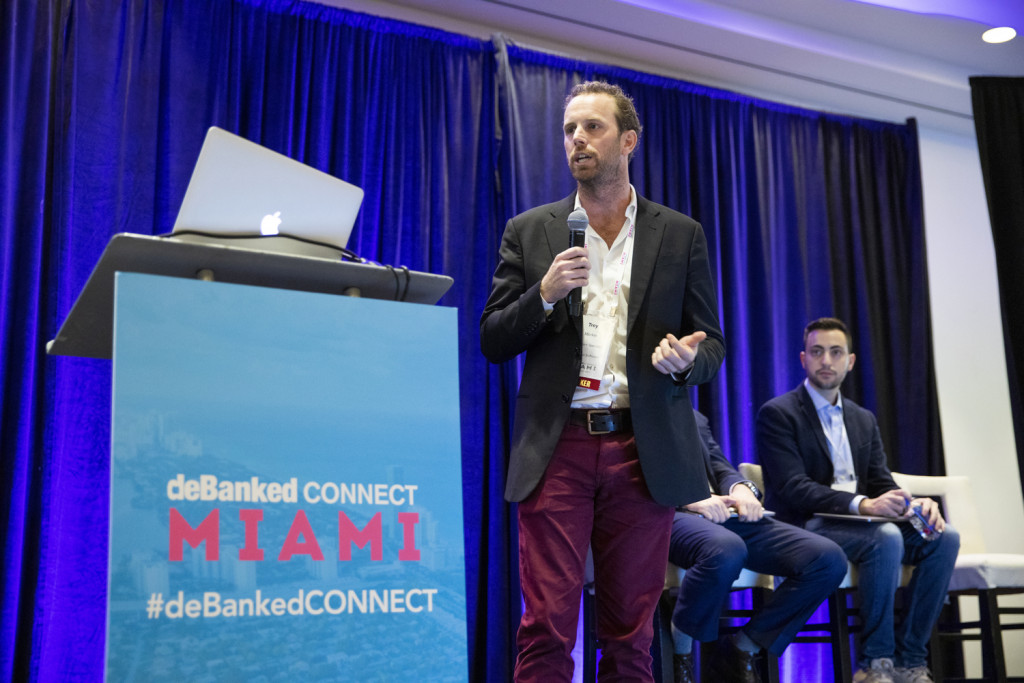
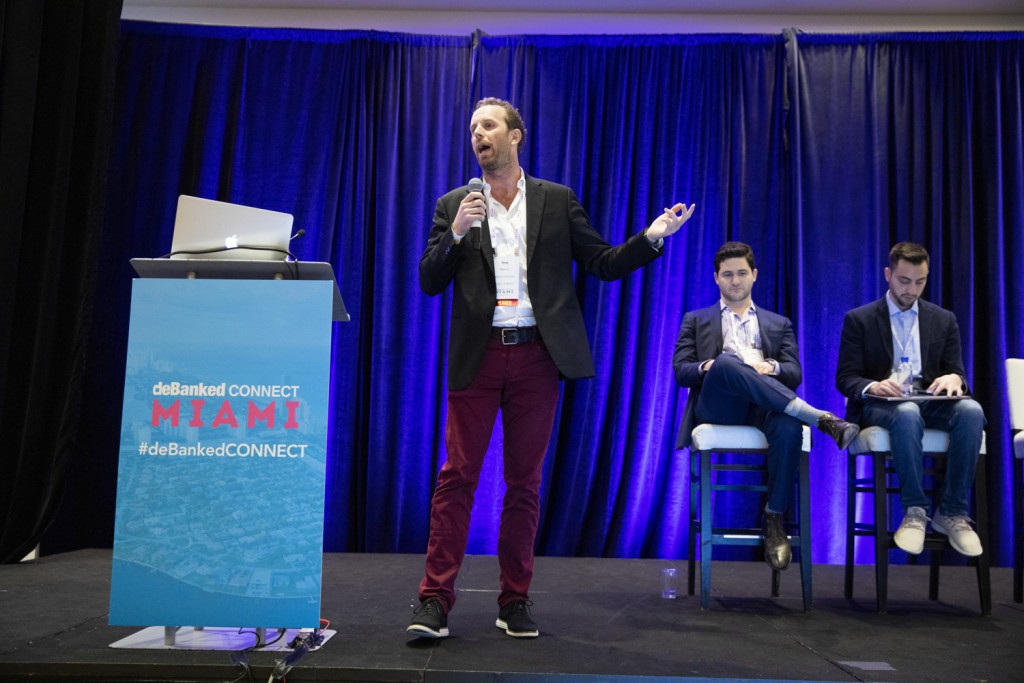
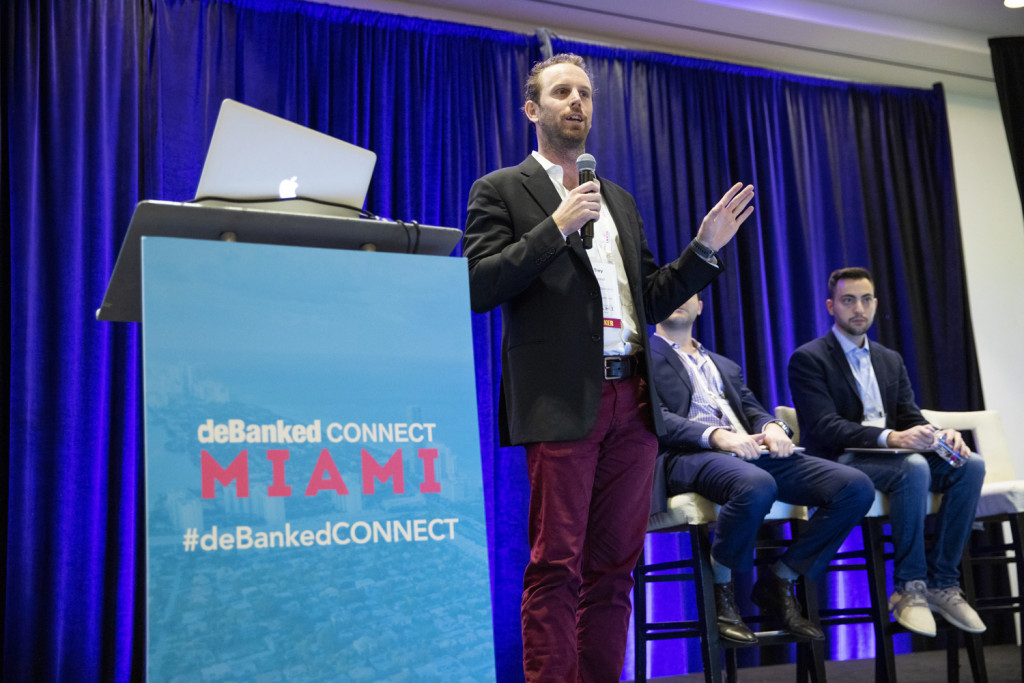
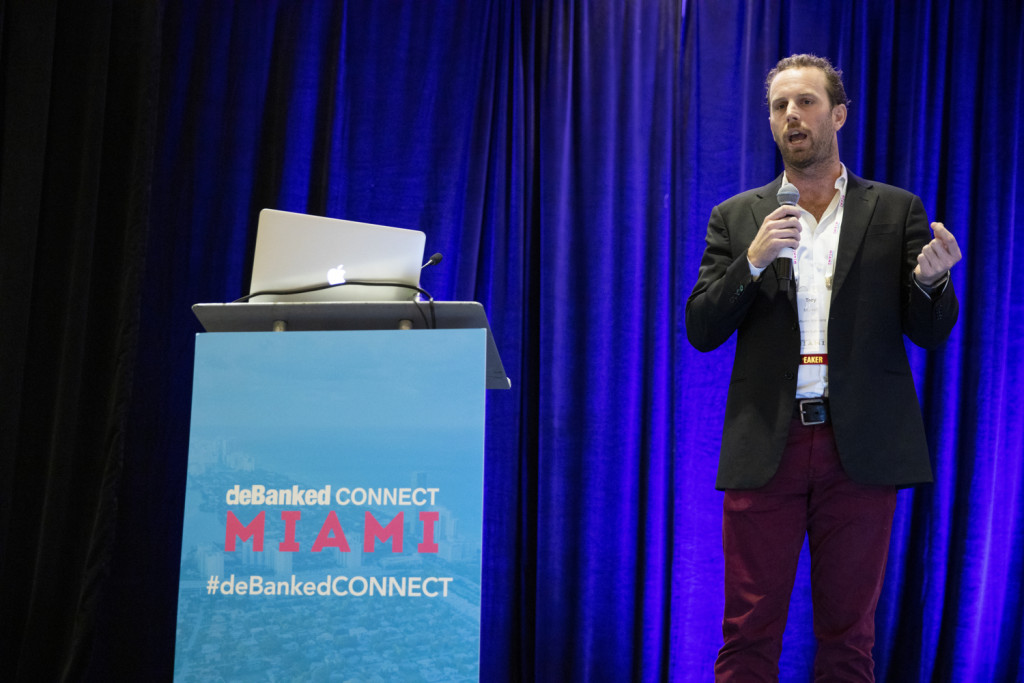
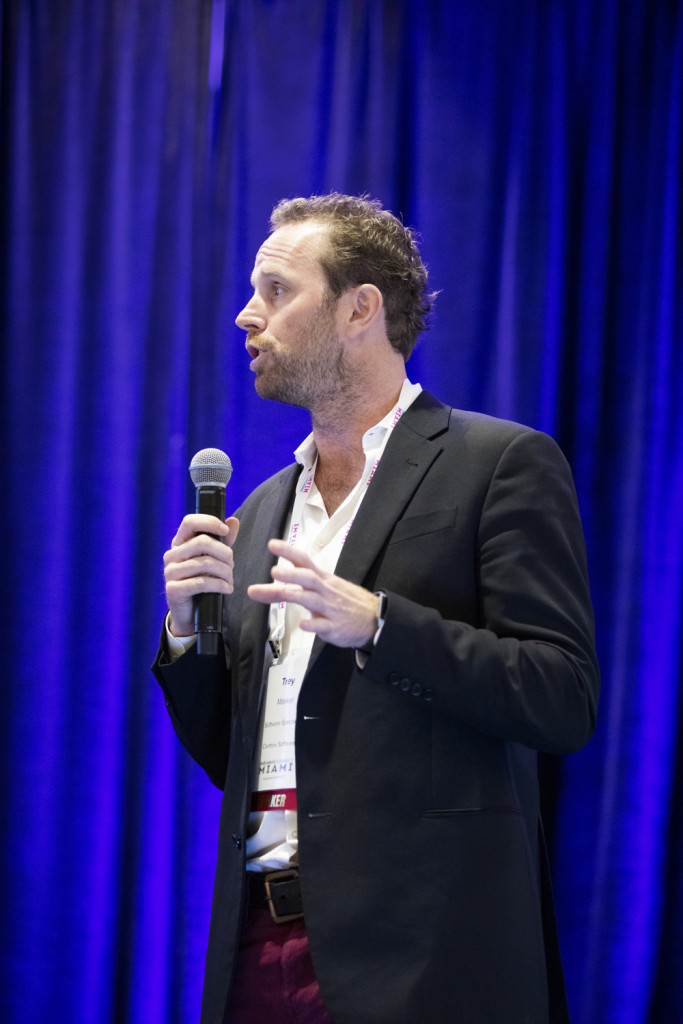
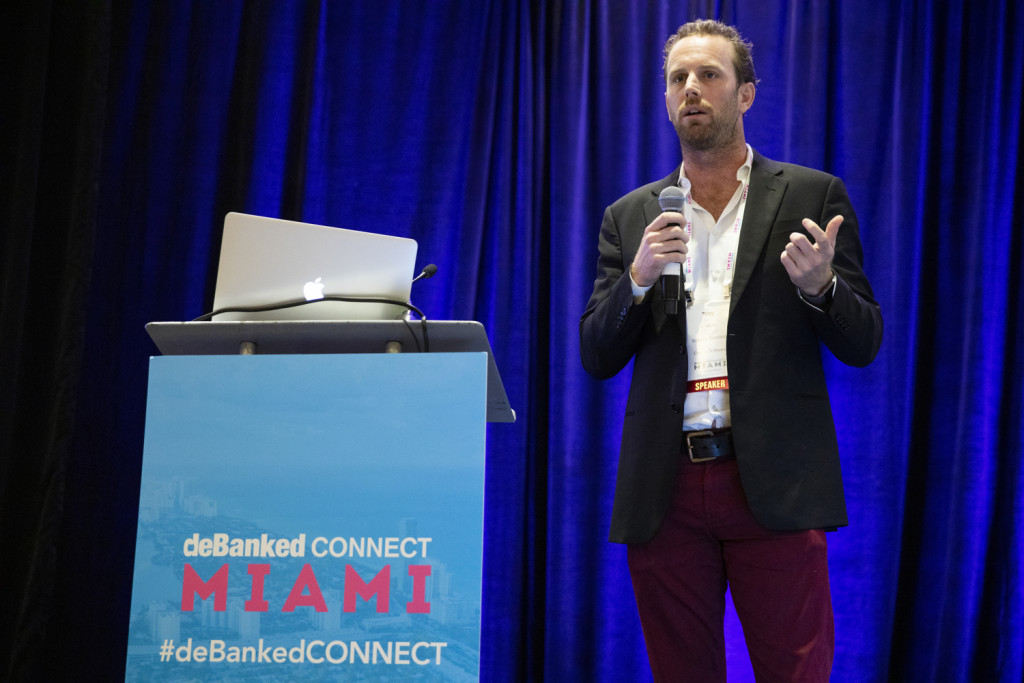
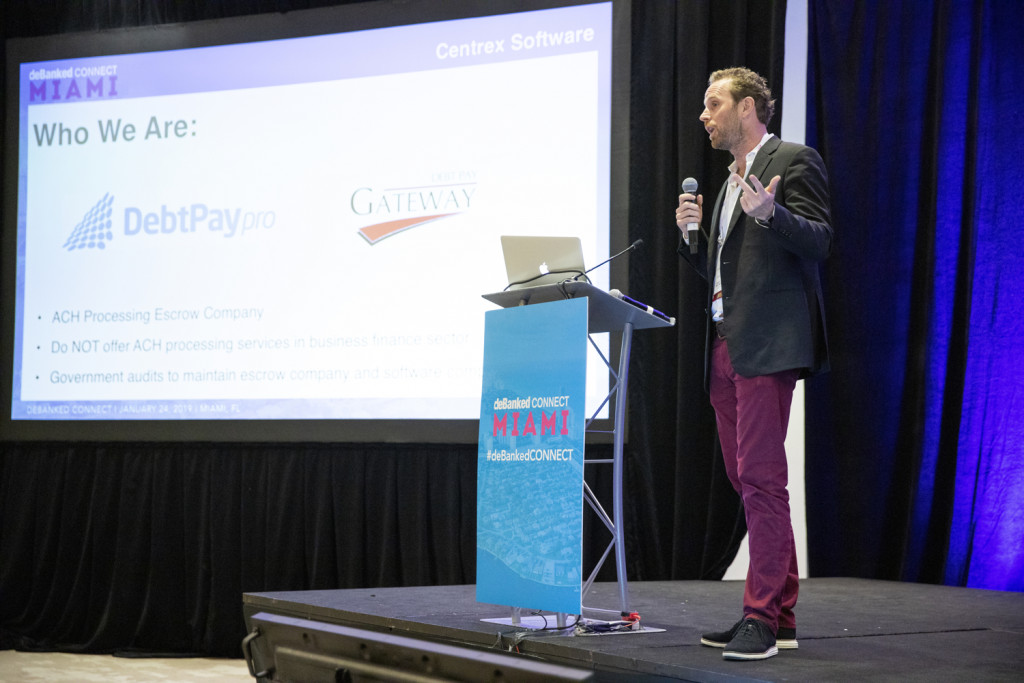
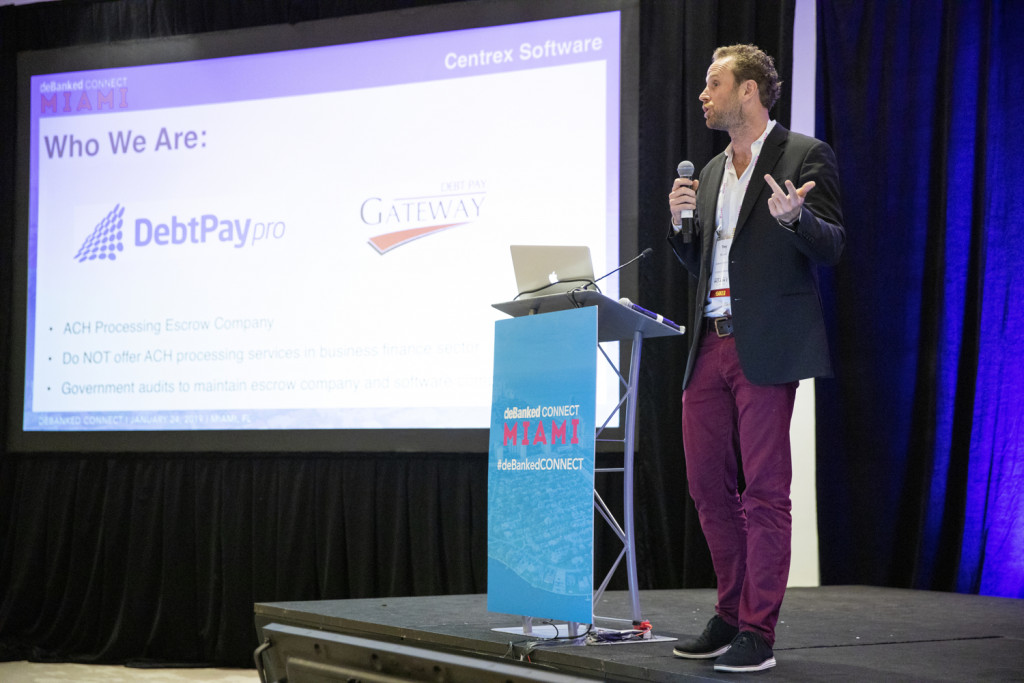
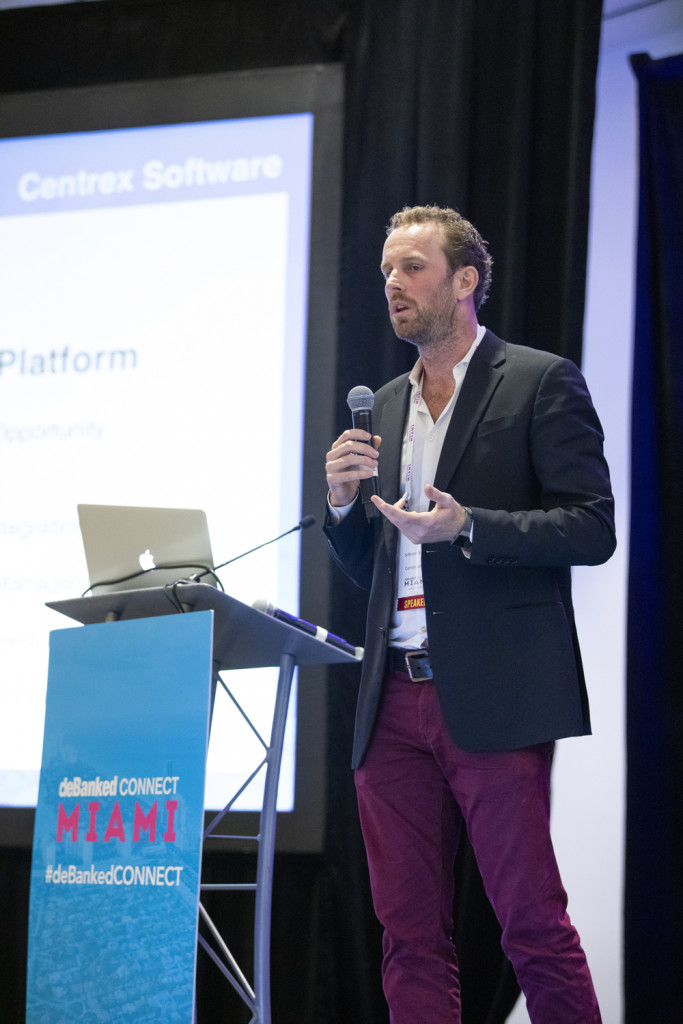
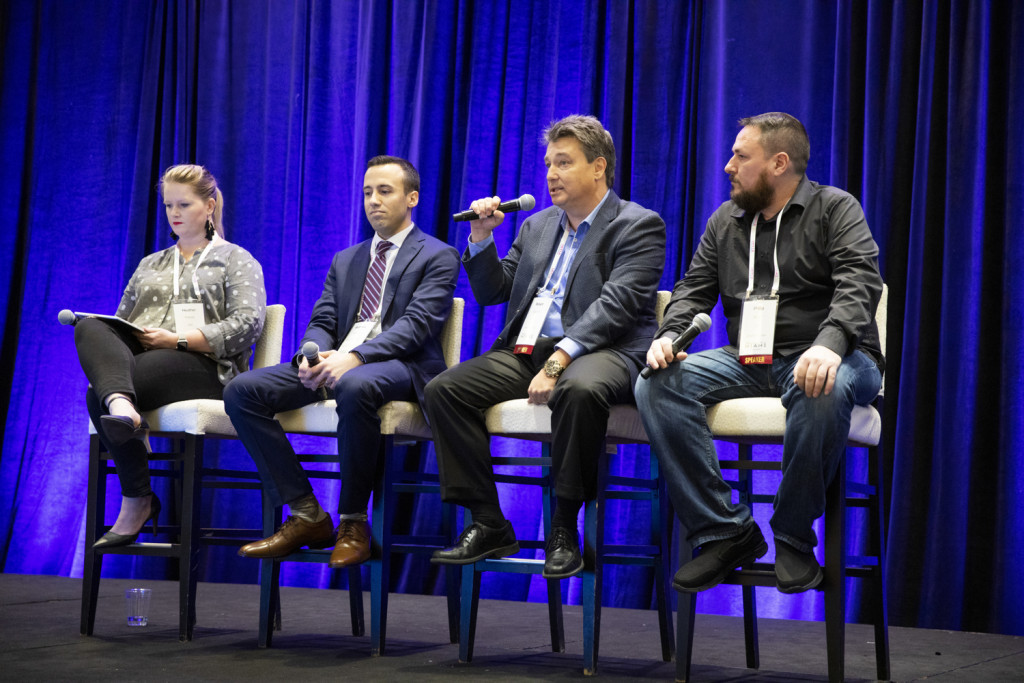
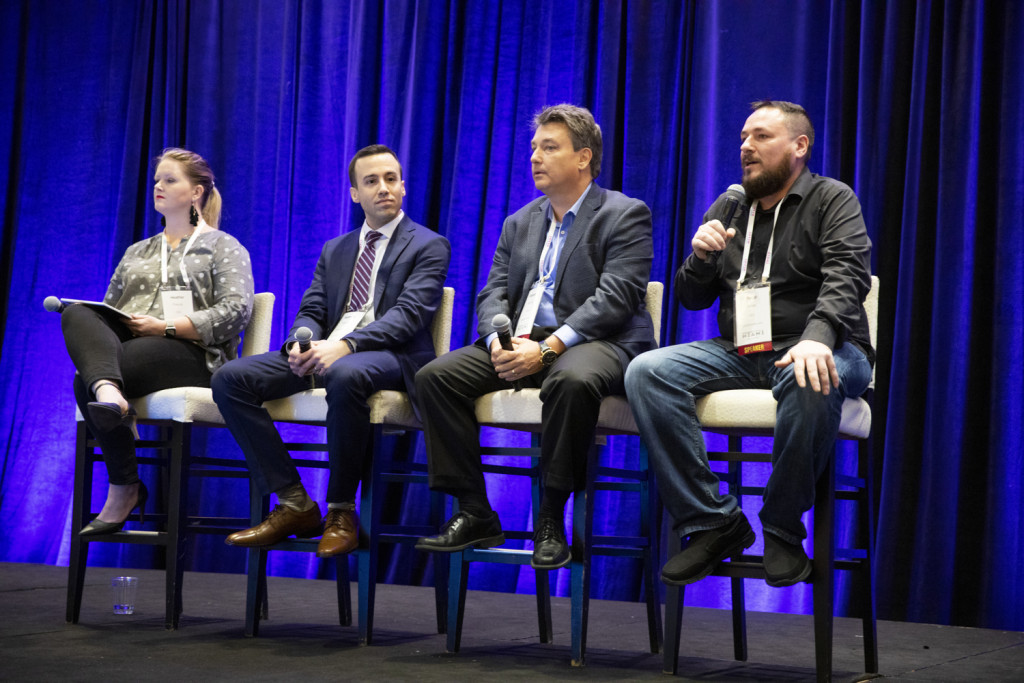
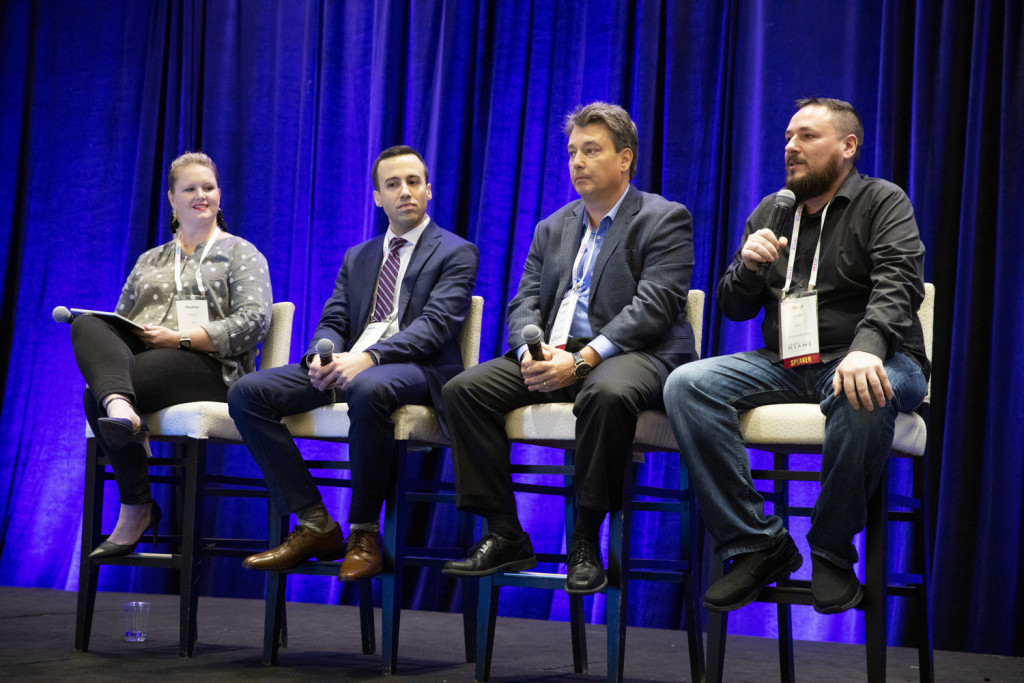
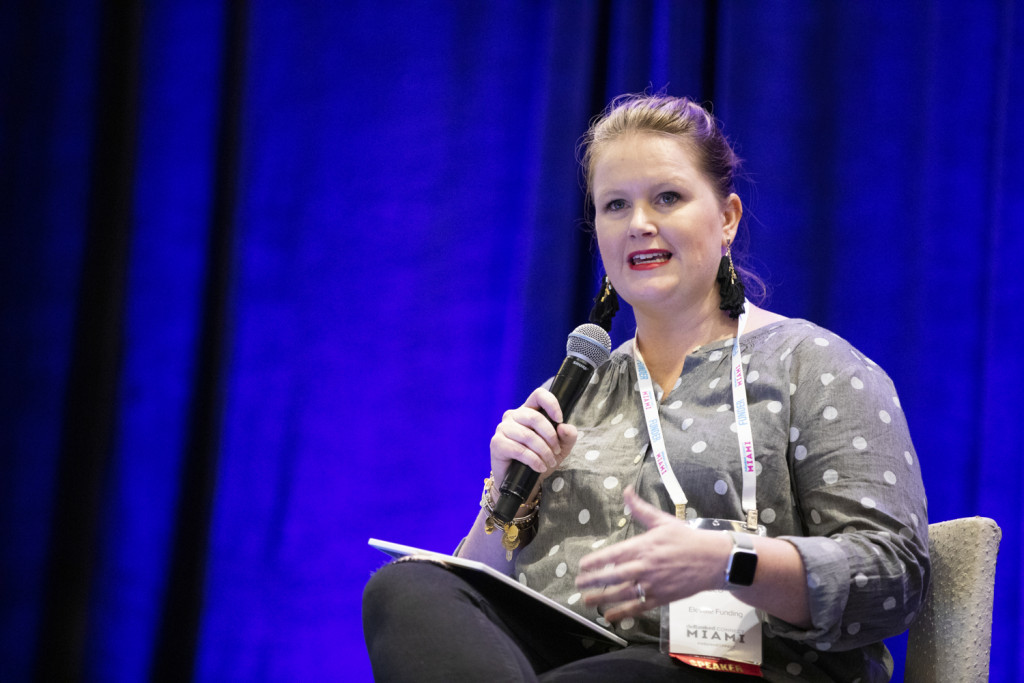
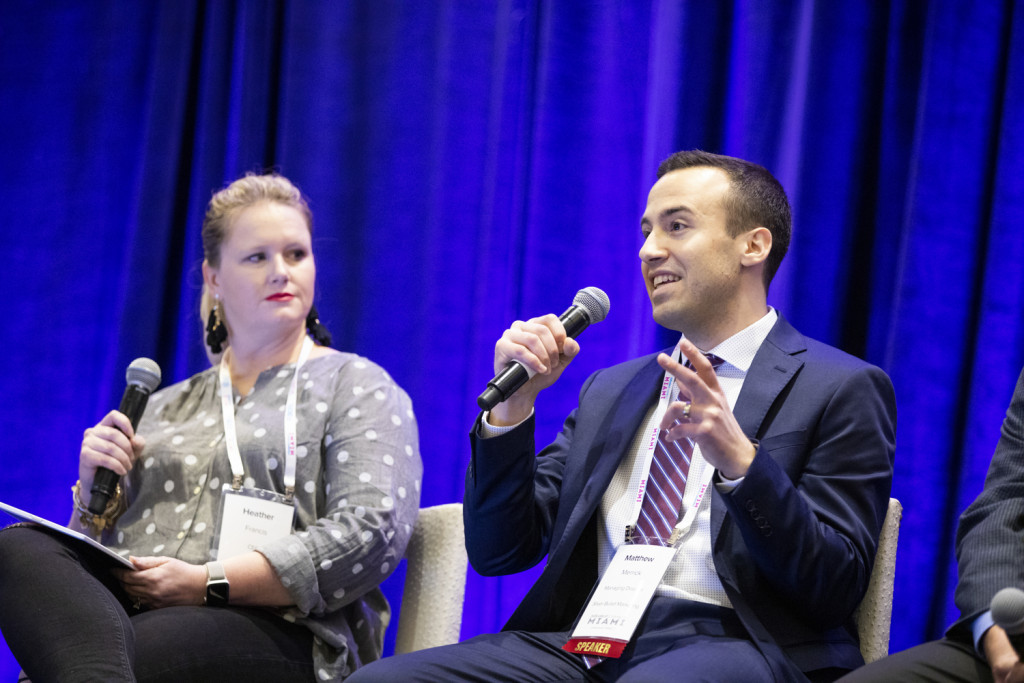
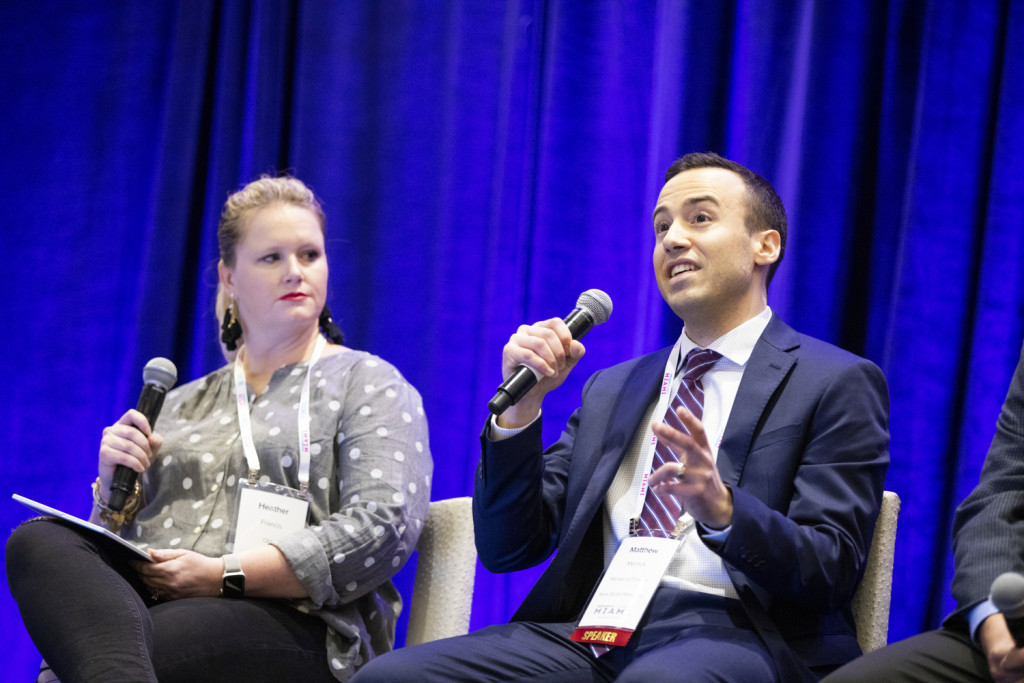
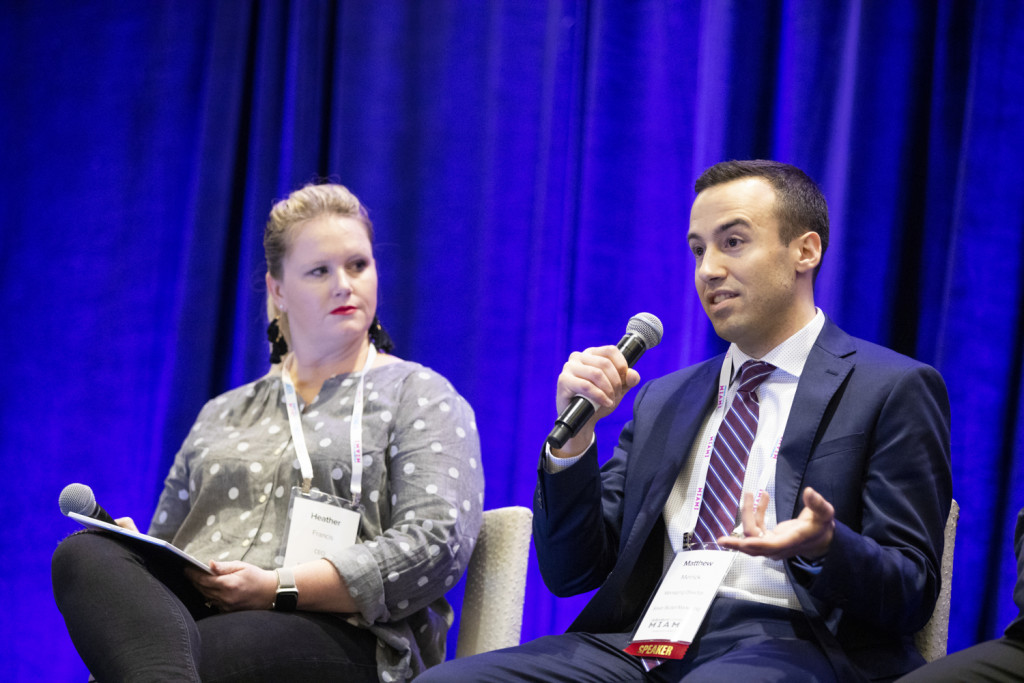
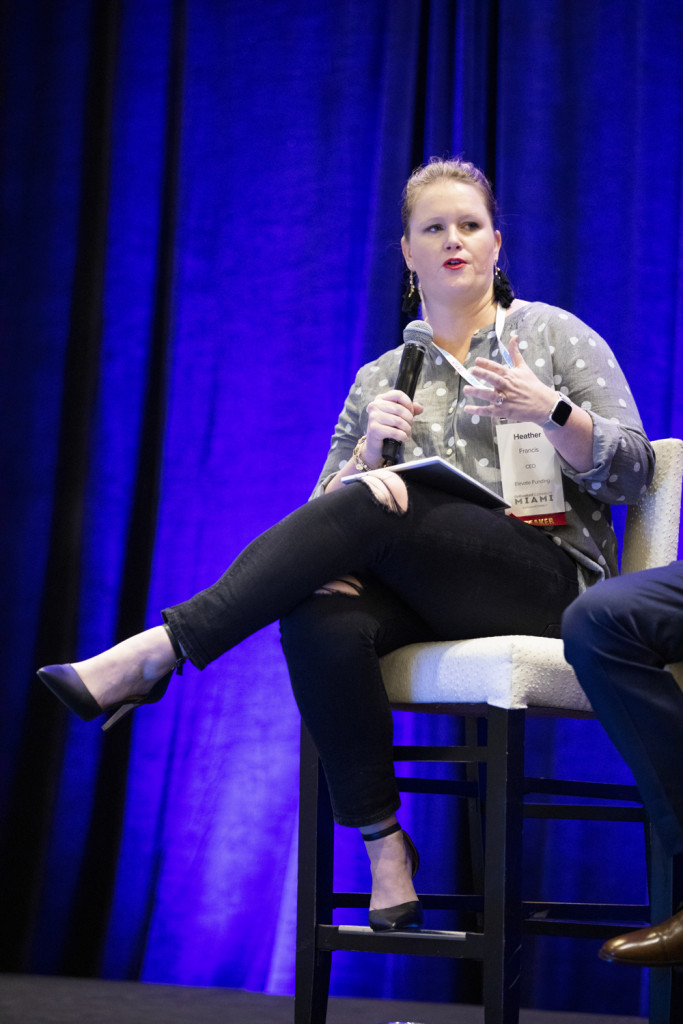
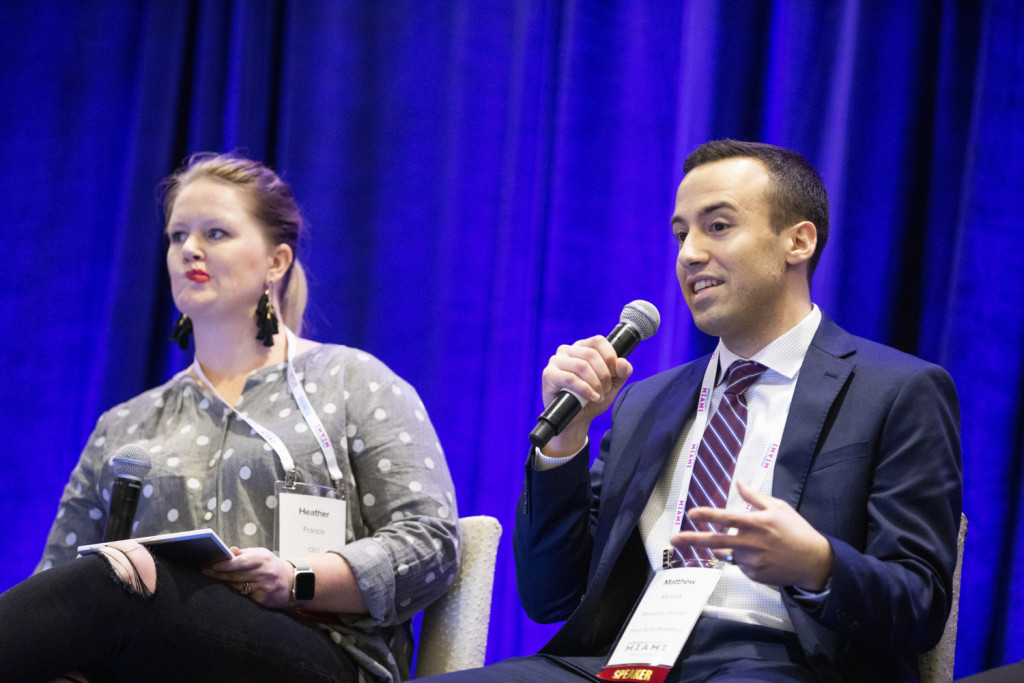
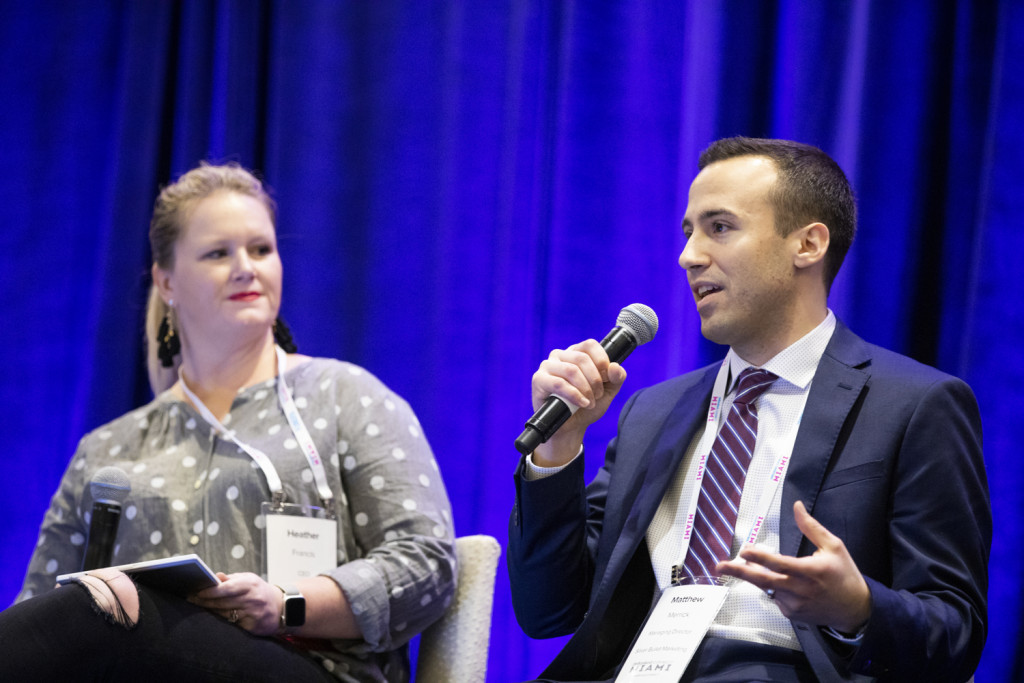
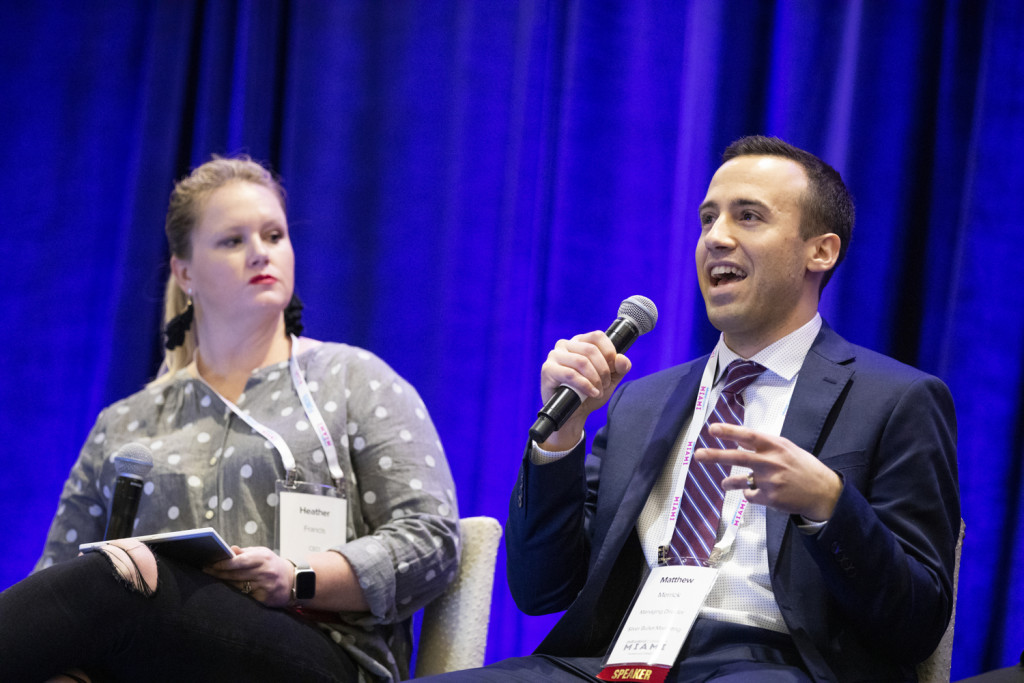
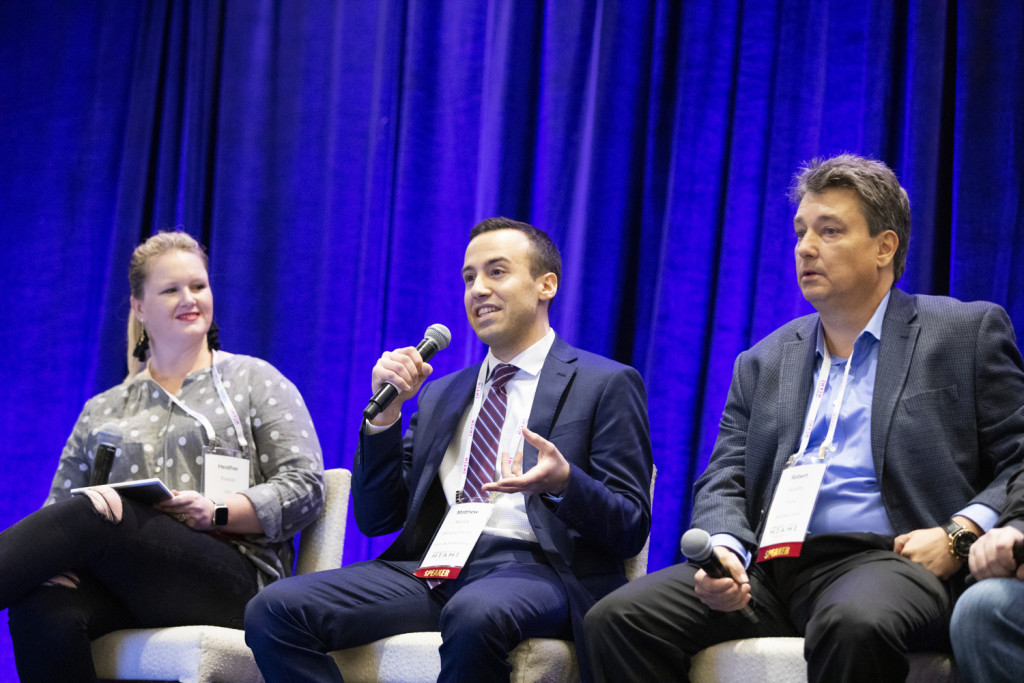
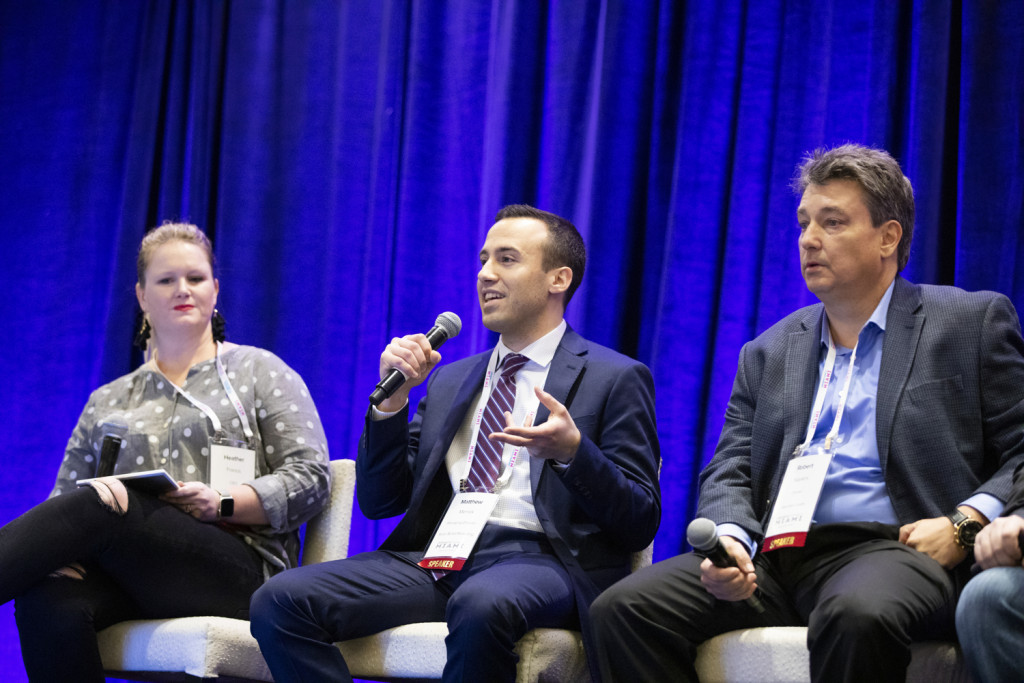
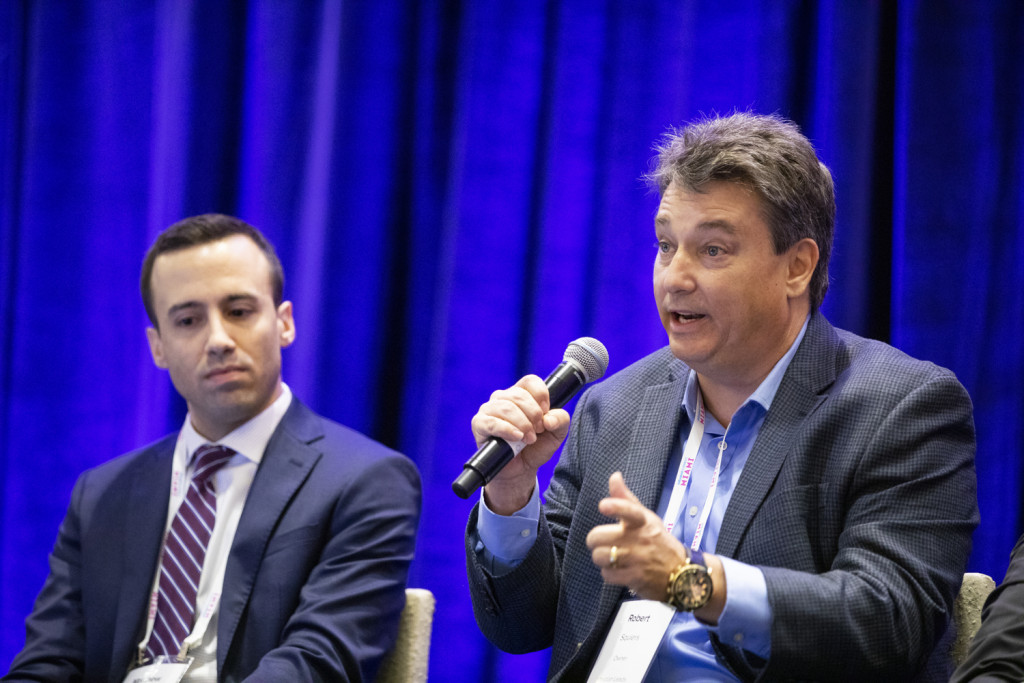
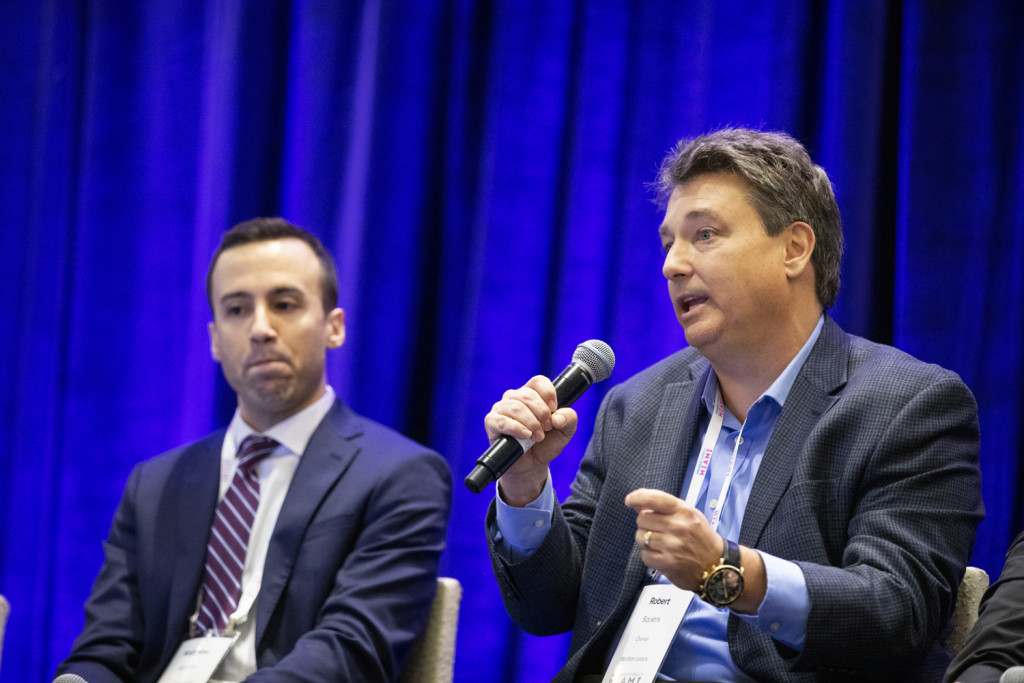
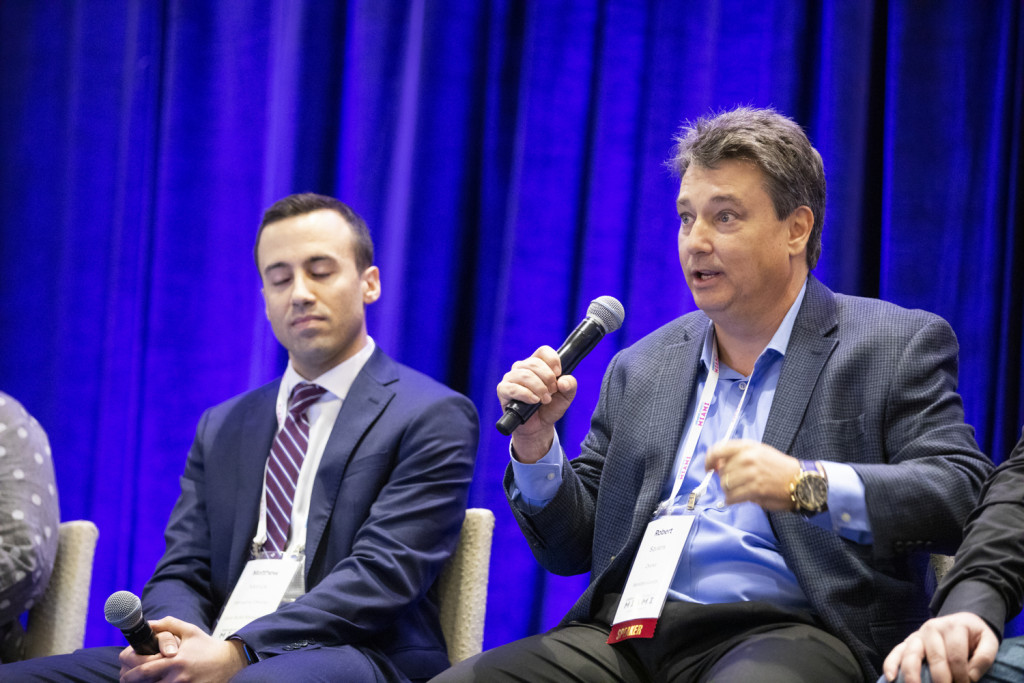
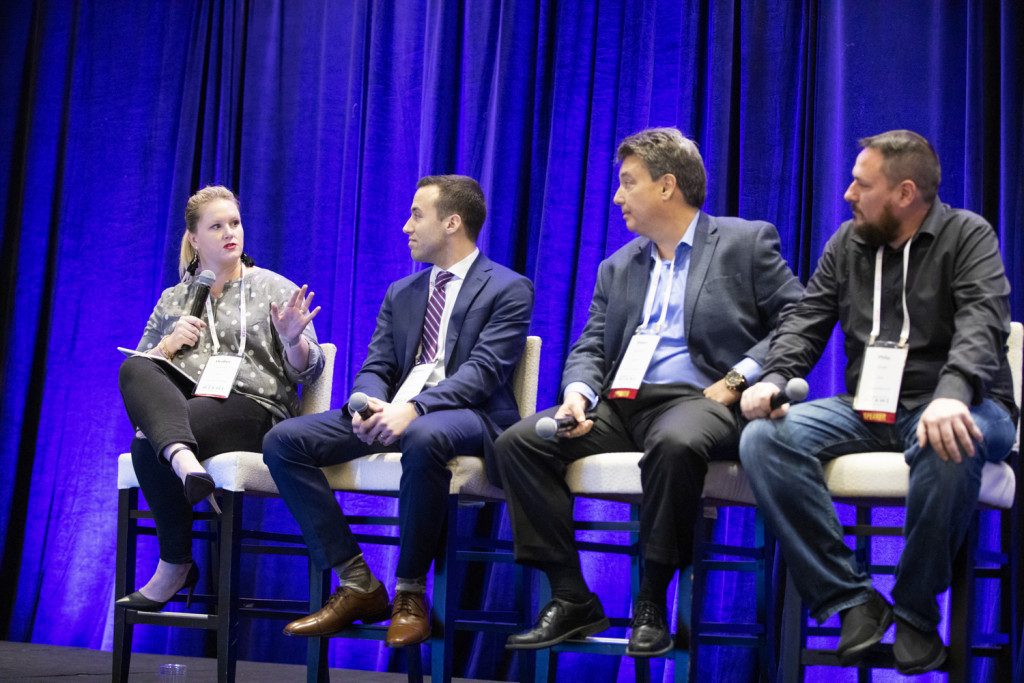
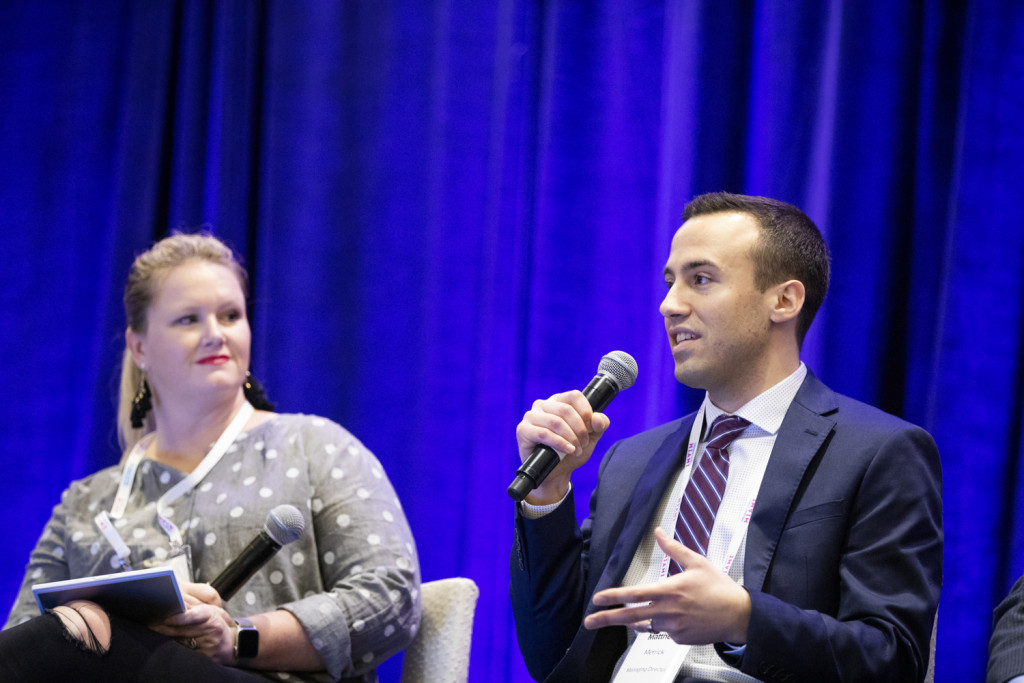
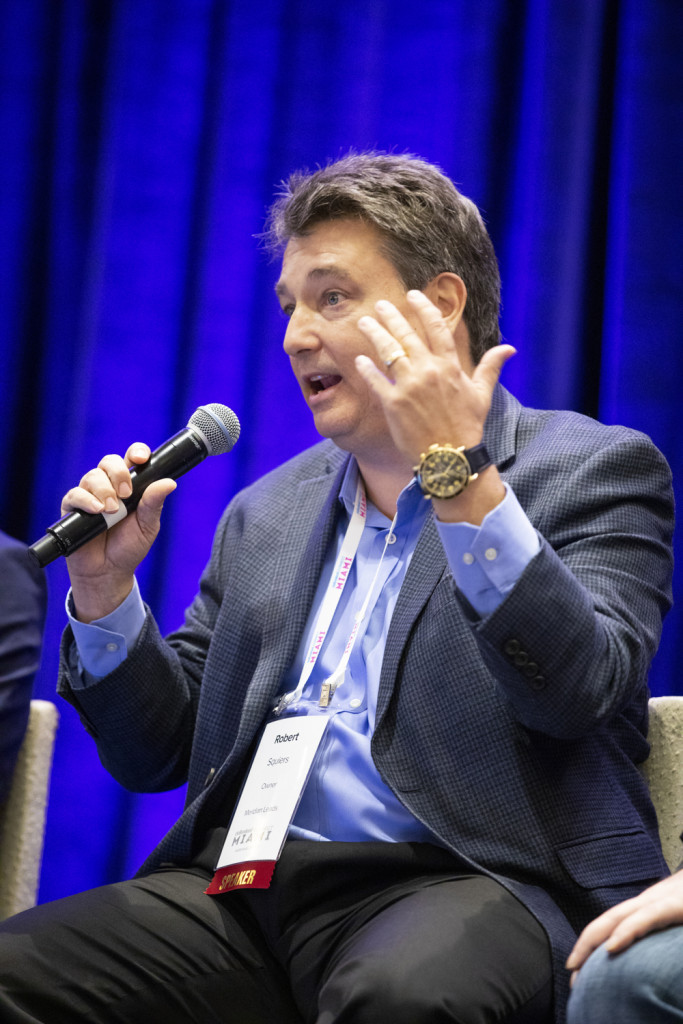
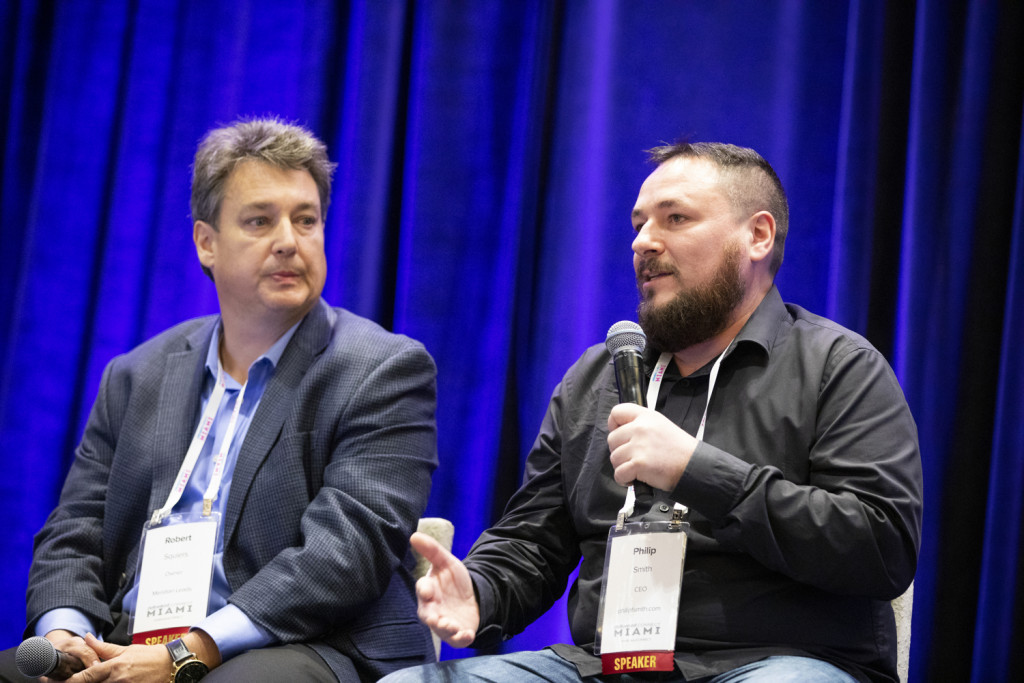
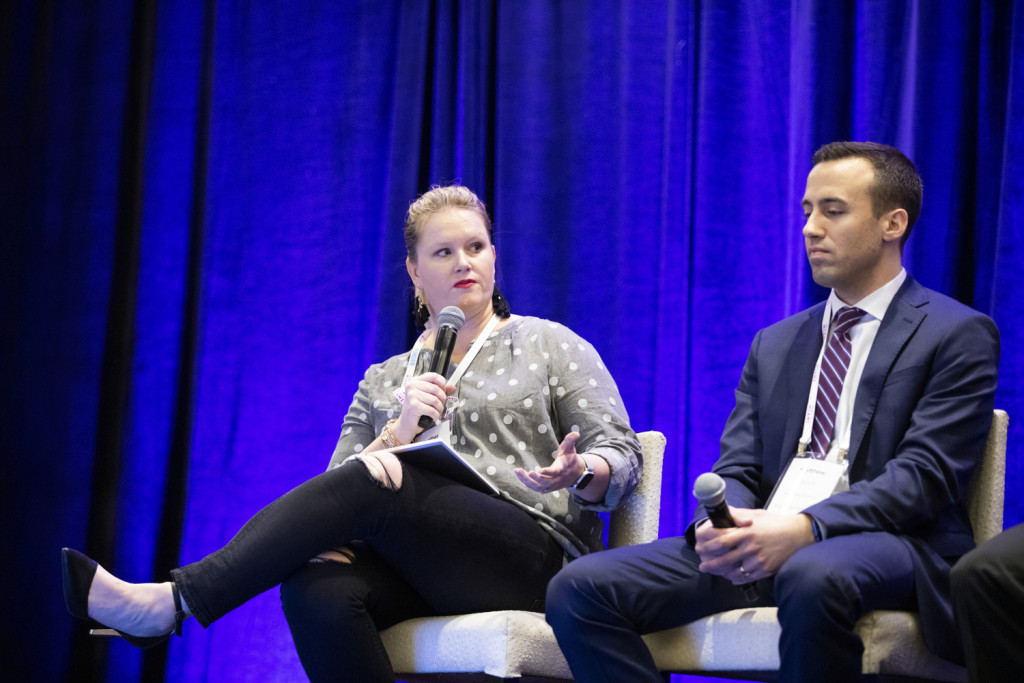
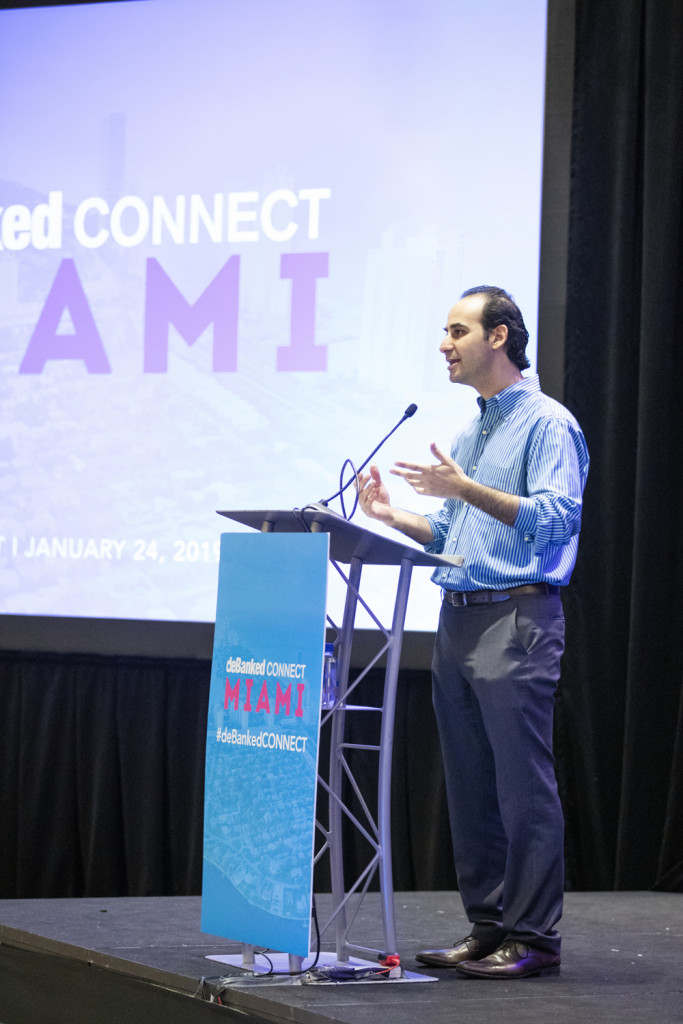
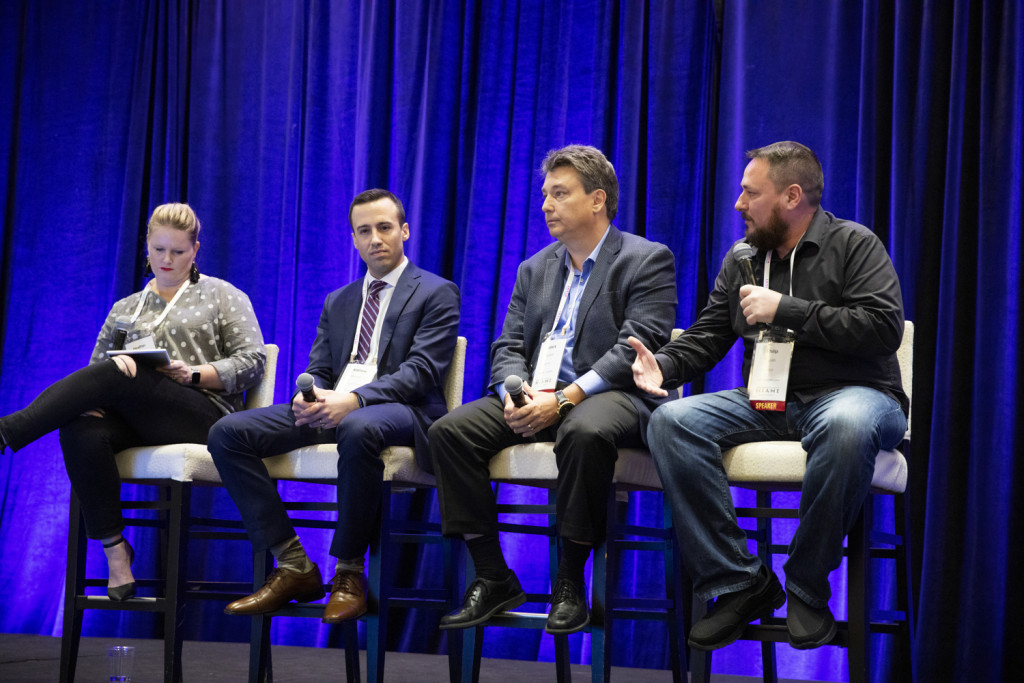
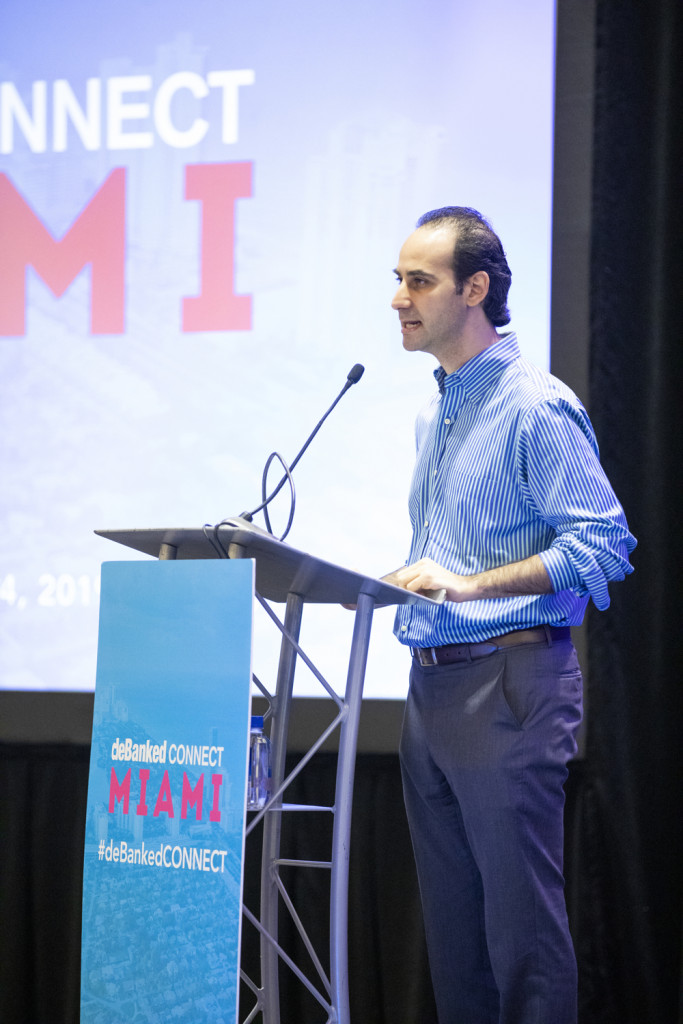
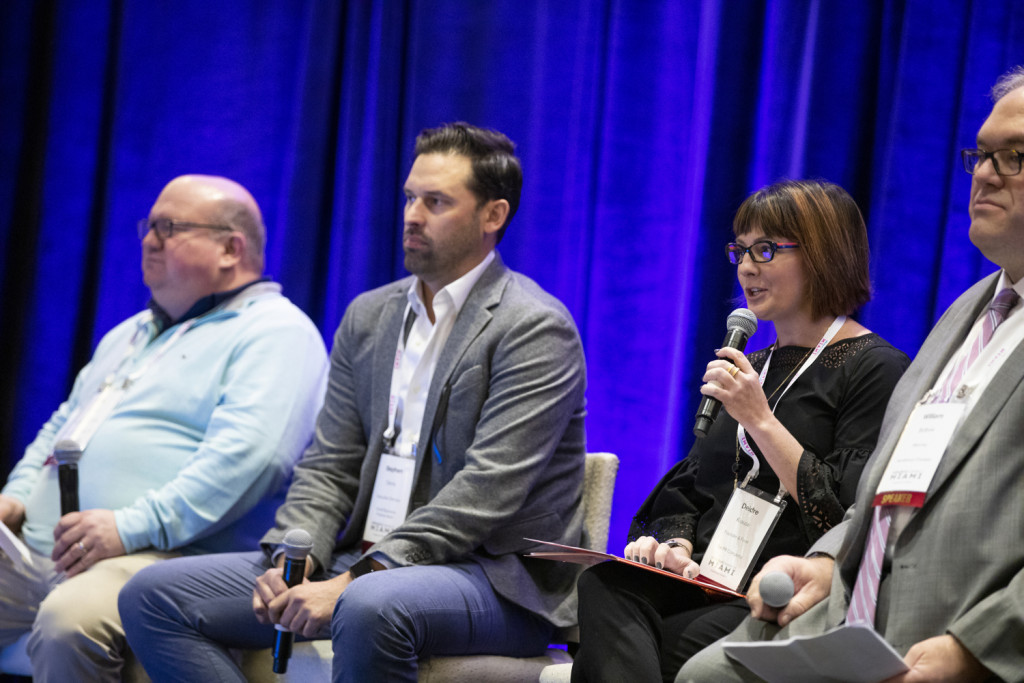
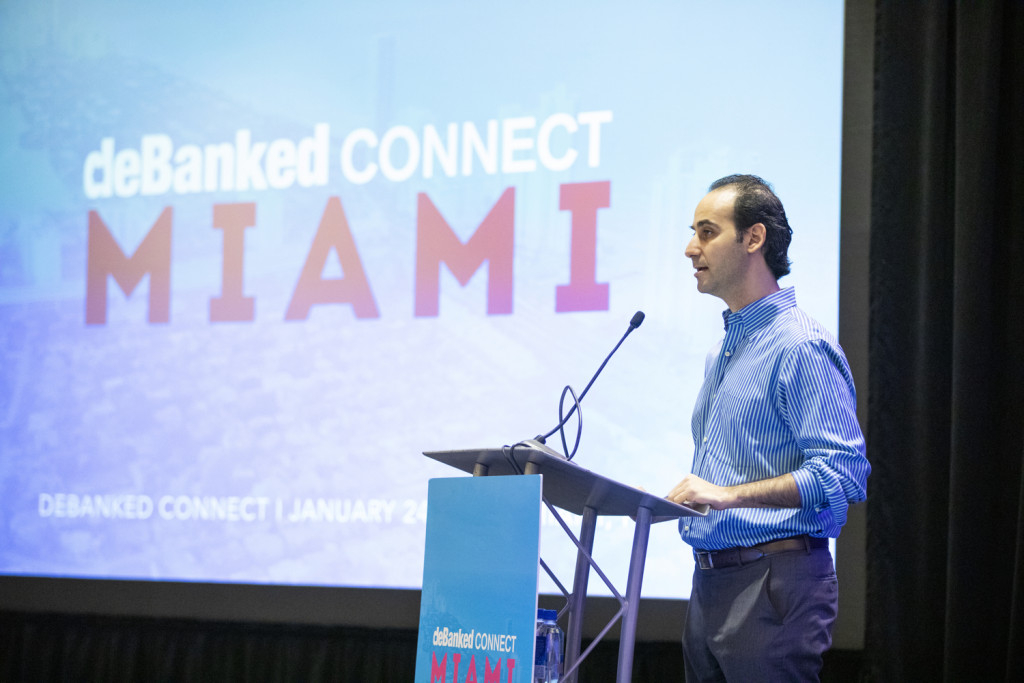
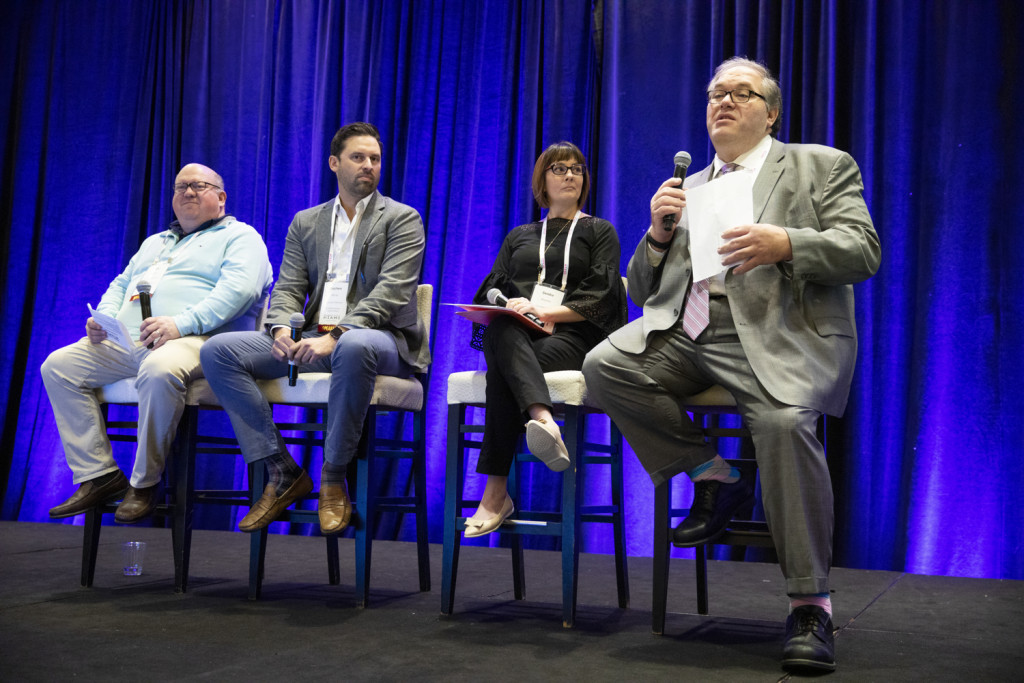
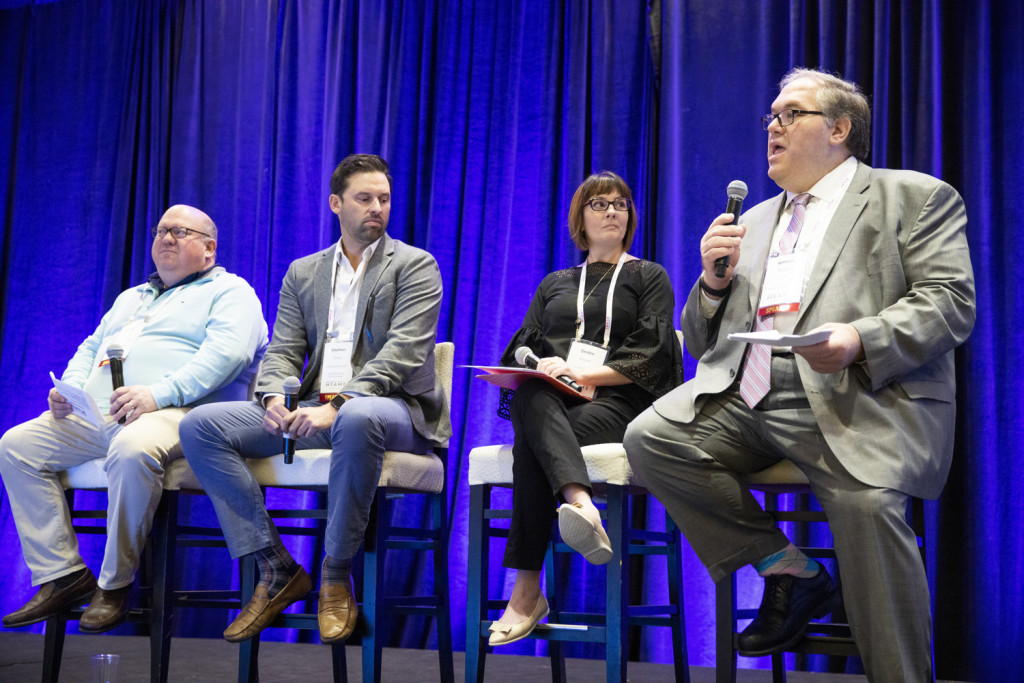
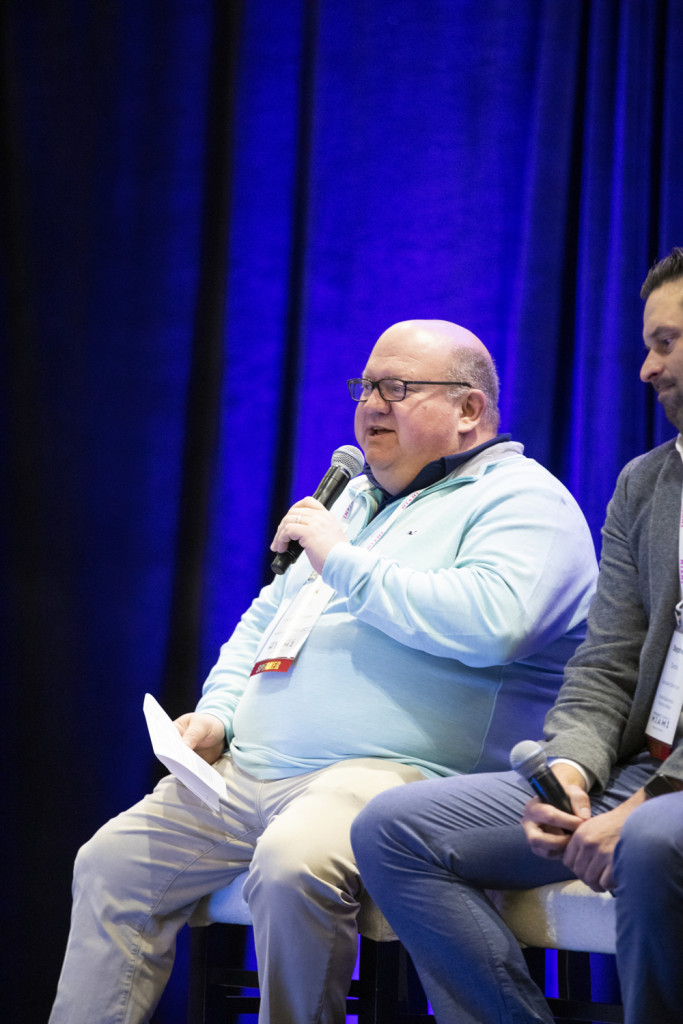
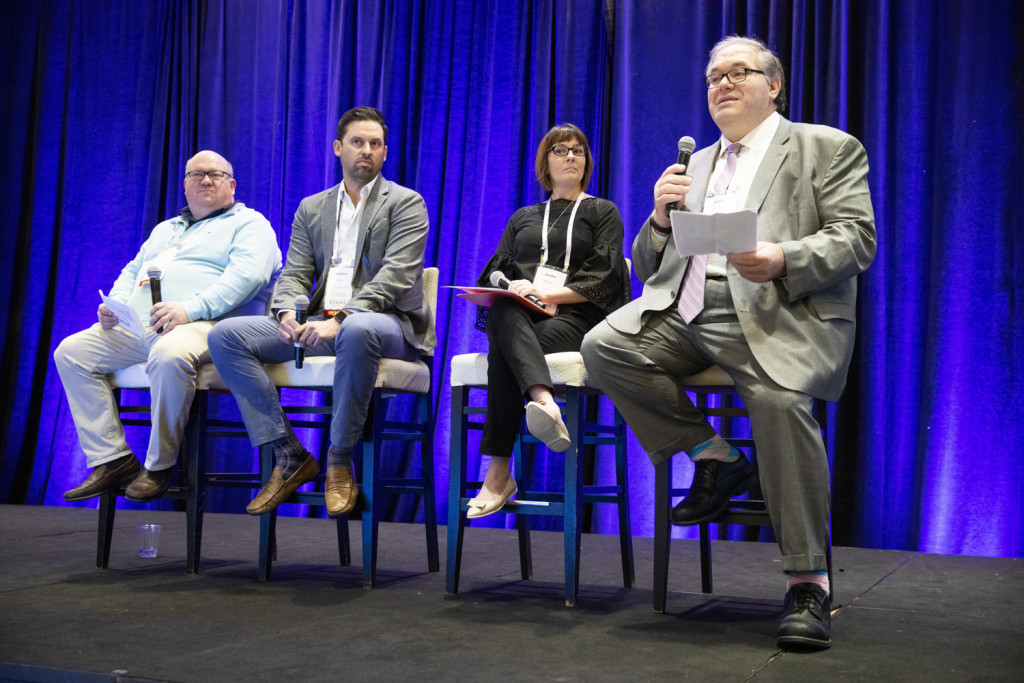
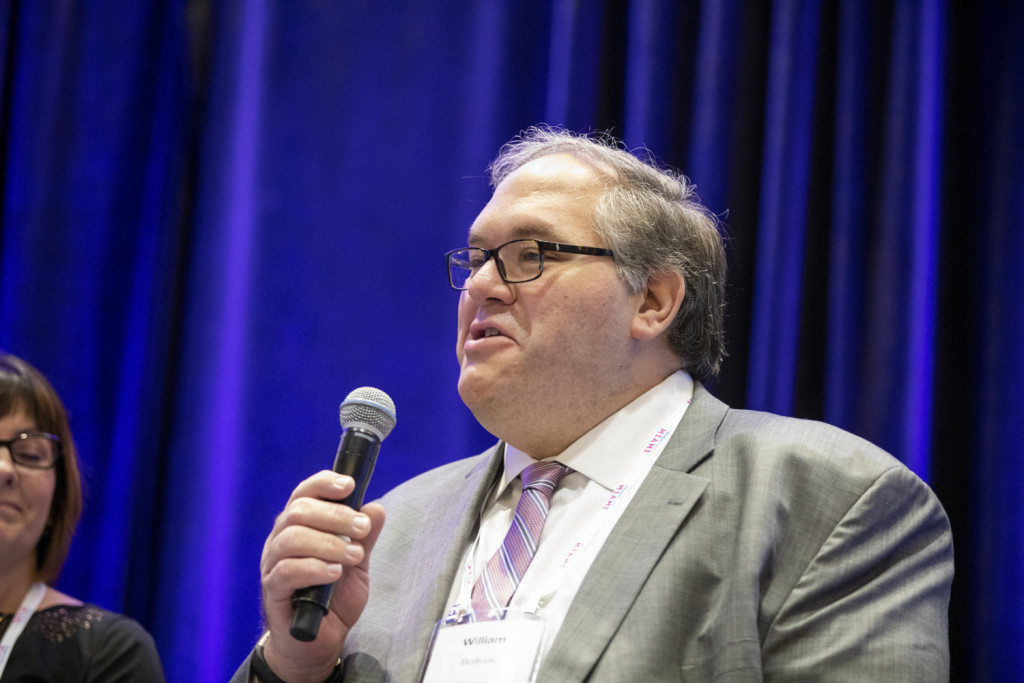
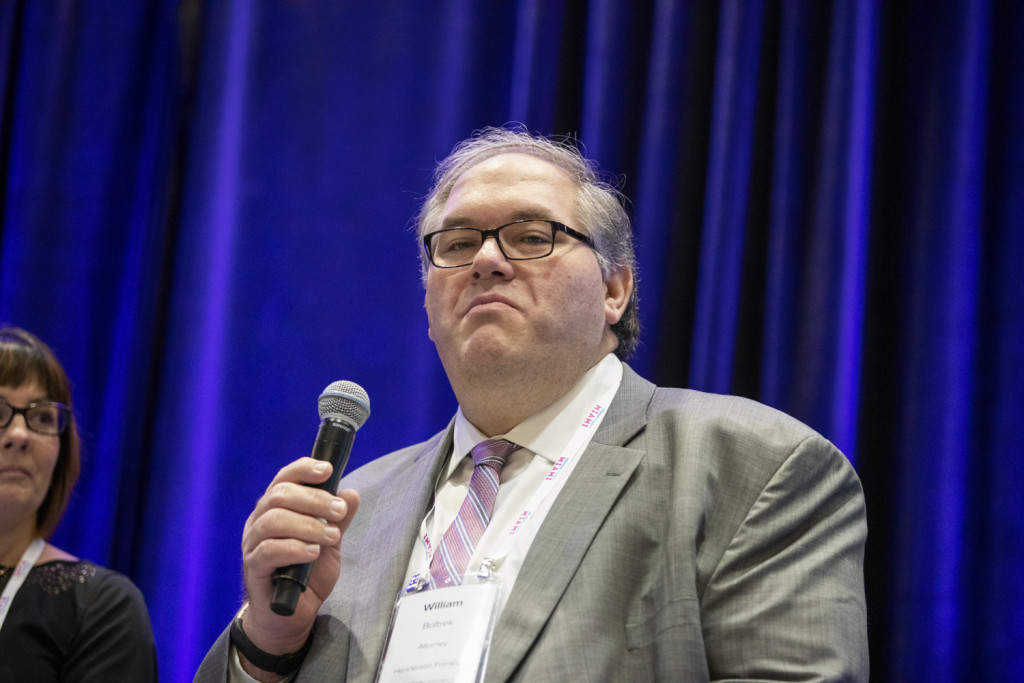
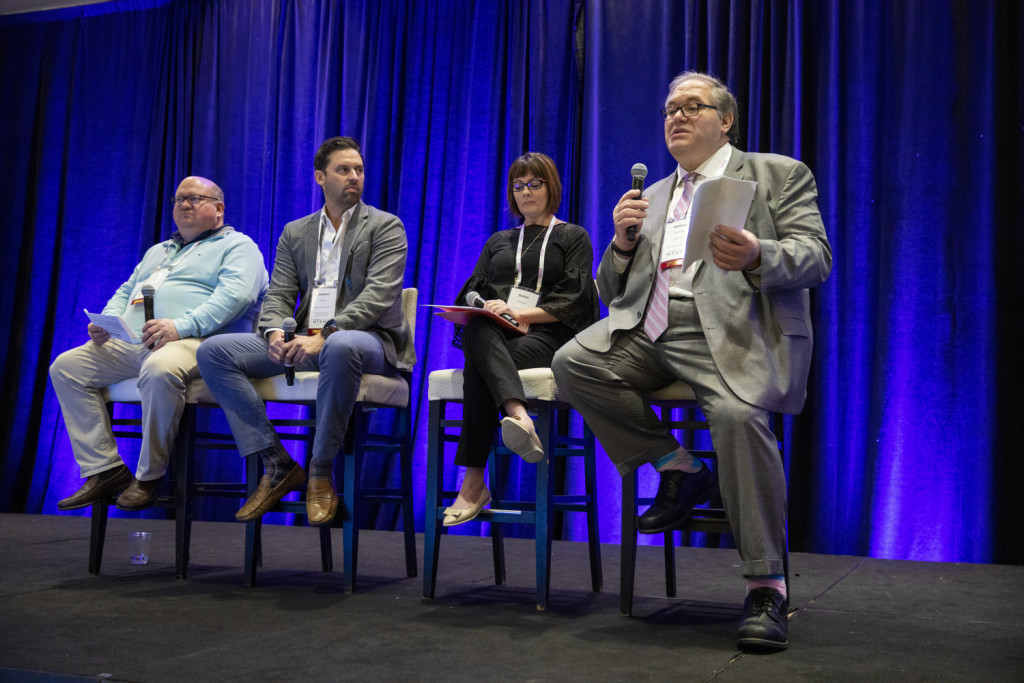
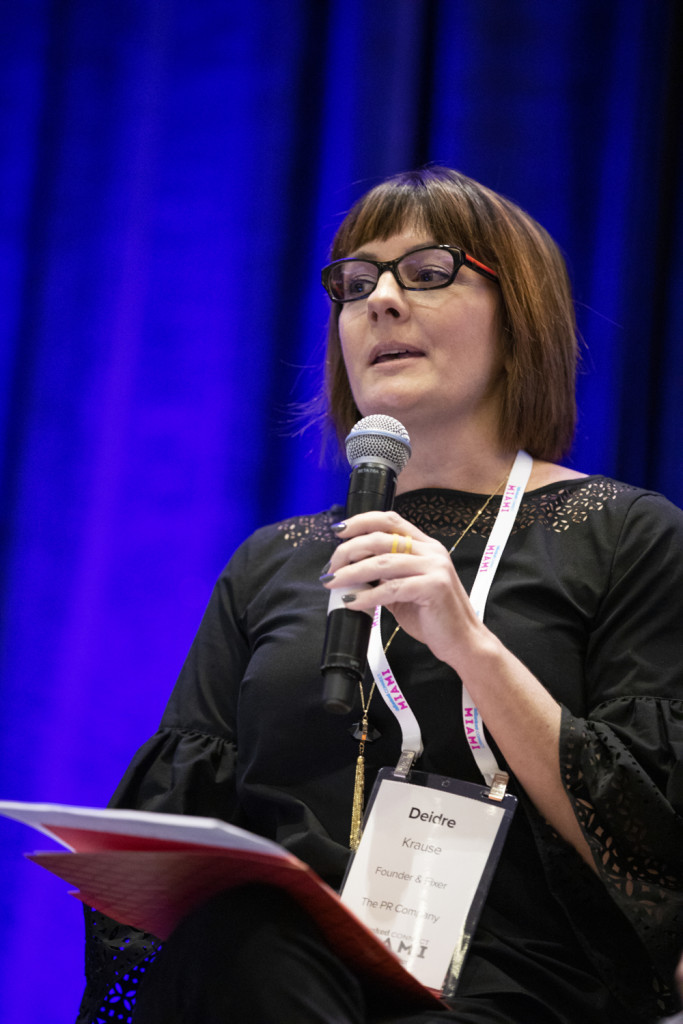
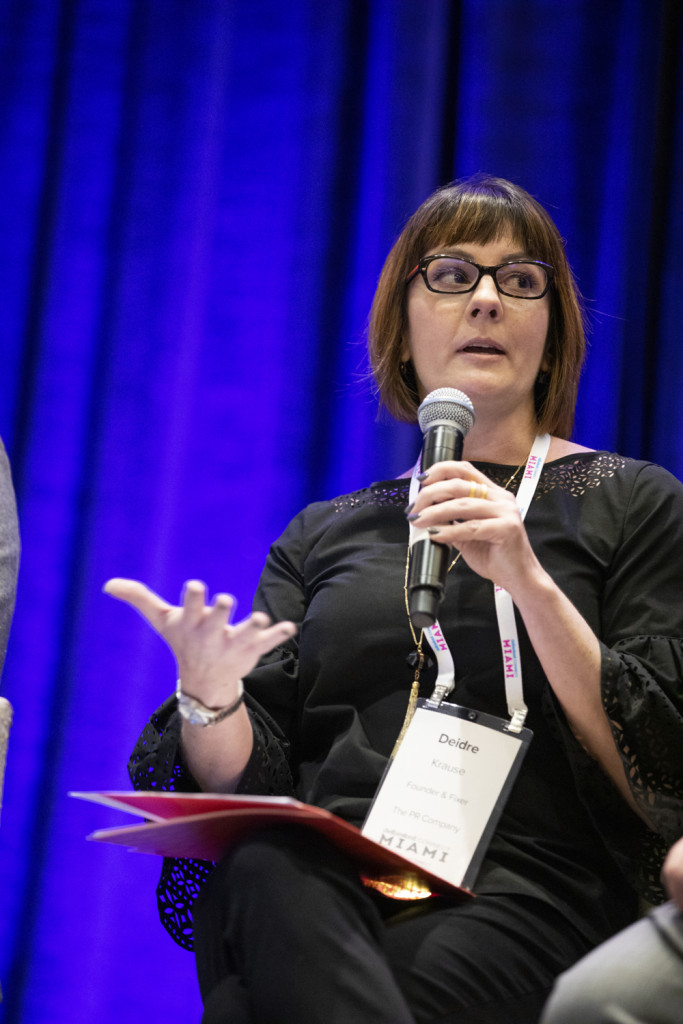
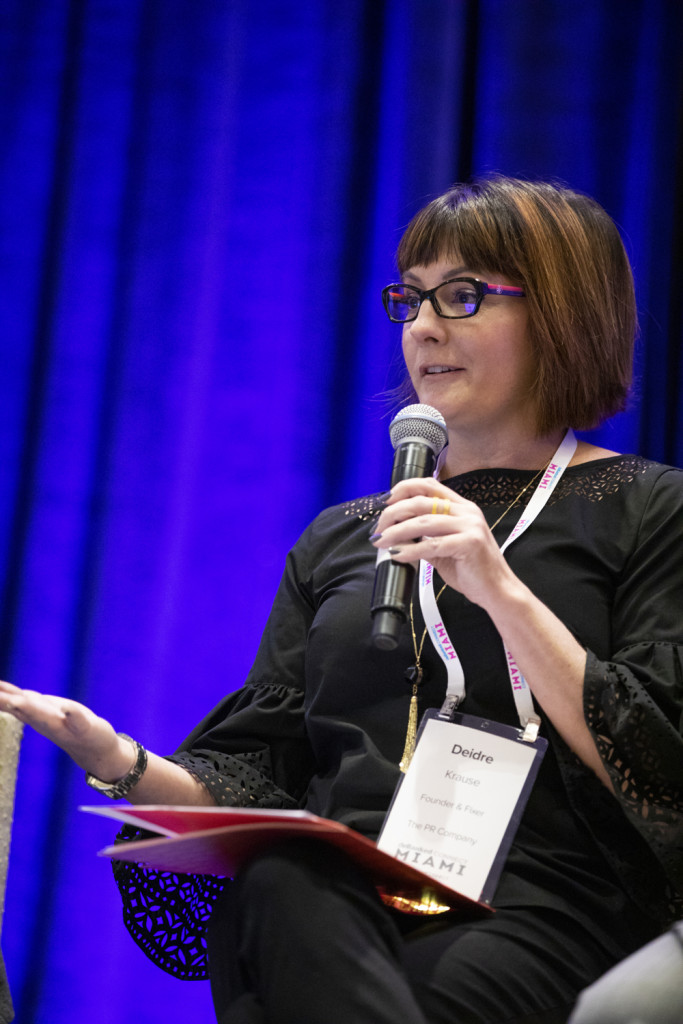
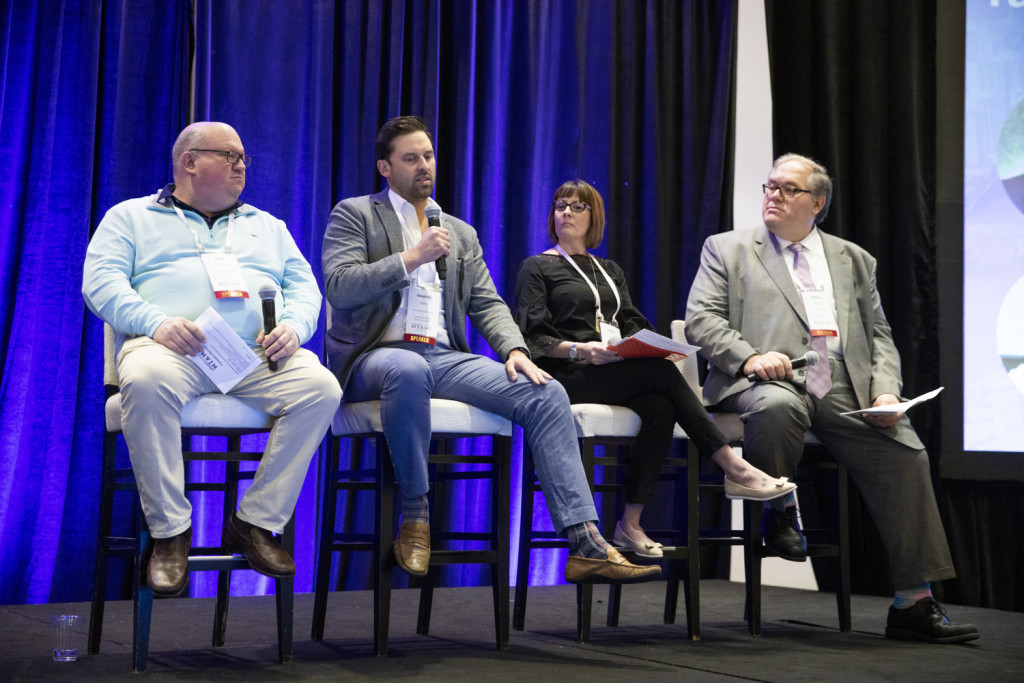
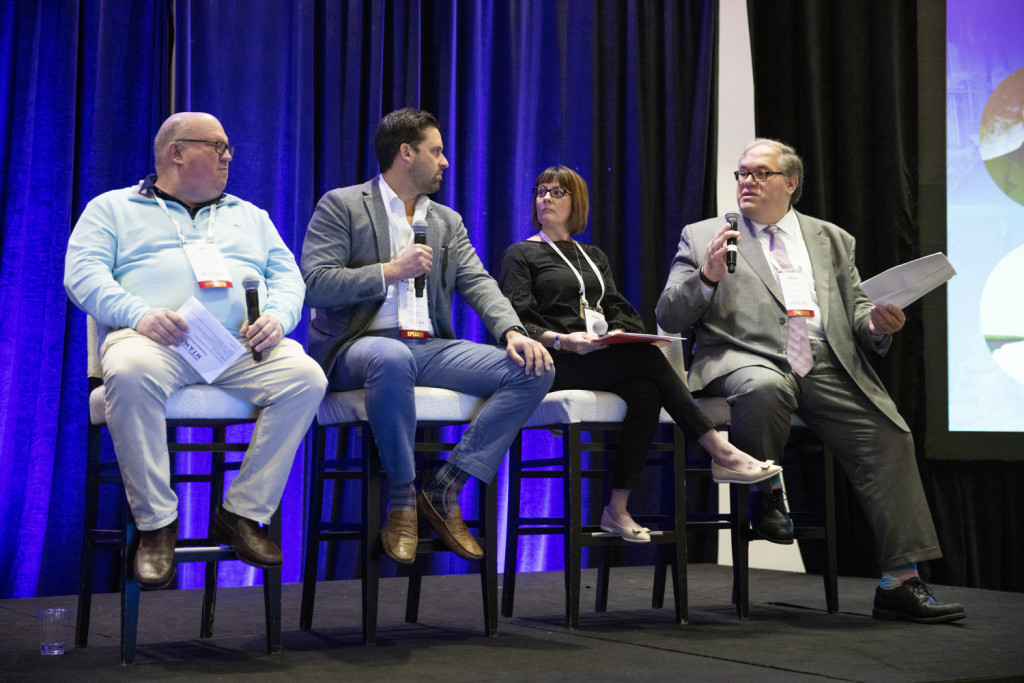
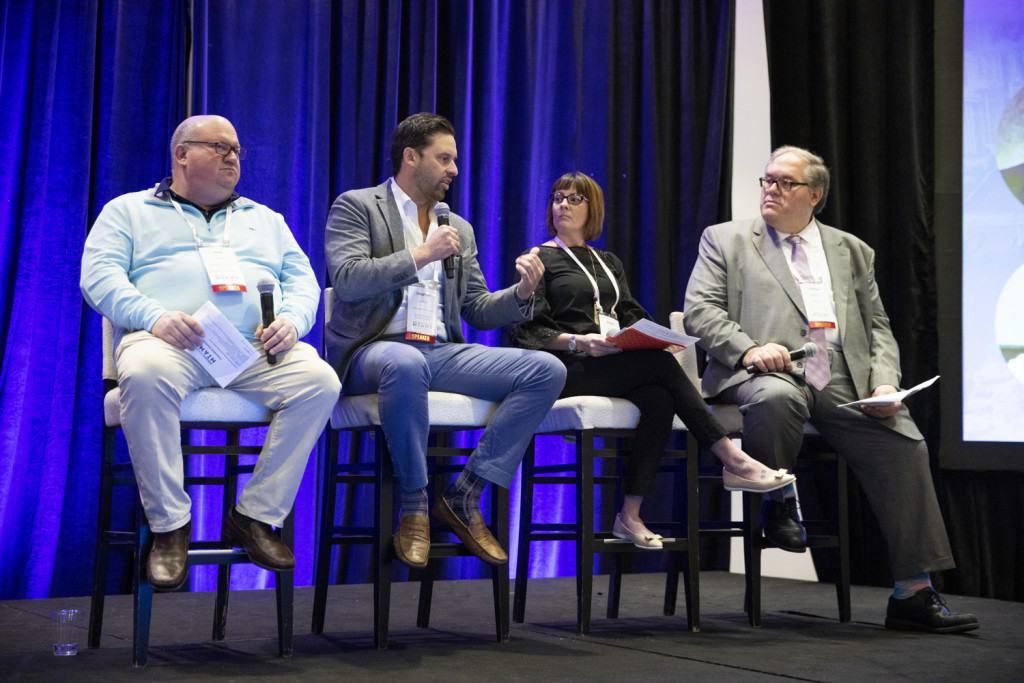
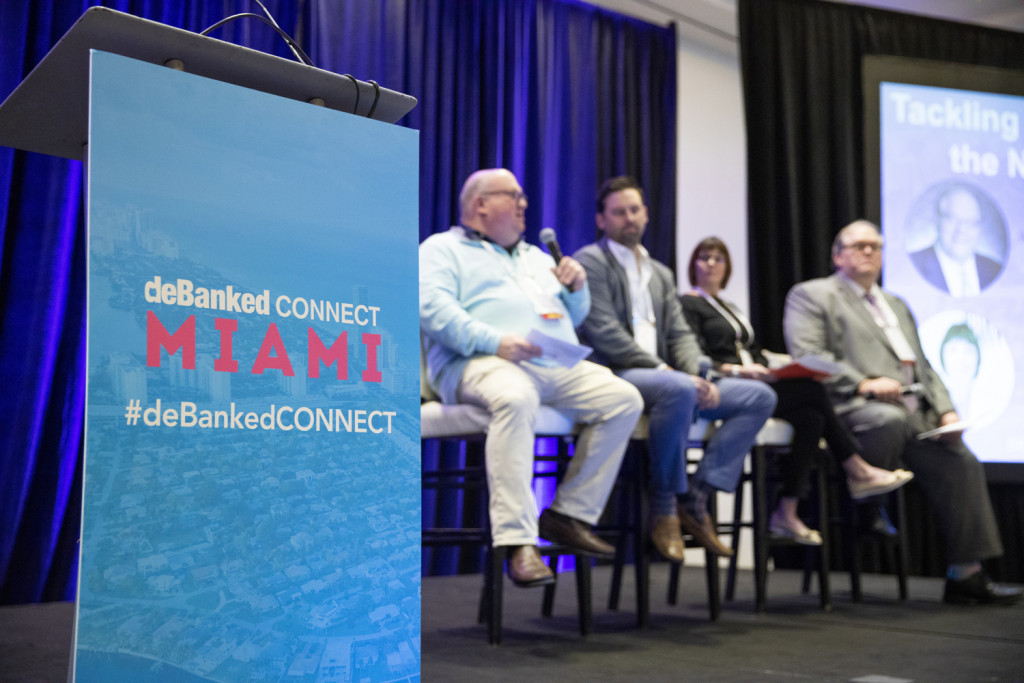
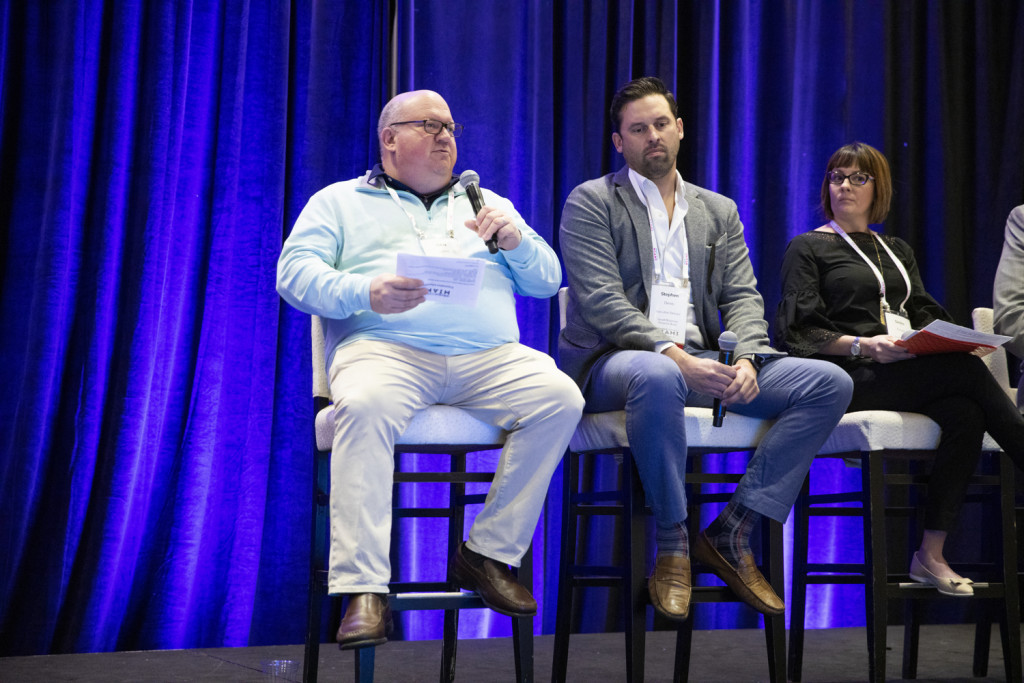
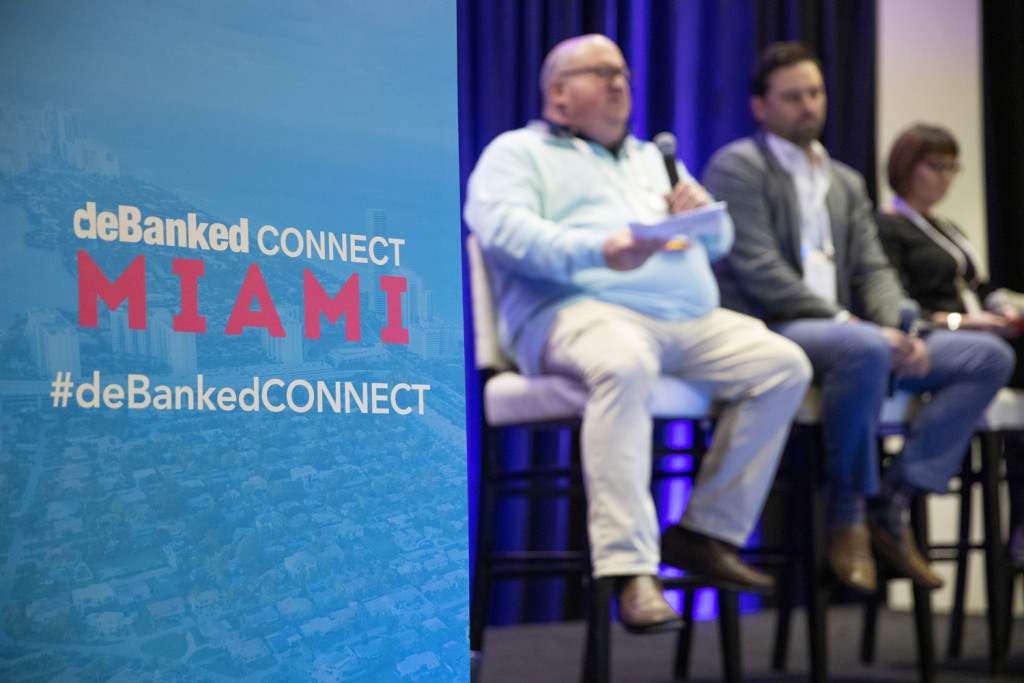
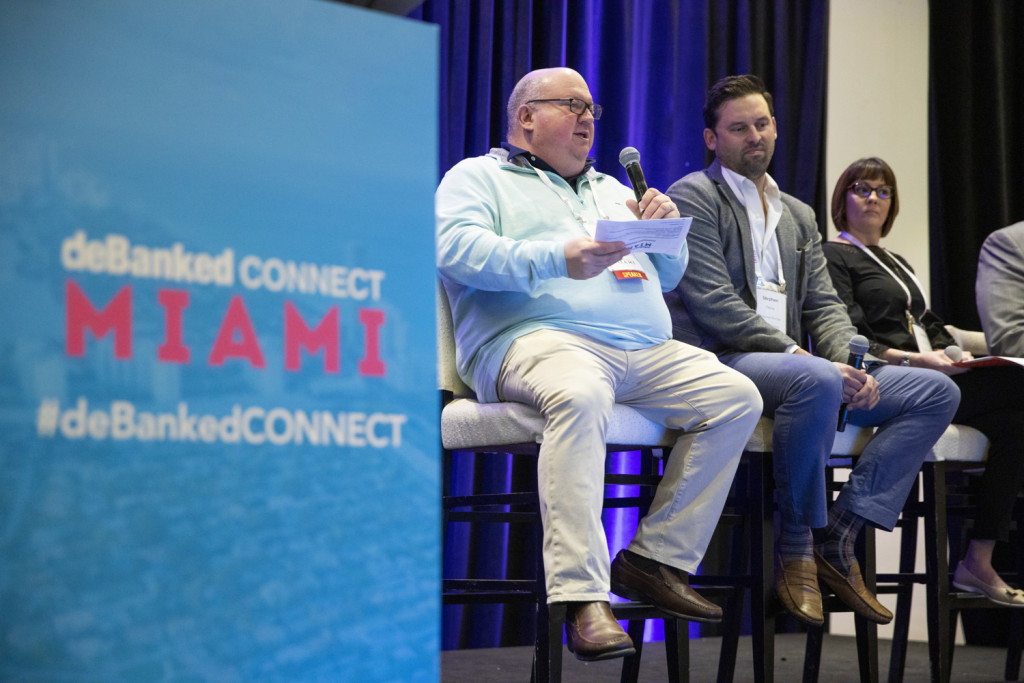
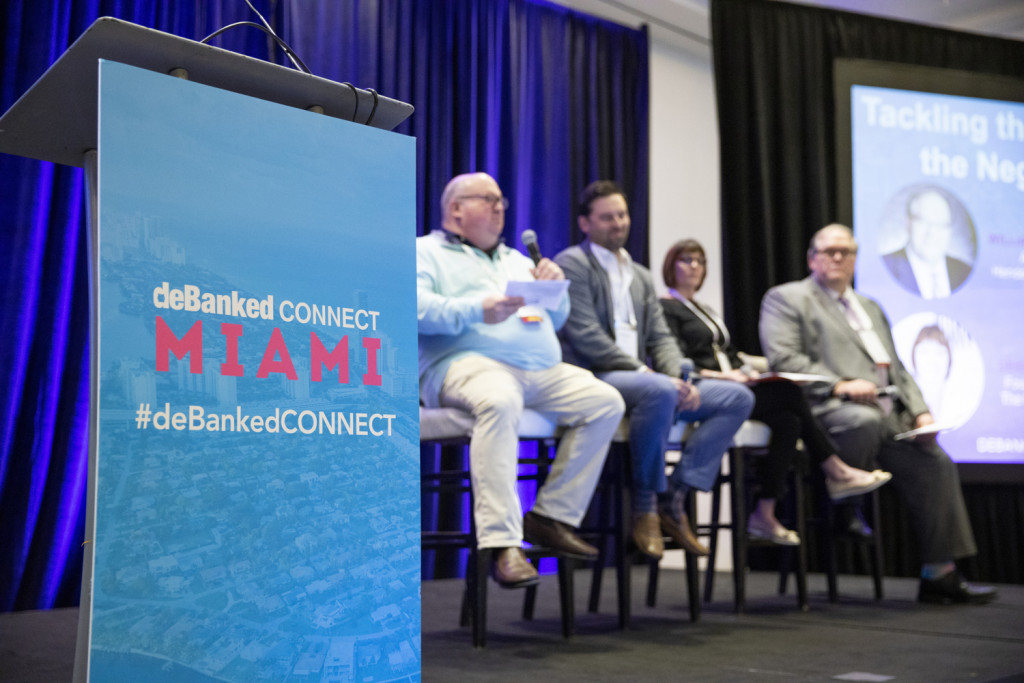
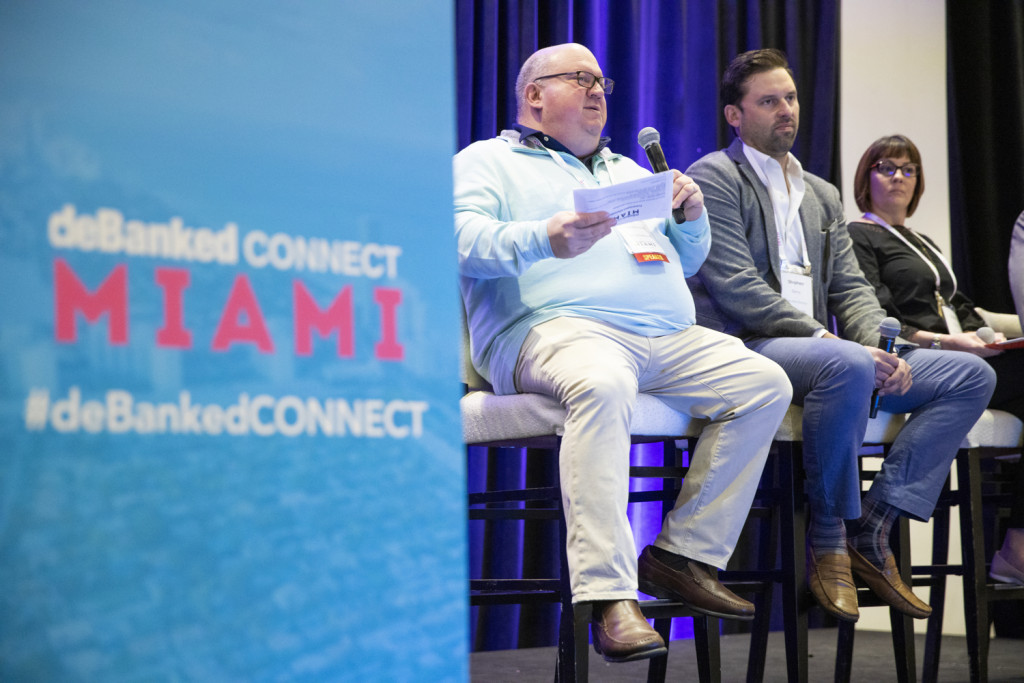
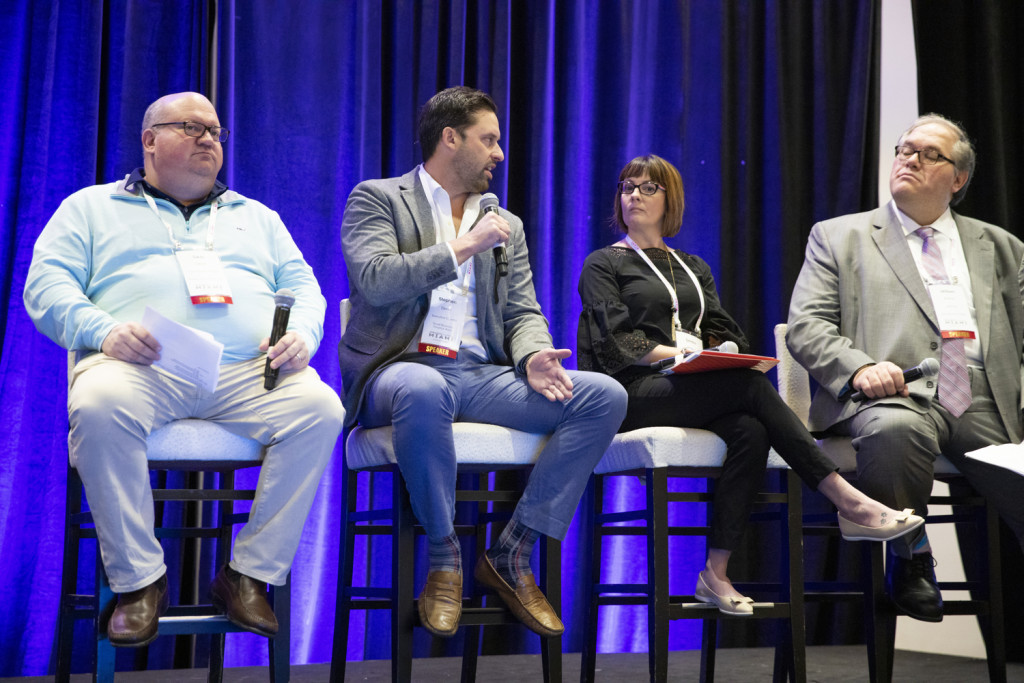
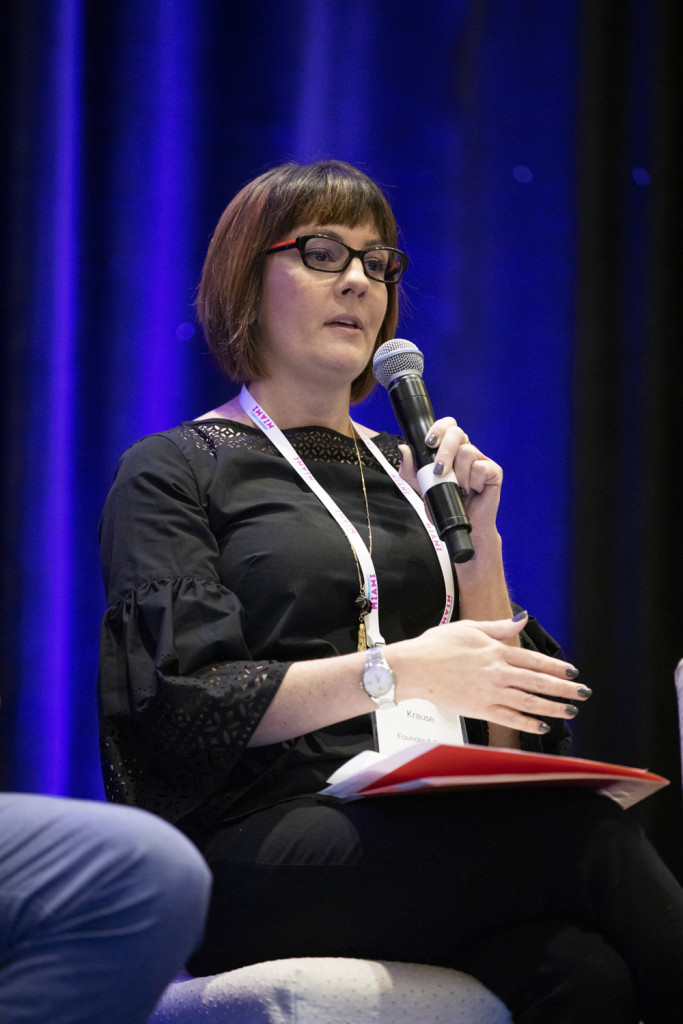
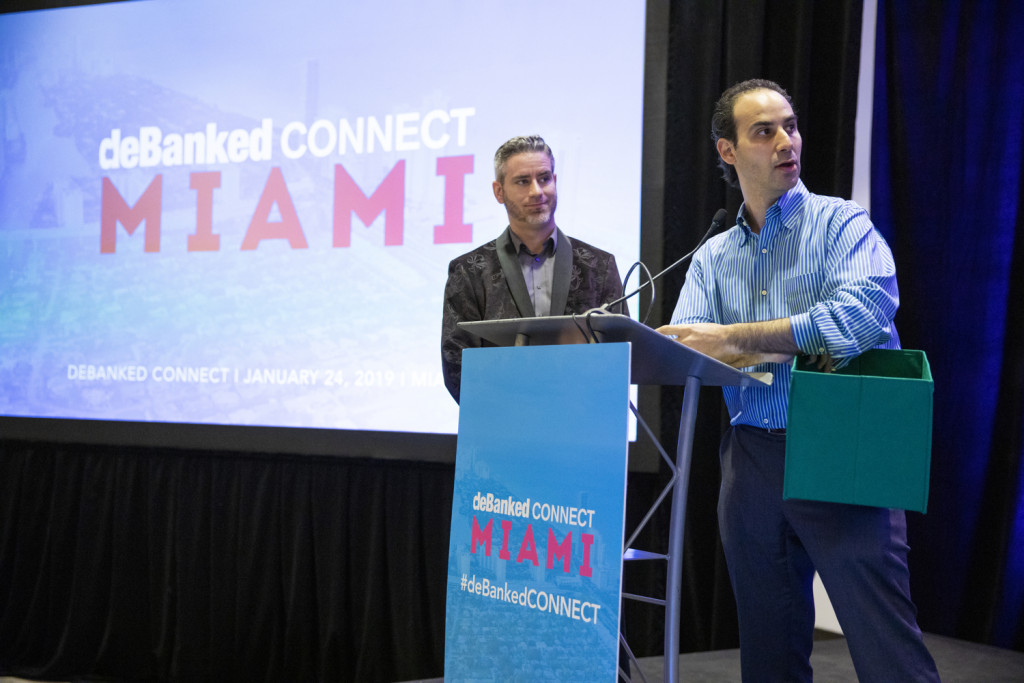
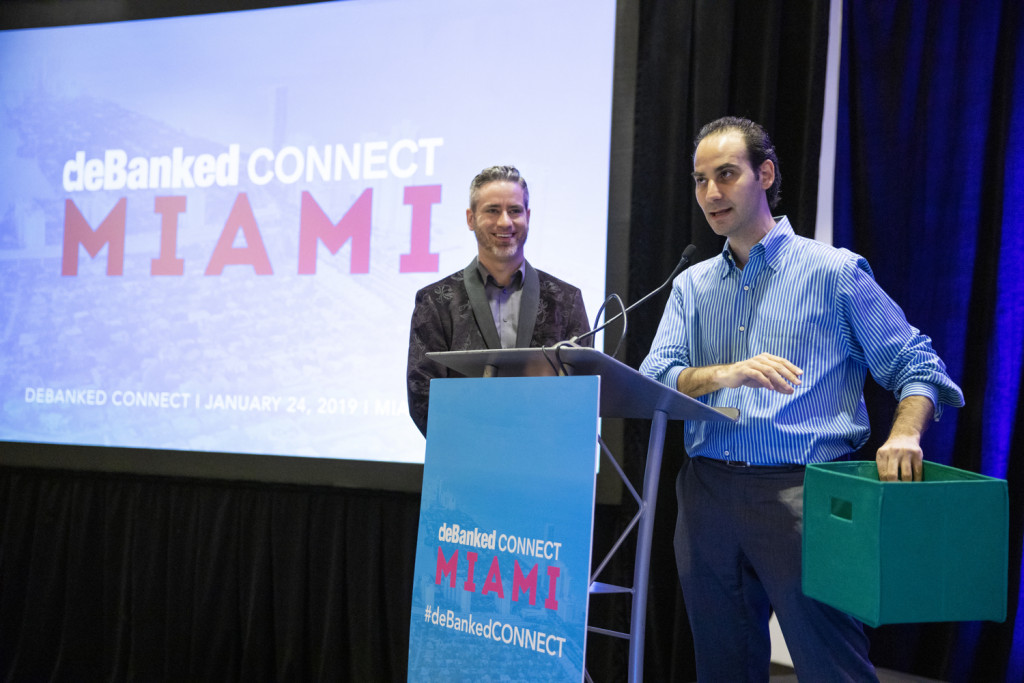
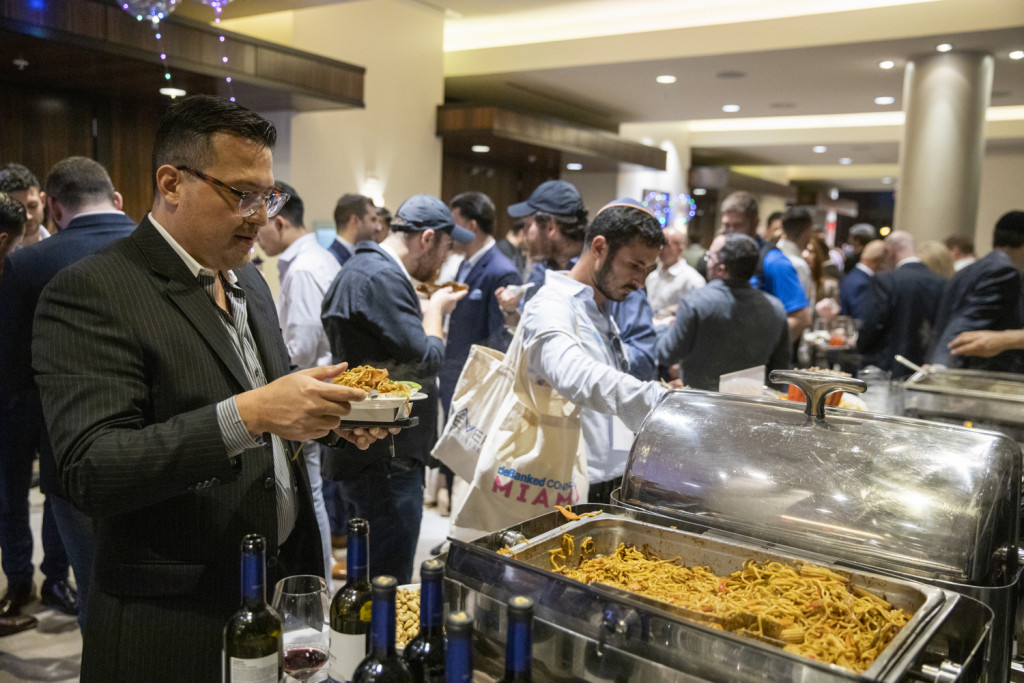
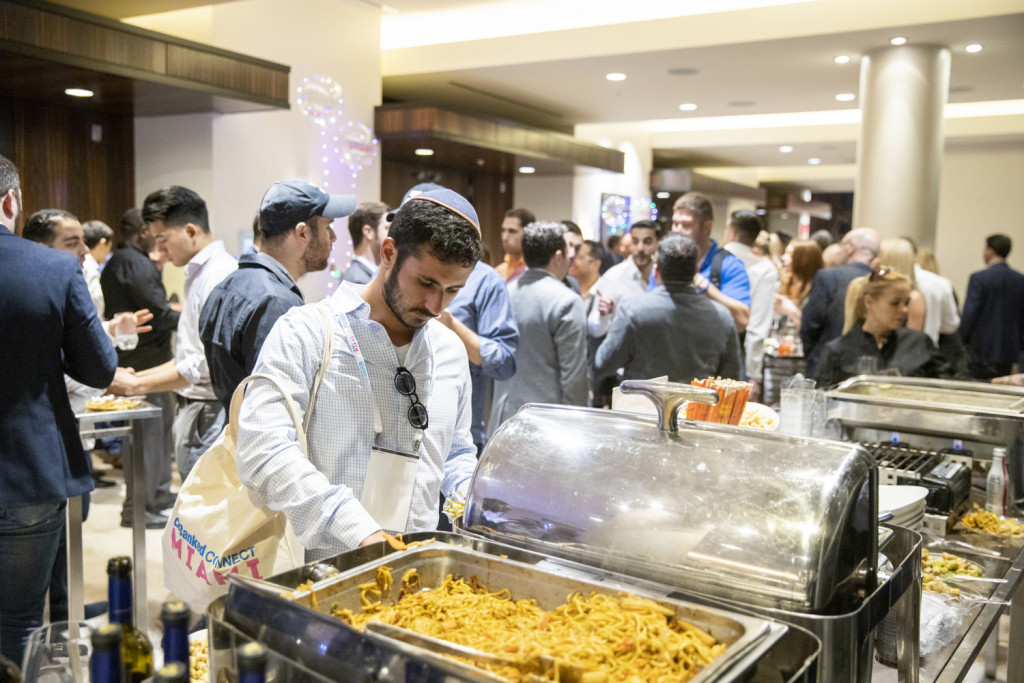
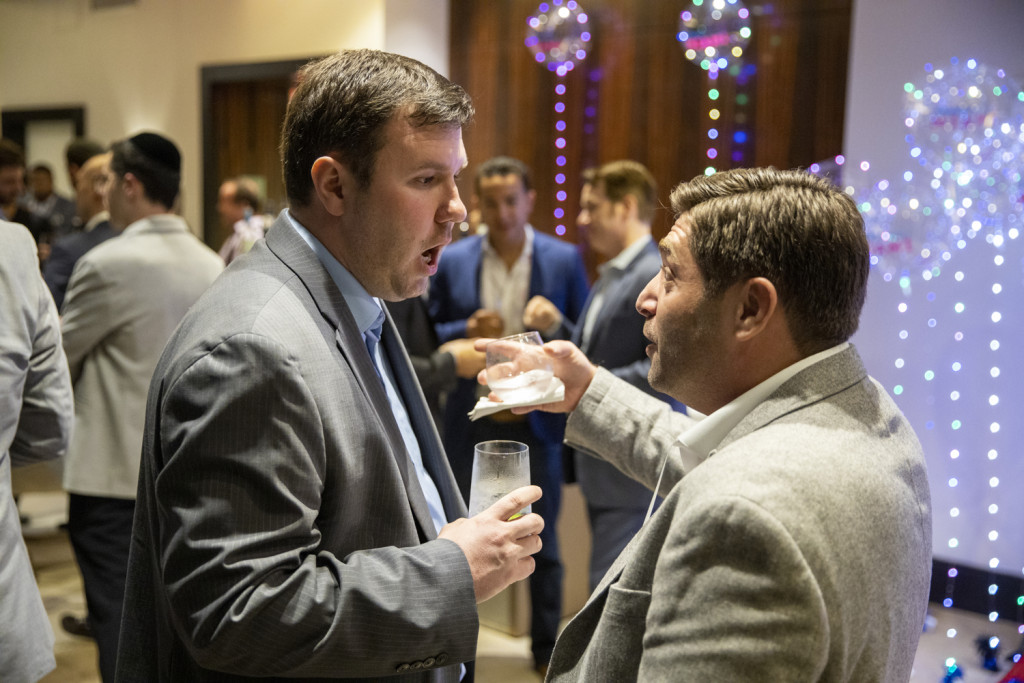
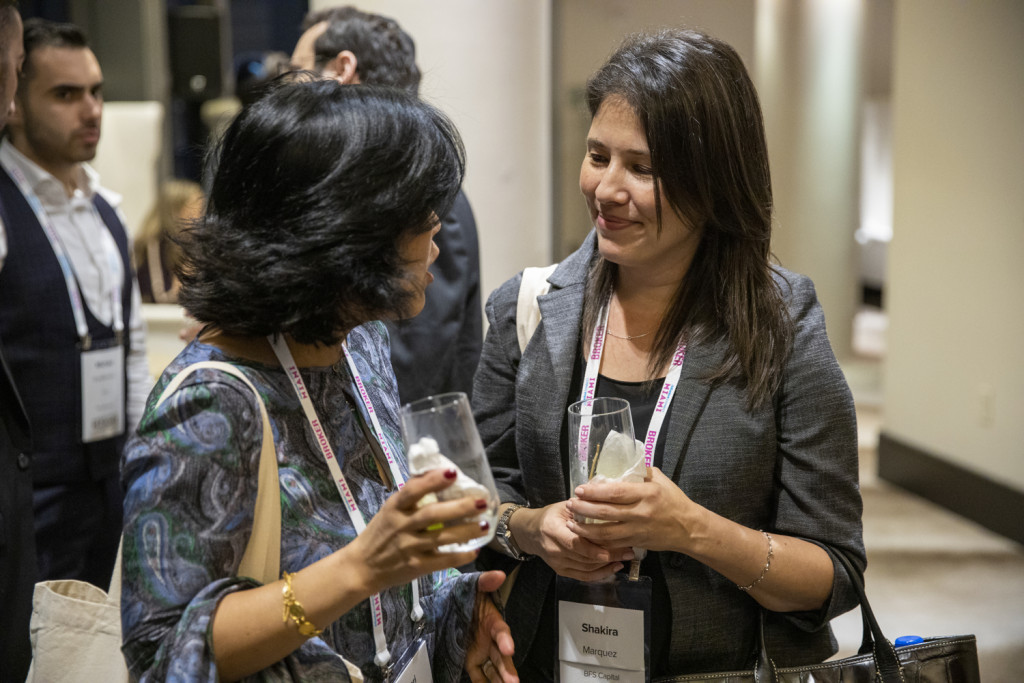
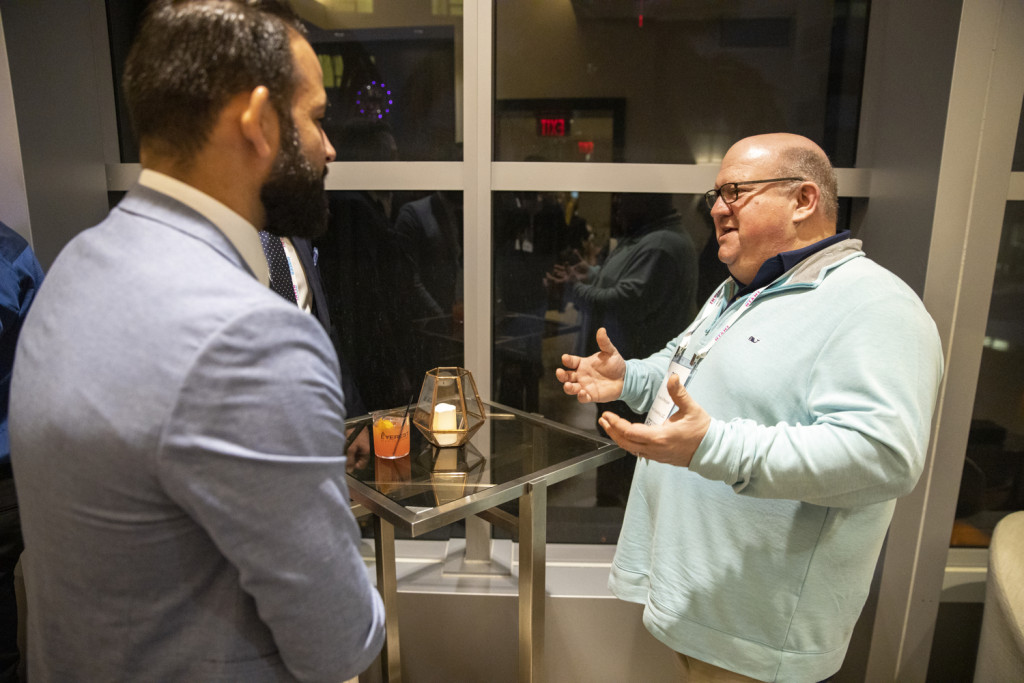
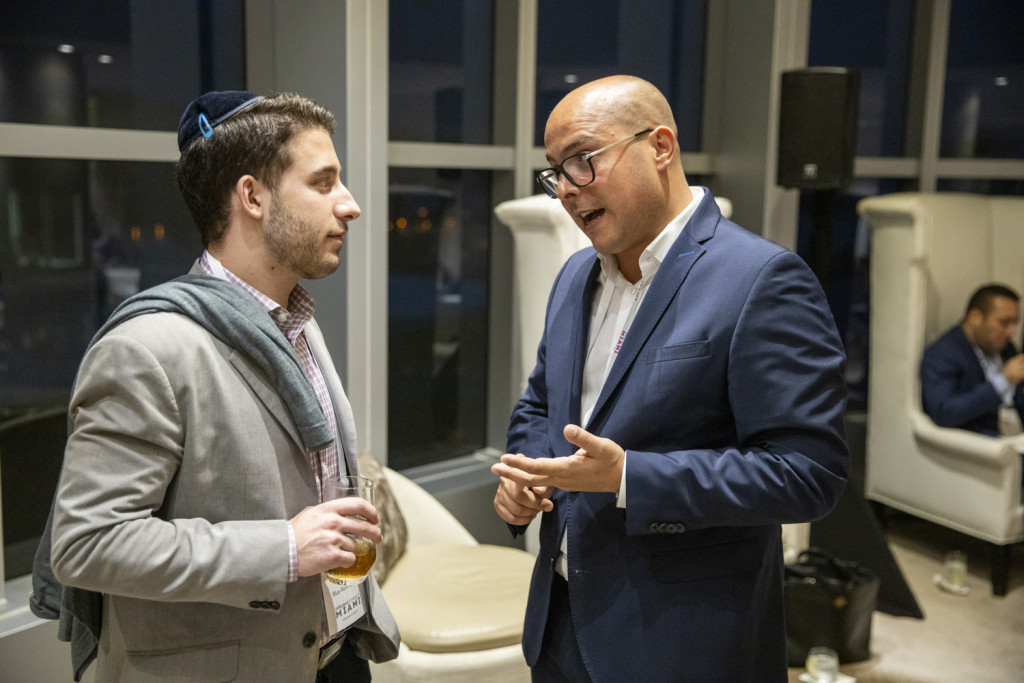
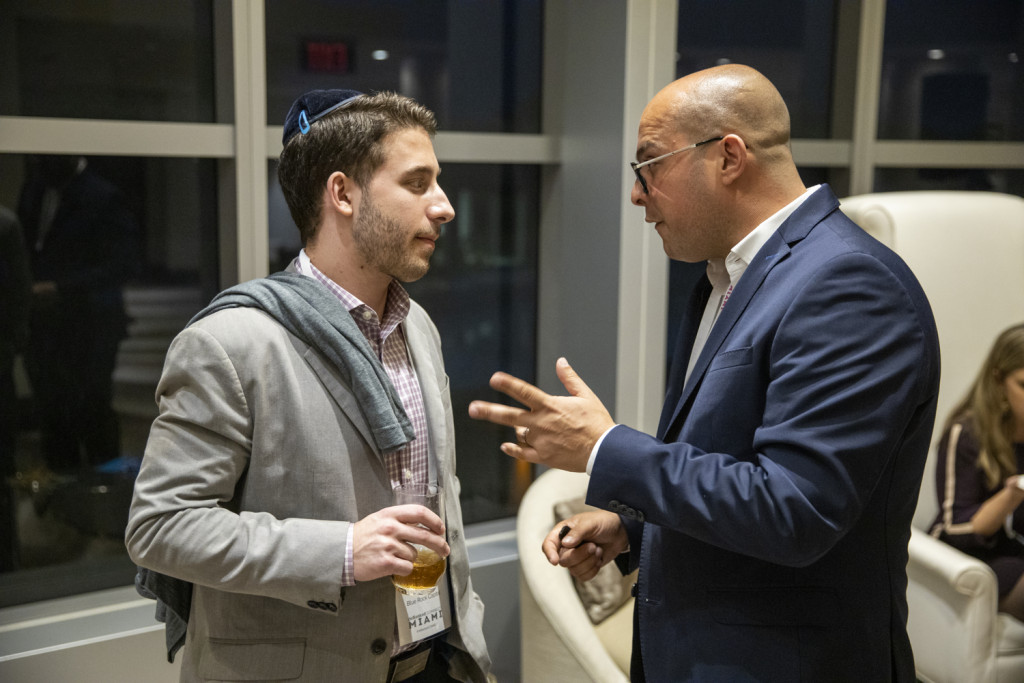
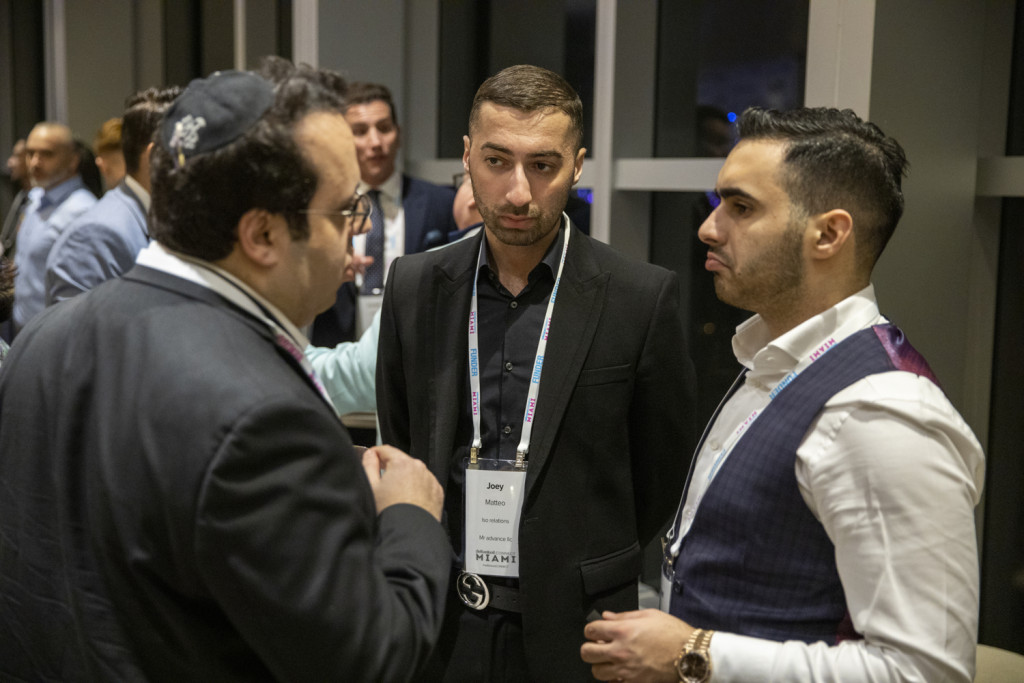
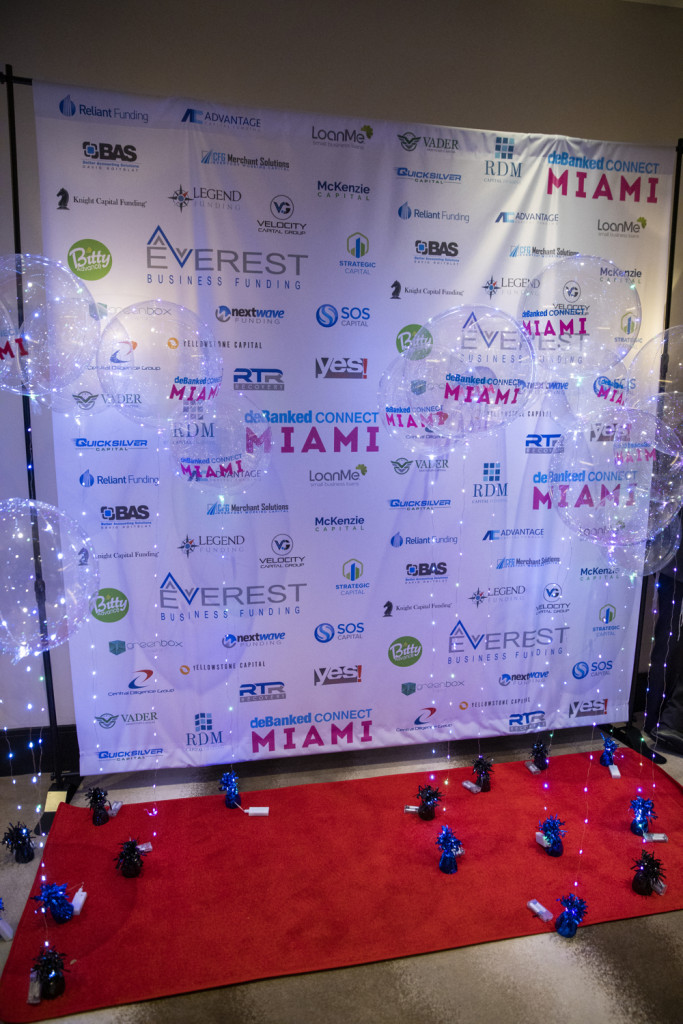
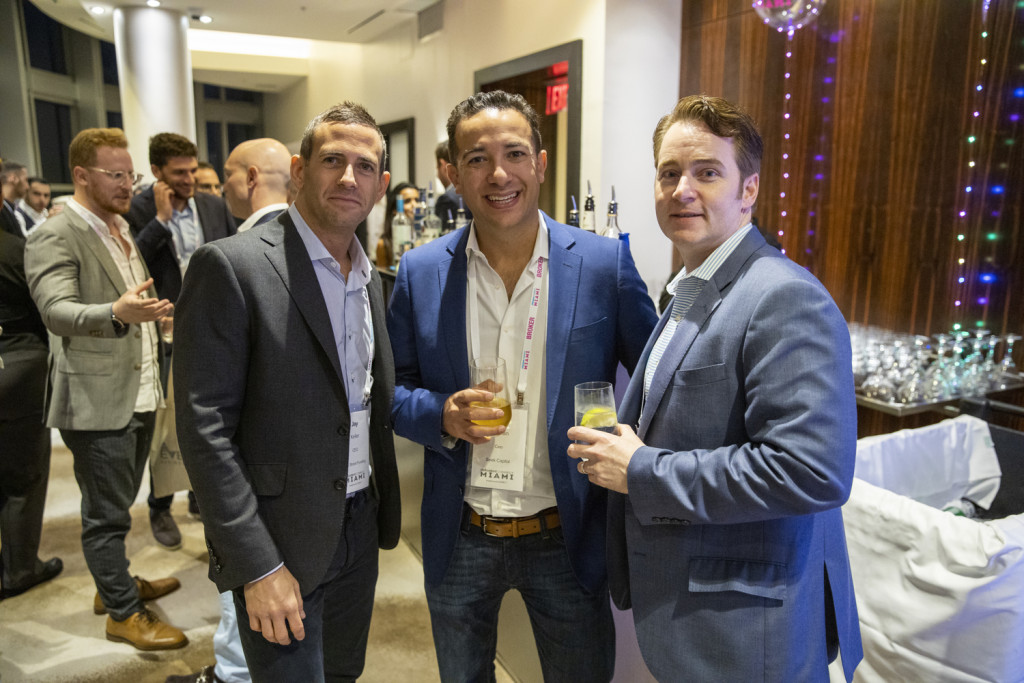
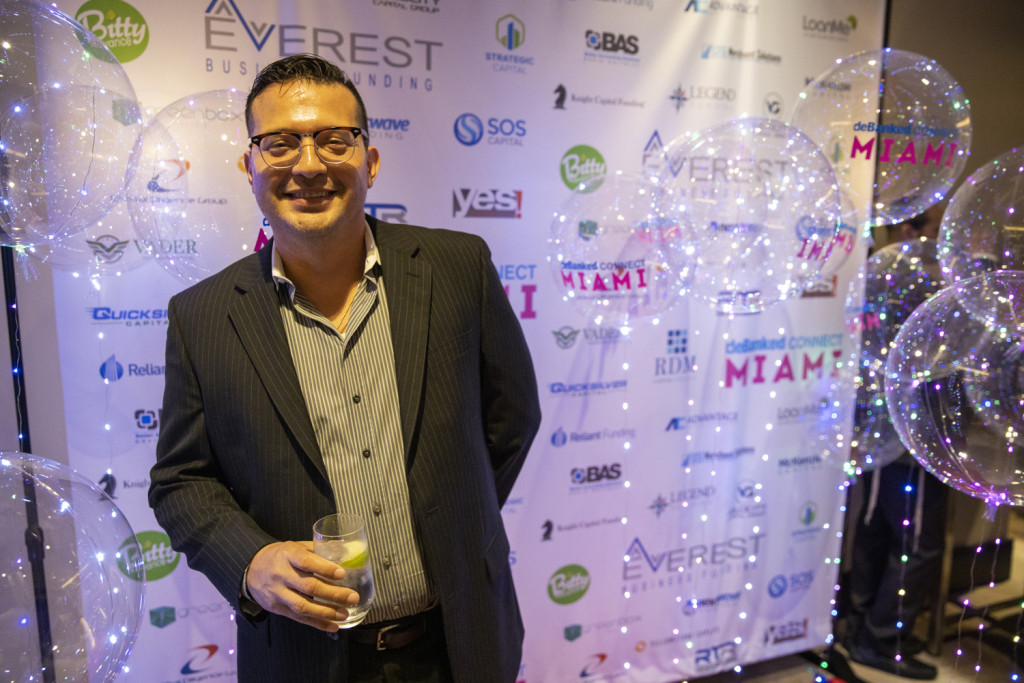
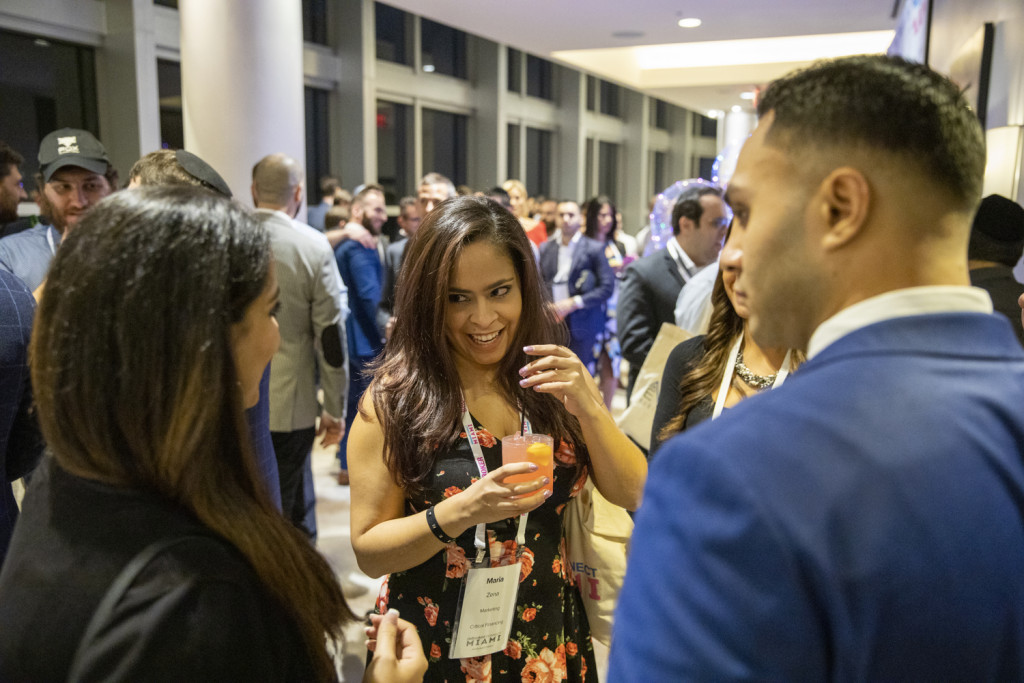
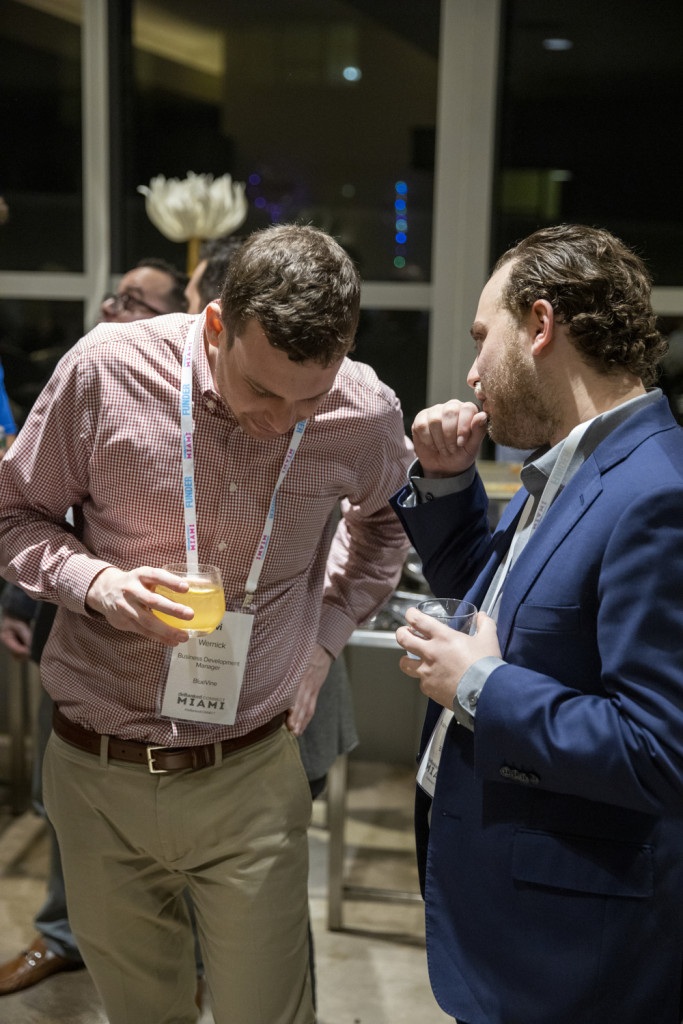
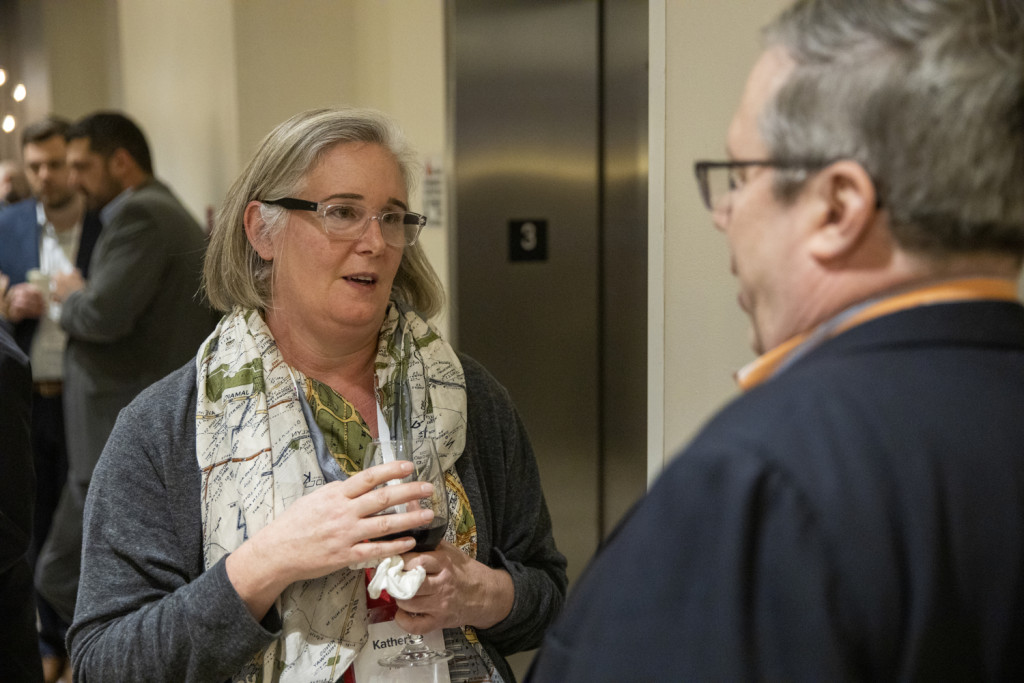
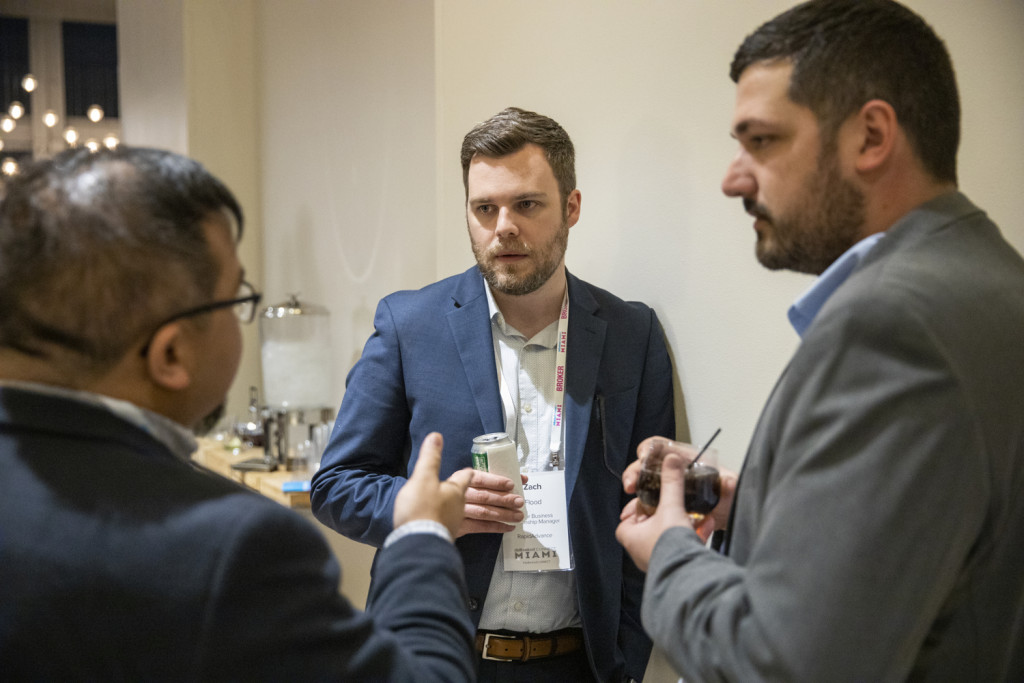
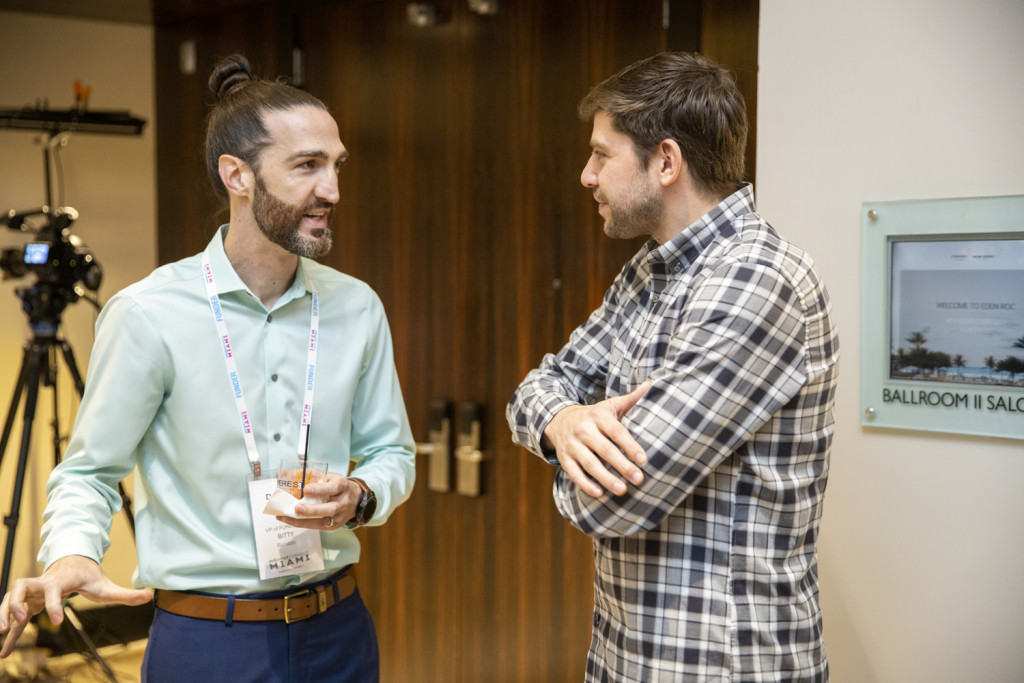
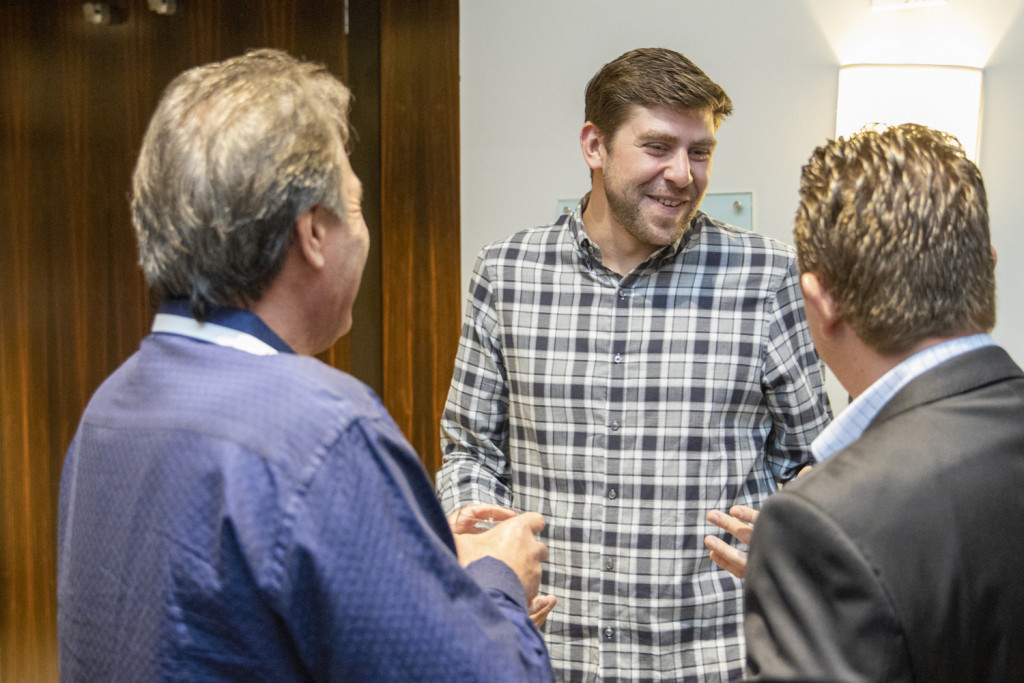
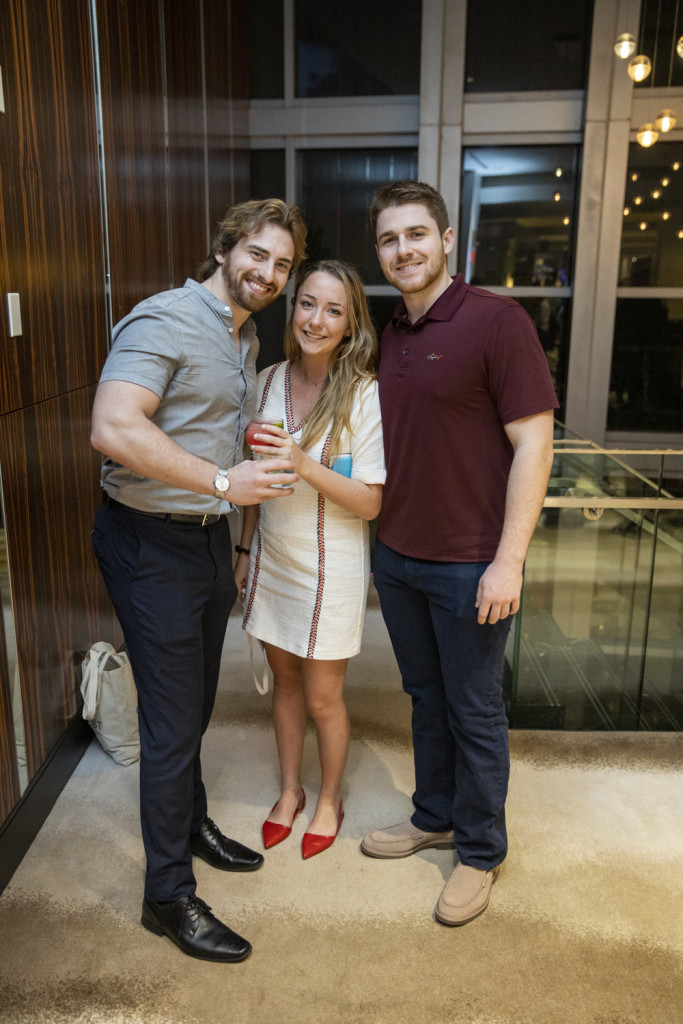
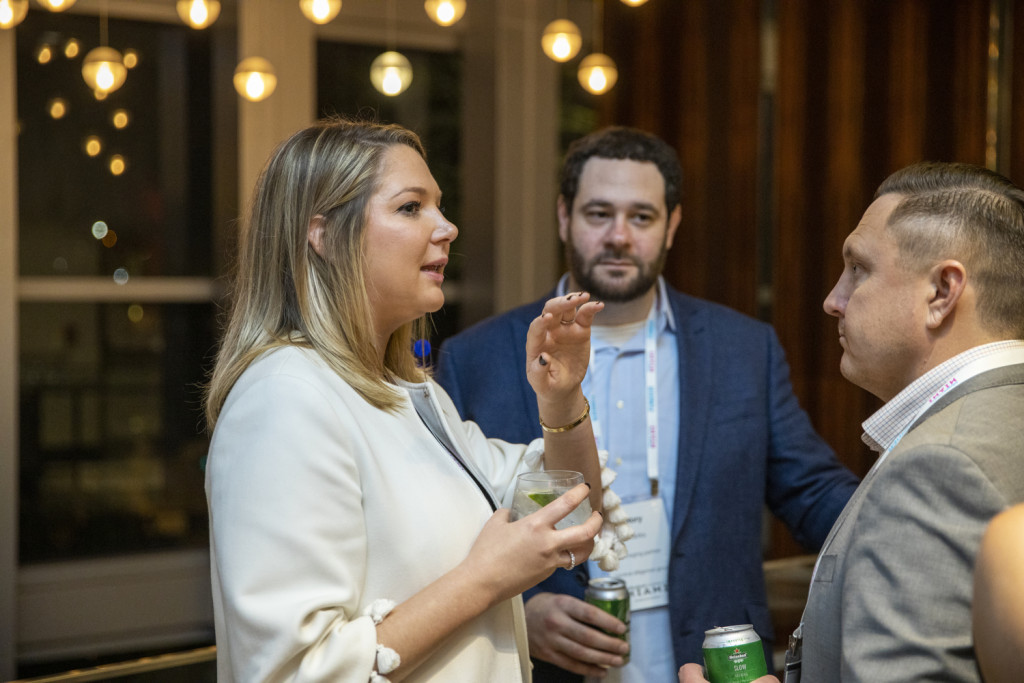
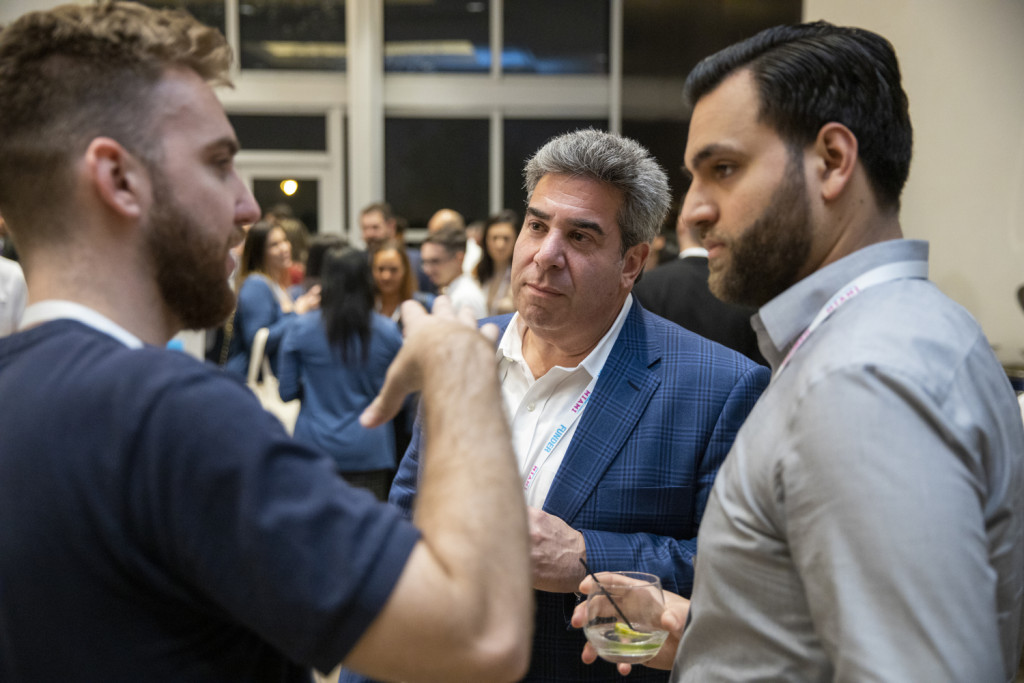
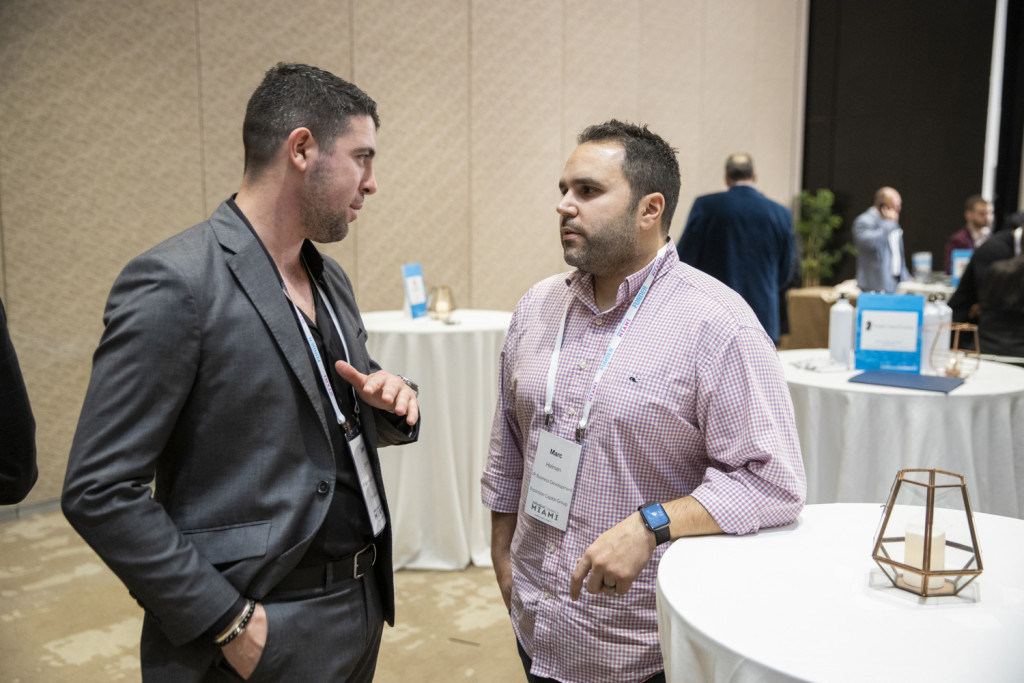
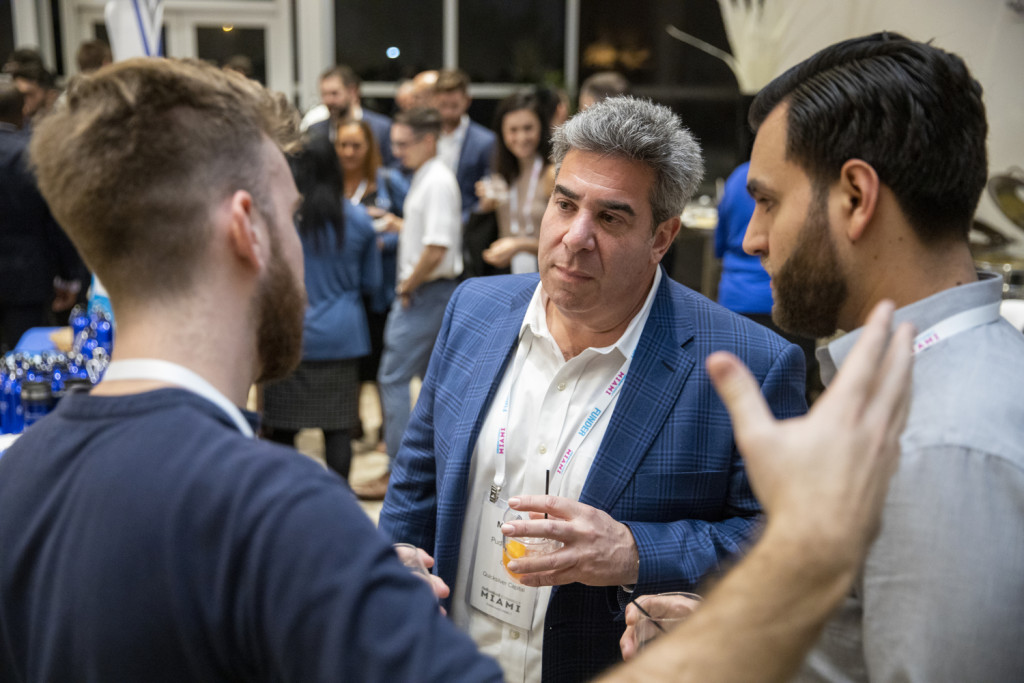
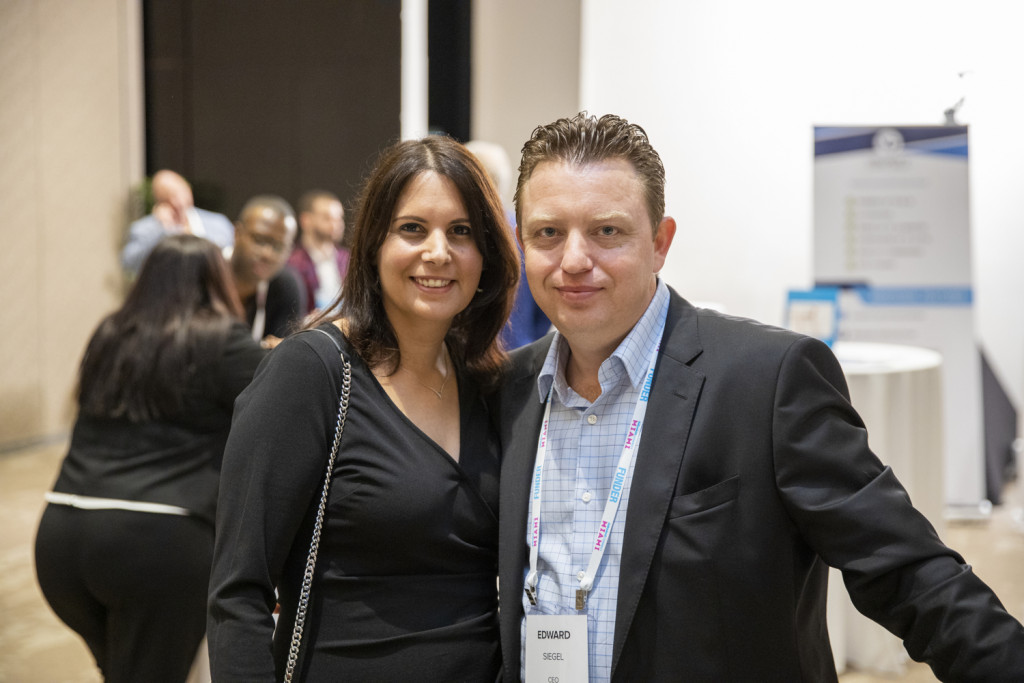
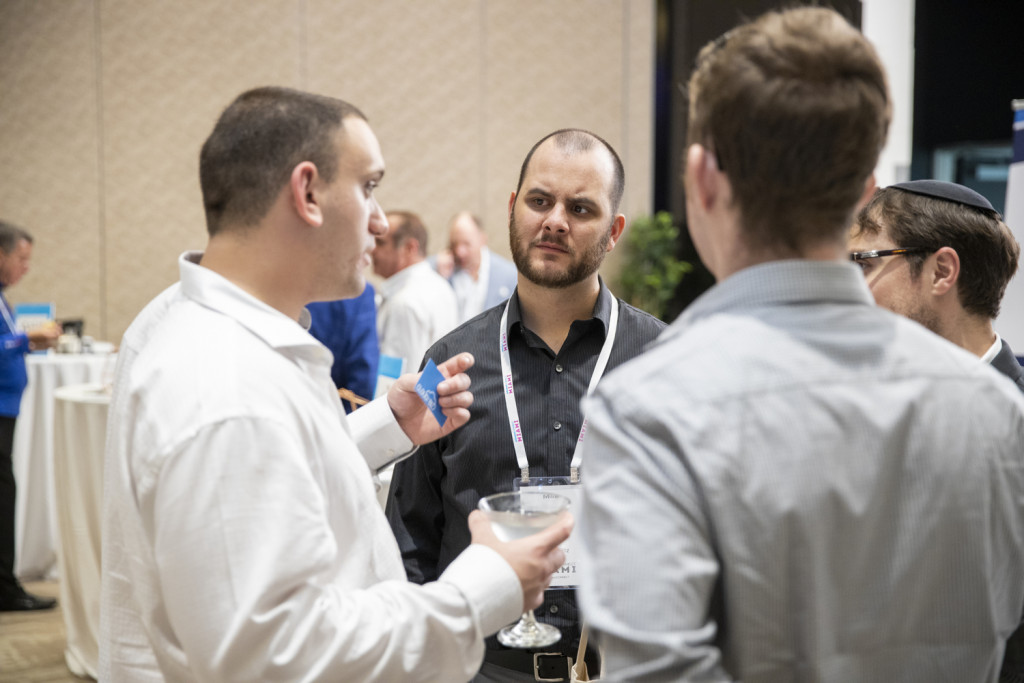
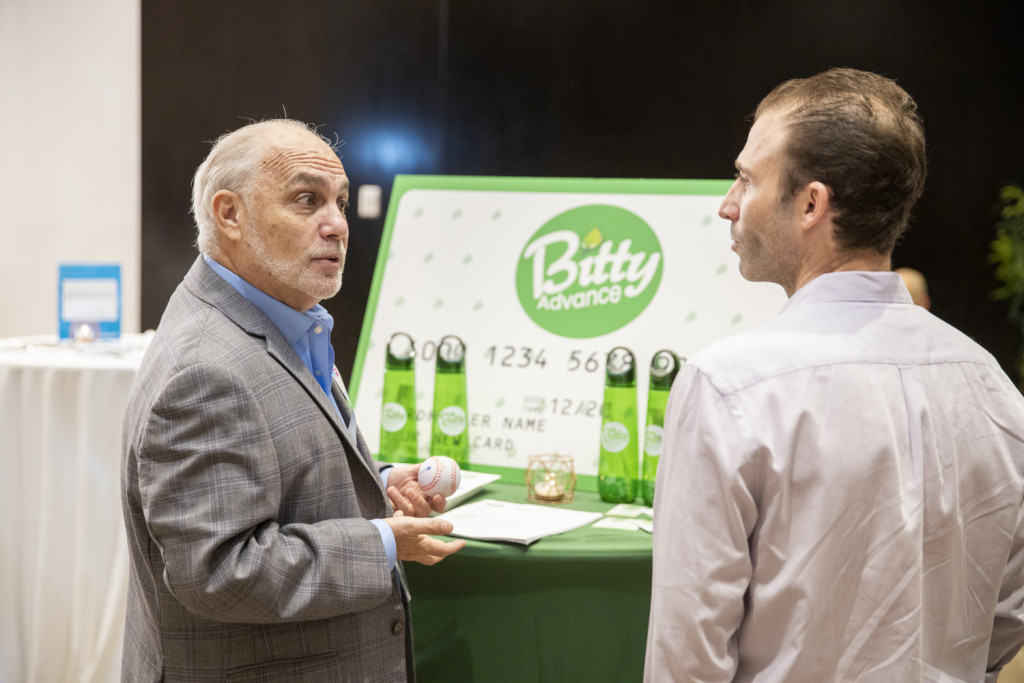
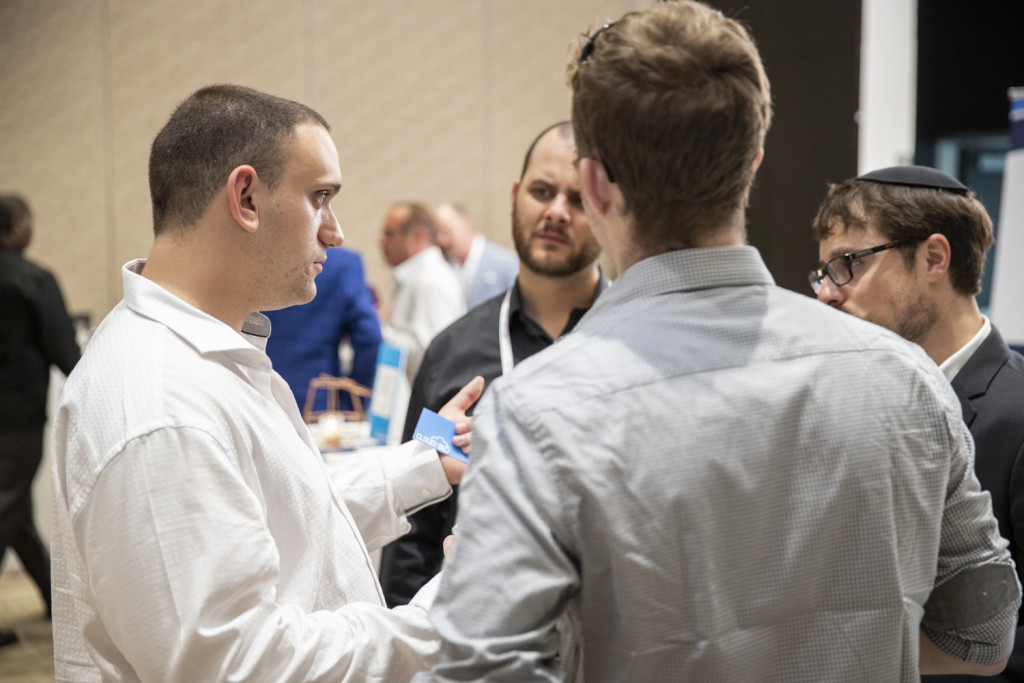
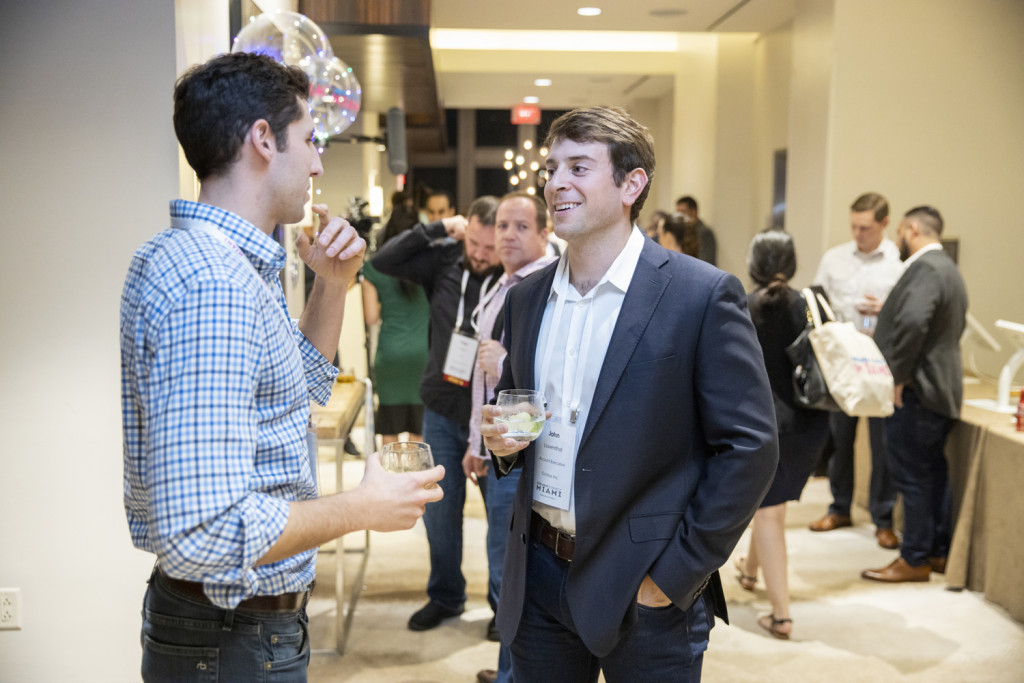
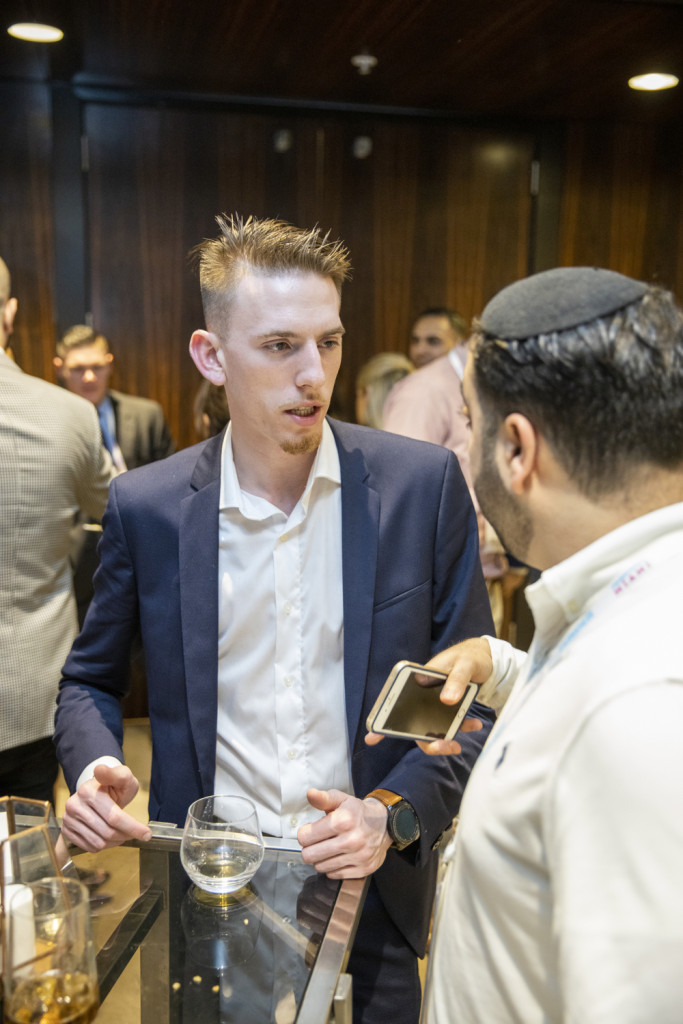
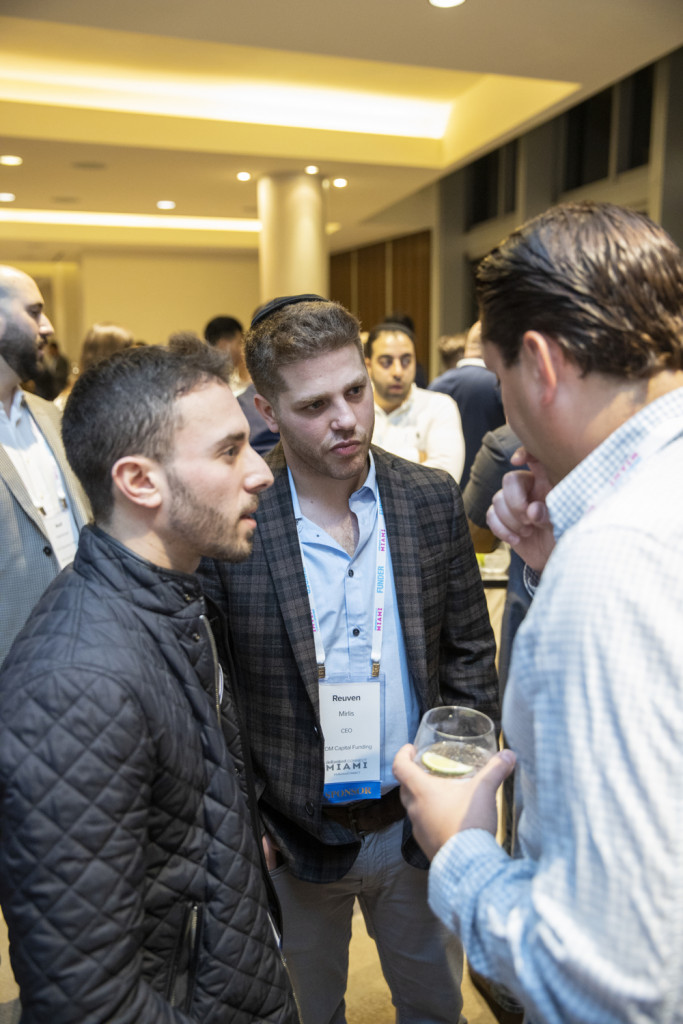
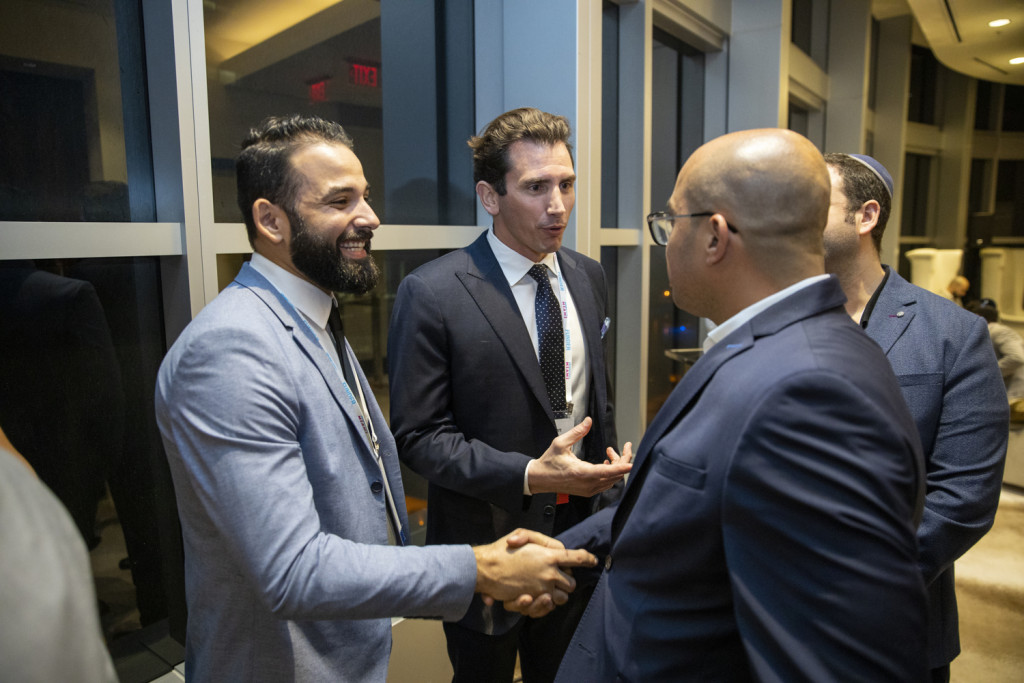
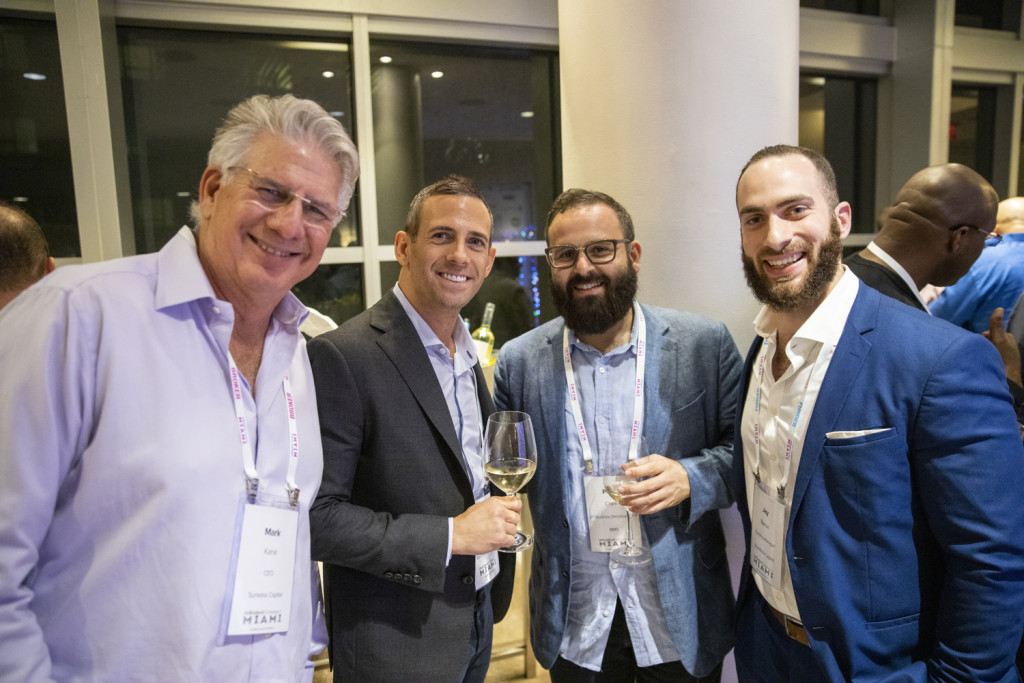
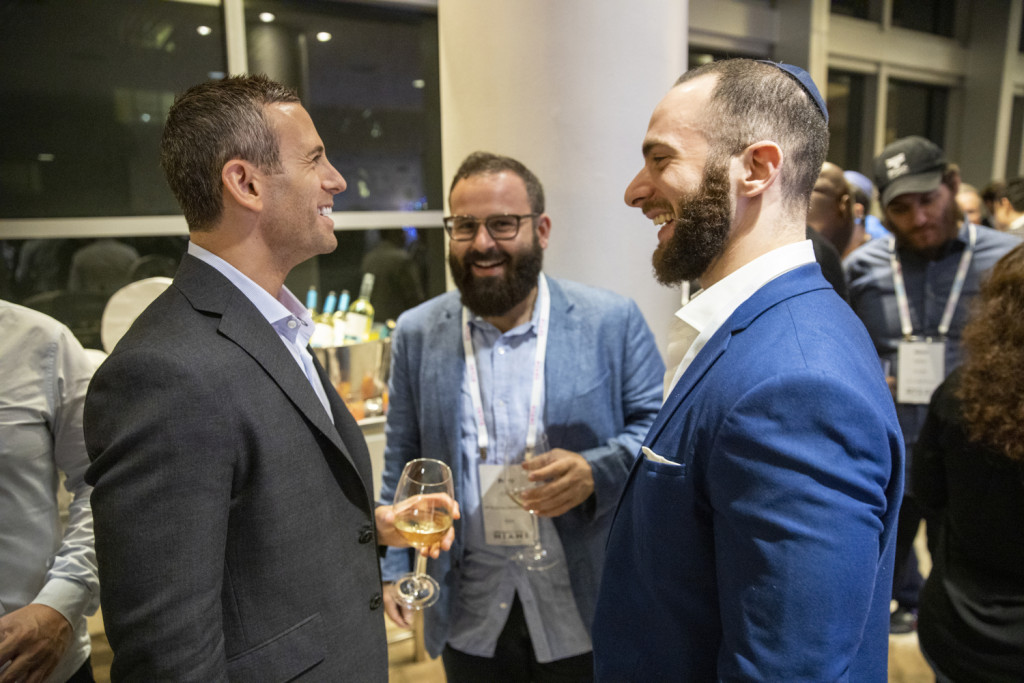
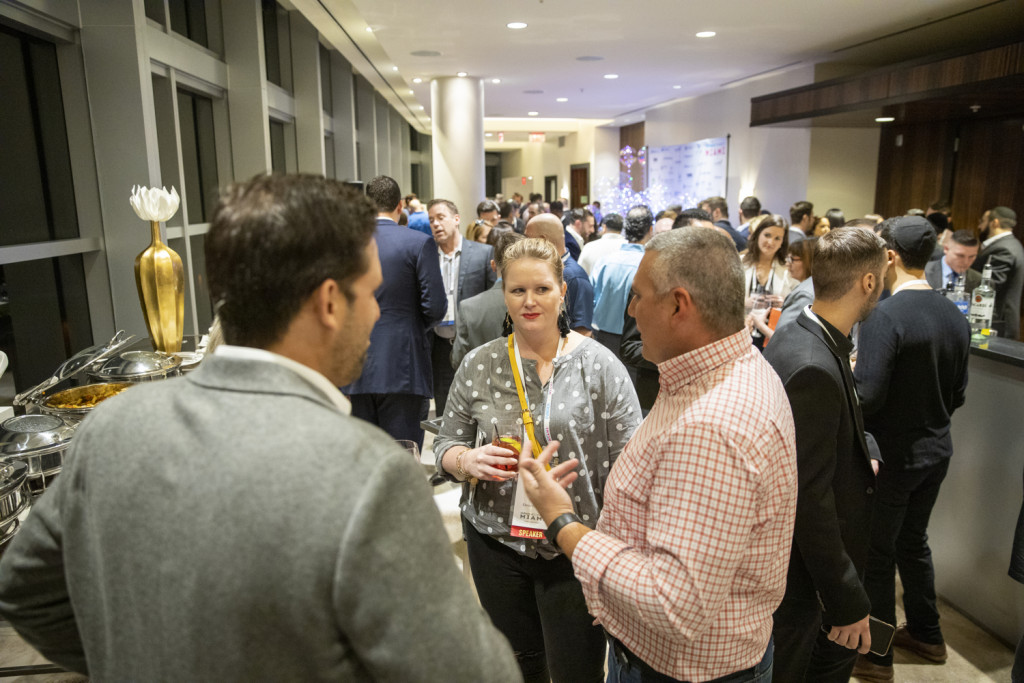
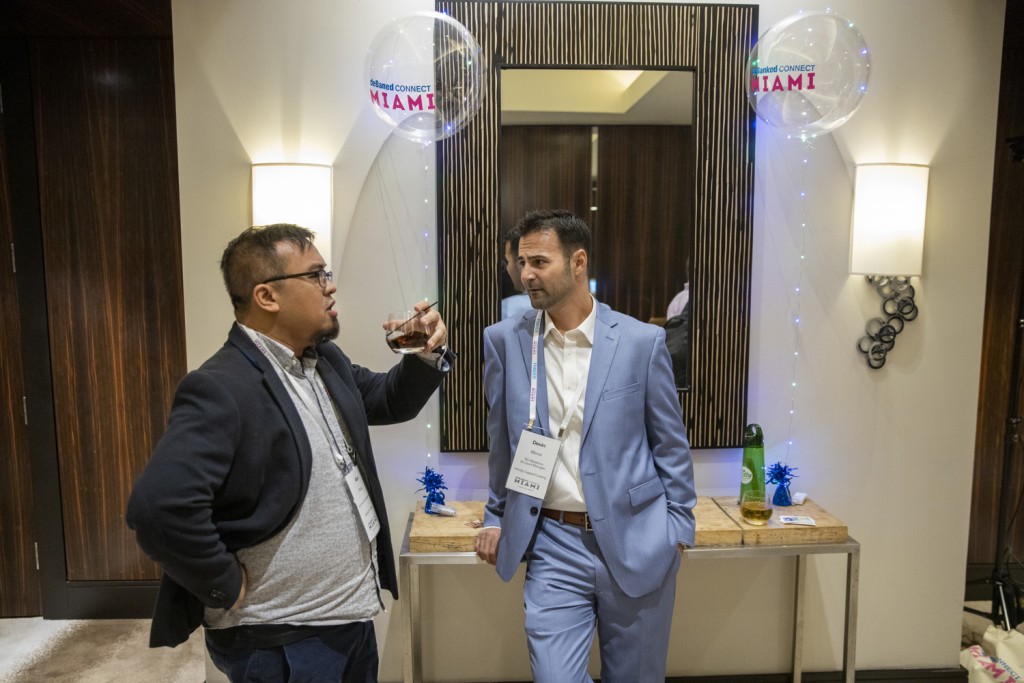
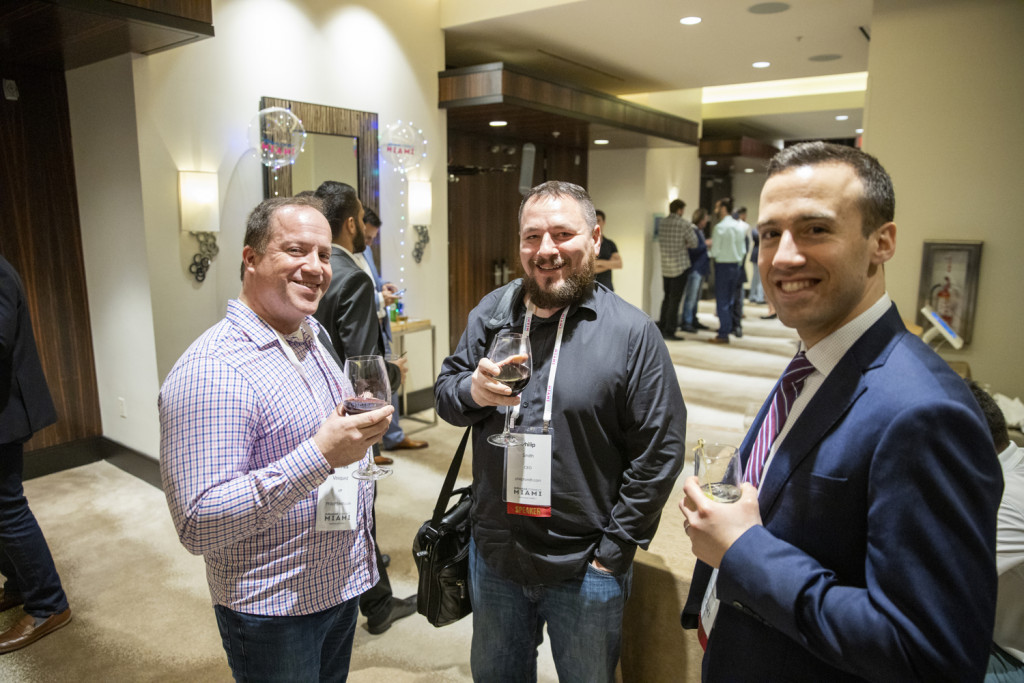
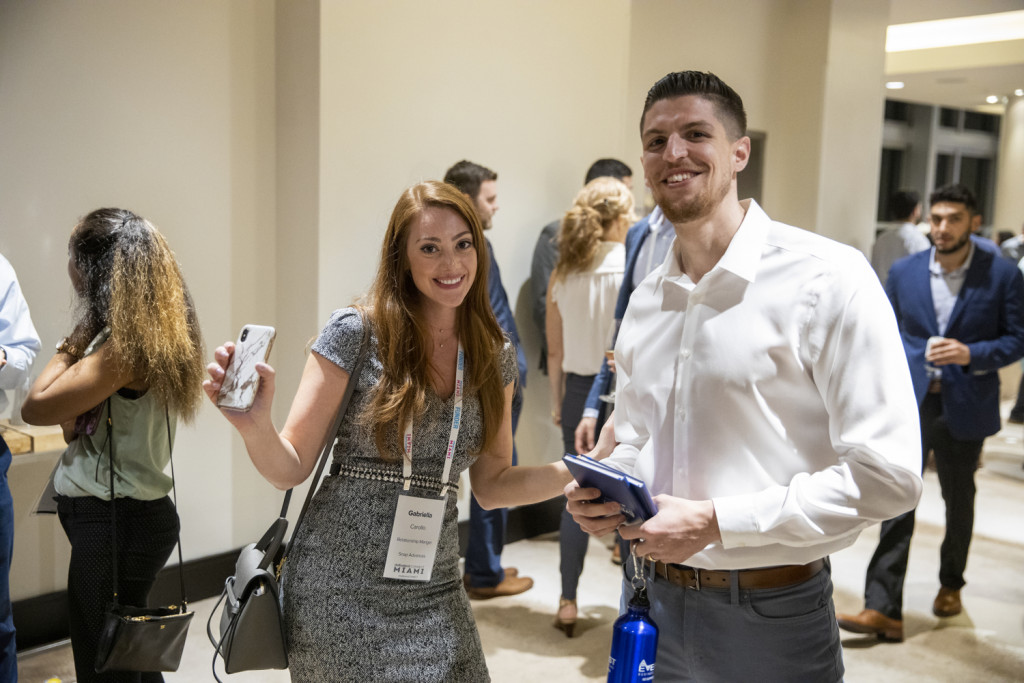
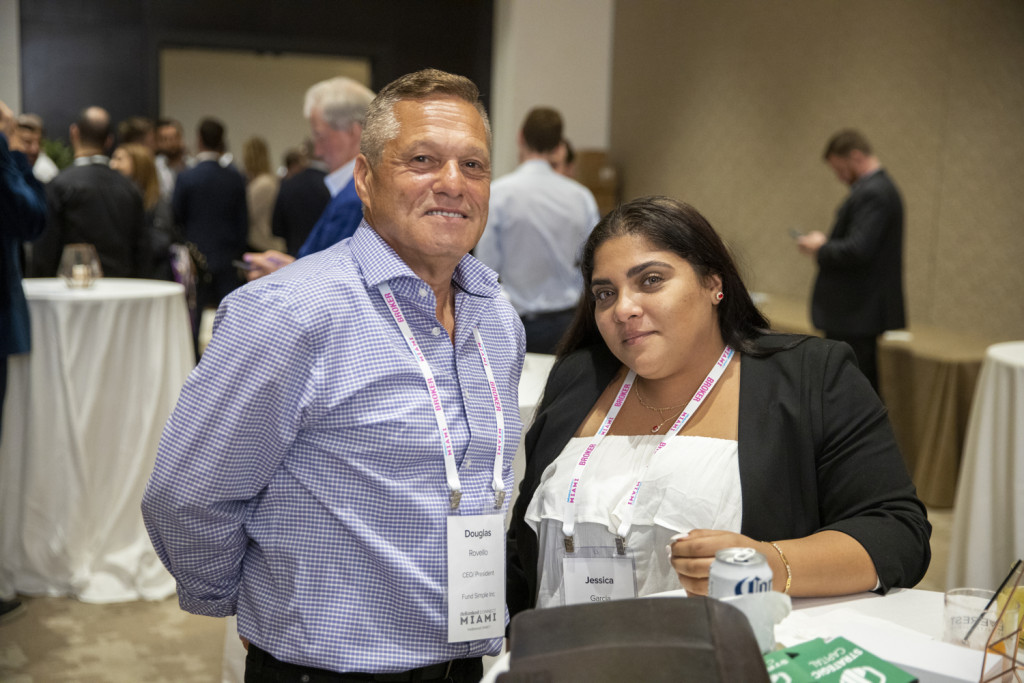
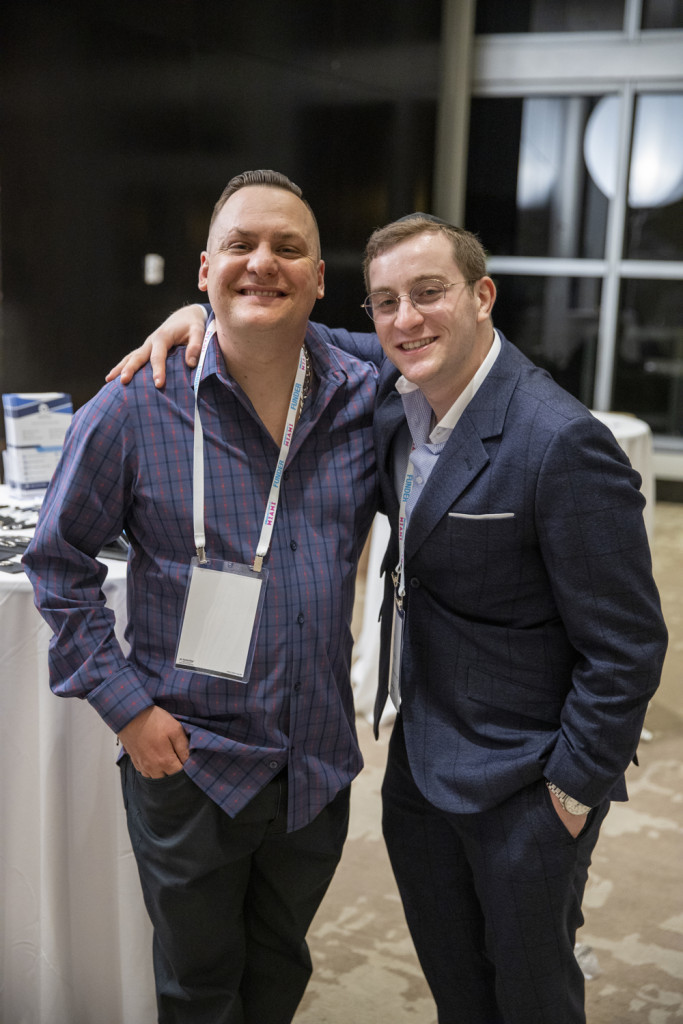
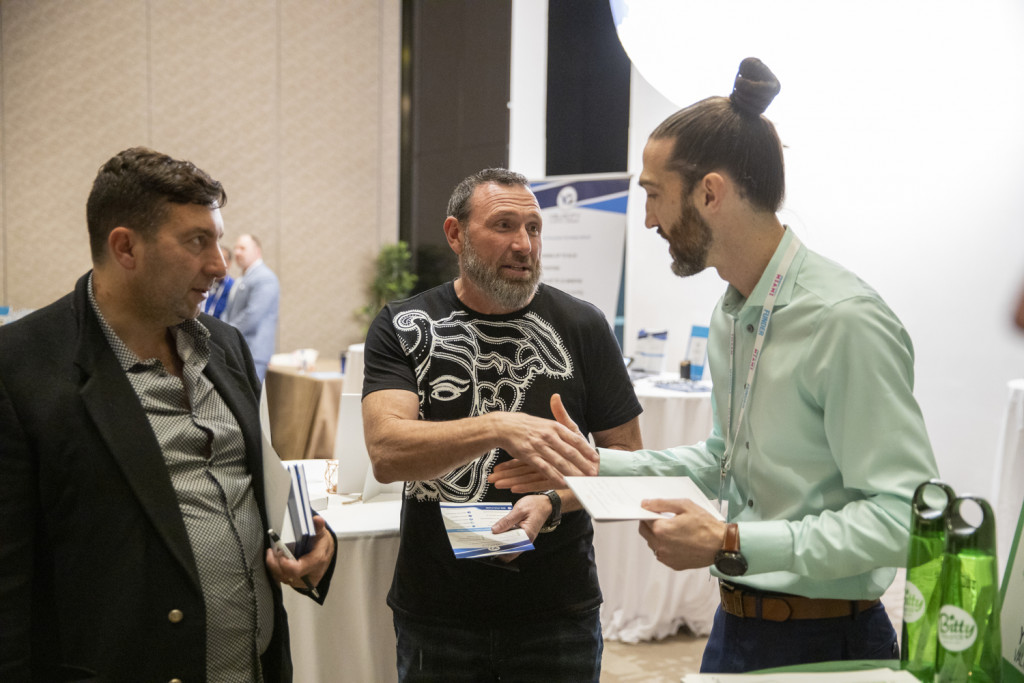
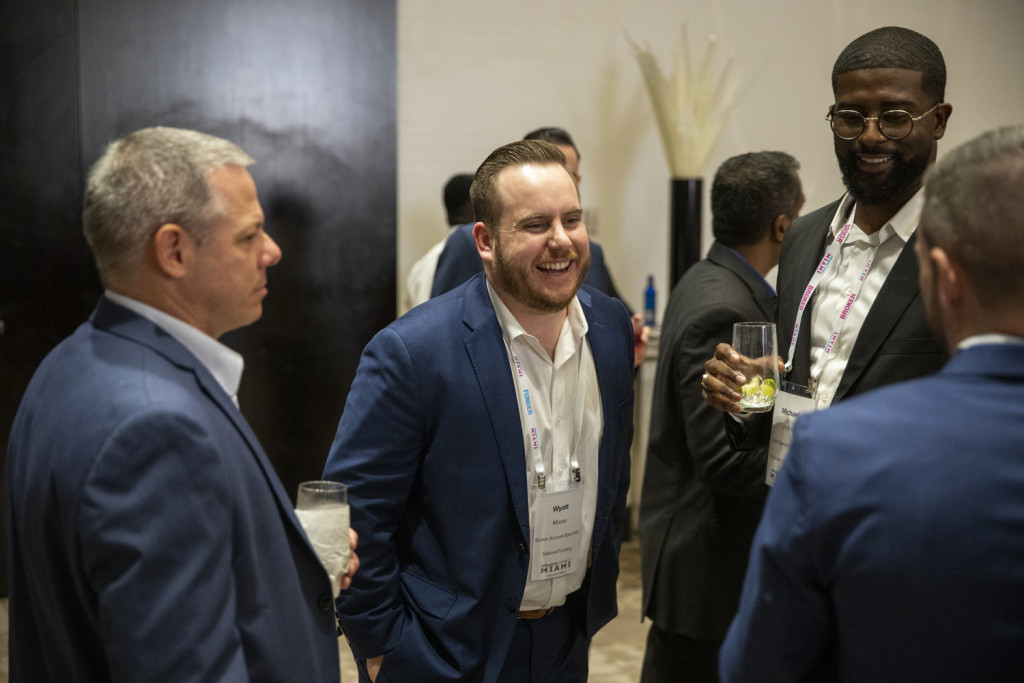
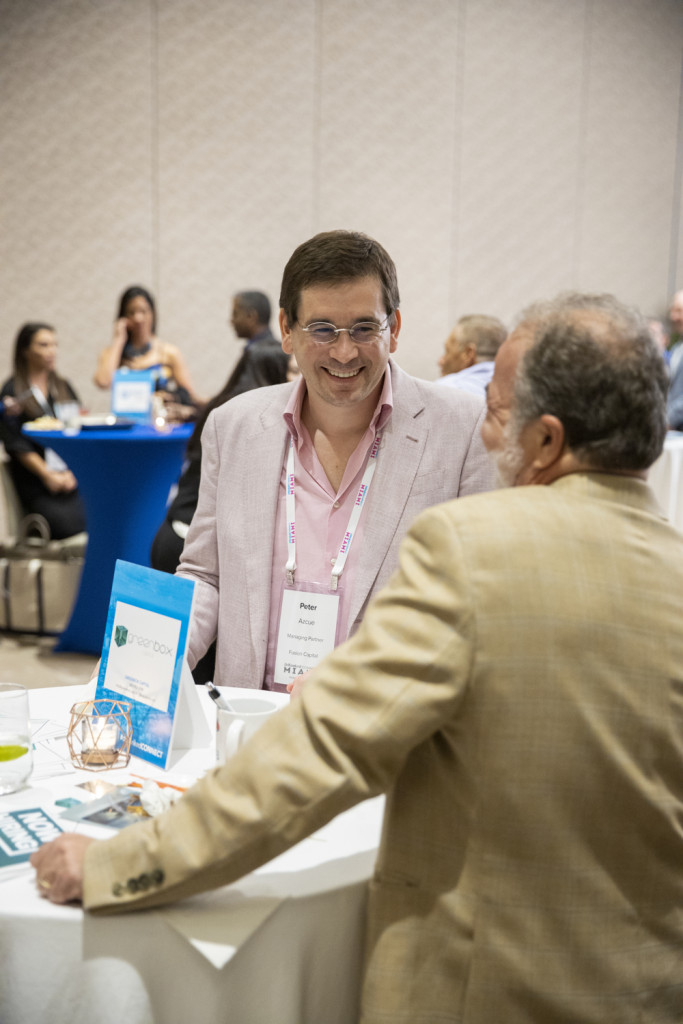
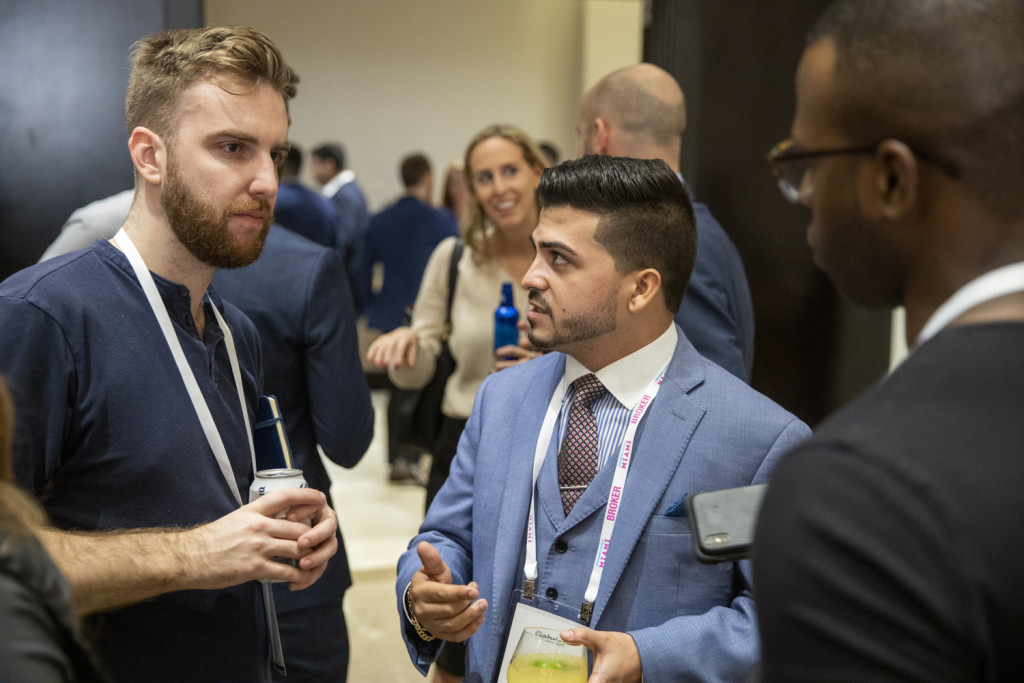
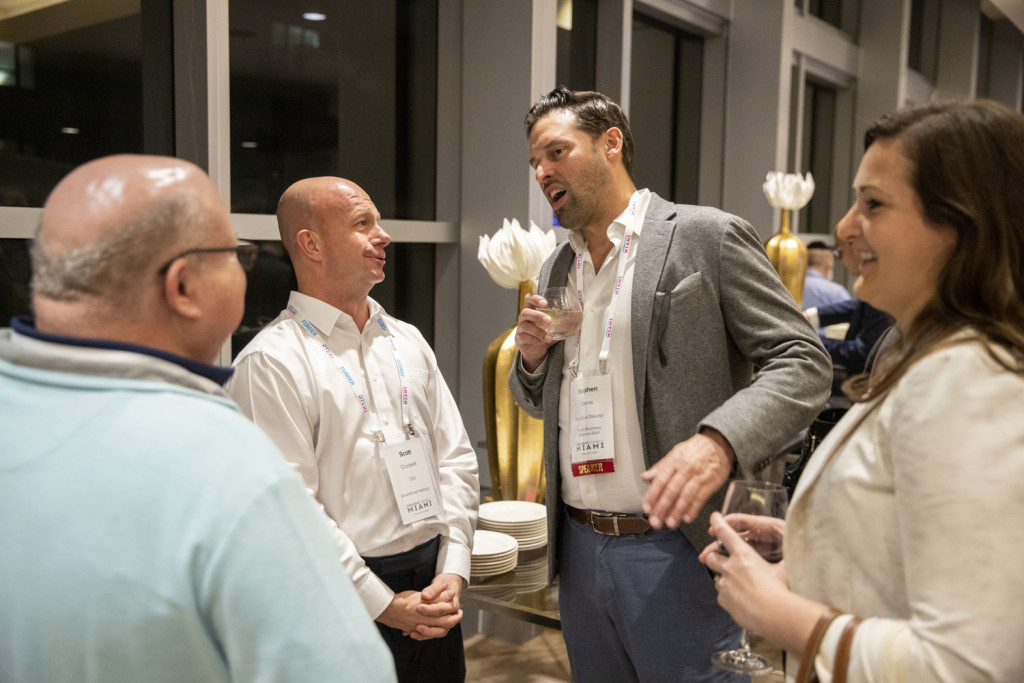
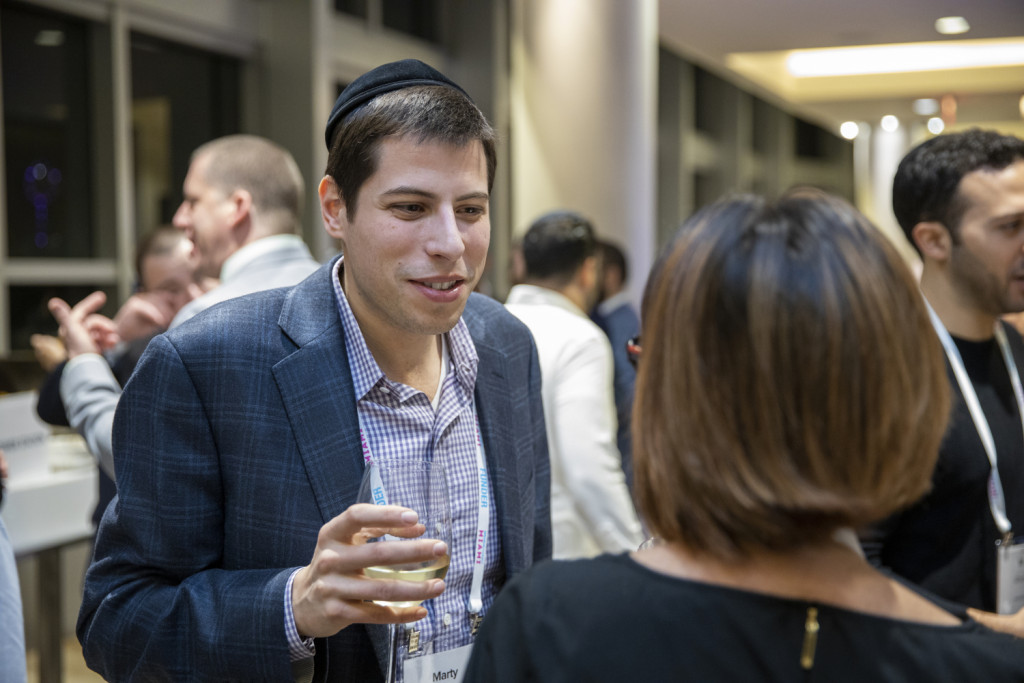
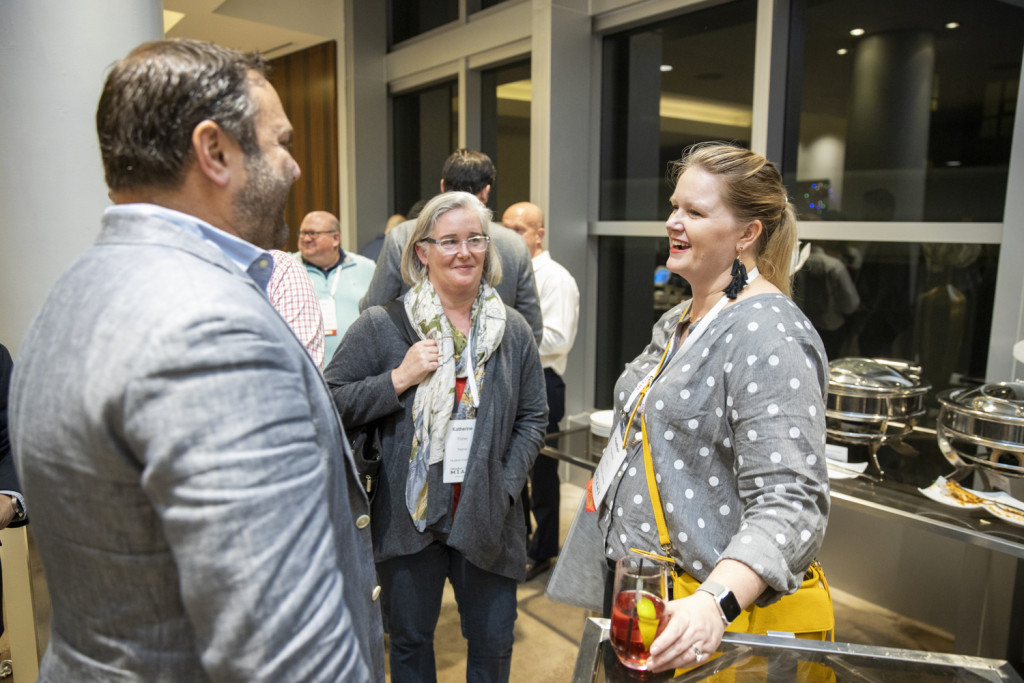
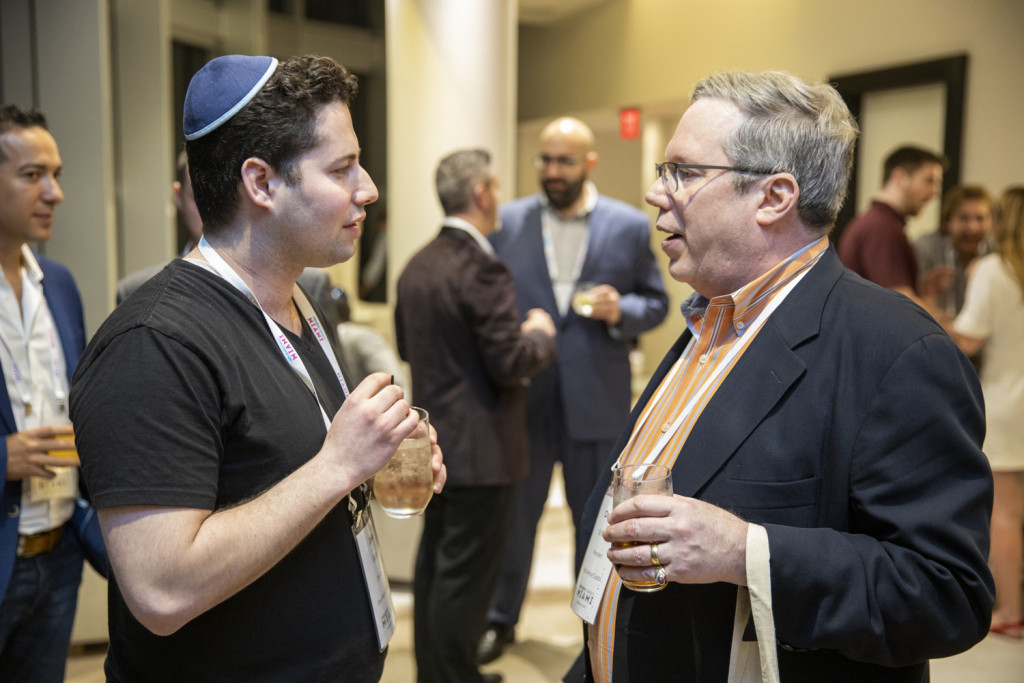
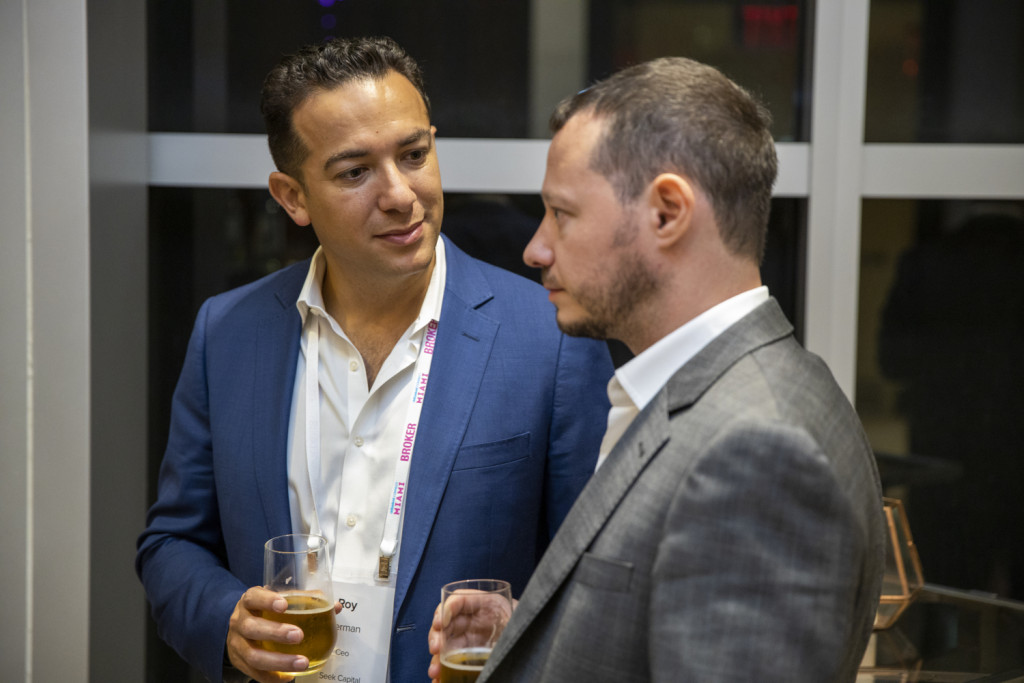
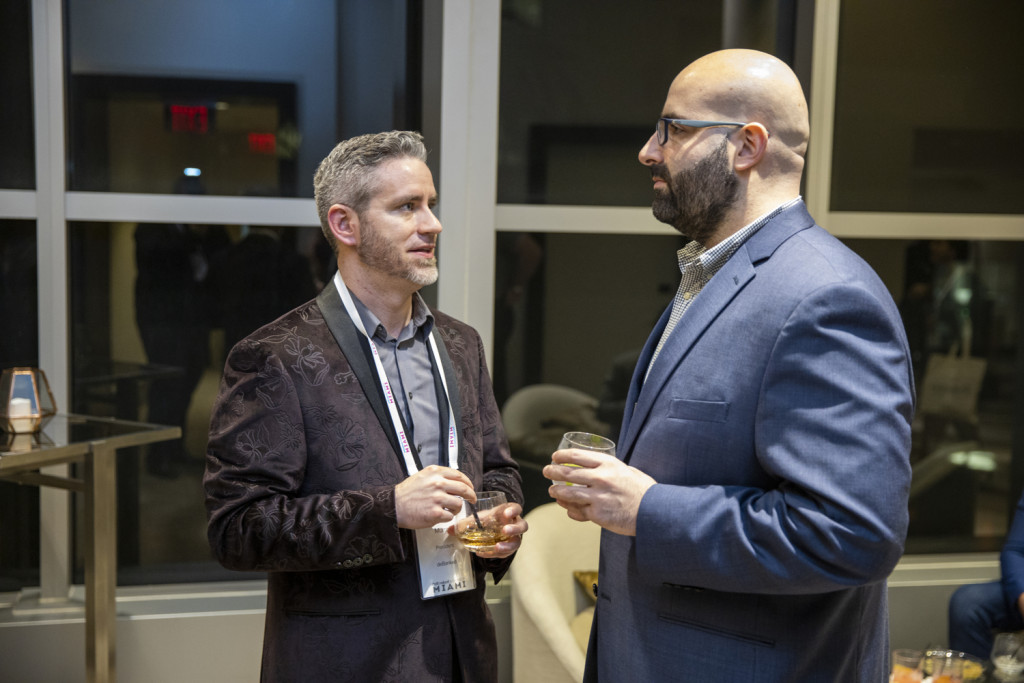
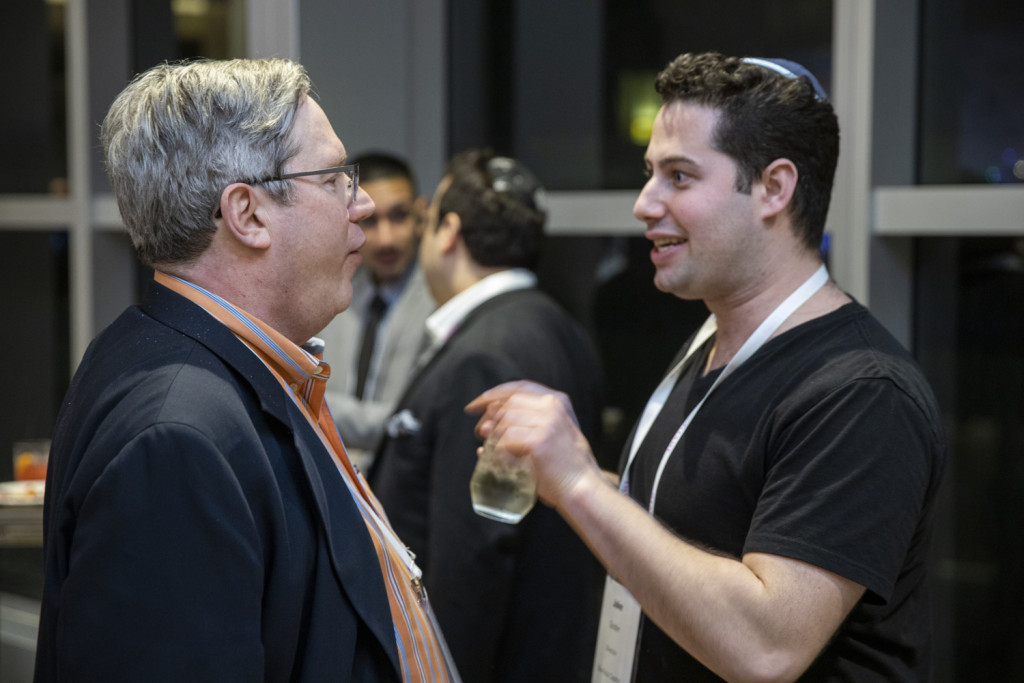
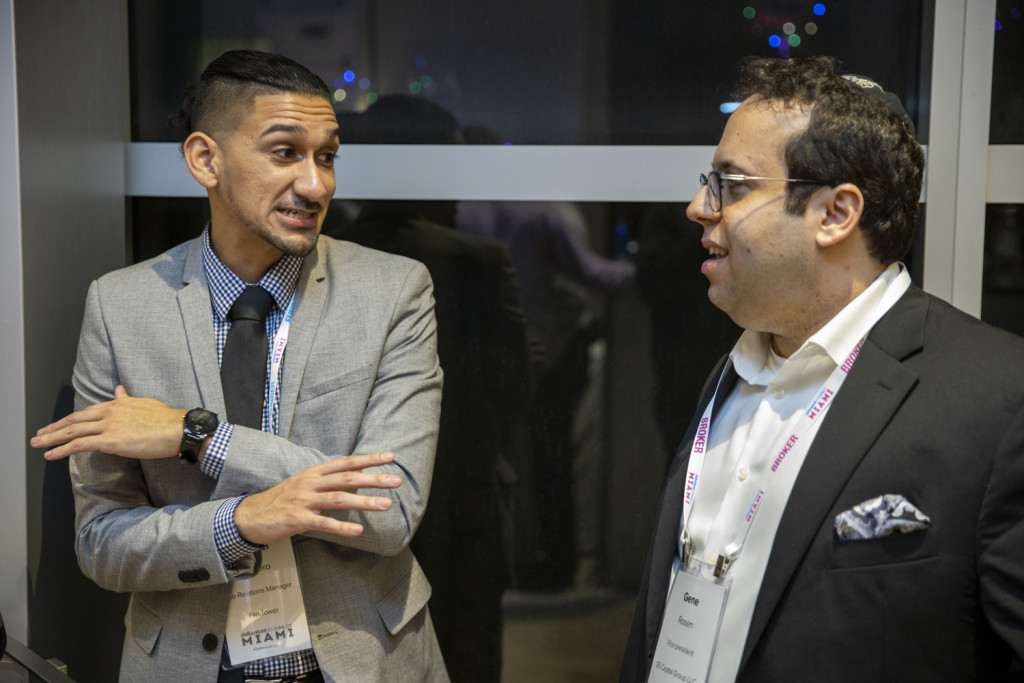
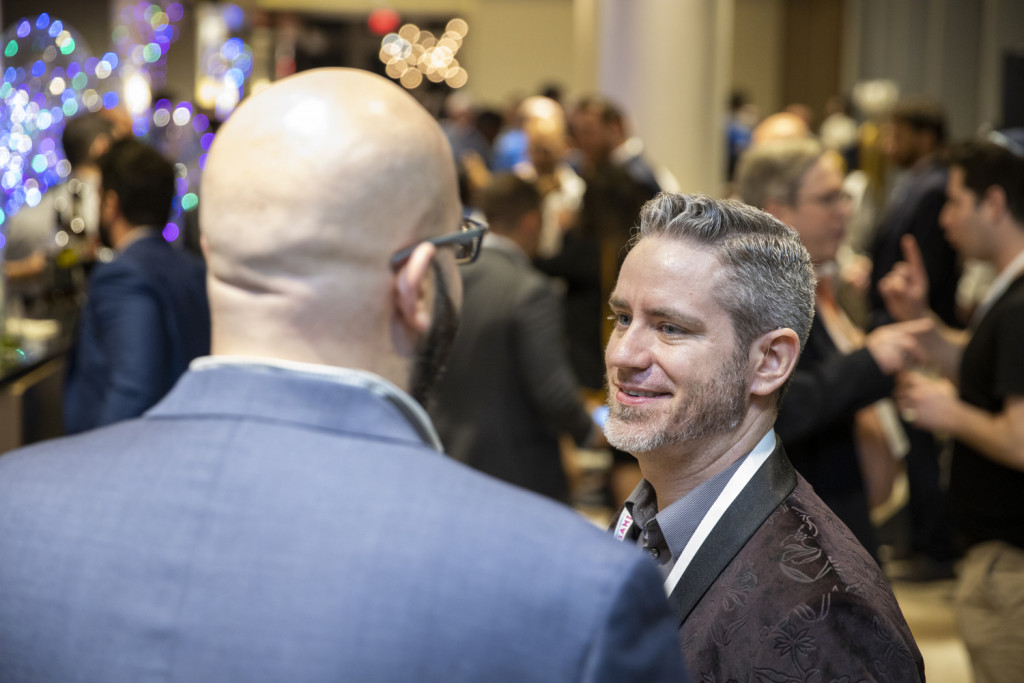
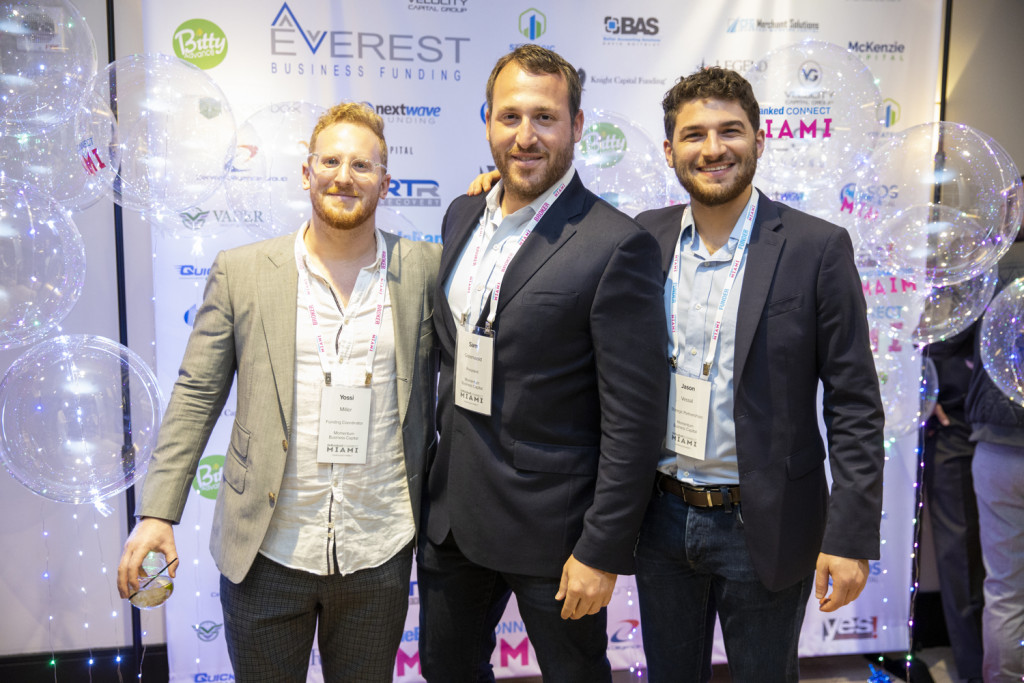
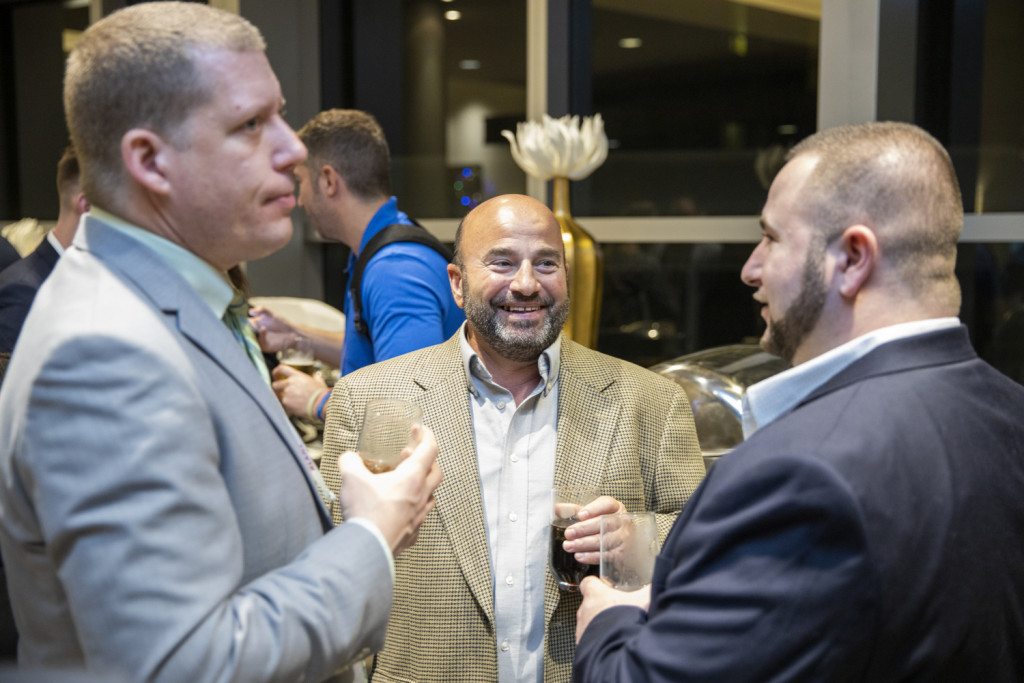
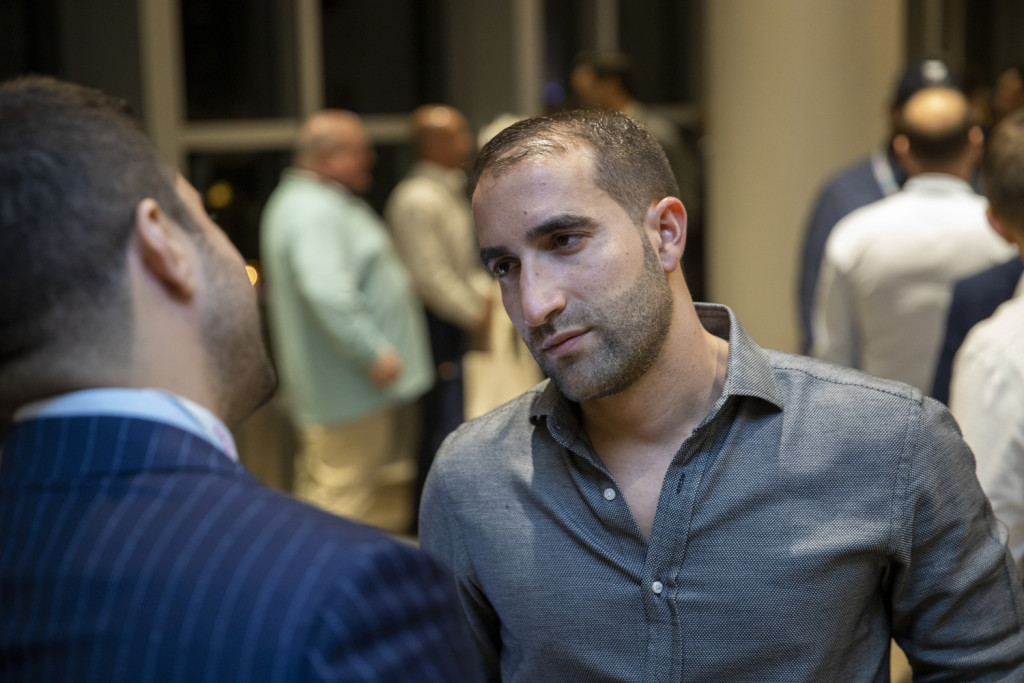
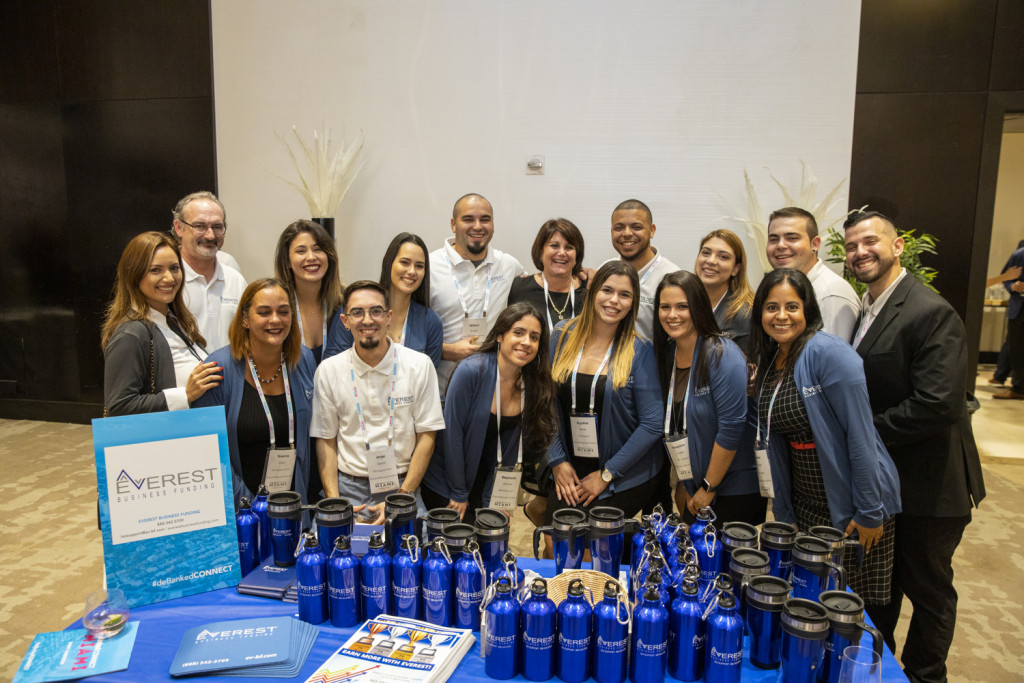
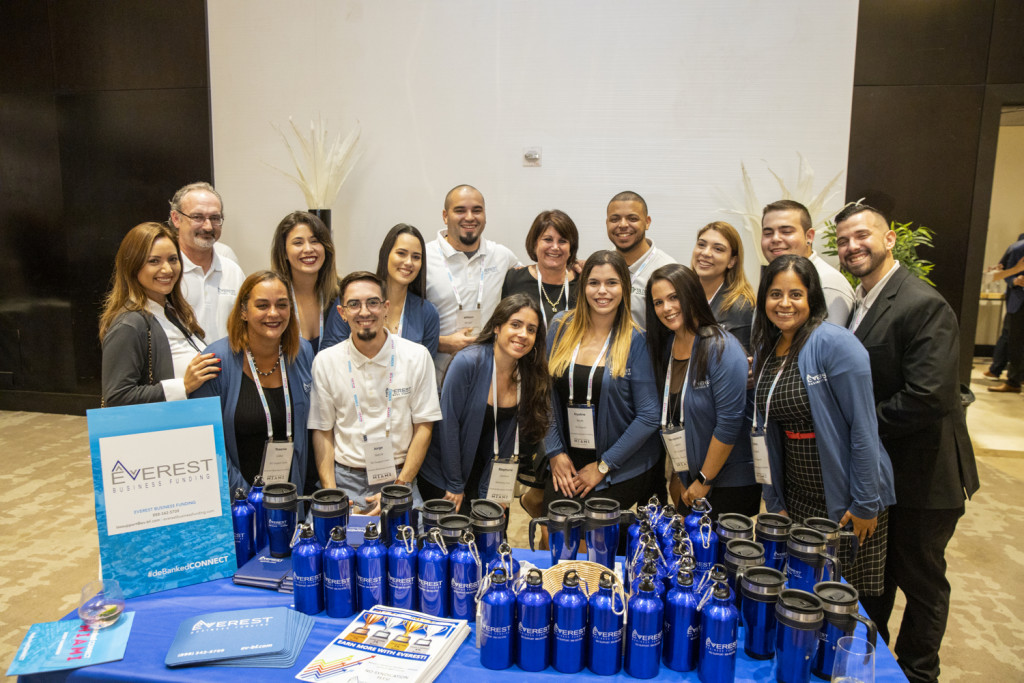
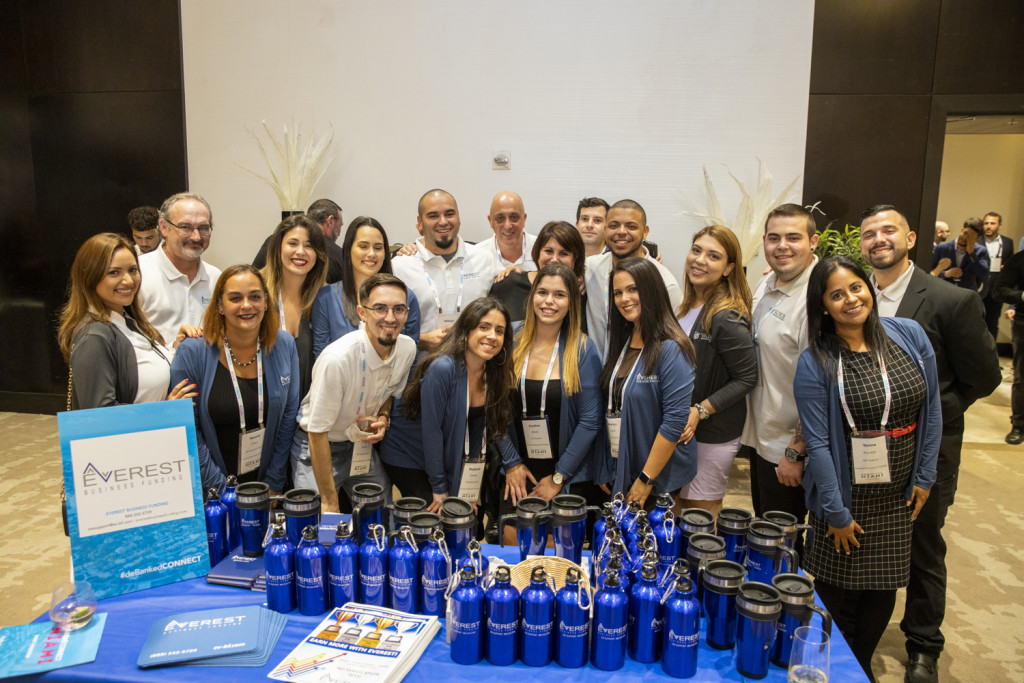
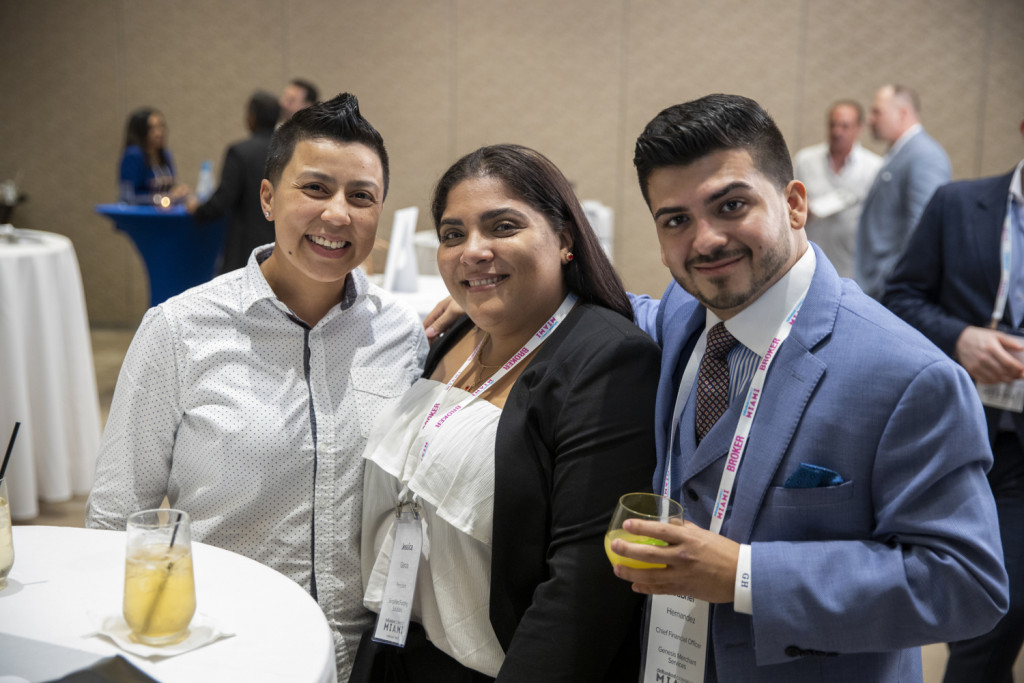
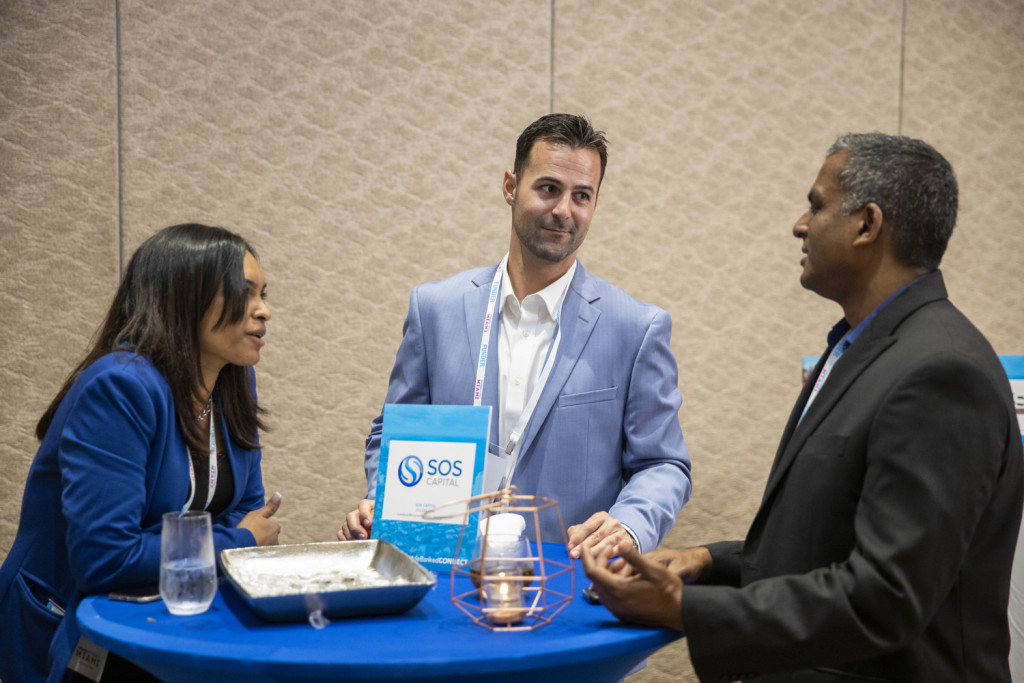
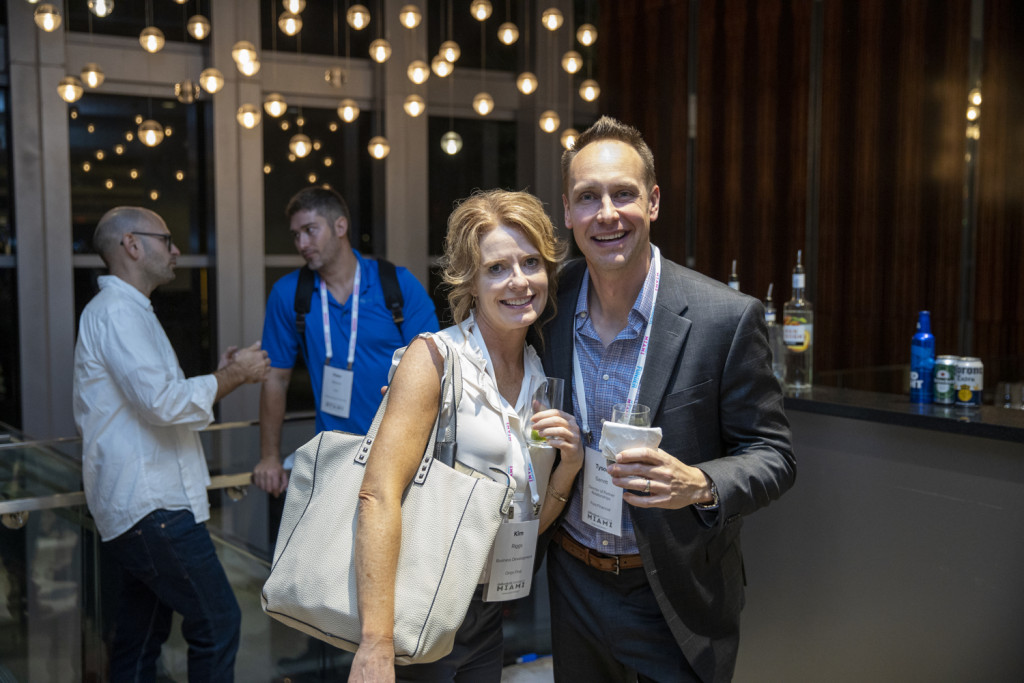
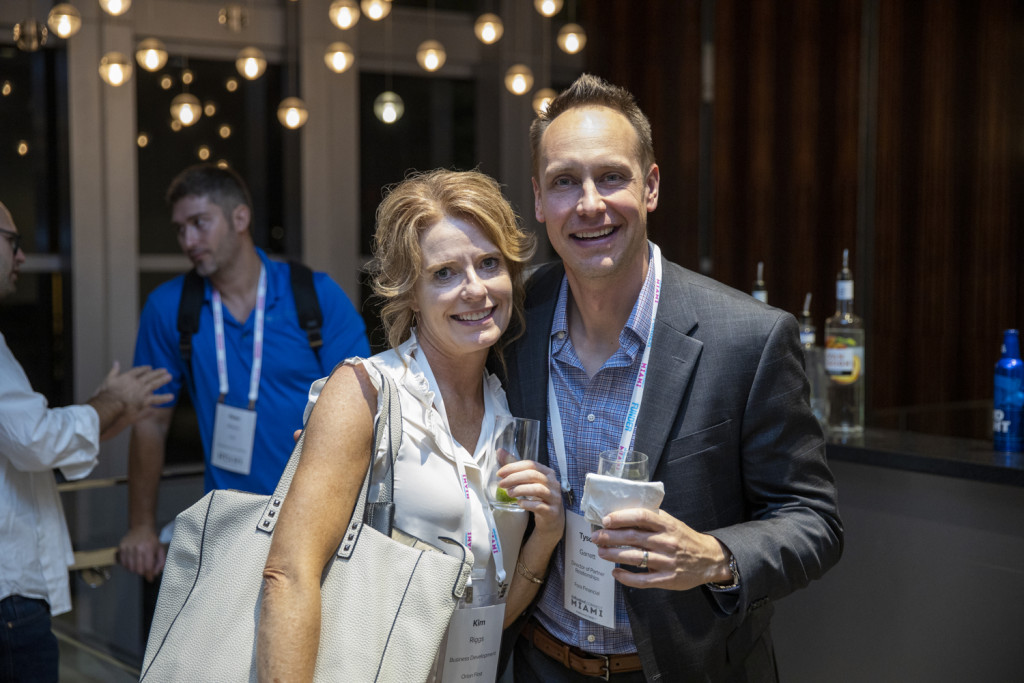
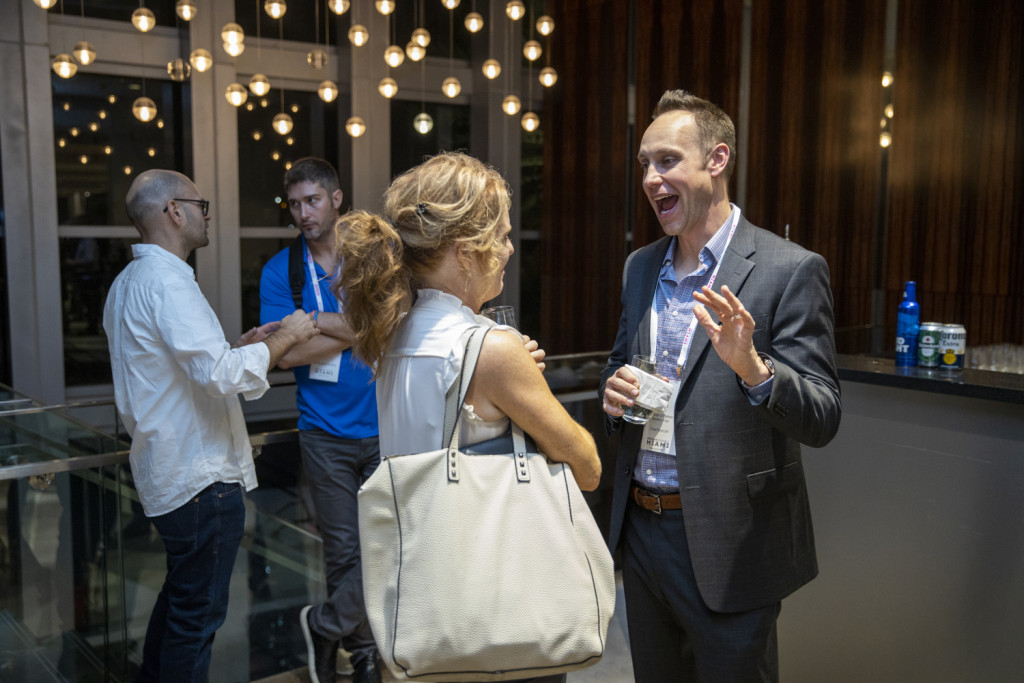
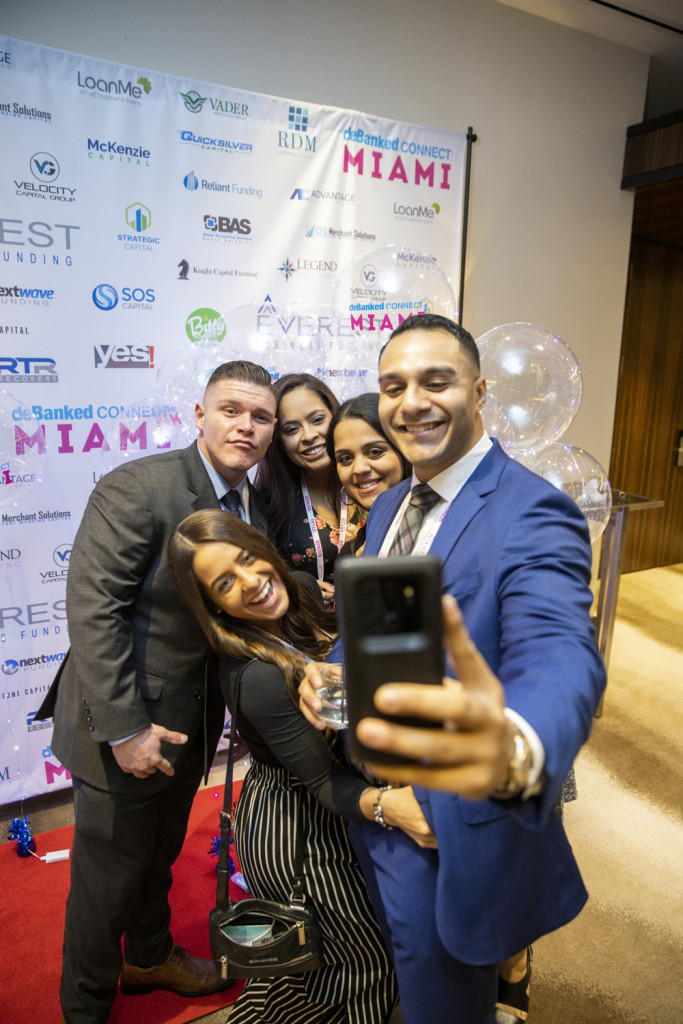
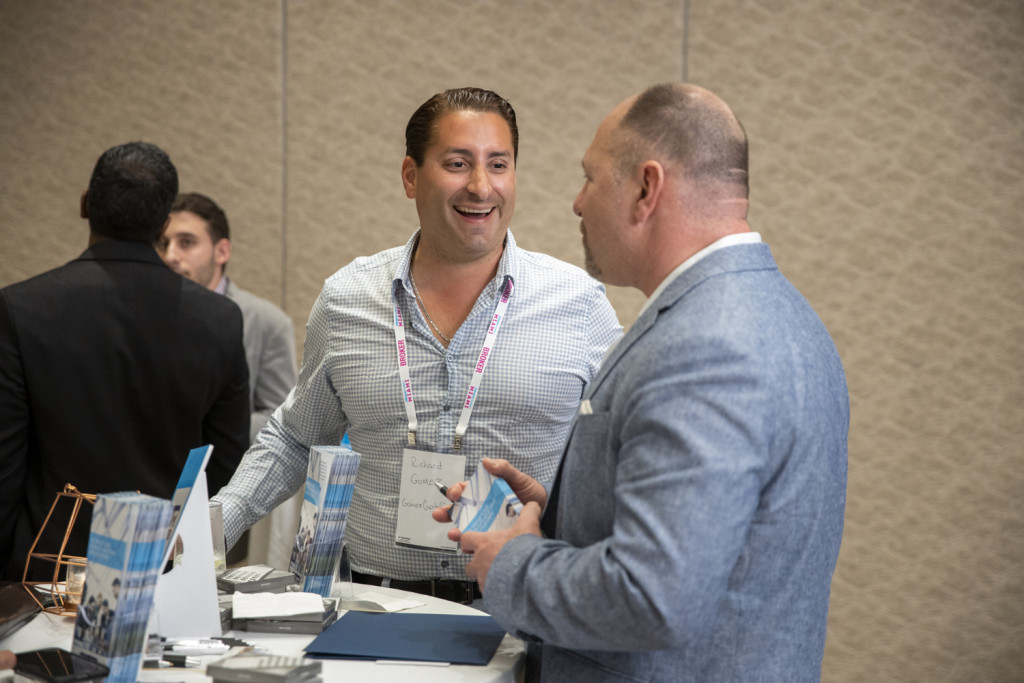
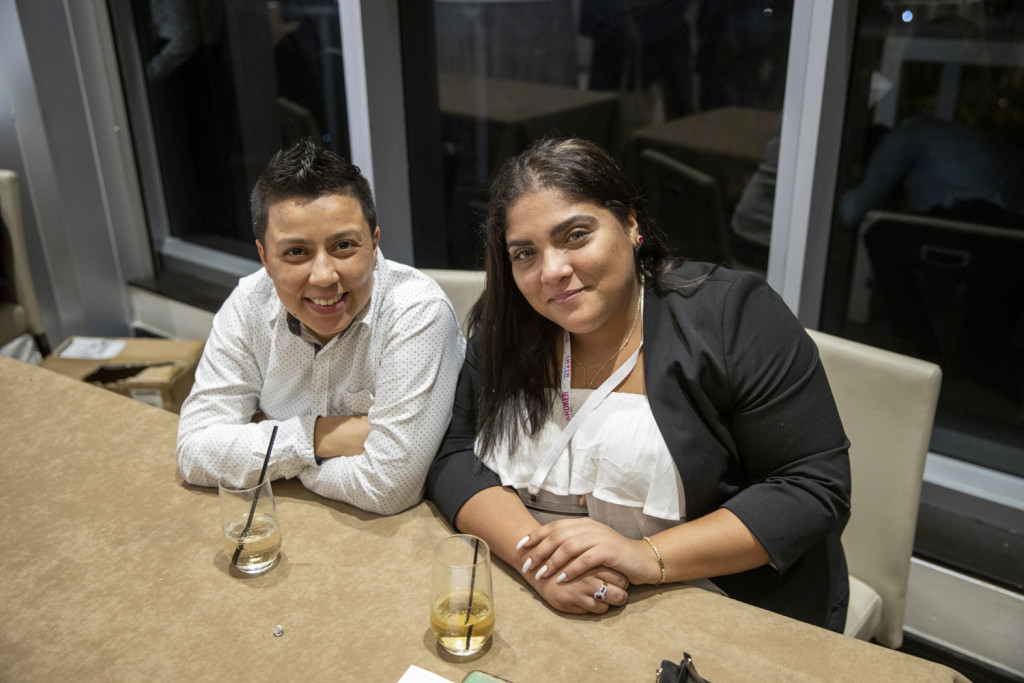
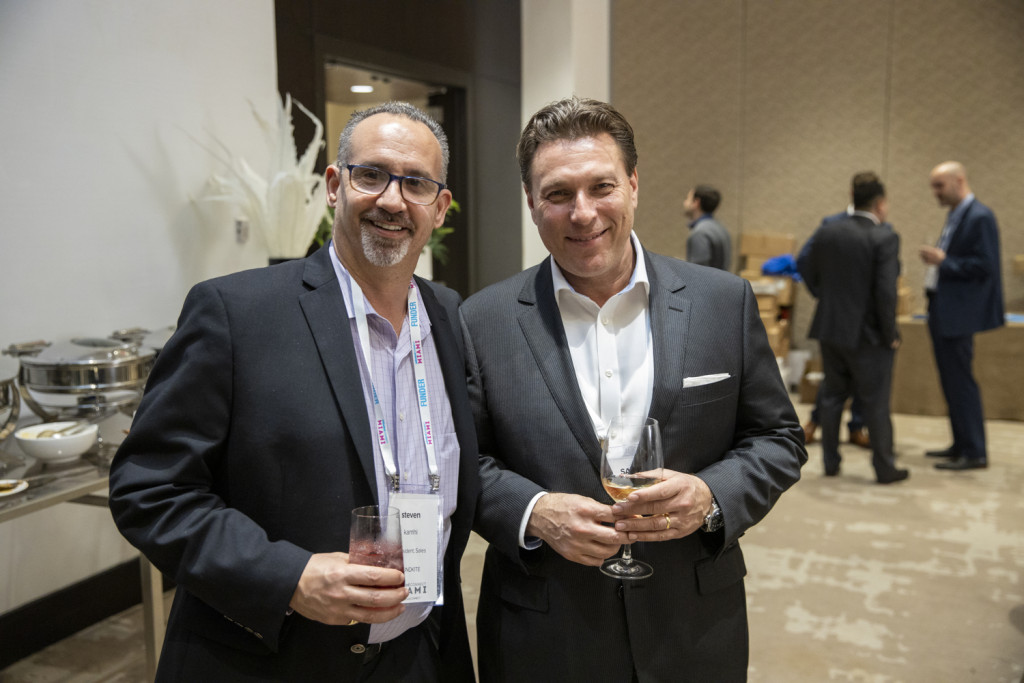
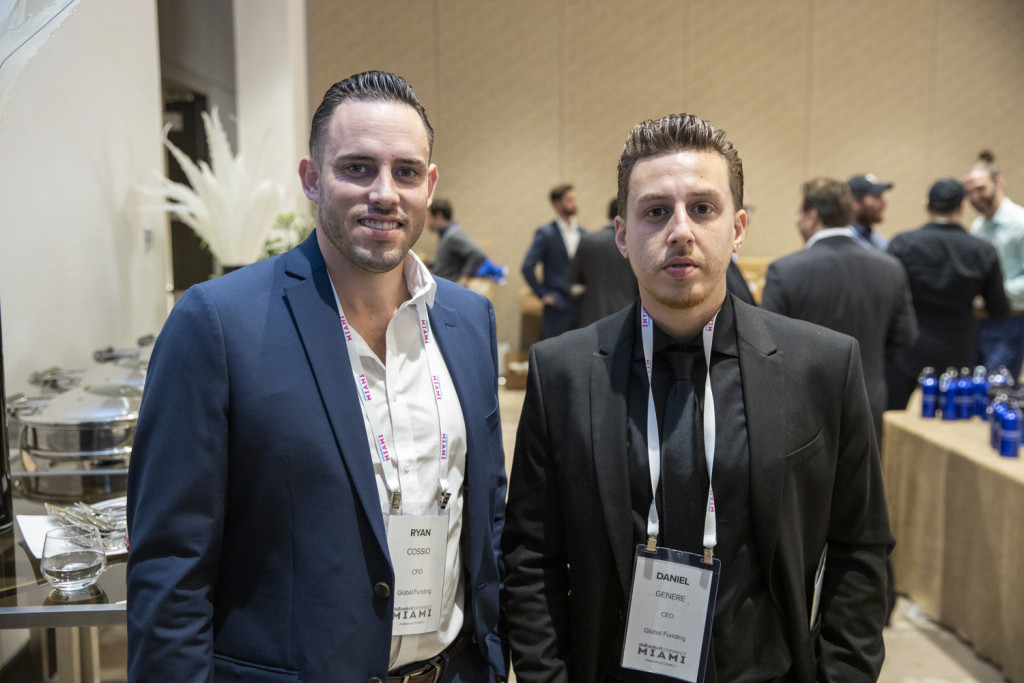
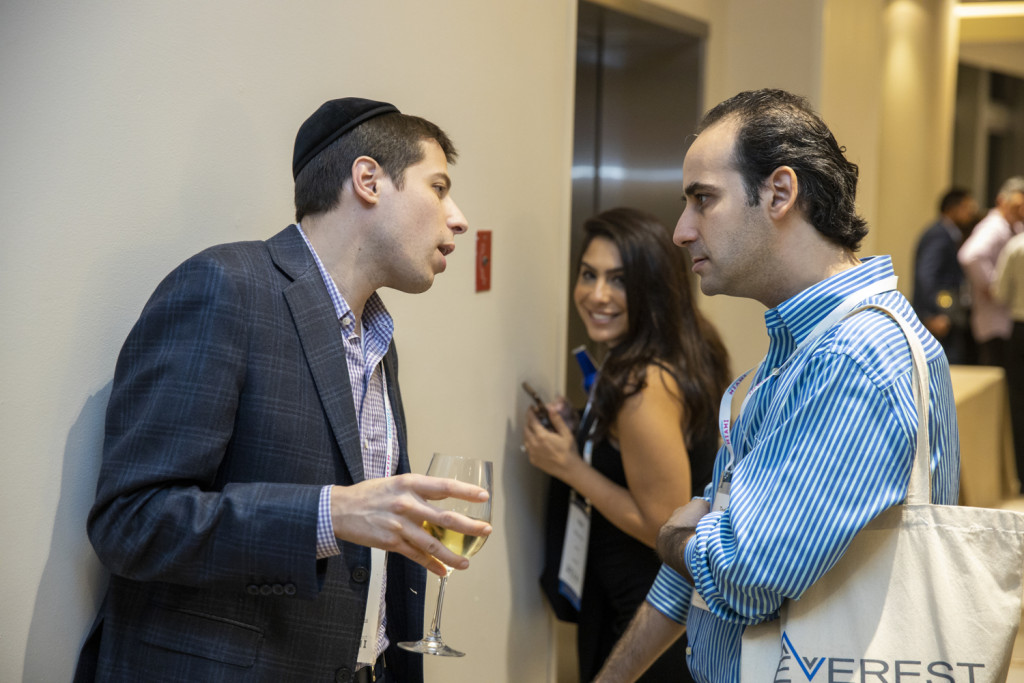
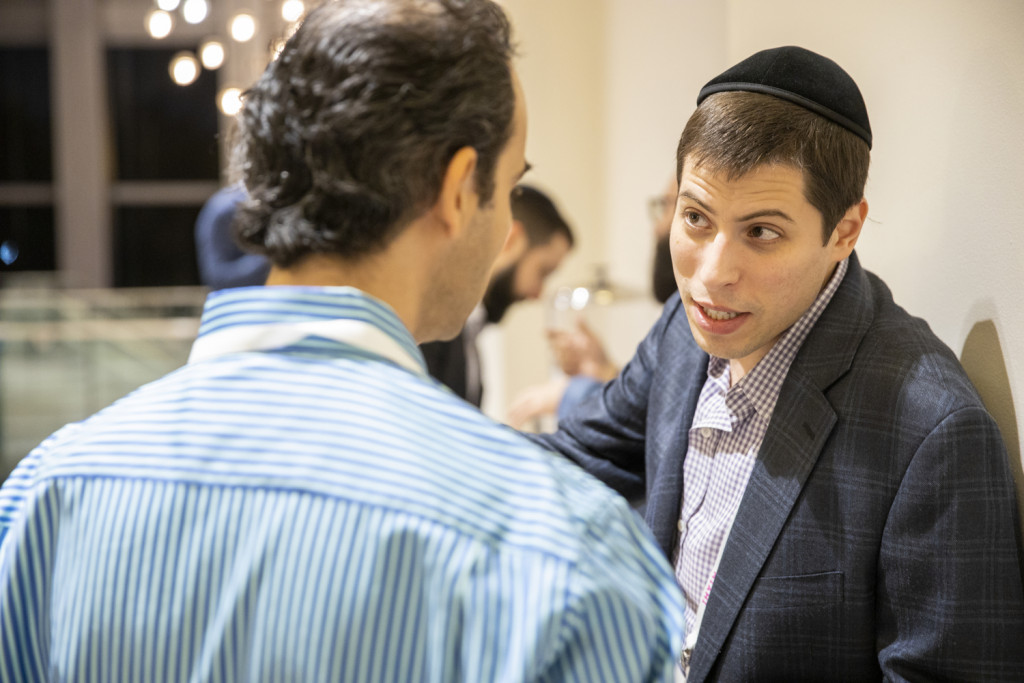
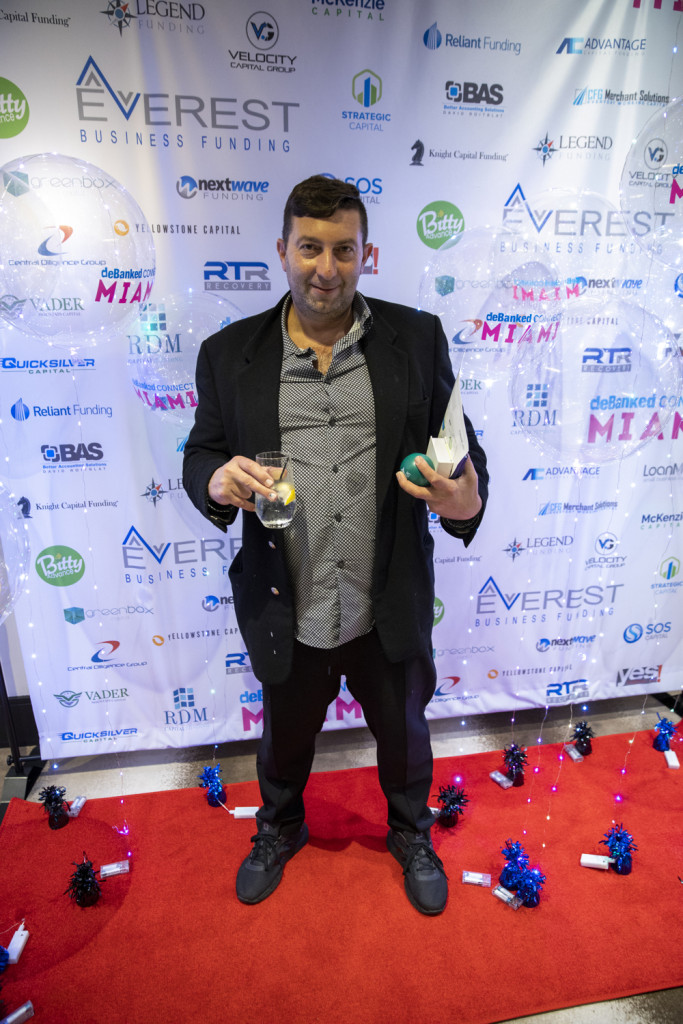
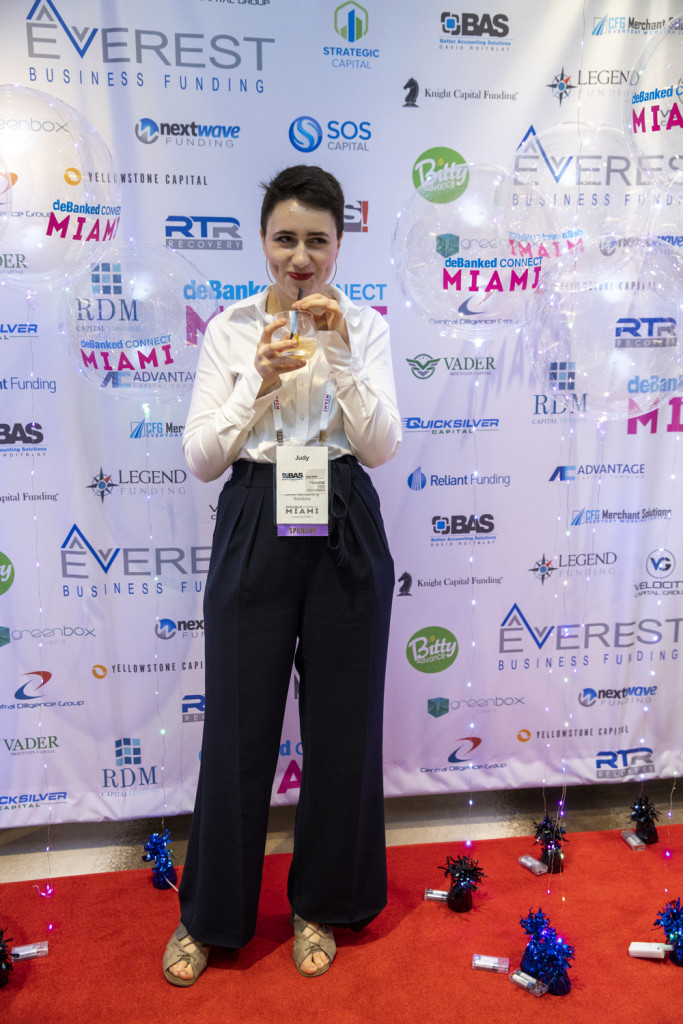
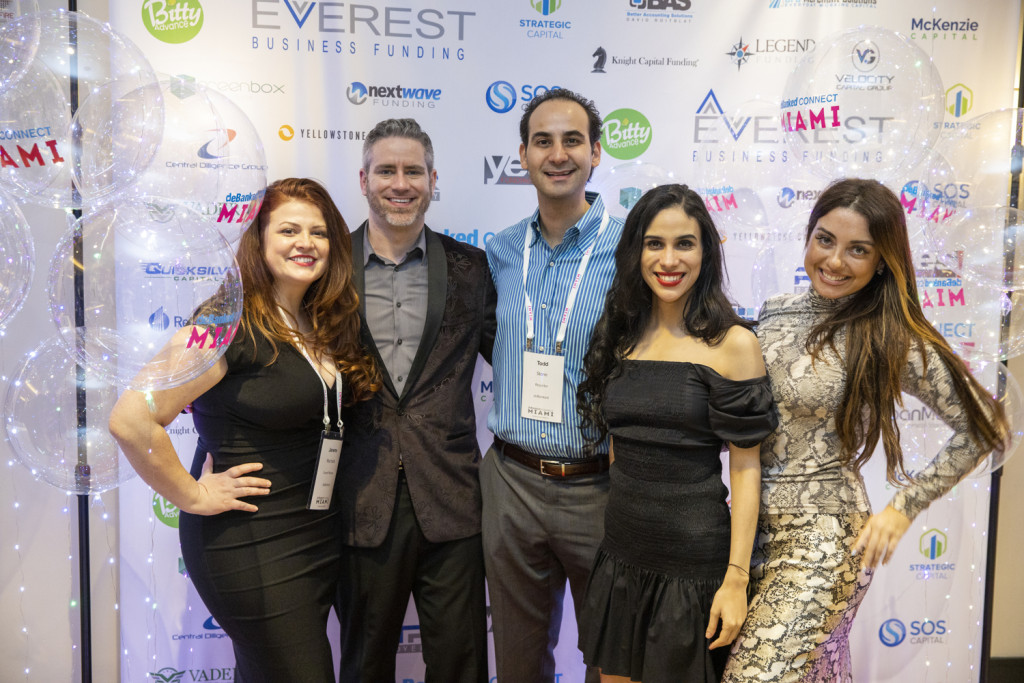
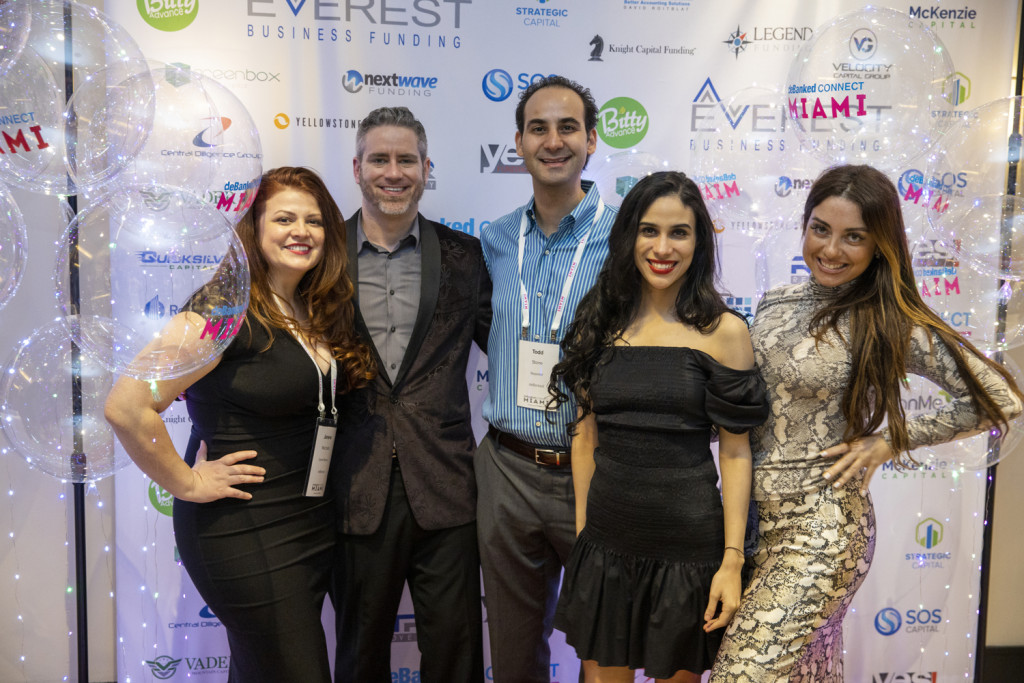
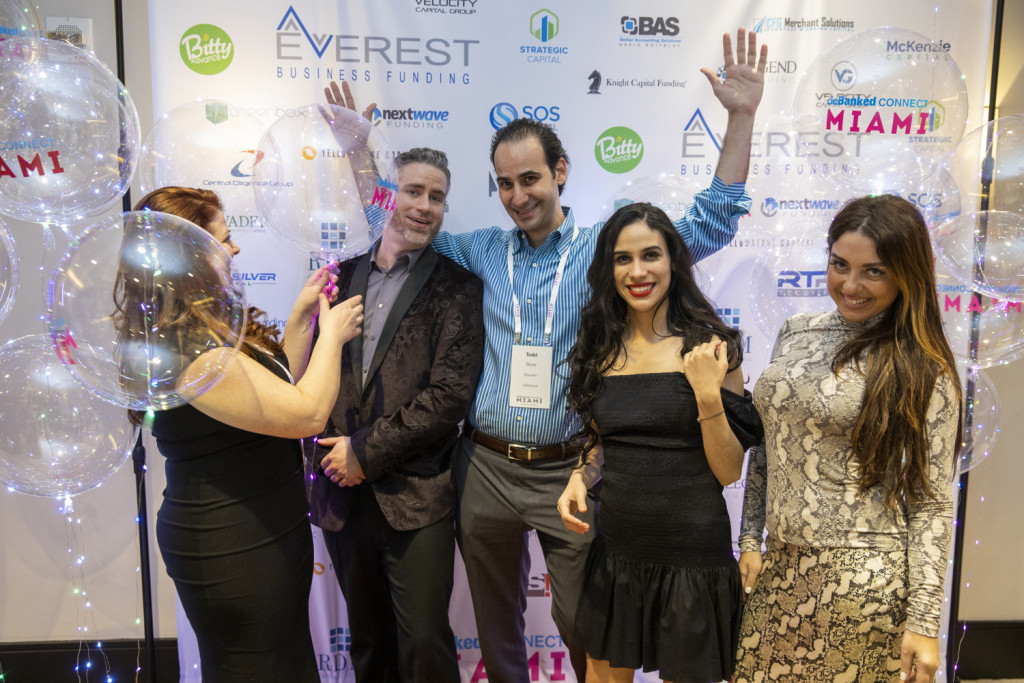
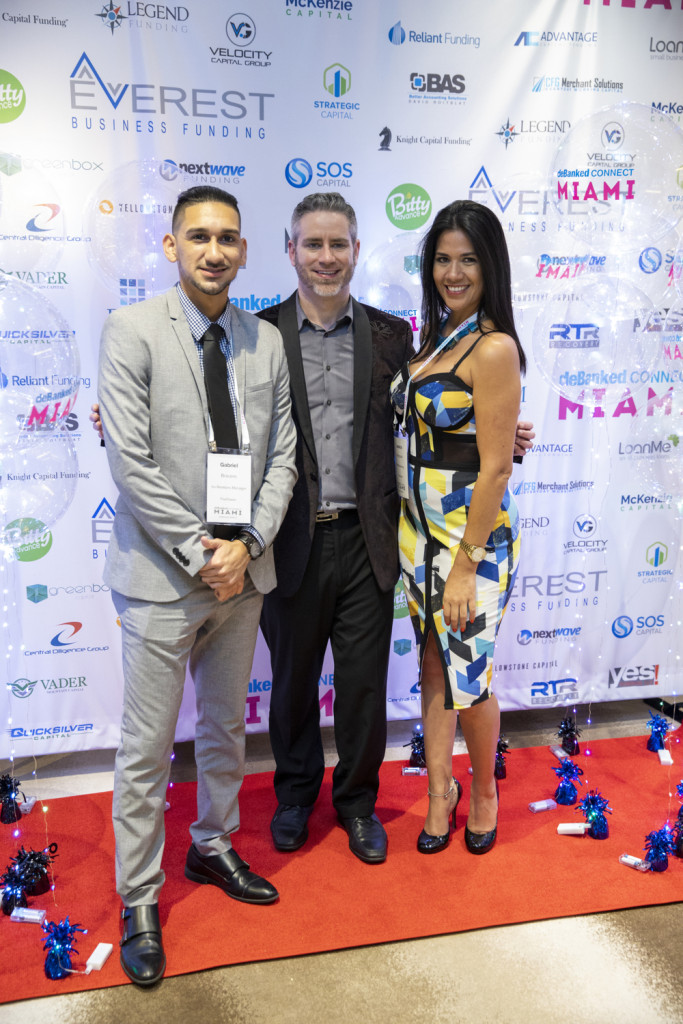
deBanked CONNECT Miami 2019 Photos
January 28, 2019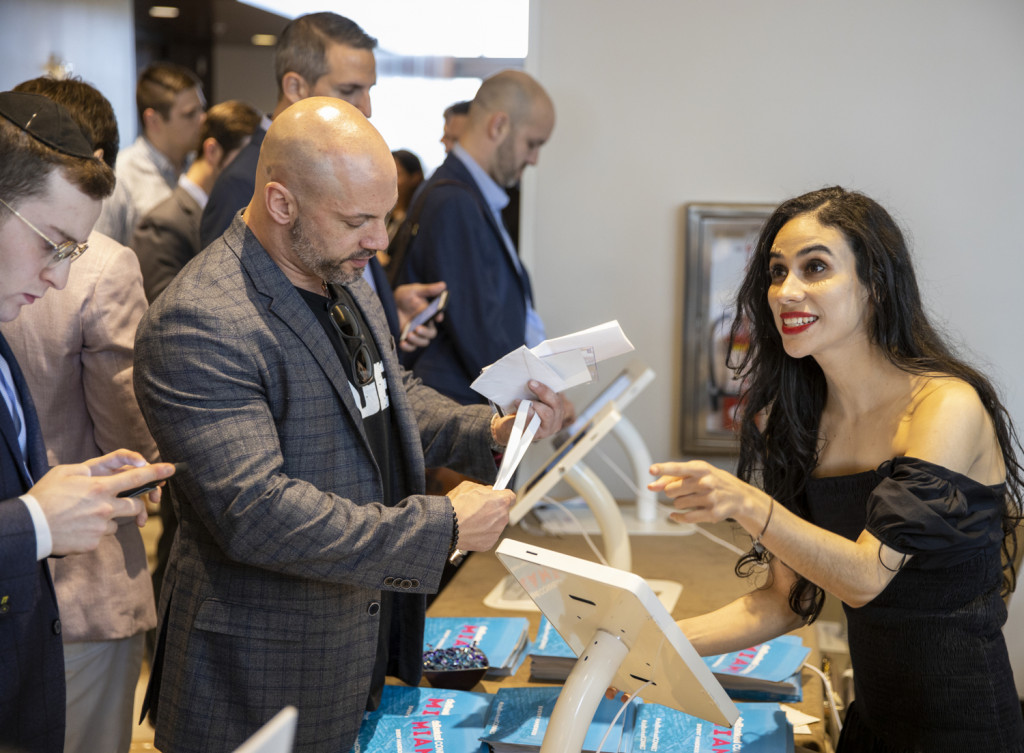












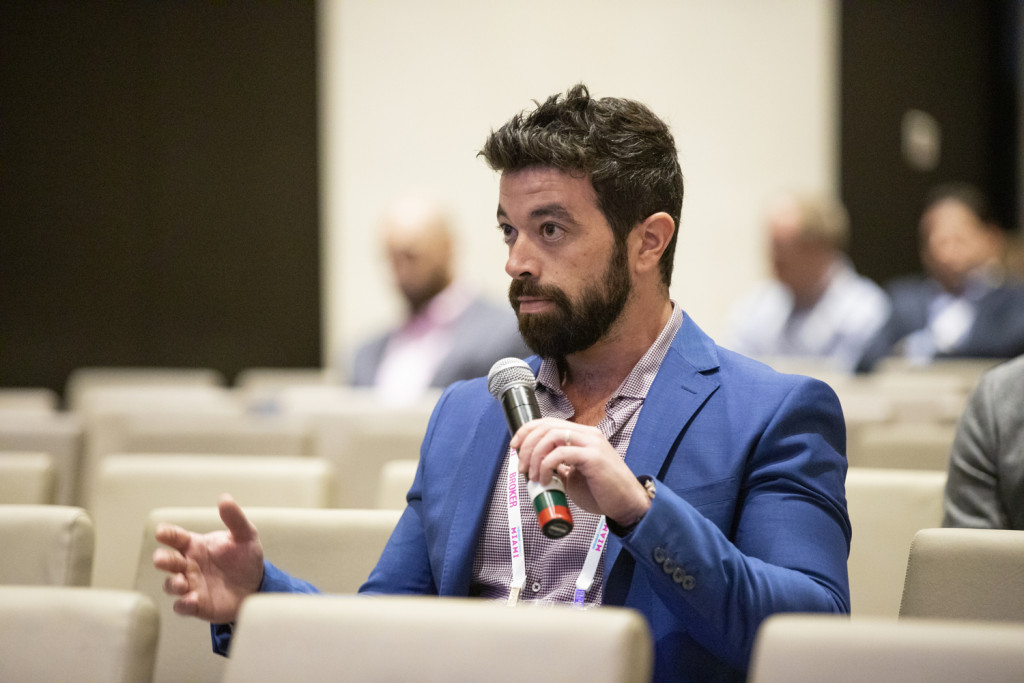
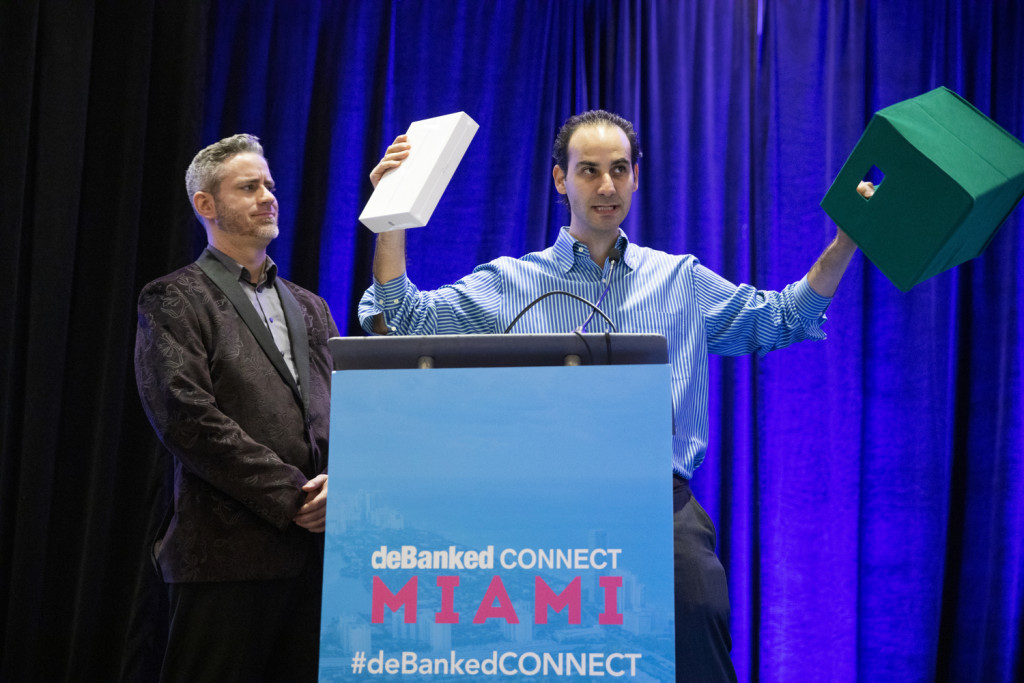
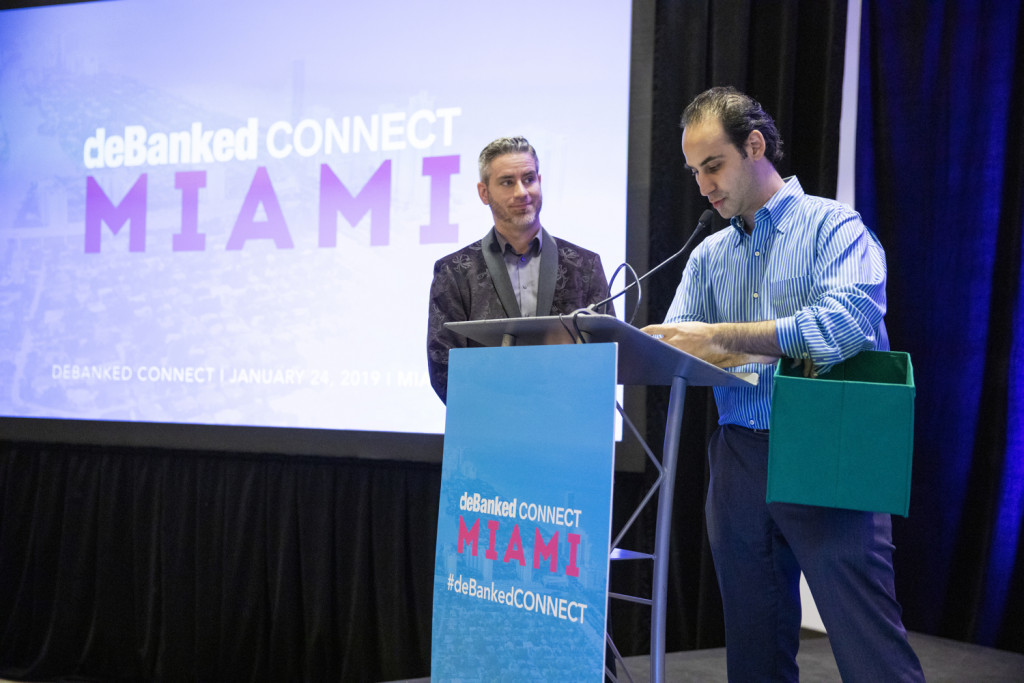
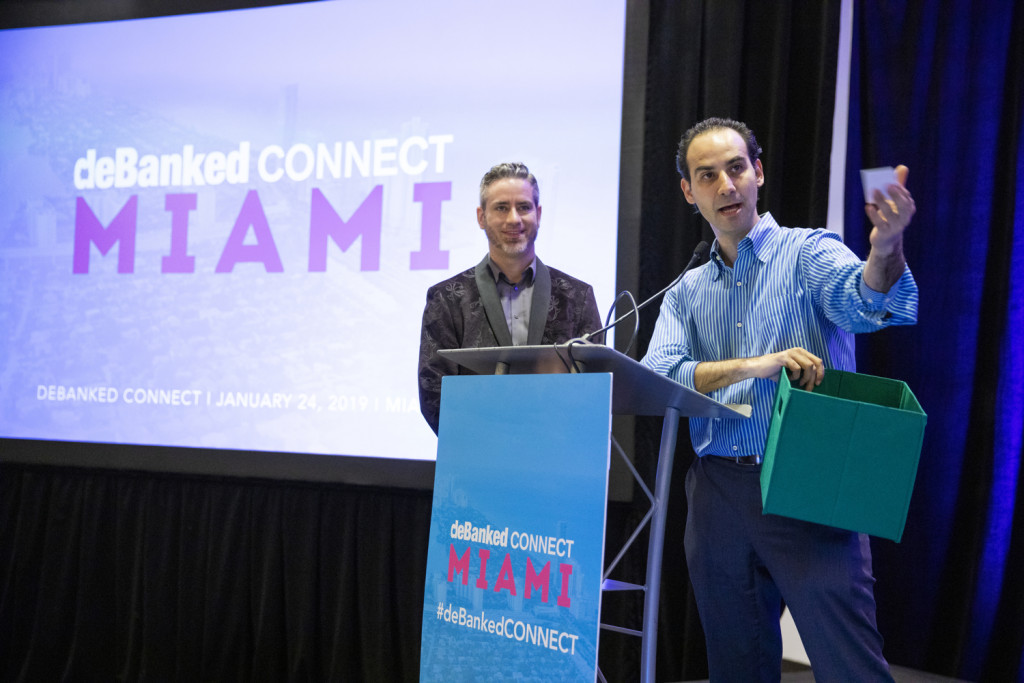

















deBanked CONNECT Miami Travel Advisory
January 20, 2019 |
|
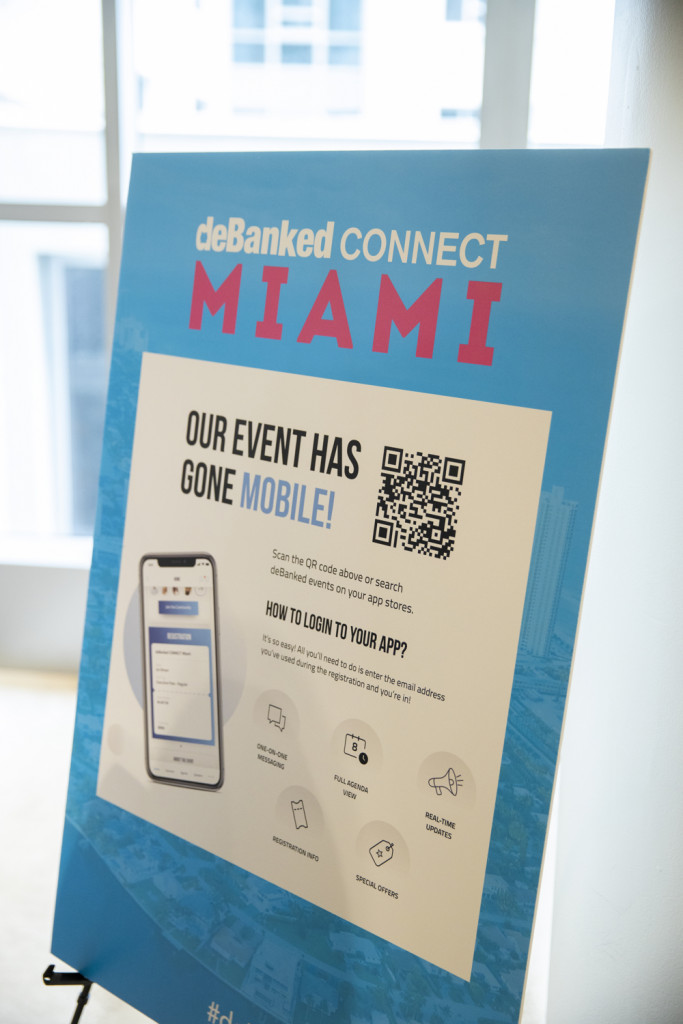
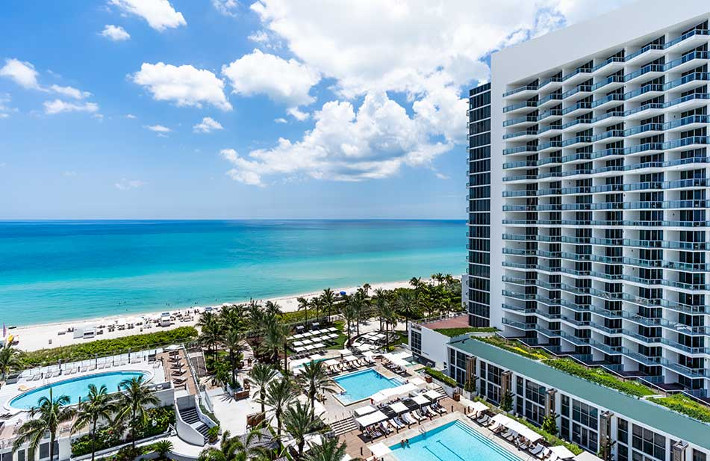
Please allow yourself ample amount of time to get through airport security. There has been reports of extended security wait times following the partial government shutdown. Eden Roc has limited amount of parking spots. The hotel will accommodate as many as they can in their parking garage. We encourage you to use Uber, Lyft or cab when possible. Join Our Event Community to Connect With Other Attendees Now To maximize your experience, we invite you to join our event networking community. It’s available from your computer, tablet, iOS and Android devices. USE IT TO: It’s so easy! All you’ll need to do is enter the email address you’ve used during the registration and you’re in! |
 |
|
|

|
 |
 |
 |
 |
 |
 |
 |
 |
 |
 |
 |
 |
 |
 |
 |
 |
 |
 |
 |
 |
 |
 |
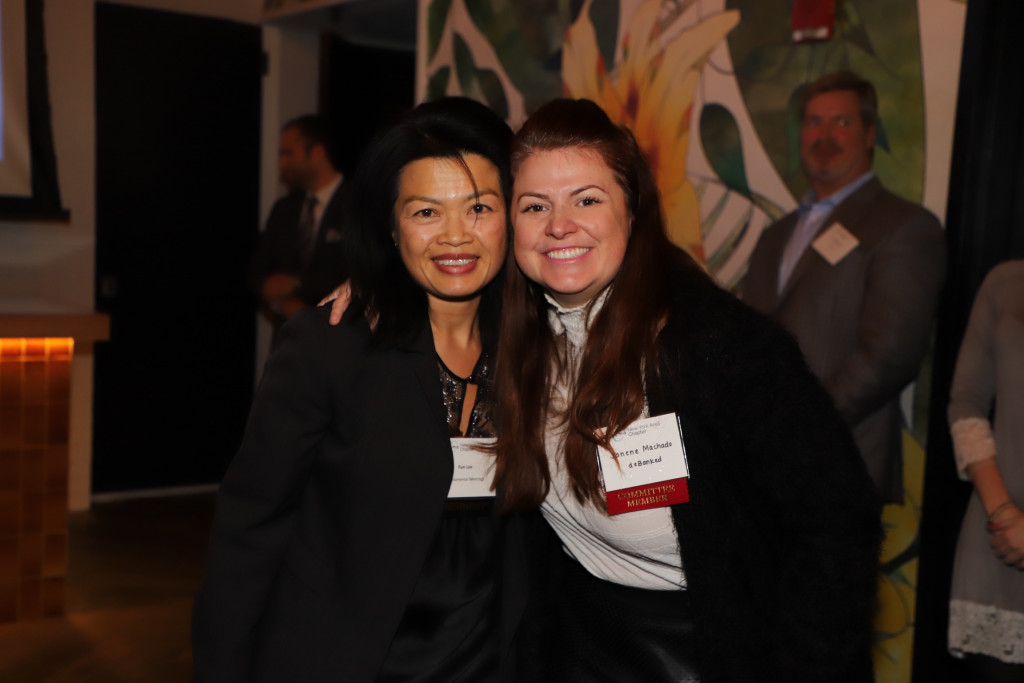
Janene Machado Wins PCMA’s RISE Award
December 18, 2018Janene Machado, deBanked’s event planner, was honored by the Professional Convention Management Association (PCMA) last week with the RISE Award. The RISE Award is given to a new member who has made the most impact to the chapter. With more than 7,000 members and an audience of more than 50,000 individuals, the PCMA is the world’s largest network of Business Events Strategists.
Machado volunteers on the New York Area Chapter Marketing committee and manages their social media content.
We congratulate her on her achievement.
Heard at Money 20/20
October 24, 2018Shaquille O’Neal, Basketball legend and startup investor
O’Neal appeared at the conference on behalf of Steady, a startup he supports that helps people find work relevant to their skill set and location.
“I like being involved in companies that help people people,” O’Neal said. “With Steady, we want to help people gain income. It shouldn’t be hard to find work.”
When asked about other companies he involved with, he said, “I listed all the companies once and my mom said, ‘It sounds like you’re bragging, so cut it out.’ So I don’t talk about them anymore, because my mom’s out in there in the audience somewhere.”
Basketball Legend and Advisor & Advocate of @thesteadyapp, @SHAQ reveals his new nickname at the final of the Startup Pitch at #money2020 pic.twitter.com/ZhDGbCi9DN
— Money20/20 (@money2020) October 24, 2018
Rob Frohwein, Kabbage Co-founder
Frohwein said his company noticed that its customers were borrowing a little less money after they were issued Kabbage’s card.
“It was because customers were borrowing the exact amount they needed at the point of purchase.”
At first, Frohwein said they were concerned, but that ultimately “customers aren’t over-borrowing…and that’s excellent for customer loyalty.
Anthony Noto, SoFi CEO
Noto said he went to West Point for college, which was completely free for him. He said that he could have gotten student loans to attend other prestigious colleges, but he didn’t know if he could afford to pay it back.
With regard to how higher interest rates are affecting SoFi, he said, “higher interest rates have made our underwriting more conservative [and have forced us] to focus on quality.”
On the topic of potentially becoming an Industrial Loan Company (ILC) bank:
“An ILC could be in our future so that we have the same rates across all states we operate in…We are regulated and we’re comfortable with that.”
PayPal is Changing Its Ways, Embracing Main Street
October 23, 2018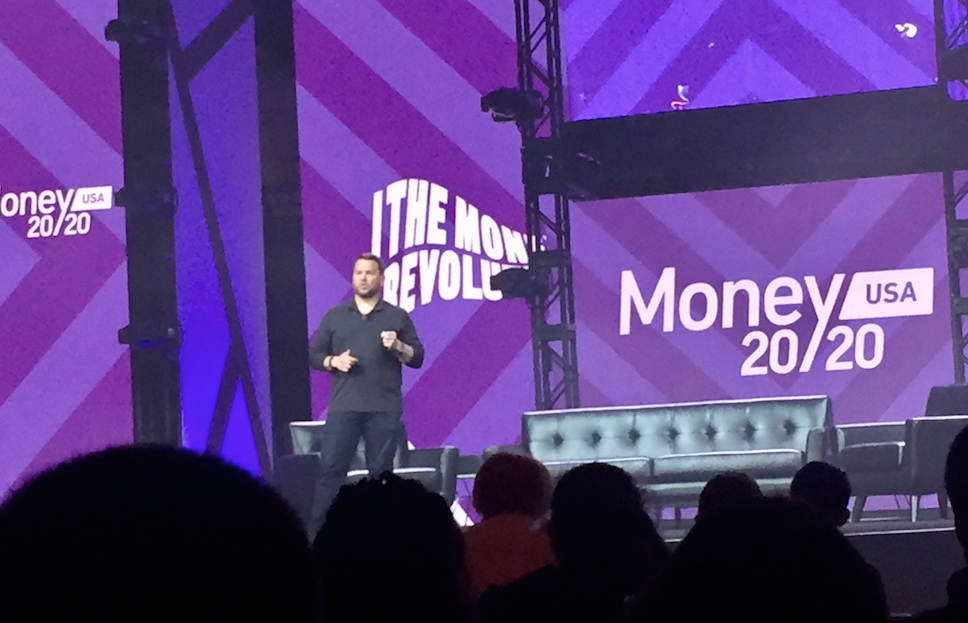 PayPal Chief Operating Officer Bill Ready shared his childhood experience of working for his parents’ auto repair shop to convey his understanding of the challenges that face small businesses.
“Tech has gotten faster, but money has gotten slower,” he said, referring to how small businesses, like his parents’, used to receive most of its money right away in cash. “Now, money is tied up in the digital world and it can take days, even weeks [to collect.]”
Ready said that, through PayPal, small business owners can get their money immediately. He also said that some small business owners can get loans from PayPal almost instantly. He gave the example of a business owner in Arizona with a staff of 12 who couldn’t get a loan from a bank because his company didn’t have assets. But the company did have a payment history with PayPal which qualified it for a small business loan that Ready said hit the owner’s account in 30 seconds.
Not all of Ready’s presentation touted the company’s capabilities. Part of his talk had an apologetic tone.
“Paypal was hesitant about partnerships, but not anymore,” he said, acknowledging that helping “Mainstreet” will require the collaboration of fintech companies and changing attitudes about customers.
“You might have heard people say ‘Who owns the customer?’ We’ve been guilty of that,” he said.
But Ready said that PayPal has changed its perspective and that they want to make it easy for other fintech companies to partner with them.
Petralia Says to Focus on Millennials
October 23, 2018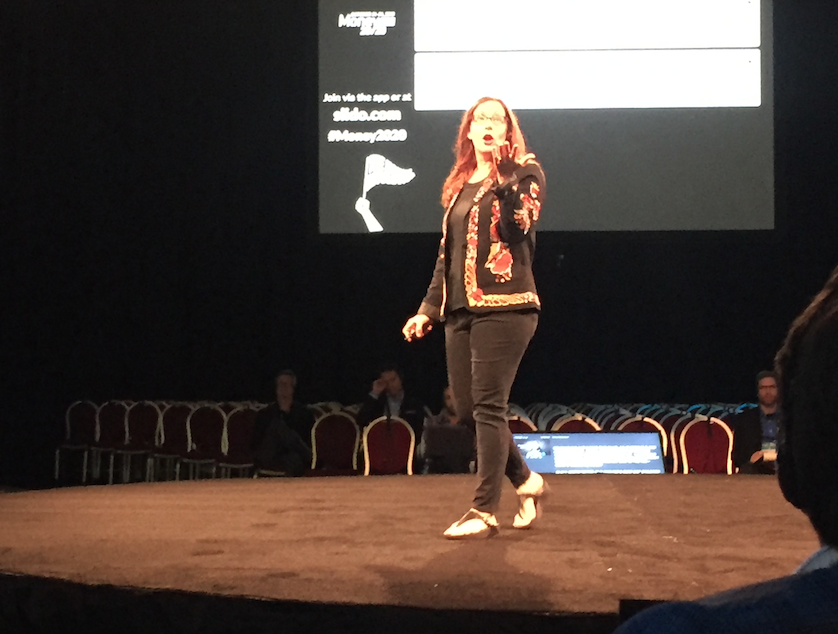 Kabbage CEO and Co-founder Kathryn Petralia gave a fast-paced presentation at Money 20/20 yesterday that touched on gun violence, marijuana and gender identity, all in 20 minutes.
The loose connecting thread was millennials, which Petralia’s powerpoint identified as people born between 1981 and 2002. There are 90 million millennial Americans and they have outnumbered babyboomers since 2017, Petralia asserted. So we have to pay attention to them and cater to their needs, she conveyed.
“Millennials are not as short on money as they are on time,” Petralia said, and she expressed that using data to improve speed and efficiency is therefore critical.
“The millennials are coming” read one of the powerpoint slides. But Petralia said they already have.
Branson Adds Charm, Not Expertise, to Money 20/20
October 23, 2018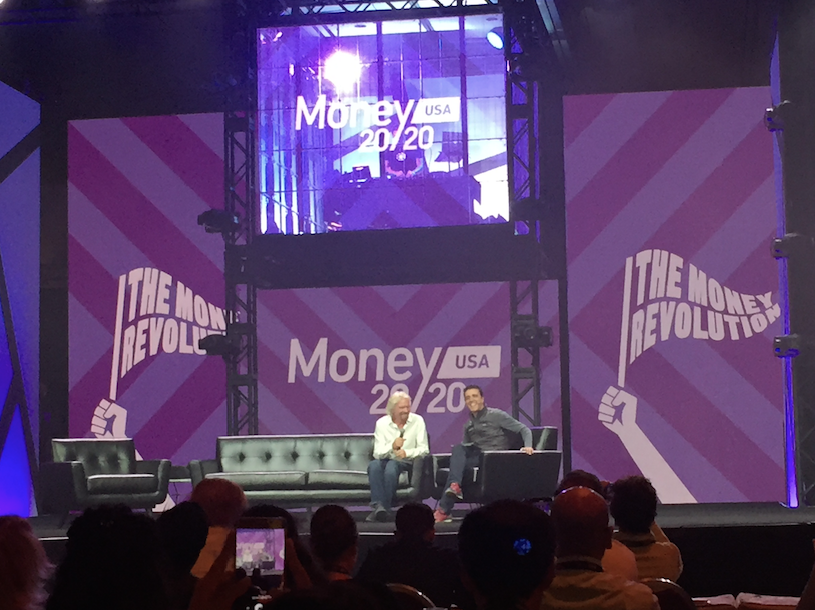 Money 20/20’s keynote speaker, serial entrepreneur and philanthropist Sir Richard Branson, delivered inspiration and laughs to a packed audience yesterday. He was interviewed by Nuno Sebastiao, CEO of Feedzai, which fights financial crime.
While over 20 years ago Branson founded Virgin Money, a sizable UK-based bank, he demonstrated clear discomfort and disinterest in talking about banking. When asked about finance, he said, “I brought notes,” and produced what looked like a thick chunk of papers from his pocket. When Sebastiao said, “moving out of the financial space,” Branson said “thank you!” which elicited a wave of laughter.
“I’ve seen situations in life that have frustrated me,” Branson said, and explained that Virgin Money is the result of a contract he was about to sign with a money management firm. He said that when he asked the investment firm what “bid offered 5%” meant, they got quiet. He then learned that it meant that they would take five percent of the amount he gave them before investing anything. Upset by that, he thought he could do better in financial services and he hired a banker to help launch the company.
Similarly, he said Virgin Airlines was born when he couldn’t get a flight from Puerto Rico to the Virgin Islands because the airline said there weren’t enough passengers that day. He thought he could do better.
Since he first saw a man walk on the moon, he said he always imagined that he and his family would go to the moon someday. But when he realized about 14 years ago that it didn’t look like that was going to happen, he created Virgin Galactic Airways, which is the first commercial rocket program to the moon.
“I registered Virgin Galactic Airways and Virgin Intergalactic Airways, because I’m quite an optimist,” Branson said, producing another wave of laughter.
After years of testing, in which one test pilot was killed, Branson said that he plans to go to the moon next year.
“We can’t leave it up to government to solve the world’s problems,” Branson said, conveying that businesses, small and large, must play a role in improving the world, whether it be on a local or international level.
At the close of the interview, to bring the topic back to finance, Branson said, “Hopefully I’ll learn a little more about banking for next time.”
Regulators Say ‘Sandboxes’ Work
October 22, 2018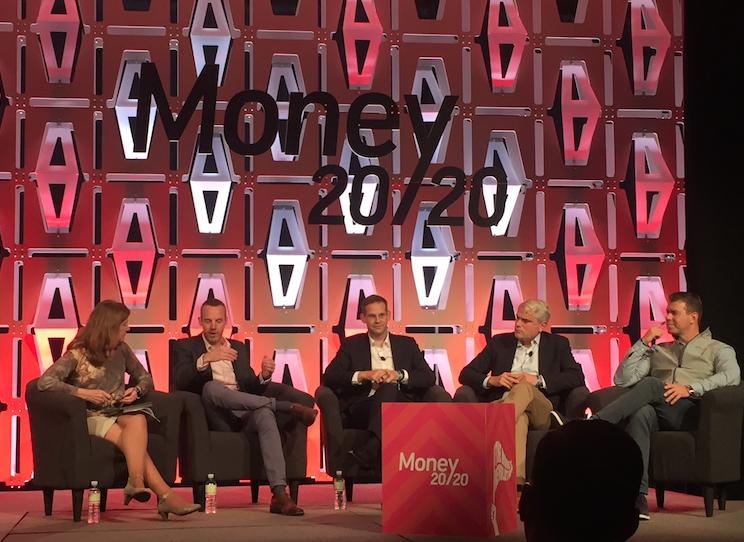
At the regulatory technology (or RegTech) sessions at Money 20/20 yesterday, toy shovels seemed glaringly absent given the number of times the word “sandbox” was used. Of course, panelists were referring to a regulatory sandbox.
Nick Cook, Head of RegTech and Advanced Analytics at the Financial Conduct Authority in the UK, discussed his experience facilitating regulatory sandboxes. According to Cook, a regulatory sandbox is an arrangement between a company and a regulator where, in order to test the viability of a new business or product, the regulator grants some kind of allowance to the company for a fixed period of time in exchange for the regulator’s ability to observe carefully how the new business or technology works and behaves in the market.
“Whether you call it ‘sandbox’ or not, are you going to just talk about it, or are you going to encourage actual experimentation?” Cook posited to other regulators broadly. “Don’t kid yourself that standing still is an option.”
“I hope that states continue these sandboxes,” said Chris Camacho, President & CEO of the Greater Phoenix Economic Council.
Seated on two of the panels on regulation was Paul Watkins, who, as Civil Litigation Division Chief at the Arizona Office of the Attorney General, drafted and advocated for legislation that established the first Fintech Sandbox in the US. Watkins said that coordination between the federal and state regulators will be important moving forward.
One of the panelists was Melissa Koide, CEO of FinRegLab, a research organization that is designed to test new technologies to inform public policy, much like a sandbox.
“Regulators have anxiety about liability if something goes wrong,” Koide said. And she that therefore dialogue among regulators is very helpful, especially the ability for regulators to learn together.
“Regulators can’t innovate if they can’t experiment,” said JoAnn Barefoot, who moderated a few of the sessions. Barefoot is the co-founder of Hummingbird Regtech, a platform for anti-money laundering.