Got Hit By The IEEPA Tariff? There’s a Company That Will Help Get Your Cash Back From It
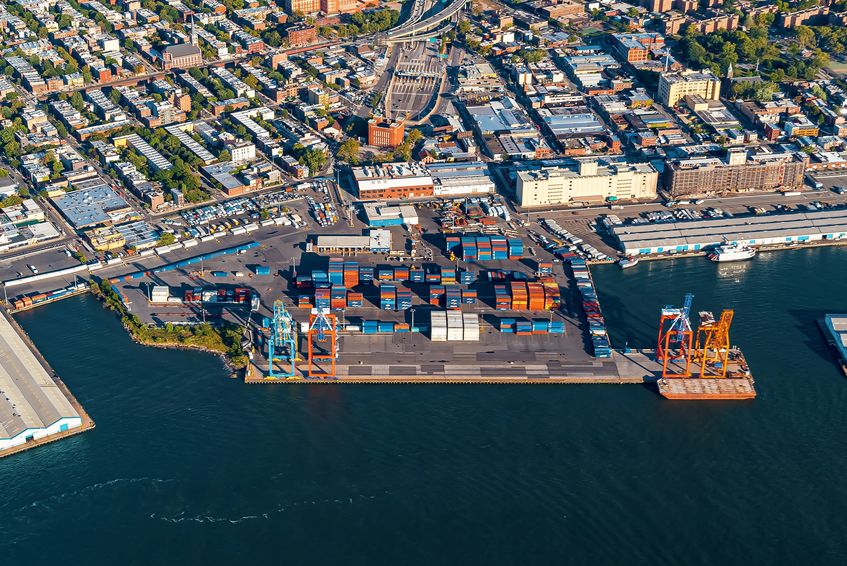 On February 20, 2026, the Supreme Court of the United States ruled that the Trump Administration could not impose tariffs on imported goods under the International Emergency Economic Powers Act (IEEPA). While the President immediately pivoted to enforce tariffs under a different legal basis, many people began to wonder what would happen with the billions of dollars already collected from importers.
Aharon Margolin, the CEO & Founder of Tariff Recovery Group, told deBanked that the court ruling was brought to the Court of International Trade (CIT) to determine next steps, and on March 4 it was decided that all importers would be refunded the IEEPA tariffs. It’s a lot of dough, approximately $166B. $55B of that is attributed to more than 236,000 small businesses that are now due a refund, and by all accounts it seems like the system is working with haste to handle this.
“They’ve actually outlined the process to start facilitating these refunds,” said Margolin, “and they even opened up a portal on the Customs Border Patrol (CPB) Website for importers to start to file their refunds.”
But a portal means paperwork, and a refund comes with the unknown of when it will be received. The CPB, for example, has announced that the first refund will be issued on May 11, which is less than a week from now, but is advising that they’ll generally take 60–90 days from the time a claim is filed. Small businesses have heard such speedy promises before, with the Employee Retention Credit (ERC), for example, and ended up waiting far longer than they ever could have anticipated.
But even if all parties move quickly, the Trump Administration has the option to appeal the CIT refund order and potentially cause a stay of the refund process altogether. This kind of delay or any prolonged delay could result in claims eventually getting denied entirely because of normal deadlines to protest tariffs. If businesses don’t file or protest the tariff in a timely manner, for example, the window to get refunded could simply close. Would they let that happen? No one knows for sure.
Similar to previous government programs, not everybody is aware of what is happening, what they’re even supposed to do, or if they’re supposed to do anything at all.
“…a lot of these merchants, I’m sure don’t even know they’re entitled to a refund,” said Margolin. “A lot of them are, and I think specifically the subset of the merchants that are turning to the the alternative funding industry are because they need that help.”
Margolin echoed what the rest of the small business finance industry was saying before the SCOTUS ruling: that applicants were often citing tariffs as being disruptive to their supply chains, generating demand for working capital solutions from a variety of sources, including products like MCAs. Margolin said the easiest cash flow solution would be for businesses to first get the tariff refund money that is actually owed to them. But that’s subject to the 60–90 day wait in a best-case scenario and an unknowable amount of time in a worst-case scenario.
What then if the need is urgent? That’s where Tariff Recovery Group comes in. They assess how much a business is owed in tariff refunds and can then work out a deal to pay the business cash upfront.
“It all depends on the nature of the claim,” Margolin said. “We’re able to liquidate that claim for money upfront right here, which could provide significant cash flow relief and working capital to the business.”
In his experience, many business owners aren’t even aware of exactly how much they paid in IEEPA tariffs. Because of that, they first assess all of their history and, if eligible, give them all the materials, deadlines, and instructions to file a claim. The business could simply stop there and use that as a standalone service or proceed to the next step, which is to sell the refund claim to Tariff Recovery Group.
Given all the moving pieces, certain unknowns, and the benefits of acting swiftly, Margolin’s company is hoping to educate as many people in the small business finance industry as possible, especially those who would normally just pitch loans or other solutions to their clients. They can also offer a tariff refund filing service or turn those refunds into cash upfront by referring those businesses to him.
“There’s a real service that you could be offering them, they could be getting real money back,” Margolin said. “There’s real commission to be made by brokers.”
Brokers can make commissions by referring businesses to go through the assessment with Tariff Recovery Group and file a claim, and then earn another commission if the business owner sells their claim. It’s, at the very least, a tool in the arsenal to provide a helpful service.
“The worst thing to hear is that a small business paid these types of tariffs and is not recovering them, that would just be money left on the table,” Margolin said.
Last modified: May 5, 2026
Sean Murray is the President and Chief Editor of deBanked and the founder of the Broker Fair Conference. Connect with me on LinkedIn or follow me on twitter. You can view all future deBanked events here.